Two LED headlights can look identical in a product listing yet produce very different results on the road. Brightness is only part of the story. Beam shape, color temperature, electrical compatibility, and heat control all influence what a driver can actually see. So, what affects led headlight performance? The answer involves the bulb, the vehicle, and how those parts work together.
A well-designed LED needs effective thermal management because excess heat can reduce output and shorten component life. Its driver must also provide stable power, while the headlight housing and reflector or projector must direct light into a useful pattern. Small details matter. An LED that fits the socket may still sit at the wrong angle, creating dark patches or glare instead of clear road coverage. Dusty lenses, aging wiring, and a weak power connection can further change the result. Heat changes things.
This guide explores these factors and explains why advertised brightness does not always predict real-world visibility. It also considers installation, environmental conditions, and practical checks that help identify poor performance. Vehicle designs differ, so a bulb that works well in one housing may disappoint in another. That distinction is easy to miss, and it deserves a careful look. Reliable evaluation depends on compatibility information and, where needed, measured beam performance—not appearance alone.
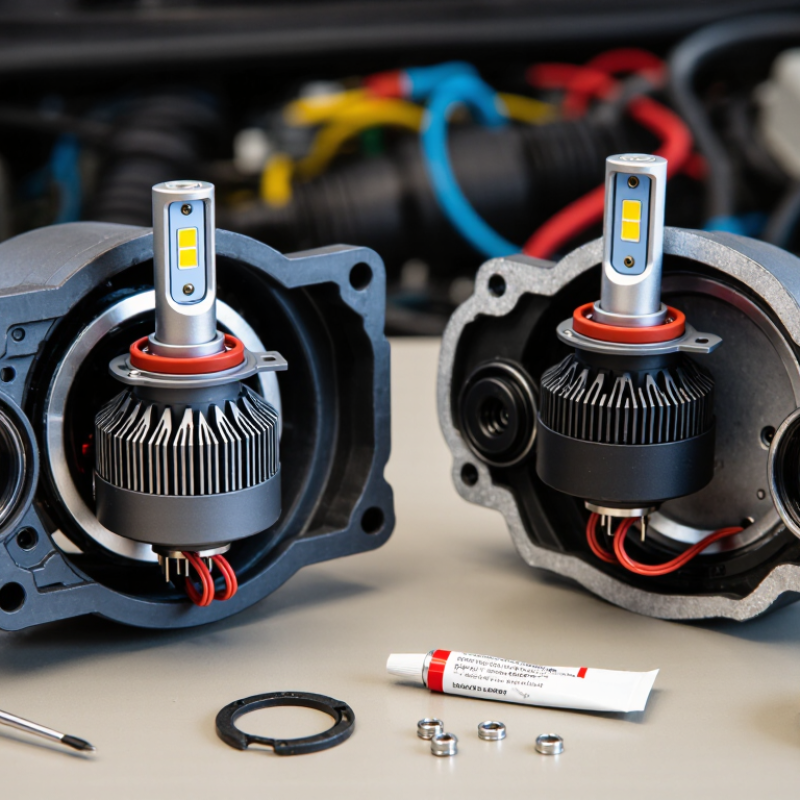
LED headlight performance is not captured by one number. Lumens describe the total light produced, but they do not show where that light lands. A high lumen figure can still mean poor road visibility if the beam spreads unevenly or shines too high.
Illuminance, measured in lux, indicates how much light reaches a surface. A test at a fixed distance can reveal whether the road area receives useful light. Beam shape matters too: a clear cutoff helps keep light directed ahead, while bright spots and dark gaps can make hazards harder to see. Color temperature describes whether light appears warmer or cooler; it does not, by itself, measure visibility.
Performance should also be checked after the lamp warms up. Heat can affect output, and a brief bench test may miss changes during longer use. Electrical stability, light distribution, and durability all matter. Small details count. A wet road, a dusty lens, or a slight change in aim can alter what the driver sees. Lumens are tempting to compare, but I would not treat them as the whole answer. Test conditions vary, and even careful measurements cannot fully reproduce every drive.
An LED creates light when electrical current passes through a semiconductor. In many white LEDs, a blue chip excites a phosphor coating, which produces a broader white spectrum. The chip itself is small, but its position and the lens or reflector determine where its light goes. A tiny shift can brighten the road edge while leaving a dark patch farther ahead.
The U.S. Department of Energy’s 2022 Solid-State Lighting R&D Opportunities report notes laboratory LED package efficacy above 200 lumens per watt. That figure describes the light source, not the beam reaching the road. Housing losses, heat, optics, and aiming all change the result. IIHS headlight evaluations measure visibility on straight and curved sections, illustrating why output alone cannot predict useful illumination. That distinction is easy to miss. Two lamps with similar ratings may still create very different patterns.
LED headlight performance depends on more than the light-emitting chips. Chip quality affects output and color, while the driver regulates current and helps prevent flicker. Heat matters, too. A compact heat sink that traps warmth can reduce output over time and shorten component life. Small parts matter. Lens shape, reflector geometry, and precise alignment determine where the light lands. A bright hotspot may look impressive, yet leave road edges dim.
The U.S. Department of Energy’s 2022 Solid-State Lighting R&D Opportunities report sets 250 lumens per watt as a long-term efficacy target for LED packages. That figure describes the package, not usable light on the road; optics, electronics, and thermal losses all affect the final beam. The Insurance Institute for Highway Safety evaluates headlamps on straight and curved roads, including how well they illuminate and whether they create glare. That distinction is useful: a high-output specification alone cannot predict what a driver sees. Still, a clean test result does not capture every real-world condition. Dirty lenses, aging components, poor installation, or a slight aiming error can change the beam. Specifications help, but they deserve a second look.
| Design or Component | What It Affects | How Performance Can Vary | What to Consider |
|---|---|---|---|
| LED chip and phosphor | Light output, color appearance, and electrical efficiency | Different chip designs and phosphor formulations can produce different output and color characteristics, even when lamps have similar power ratings. | Compare measured light output and color specifications rather than relying on wattage alone. |
| Thermal management | Operating temperature and long-term light output | LEDs generate heat at the junction. If heat is not carried away effectively, the LED may reduce its output and can age more quickly. | Heat sinks, thermal interfaces, airflow, and the available space inside the headlamp all matter. |
| Optics and beam pattern | Where light is directed on the road | The reflector or projector is designed around a particular light-source position and shape. A mismatch can create dark areas, excessive glare, or poorly focused light. | Assess the beam pattern in the intended headlamp, not just the apparent brightness of the LED itself. |
| Driver electronics | Current regulation, stability, and compatibility | The driver controls electrical power to the LEDs. Differences in regulation, protection, and vehicle compatibility can affect consistent operation. | Check for correct voltage compatibility, stable operation, and any vehicle-specific electrical requirements. |
| Color temperature | Perceived color and visibility in different conditions | A cooler-looking white light is not necessarily brighter or more effective. Very cool light can be less comfortable in some conditions, including rain or fog. | Consider color specification alongside beam quality and usable road illumination. |
| Headlamp housing and fit | Cooling, alignment, and light distribution | Limited clearance can restrict airflow or prevent correct installation. A poorly seated light source may shift the beam and reduce useful illumination. | Verify fitment, sealing, orientation, and clearance within the specific headlamp assembly. |
| Headlamp aim and lens condition | Road coverage and glare control | Incorrect aim can place light too high or too low. A cloudy or damaged lens can scatter or reduce the light reaching the road. | Keep lenses in good condition and have headlamp aim checked after installation or adjustment. |
LED headlight output depends on more than the bulb. A weak battery, aging alternator, or corroded connector can reduce the voltage reaching the lamp. The change may be subtle at first. A technician can compare voltage at the battery and headlight while the engine runs. That simple check can reveal losses in the circuit.
Heat also matters. LED modules produce heat around their electronics, and poor heat transfer can cause output to drop. Dust, road salt, and insects on the lens scatter light and make the beam seem weaker. A cloudy lens can soften the beam even when the LEDs still work. Small changes matter. Check both headlights, too; one may dim sooner than the other.
Aim is easy to overlook. A vehicle carrying heavy cargo or riding on worn suspension may sit at a different angle, sending light toward the road too early or into other drivers’ eyes. Tire pressure and uneven loading can affect the stance as well. Rain and fog further reduce visibility, even with healthy lamps. A brighter-looking beam is not always a better one. I would not judge performance from appearance alone; a beam check on a level surface gives more useful evidence.
Why Does LED Headlight Performance Vary?
How Installation and Environment Change Beam Quality
An LED headlamp can look bright yet leave the road poorly lit. The key is where its beam lands. If the bulb sits crooked in the housing, or the housing is aimed too high, light may miss the road and shine into oncoming drivers’ eyes. A few millimetres can matter. IIHS headlight evaluations measure visibility and glare on straight and curved road sections, showing why brightness alone is not a useful measure of performance. The beam pattern matters.
Environment changes that pattern’s usefulness, too. Rain creates reflections on wet pavement, while fog and airborne dust scatter light back toward the driver. A high, sharp beam may therefore feel harsher without revealing more. Check headlamp aim on level ground, with normal tire pressure and the vehicle’s usual load. Then inspect both lamps against a wall: their cutoffs should look even, not tilted or scattered. This is a practical check, not a precision test. Even a clean lens cannot fix poor alignment, and a carefully aimed lamp cannot erase every effect of weather.
Installation and environmental conditions can change how much useful light reaches the road.
How to read this: The index is relative to a clean, correctly aimed headlight in clear, dry conditions (100). Poor aim, lens contamination, rain, and fog can reduce useful visibility; the illustrative values are not standardized test results and actual performance varies by vehicle, lamp, and conditions.
No. Lumens measure total light, not where it lands. A large figure can still hide dark gaps or light aimed too high.
Lux measures light reaching a surface. Testing at a fixed distance can show whether useful light reaches the road.
A clear cutoff directs light ahead. Bright spots and dark gaps can make hazards harder to see. Small details count.
No. It describes whether light looks warmer or cooler. It does not show how well the road is illuminated.
Yes. Heat can affect output, so a brief bench test may miss changes during longer use. A neat number can mislead.
A weak battery, aging alternator, or corroded connector can reduce voltage at the lamp. A technician can compare voltage at the battery and headlight while the engine runs.
Yes. Dust, road salt, insects, and cloudy lenses can scatter or soften the beam. Check both headlights; one may dim sooner.
Heavy cargo, worn suspension, uneven loading, and tire pressure can change the vehicle’s angle. A beam check on level ground gives better evidence than appearance alone. I can still misjudge it.
LED headlight performance is more than a measure of brightness. It also includes beam reach, spread, color consistency, and how clearly the road and its surroundings are illuminated. LEDs create light through electronic components, while optics and reflectors shape it into a usable beam. The balance between these elements determines whether light is distributed evenly or creates dim areas and glare. Understanding what affects led headlight performance means considering both the light source and the system designed to direct it.
Component quality, heat management, and electrical supply can influence output over time. Vehicle conditions, such as the headlight housing’s condition, alignment, and available power, may also change how well the beam performs. Installation matters because an incorrectly seated or aimed light can distort the beam, even when the components work properly. Finally, rain, fog, dust, and road surfaces affect how light appears to the driver. Taken together, design, vehicle condition, installation, and environment explain why LED headlights can perform differently in everyday use.
DERT Lighting