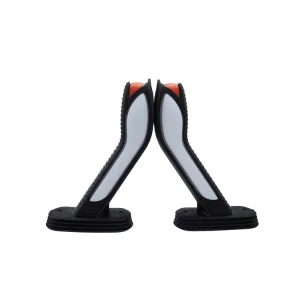
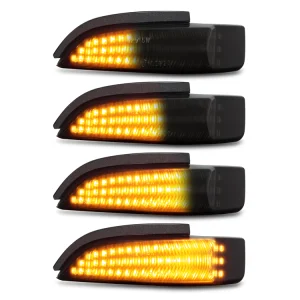
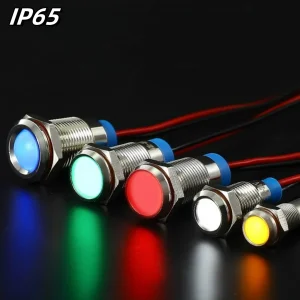
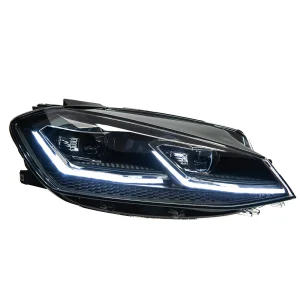
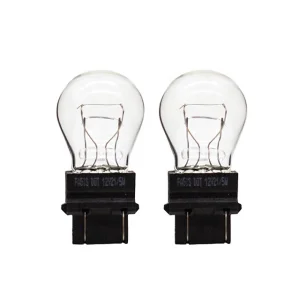
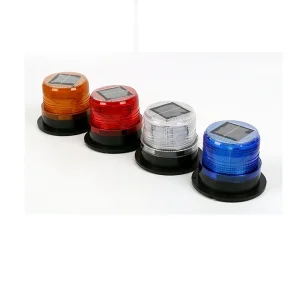
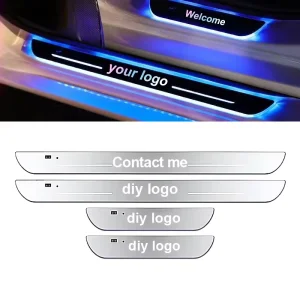
Explore our high-efficiency LED marker lights, dynamic turn indicators, and heavy-duty signal bulbs engineered for commercial fleets, trailers, and passenger cars.
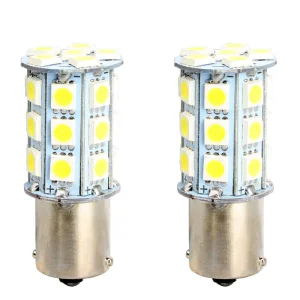
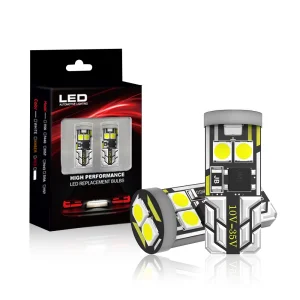
Years of OEM/ODM Expertise
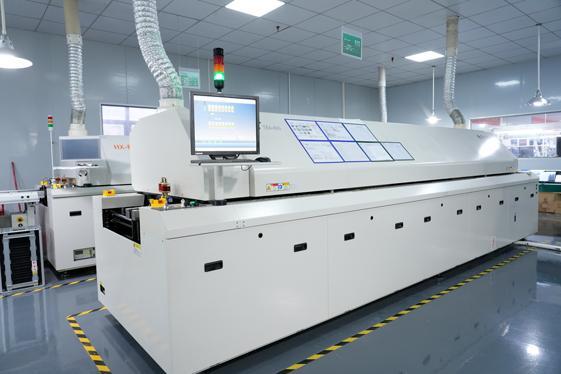
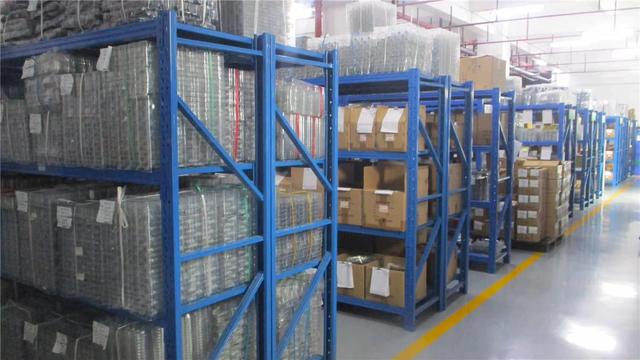
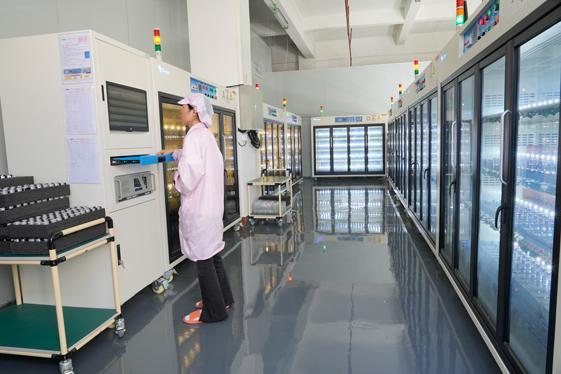
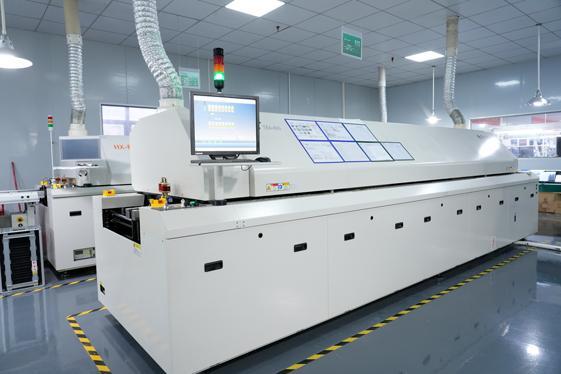
Modern Manufacturing Area
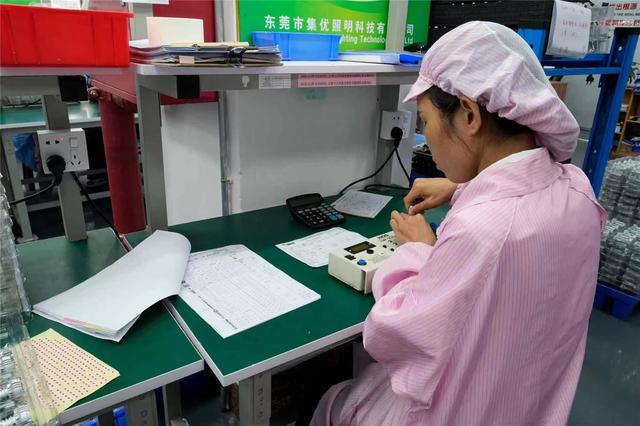
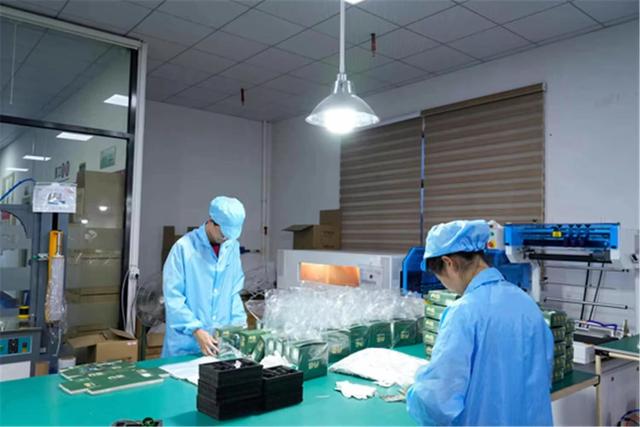
Skilled Professionals & Engineers
Regulatory Compliance (ECE/DOT)
In modern automotive engineering, signal lights are not merely safety devices; they are complex optical, electronic, and structural systems. Whether it is a tail lamp, dynamic side-turn indicator, or high-intensity truck marker, the design must guarantee immediate driver intention communication under extreme environments. Signal failure presents severe safety hazards and liability risks for automotive OEMs and distributors.
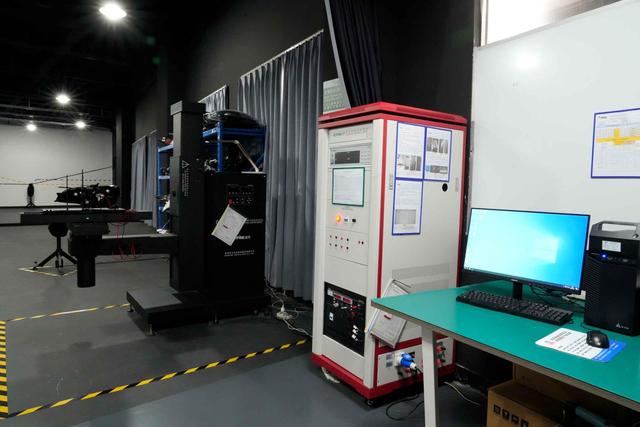
To provide high Information Gain to sourcing departments, understanding the photometric properties of automotive LEDs is key. Signal light manufacturing necessitates precise lux-level concentration at specified viewing angles, ensuring high visibility without blinding other motorists. Advanced factories utilize photometric goniophotometers to measure the spatial distribution of light intensity, ensuring each light meets strict SAE (Society of Automotive Engineers) and ECE standards.
Thermal management is another core technology. High-power LEDs generate localized heat at the semiconductor junction. If not dissipated efficiently via thermal copper PCBs and optimized housings, the light output degrades, and the color temperature shifts. Reliable manufacturers incorporate high-grade thermal interfaces and solid-state heat sinking inside the lamp housing to prolong life past 50,000 operational hours.
A deep-dive analysis of certifications and regional regulations that define import qualifications for automotive warning and signal lights.
Federal Motor Vehicle Safety Standard 108 (FMVSS 108) governs all automotive lighting in the US. Our production processes ensure compliance with photometric requirements, beam patterns, and lens color coordinates for legal road operations.
For European distribution, E-Mark certification (e.g., E4, E9, E11) is mandatory. It verifies that lights meet United Nations Economic Commission for Europe (UNECE) regulations, focusing on light dispersion, environmental durability, and EMI suppression.
Quality assurance is backed by the IATF 16949 standard, which is the gold standard for global automotive supply chains. It demands continuous improvement, defect prevention, and reduction of variation and waste in the supply chain.
The Yangtze River Delta, particularly Ningbo in Zhejiang Province, represents the most integrated automotive components cluster in the world. Sourcing signal lights from a specialized Ningbo manufacturer like Ningbo DERT Lighting Co., Ltd. offers substantial supply chain advantages that go far beyond basic labor cost savings.
First, raw material availability is highly localized. High-grade PMMA (acrylic) for lenses, UV-stabilized polycarbonate for housings, electronic components (MOSFETs, drivers, diodes), and copper PCBs are sourced within a 100-kilometer radius. This localized ecosystem dramatically reduces production lead times and insulates international buyers from global supply disruptions.
Second, Ningbo features deep-water port infrastructure (Ningbo-Zhoushan Port), enabling streamlined containerized shipping directly to major ports in Europe, North America, and Australia. Integrated customs clearance and specialized freight consolidation lower logistical friction, guaranteeing that volume production runs reach foreign distribution centers efficiently and cost-effectively.
Analyzing what Tier-1 distributors, aftermarket brands, and specialized commercial bodybuilders demand from modern OEM signal light exporters.
We provide full customization of logo engraving, custom-printed retail packaging, and laser etching of regulatory symbols, enabling global partners to scale their proprietary brands with consistent styling.
Utilizing high-end optical design software (like LucidShape and SPEOS), our engineering teams develop light guides and lens optics that achieve maximal illumination spreads with minimal wattage, saving vehicle energy consumption.
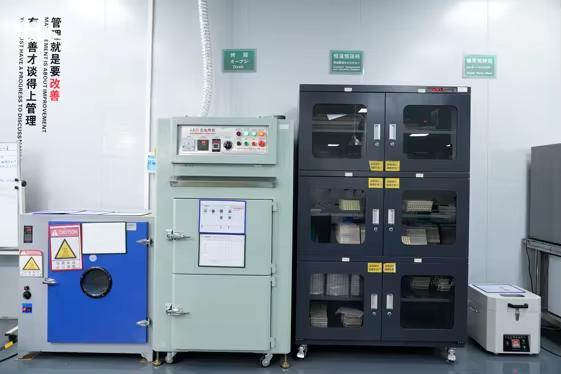
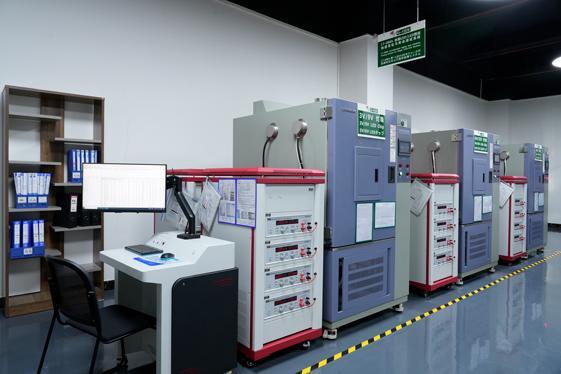
Every single batch undergoes testing for dust, vibration, water intrusion (IP67/IP69K testing chamber), thermal cycle testing (-40°C to 85°C), and salt spray corrosion testing to match harsh winter road salting conditions.
From extreme-duty commercial fleets to dynamic street-smart passenger upgrades, our products fulfill specialized functions worldwide.
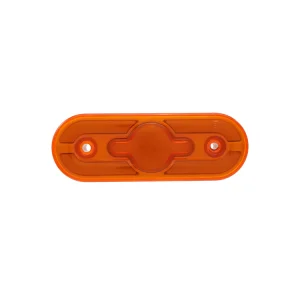
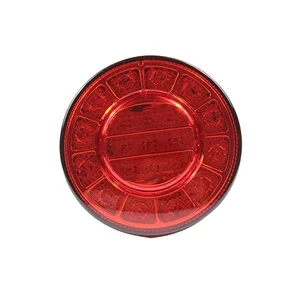
Long-haul trailers and freight trucks operate in continuous high-vibration environments and severe weather. Standard incandescent bulbs fail frequently under these conditions. Our heavy-duty 24V LED side markers, warning lights, and tail assemblies offer vibration resistance up to 10G. Heavy-duty construction sites utilize magnetic chassis warning lights for nighttime projects, ensuring site personnel and passing traffic maintain safe margins.
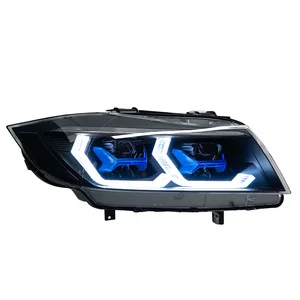
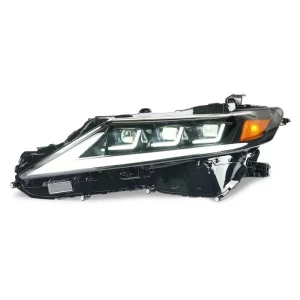
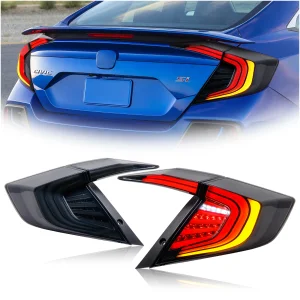
The consumer market demands visual differentiation and modern premium styling. Features such as sequential/dynamic amber turn signals for Toyota or customized LED DRL headlight modifications for VW and BMW models represent a booming aftermarket segment. Providing plug-and-play CAN-bus error-free modules ensures seamless consumer integration without requiring deep modification or triggering vehicle system errors.
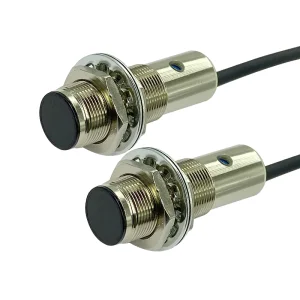
As autonomous vehicles and ADAS (Advanced Driver Assistance Systems) gain market share, the signal light is transforming. Industry experts point to smart-sensing lighting integration, where infrared photo-sensors and optical switches communicate environmental parameters back to the vehicle's electronic control unit (ECU).
Dynamic signaling is also evolving beyond aesthetics. Sequential turn patterns have been shown to reduce driver reaction times by up to 200 milliseconds compared to traditional static lights. This fractional improvement is critical in preventing rear-end collisions during high-speed driving.
Additionally, sustainable manufacturing processes are taking center stage. Sourcing teams now prioritize manufacturers using green energy, lead-free soldering, and highly recyclable plastic materials. Minimizing the environmental footprint of component supply chains aligns with corporate ESG goals worldwide.
Leading automotive lighting manufacturing excellence, exporting advanced signaling solutions across six continents.
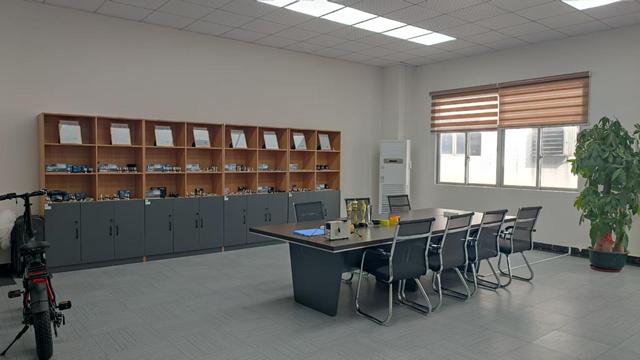
Established in 2012, Ningbo DERT Lighting Co., Ltd. is a professional manufacturer specializing in automotive lighting systems, LED headlights, and vehicle lighting solutions for global automotive aftermarket and OEM customers. Located in Ningbo, Zhejiang Province, China, the company operates a modern production facility covering approximately 18,000 square meters and employs more than 320 skilled professionals across engineering, manufacturing, quality assurance, research and development, and international sales departments.
DERT Lighting focuses on the design, development, and production of automotive lighting products, including LED headlight systems, vehicle lighting assemblies, signal lighting solutions, commercial vehicle lighting products, off-road lighting systems, and customized automotive illumination technologies. The company serves automotive brands, distributors, wholesalers, importers, fleet operators, and aftermarket suppliers across international markets.
Supported by an experienced engineering team, DERT Lighting continuously invests in product innovation, optical design, thermal management technologies, electronic control systems, and manufacturing automation. The company integrates advanced production equipment, automated assembly lines, precision testing instruments, and standardized manufacturing processes to support consistent product quality and production efficiency.
Quality management is implemented throughout every stage of production, from raw material sourcing and component inspection to assembly, performance testing, durability evaluation, and final quality verification. The company strives to manufacture automotive lighting products that meet the performance, reliability, and regulatory requirements of diverse international markets.
In addition to standard product manufacturing, DERT Lighting provides comprehensive OEM and ODM services, including product development, branding support, customized specifications, packaging solutions, and private-label manufacturing programs. Flexible production capabilities allow the company to support both emerging automotive brands and established industry partners.
Today, Ningbo DERT Lighting Co., Ltd. exports products to North America, Europe, South America, Southeast Asia, the Middle East, and other global regions, delivering reliable automotive lighting solutions for a rapidly evolving mobility market.
Expert answers to the most common sourcing, engineering, and logistics questions concerning automotive signal lights.
Our automotive signal systems and LED trailer markers comply with key global standards, including ECE (E-Mark approval like E4, E9 for Europe), DOT/SAE (FMVSS 108 for North America), and CCC (for China). The manufacturing facility itself is strictly managed under the IATF 16949 system, which is a key requirement for supply chain approval among Tier-1 automotive brands.
For standard catalog configurations, production leads average 25 to 35 days from receipt of payment. For customized ODM engineering (involving new optical designs, customized housings, or custom connector wiring), the prototyping and tooling validation stage takes 45 to 60 days, followed by standard volume manufacturing runs.
We design and test our automotive signal lights to IP65, IP67, and IP69K standards. Utilizing automated sonic welding and high-quality polyurethane potting resins, our lights undergo vacuum testing inside dedicated water submersion chambers to confirm seal integrity before packaging.
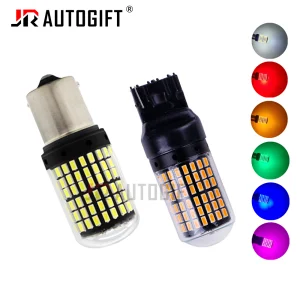
Yes. Most of our high-brightness aftermarket lighting solutions, including the 1156, T20, and custom-styled retrofits, feature integrated CAN-bus decoding circuitry. This prevents dashboard warning indicator triggers and signal hyper-flashing by matching the expected electrical resistance of the original vehicle circuitry.
We utilize automotive-grade UV-stabilized Polycarbonate (PC) and Poly(methyl methacrylate) (PMMA) imported from top-tier material suppliers. Our materials undergo accelerated weathering tests to ensure clarity and mechanical strength remain unaffected by continuous solar radiation and extreme heat.
Discover our specialized series including headlight assemblies, high-power LED bulbs, vehicle warning lamps, and photoelectric sensors.
 DERT Lighting