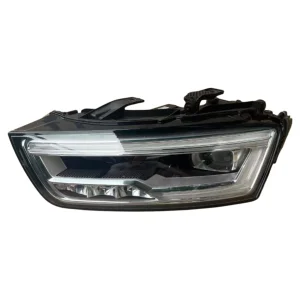
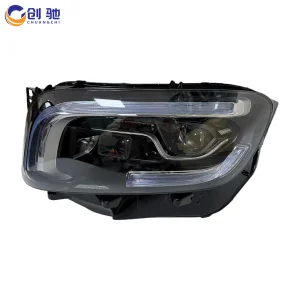
Adaptive Driving Beam (ADB) technology represents the pinnacle of modern automotive safety. Unlike traditional high beams that require manual switching to avoid blinding oncoming traffic, ADB uses a sophisticated array of sensors and individually controllable LEDs to "carve out" shadows around other vehicles while maintaining maximum illumination elsewhere. This technology is no longer a luxury feature; it is becoming an industry standard driven by global safety mandates and the rise of autonomous driving.
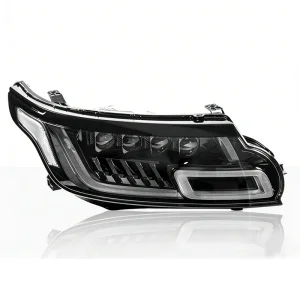
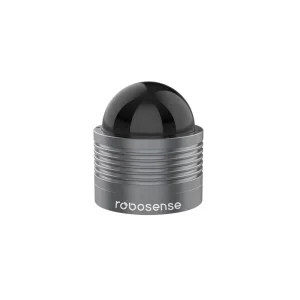
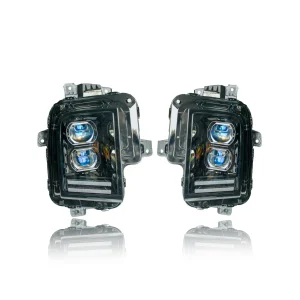
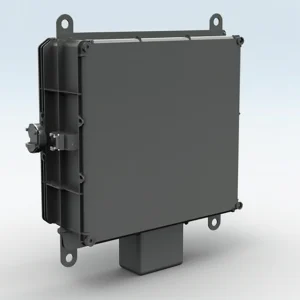
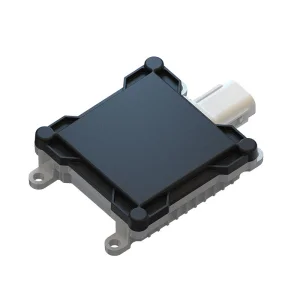
Modern ADB factories focus on Matrix LED architectures. These systems consist of dozens, sometimes hundreds, of micro-LEDs managed by a dedicated Electronic Control Unit (ECU). By receiving data from front-facing cameras and 77GHz millimeter-wave radars, the system calculates the exact position of other road users and dims specific pixels in real-time. This provides an "information gain" for the driver—seeing hazards like pedestrians or animals much earlier without compromising the vision of others.
Integration with ADAS systems allows headlights to "turn" into corners before the steering wheel moves, using GPS and camera data.
Precision pixel dimming ensures 0% glare for oncoming drivers while maintaining 100% brightness on road signs and lanes.
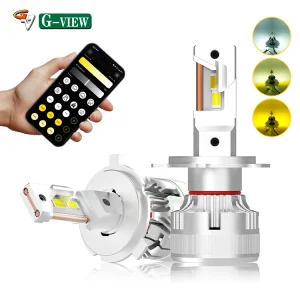
High-power CSP chips require advanced liquid or fan-assisted cooling to maintain a 50,000+ hour lifespan.
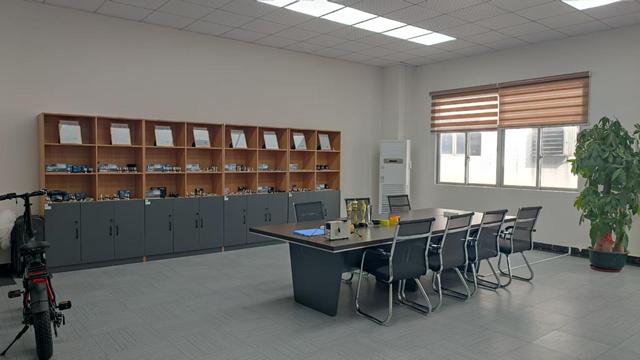
Established in 2012, Ningbo DERT Lighting Co., Ltd. has grown into a titan of the automotive lighting industry. With an 18,000sqm facility and over 320 specialized staff, we bridge the gap between complex engineering and mass-market reliability.
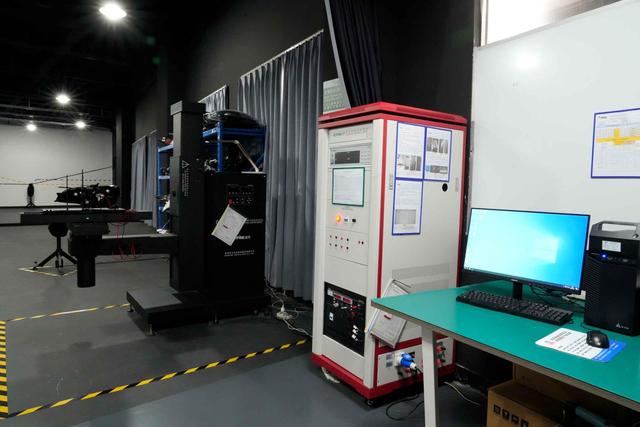
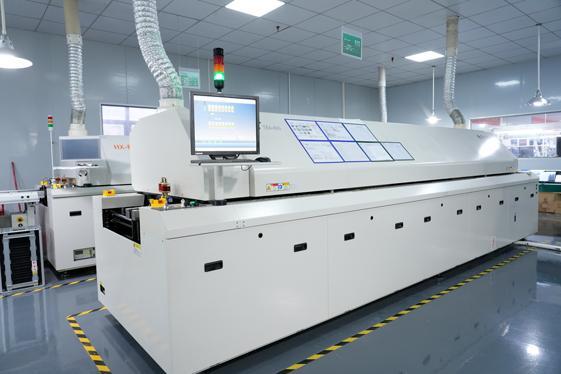
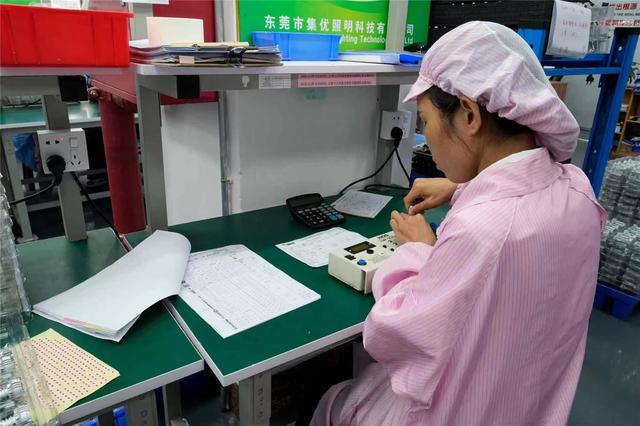
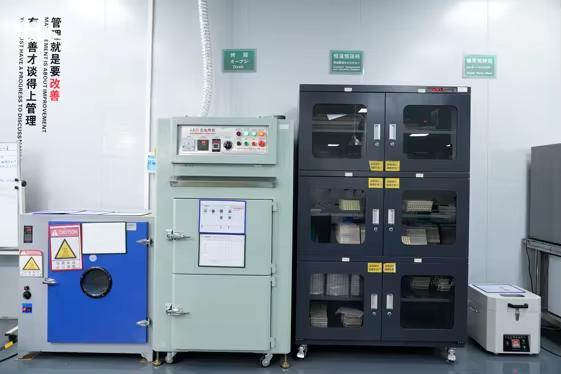
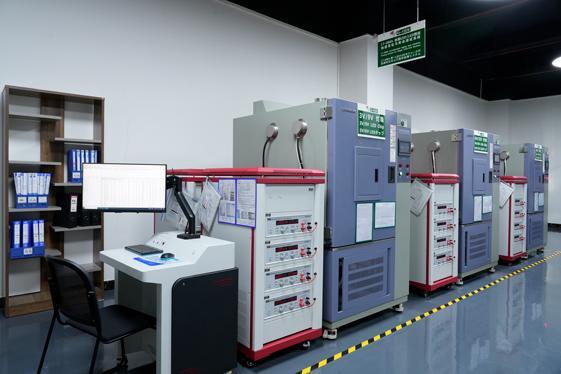
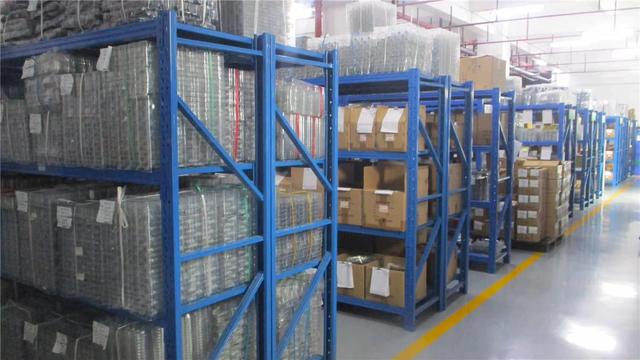
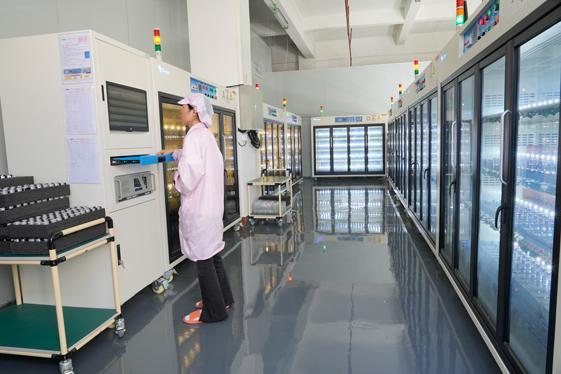
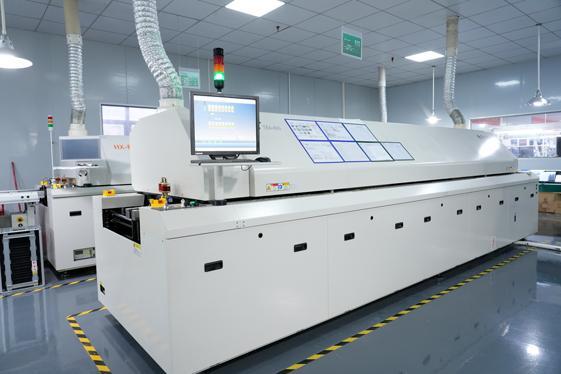
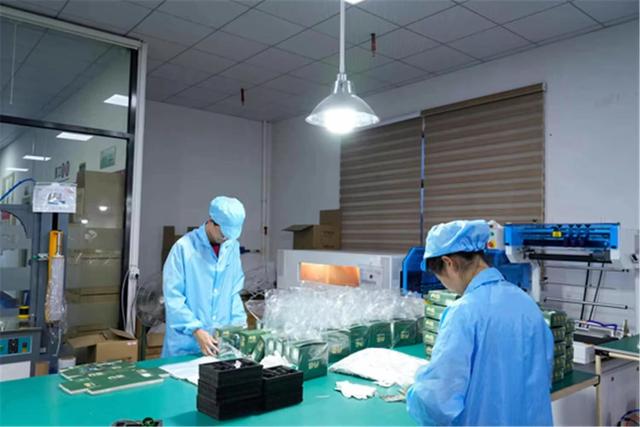
Ningbo DERT Lighting continuously invests in optical design and manufacturing automation. Our production lines integrate precision testing instruments to ensure every LED assembly meets ECE R48 and SAE J3069 standards. From raw material sourcing to final durability evaluation, our quality management is rigorous.
Our OEM and ODM services allow global automotive brands to customize specifications, from thermal management solutions to unique branding and packaging. We support both high-volume vehicle manufacturers and niche aftermarket distributors with the same level of technical precision.
The transition from AFS (Adaptive Frontlighting Systems) to full ADB and eventually to AI-driven projection systems is accelerating. Below is our vision for the next decade of lighting technology.
Widespread adoption of high-pixel Matrix LEDs in mid-range vehicle fleets.
Deep integration of LiDAR and 77GHz Radar for ultra-precise beam shaping.
Headlights acting as projectors to display safety warnings directly onto the road.
Autonomous vehicle lighting communication (V2X) where headlights "talk" to pedestrians.
For international buyers, compliance is the biggest hurdle. Our factory ensures that all ADB systems are tested for electromagnetic compatibility (EMC) and photobiological safety. Whether you are operating in the European market (ECE compliance) or the North American market (DOT/SAE), our engineering team provides the necessary localized documentation and technical support to ensure seamless market entry.
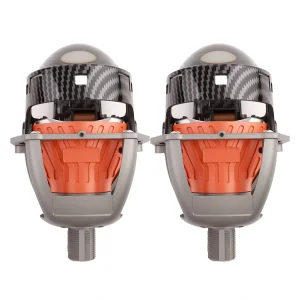
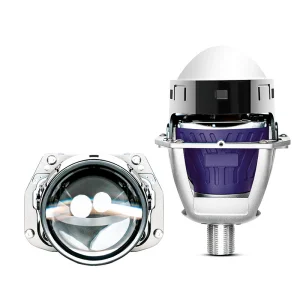
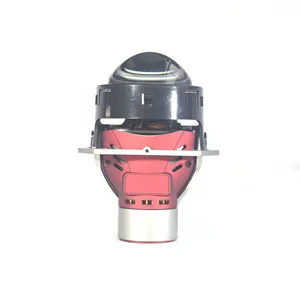
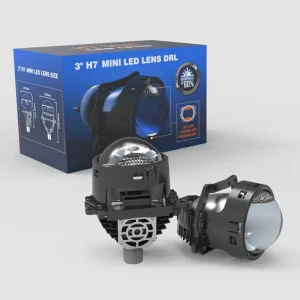
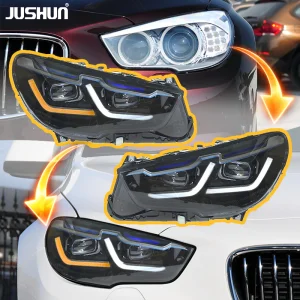
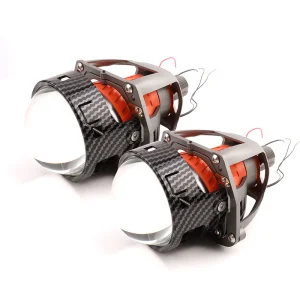
Upgrading older vehicle fleets with smart AFS and ADB kits like our 3-inch Bi-Xenon LED Projectors to meet modern safety expectations.
Integrating 77GHz Long Range Radars with lighting systems to reduce nighttime collision rates for logistics and commercial transport.
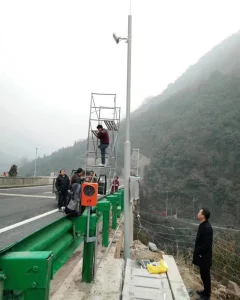
Extending adaptive technology to street lighting with IoT sensors for energy-efficient, safer urban driving environments.
 DERT Lighting