Precision engineered hardware components, high-speed automated production inspection machinery, and bespoke prototype milling services.
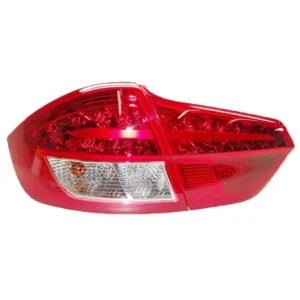
Established in 2012, Ningbo DERT Lighting Co., Ltd. is a distinguished, professional manufacturer specializing in state-of-the-art automotive lighting systems, high-efficiency LED headlights, and holistic vehicle lighting solutions designed for the global automotive aftermarket and prestigious OEM entities.
Strategically located in Ningbo, Zhejiang Province, China, the company operates a highly modernized and ISO 9001-certified production facility spanning approximately 18,000 square meters. DERT Lighting proudly coordinates more than 320 highly skilled professionals spanning advanced optical engineering, automated assembly line manufacturing, rigorous quality assurance, dynamic Research and Development (R&D), and specialized international export sales divisions.
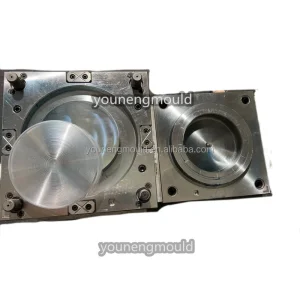
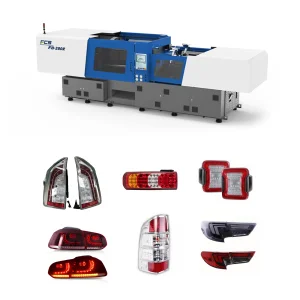
Our multi-disciplinary operations are optimized for rapid evolution. Backed by extensive optical design tools, custom thermal-simulation software, and advanced PLC-driven automation, our team can take complex designs from concept to multi-cavity injection molding (such as utilizing our 280-ton two-color injection systems) while preserving high tolerances and extreme longevity standards.
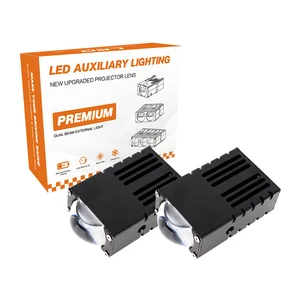
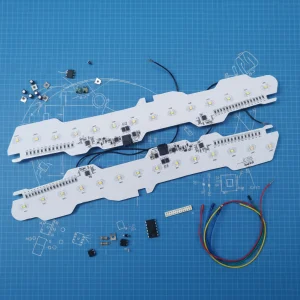
Synergizing advanced thermal dissipation designs, integrated PCB assemblies, and solid-state LED projection housings.
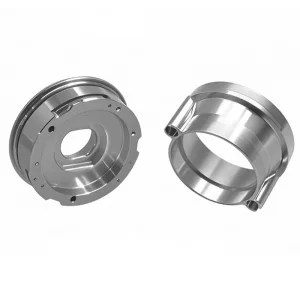
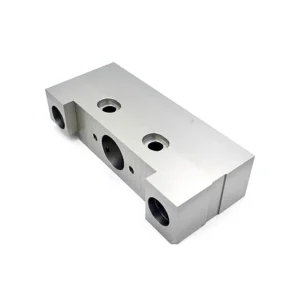
High-tolerance CNC machining of PMMA prototypes with exact precision down to 0.01-0.05mm, avoiding dimensional variations.
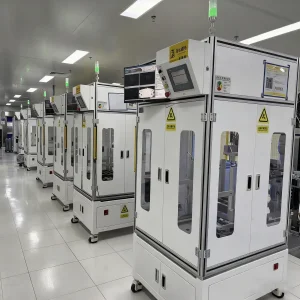
Uncompromising inspection loops from spectral analysis to 24-hour continuous burn-in tests under severe thermal ranges.
As a hub for precision optical manufacturing, Ningbo offers unparalleled logistical benefits, integrated raw material chains, and state-of-the-art tooling advantages that elevate quality while reducing manufacturing lead times.
By operating directly within the Ningbo industrial zone, we capitalize on immediate proximity to top-tier semiconductor packaging mills, raw PMMA/PC polymer suppliers, and high-purity aluminum extrusion plants. This localization mitigates global lead-time exposure and stabilizes pricing structures.
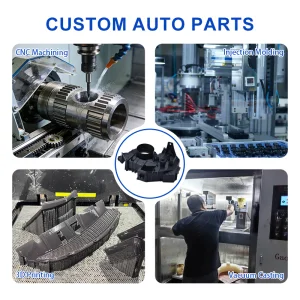
Utilizing CNC machining centers alongside advanced multi-shot injection molds allows DERT to craft micro-prismatic light guides and complex headlight housings with zero internal draft deviations. Our PMMA rapid prototype milling ensures zero deviation from CAD specifications.
While Western facilities maintain lengthy engineering loops, our integrated R&D team can optimize, simulate (using advanced fluid thermal analysis), prototype, and deploy custom PCB driver assemblies and optical units within weeks instead of quarters, preserving critical speed-to-market advantages.
As optical technology shifts toward active intelligence and integrated electronics, several macro industry trends govern current vehicle architecture engineering:
Traditional static low and high beams are being replaced by matrix-array structures. Utilizing sophisticated drivers and vision sensor input, ADB dynamically dims individual LED pixels to eliminate oncoming vehicle glare while maintaining full light distribution across the rest of the visual field.
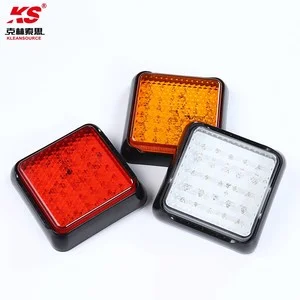
The demand for multi-color light elements in a single physical unit has driven the need for advanced 280-ton multi-color co-injection technologies. These allow the molding of red, amber, and clear PMMA/polycarbonate elements simultaneously, minimizing leak vulnerabilities and structural failures.
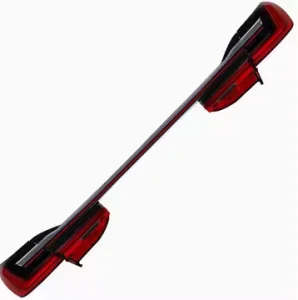
As Electric Vehicles (EVs) replace mechanical radiators with aerodynamic grilles, the front fascia becomes an interactive canvas. Slim tri-color LED projector guides, dynamic branding emblems, and ambient light lanes are increasingly integrated directly into the front structure of the automobile.
Procuring automotive lighting systems across international borders requires navigating a complex matrix of regulatory, safety, and logistical mandates. Major OEMs and tier-1 aftermarket distributors require strict compliance to secure cross-border validity.
ECE and DOT Certification Frameworks: Light distribution parameters must perfectly match regional configurations. For instance, US DOT-compliant configurations must abide by FMVSS 108 parameters, whereas ECE components require precise cutoff lines to prevent driver glare across European roadways.
Environmental Integrity (IP68 & IP69K): Automotive headlamps are consistently subjected to road dust, high-pressure washing systems, and extreme thermal cycling. Real-world structural design demands the integration of breathable gore membranes and dual-shot elastomer sealings to eliminate lens condensation.
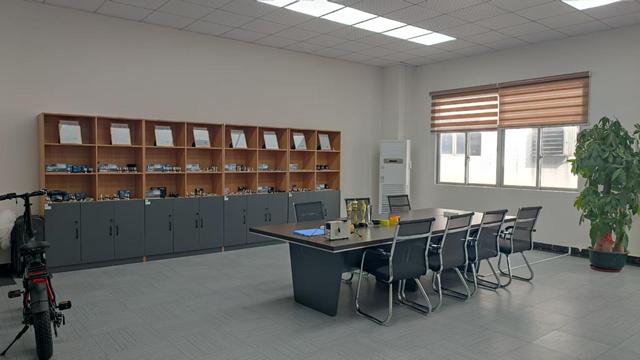
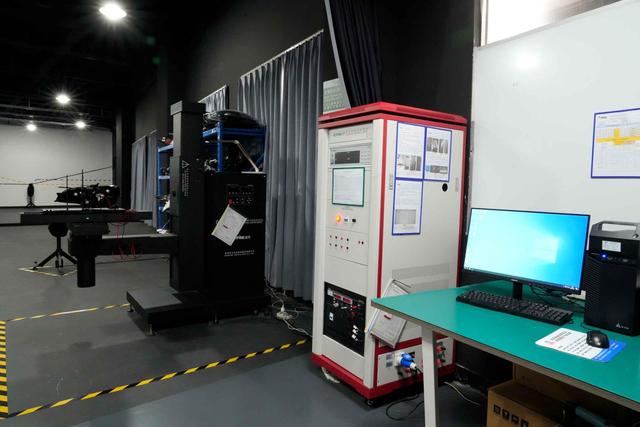
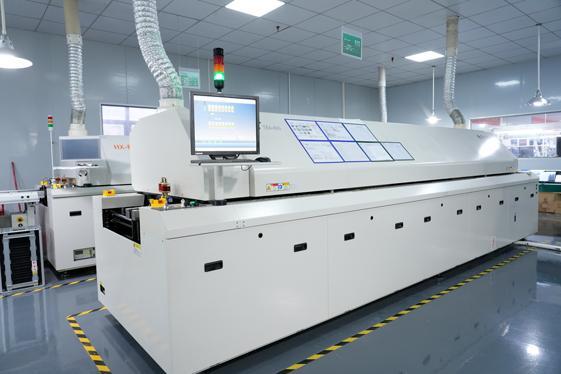
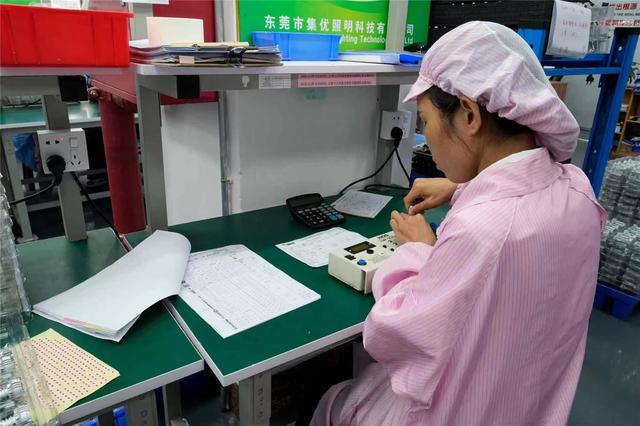
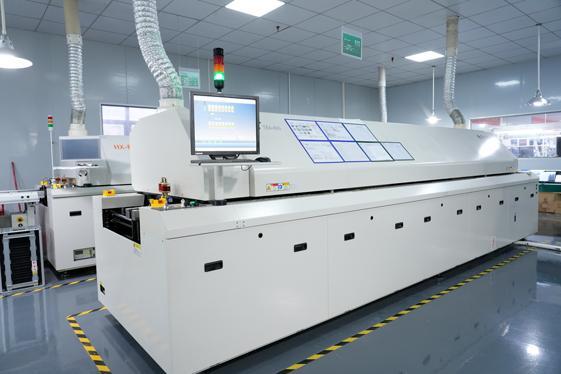
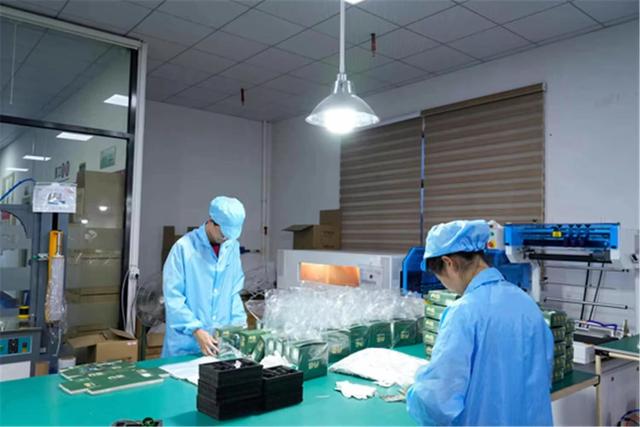
In-situ physical documentation detailing our heavy injection setups, optical cleanrooms, high-tolerance tooling centers, and electronic driver line validations.
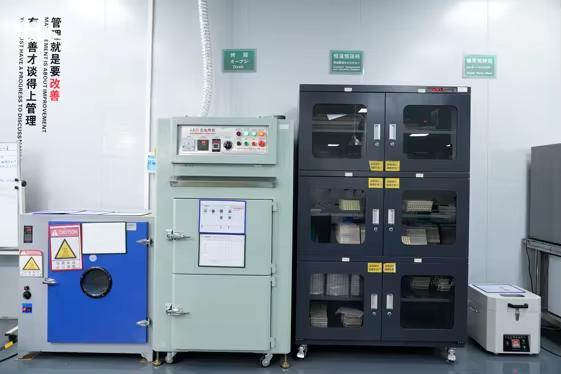
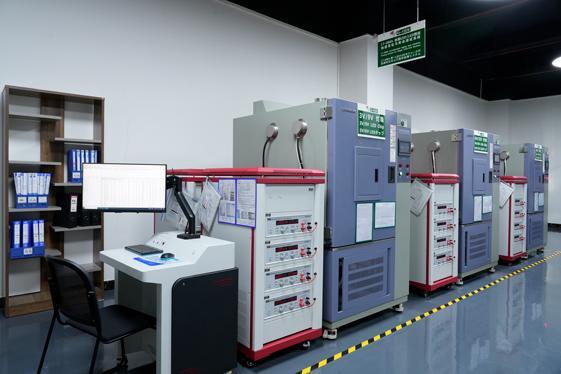
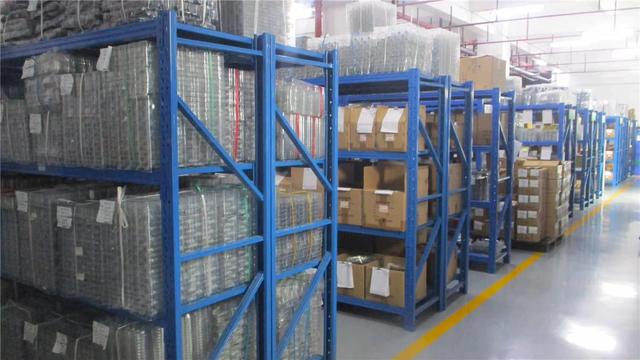
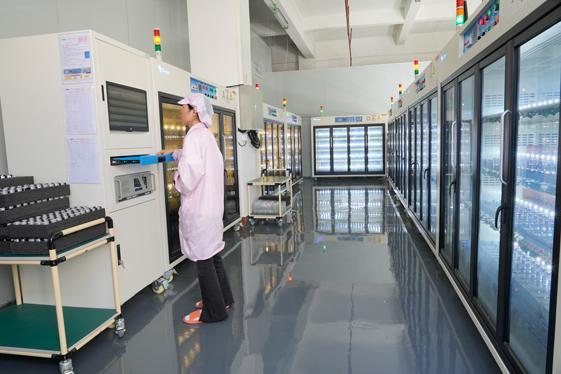
Direct engineering answers regarding sourcing pipelines, technical limits, custom manufacturing and quality controls.
For the North American market, headlamps must conform to Federal Motor Vehicle Safety Standard 108 (FMVSS 108) and bear the DOT marking. Self-certification must be backed by laboratory photometric test reports. For the European Union, products must undergo physical testing and type-approval to receive the dynamic E-Mark (ECE Regulations, such as R112, R149, or R10 for electromagnetic compatibility).
Thermal dissipation is handled through a three-layer systemic approach: utilizing premium high-thermal conductivity copper metal-clad PCBs, calculating thermal dynamics via flow simulation tools, and incorporating dual-ball bearing active cooling fans or high-density die-cast aluminum passive heat sinks to keep junction temperatures below critical limits, preventing early lumen decay.
Our highly calibrated multi-axis CNC milling centers can achieve prototype dimensional tolerances ranging from 0.01mm to 0.05mm. This level of extreme accuracy is crucial for optical light guides and outer lens mockups to prevent unwanted chromatic aberration or focus shift during initial vehicle test assemblies.
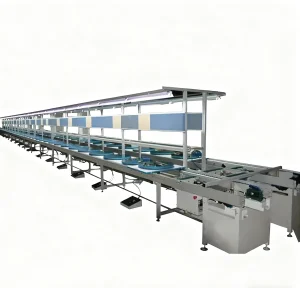
Our custom-built, PLC-driven automatic assembly systems achieve high efficiency with an output time of only 30 seconds per unit. Integrating high-accuracy CCD vision camera verification loops, automated fluid sealant dispensers, and immediate pressure decay testing setups guarantees absolute product sealing consistency and limits human error factors.
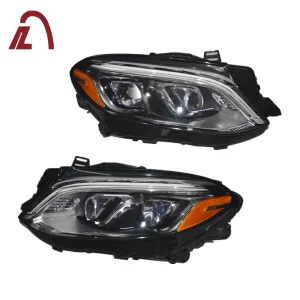
High-power retrofits, dedicated driver board PCBAs, and heavy molding solutions designed to meet dynamic customer specifications.
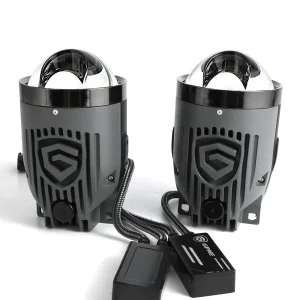
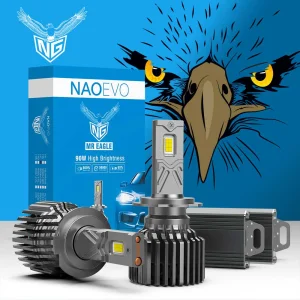
 DERT Lighting