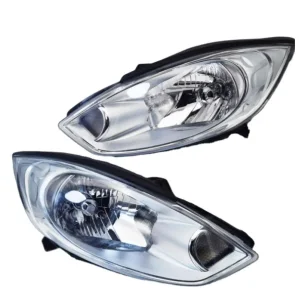
The global automotive sector is undergoing a profound structural transition. Beyond electrification and autonomous driving systems, intelligent lighting technologies are rewriting the design rules for modern vehicles. Headlights have evolved from passive, driver-operated safety equipment into active, adaptive communication portals. Today's smart headlight systems integrate micro-LED matrices, digital micromirror devices (DMD), radar/LiDAR telemetry, and edge-computing algorithms to execute high-fidelity beam shaping and spatial illumination.
As a leading player in the international supply chain, Ningbo DERT Lighting Co., Ltd. has stood at the vanguard of this engineering shift since 2012. Our product architectures—ranging from app-controlled tri-color temperature systems to integrated matrix arrays—provide global distributors, OEM partners, and aftermarket customizers with the exact optical components needed to navigate this transition. Modern road safety mandates, such as the legal approval of Adaptive Driving Beam (ADB) systems in the United States and the tightening of UNECE standards in Europe, demand automotive lighting systems that do more than output raw luminous flux. They require precision thermal management, electromagnetic compatibility, and real-time electronic controls.
The worldwide market for automotive lighting was valued at approximately USD 32.5 billion in 2023, with the smart headlight segment representing the fastest-growing sub-sector, projected to expand at a compound annual growth rate (CAGR) of over 9.5% through 2030. The rapid commercialization of Advanced Driver Assistance Systems (ADAS) is the primary driver of this growth. High-speed highways, mountainous topography, and variable weather conditions dictate that headlight behaviors adjust dynamically based on vehicular yaw, velocity, and oncoming traffic footprints.
From an industrial perspective, Europe and North America remain the largest commercial consumers of high-end ADB and matrix lighting systems. However, the Asia-Pacific region, spearheaded by rapid developments in China's electric vehicle (EV) sector, is leading the integration of cost-efficient, high-power smart LED systems. Manufacturers and exporters who can balance premium optical design with flexible electronic control systems (like IoT app dimming and multi-temperature switching chips) are gaining substantial market share. As commercial fleets look to optimize nocturnal runtime and reduce insurance liabilities, retrofitting heavy-duty trucks and utility vehicles with intelligent auto-dimming headlights has transitioned from a custom option to an industrial necessity.
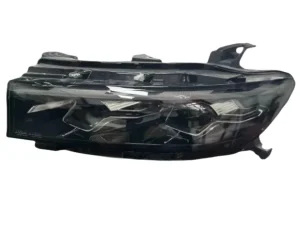
Utilizing matrix arrays linked directly to vehicular camera suites, ADB systems dynamically mask out oncoming vehicles to prevent glare while maintaining high-beam illumination across the rest of the road, boosting nocturnal safety margins.
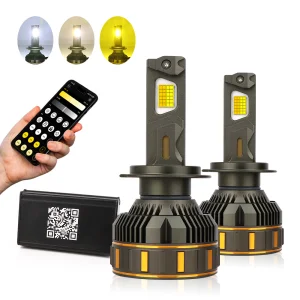
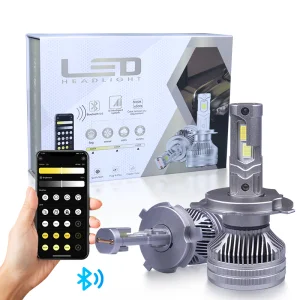
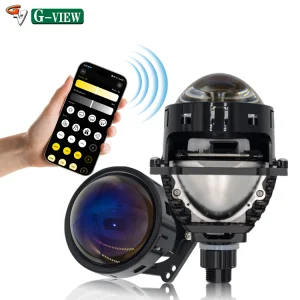
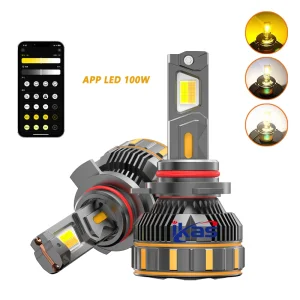
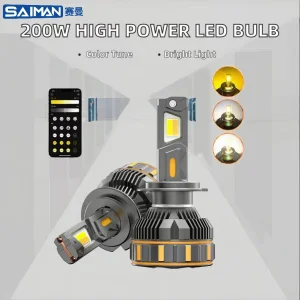
Modern headlight installations integrate Bluetooth, Wi-Fi, and localized app configurations. Drivers and fleet managers can alter color temperatures dynamically (e.g., switching to 3000K amber during heavy fog or 6000K crisp white on dry highways) to match atmospheric needs.
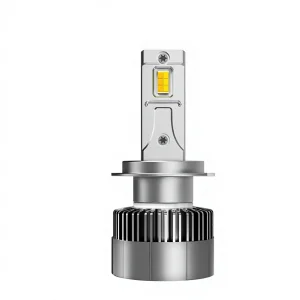
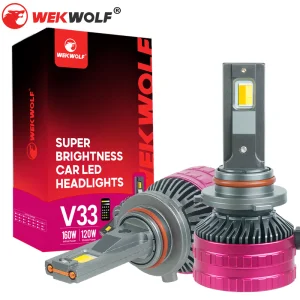
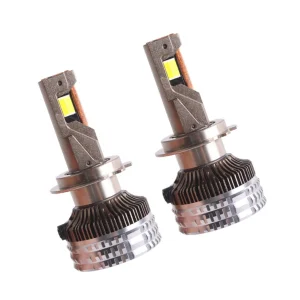
As wattage density scales (e.g., 100W to 200W designs), heat dissipation becomes critical. Incorporating liquid-cooled copper pipes, high-speed double ball-bearing fans, and thermal-throttling micro-controllers preserves LED longevity beyond 50,000 operational hours.
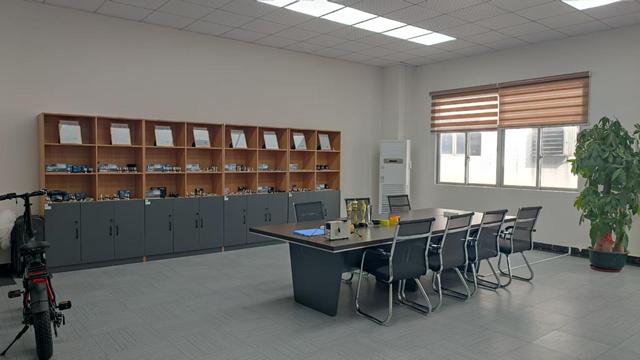
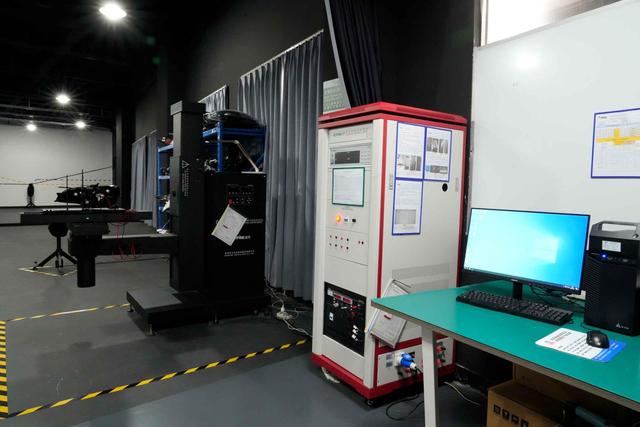
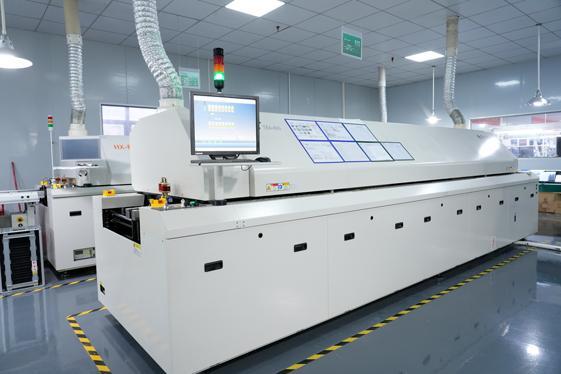
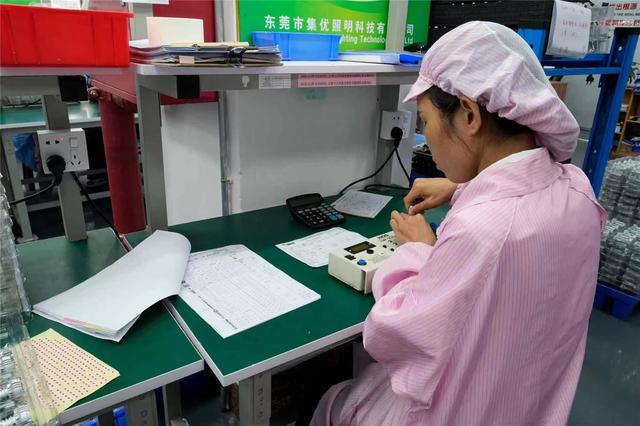
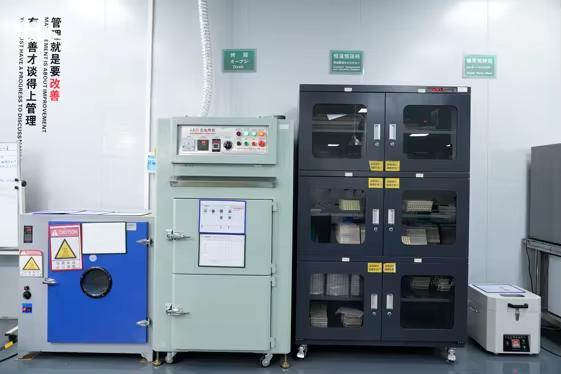
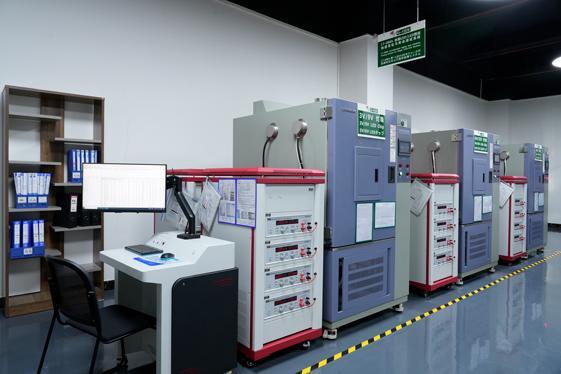
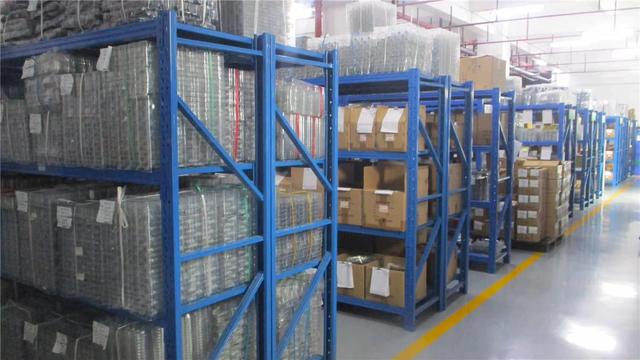
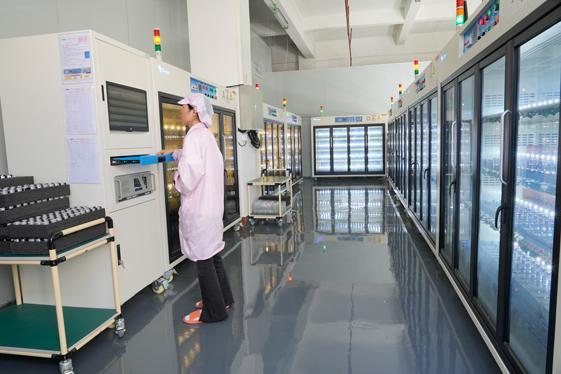
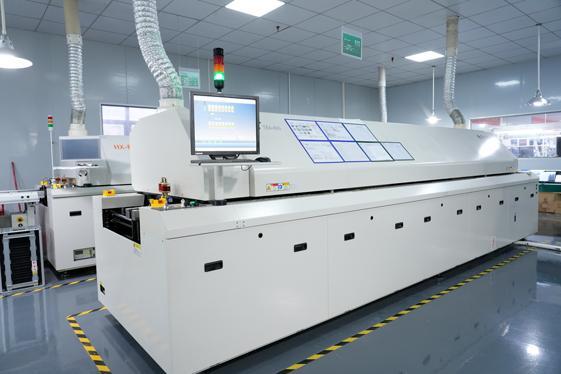
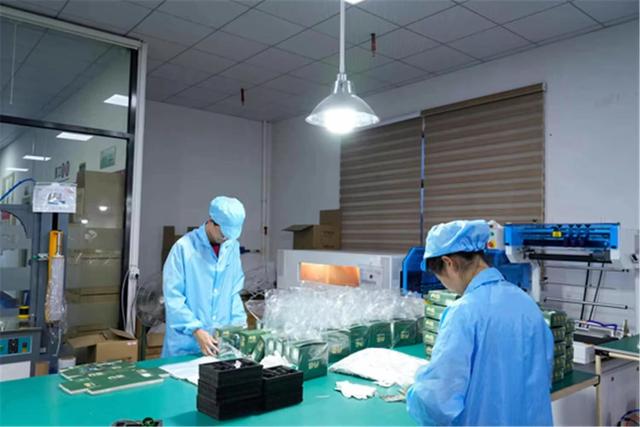
Supported by our specialized design, manufacturing, and international sales framework, our industrial facility in Zhejiang, China, handles advanced automotive optical prototyping, electronic driver circuitry assembly, and complete quality assurance verification under international quality protocols.
The trajectory of smart lighting leads to total synchronization with external computing environments. Future architectures will rely heavily on Micro-LED arrays containing over 20,000 individually controlled pixels. These resolutions enable projection-based communications directly on the asphalt, such as pedestrian crossing indicators, speed limits, and construction lane guidelines.
Furthermore, V2X (Vehicle-to-Everything) networks will allow headlights to receive real-time updates from smart city infrastructure. For instance, before a car rounds a blind curve, the headlight can pre-adjust its direction and intensity to illuminate potential hazards flagged by off-board municipal sensors. In parallel, laser-diode systems are transitioning from high-end premium flagships to mainstream commercial tiers, offering illumination ranges exceeding 600 meters without increasing active chassis space or electrical drain.
No single automotive lighting setup fits all markets. Factors like regional climates, road infrastructure quality, and vehicle demographics require highly targeted technological solutions:
Established in 2012, Ningbo DERT Lighting Co., Ltd. is a professional manufacturer specializing in automotive lighting systems, LED headlights, and vehicle lighting solutions for global automotive aftermarket and OEM customers. Located in Ningbo, Zhejiang Province, China, the company operates a modern production facility covering approximately 18,000 square meters and employs more than 320 skilled professionals across engineering, manufacturing, quality assurance, research and development, and international sales departments.
DERT Lighting focuses on the design, development, and production of automotive lighting products, including LED headlight systems, vehicle lighting assemblies, signal lighting solutions, commercial vehicle lighting products, off-road lighting systems, and customized automotive illumination technologies. The company serves automotive brands, distributors, wholesalers, importers, fleet operators, and aftermarket suppliers across international markets.
Supported by an experienced engineering team, DERT Lighting continuously invests in product innovation, optical design, thermal management technologies, electronic control systems, and manufacturing automation. The company integrates advanced production equipment, automated assembly lines, precision testing instruments, and standardized manufacturing processes to support consistent product quality and production efficiency.
Quality management is implemented throughout every stage of production, from raw material sourcing and component inspection to assembly, performance testing, durability evaluation, and final quality verification. The company strives to manufacture automotive lighting products that meet the performance, reliability, and regulatory requirements of diverse international markets.
In addition to standard product manufacturing, DERT Lighting provides comprehensive OEM and ODM services, including product development, branding support, customized specifications, packaging solutions, and private-label manufacturing programs. Flexible production capabilities allow the company to support both emerging automotive brands and established industry partners. Today, Ningbo DERT Lighting Co., Ltd. exports products to North America, Europe, South America, Southeast Asia, the Middle East, and other global regions, delivering reliable automotive lighting solutions for a rapidly evolving mobility market.
Traditional LED headlights output a static beam at a single color temperature and direction. Smart headlights integrate microcontrollers, sensor nodes, and communication interfaces. This allows them to process input from mobile apps, vehicular cameras, and ADAS modules to automatically dim specific pixels (Adaptive Driving Beam), shift color temperatures (from 3000K to 6000K), adjust angles based on steering yaw, and self-regulate heat generation.
Different atmospheric conditions scatter light in different ways. Clean, dry asphalt is best illuminated by high-intensity white light (6000K), maximizing visibility and reducing eye fatigue. Conversely, heavy rain, mist, and snow reflect shortwave blue light, causing glare. Shifting to amber light (3000K) cuts through airborne moisture, dramatically improving safety in harsh weather conditions.
To enter major global markets legally, automotive lighting must comply with specific standards. In the United States, headlights must adhere to FMVSS 108 (which now accommodates Adaptive Driving Beam setups). In Europe, UNECE Regulations 48 and 123 dictate requirements for smart lighting and matrix headlight designs. Quality exporters verify this compliance through ISO9001/IATF 16949 production systems, CE markers, and E-mark certifications.
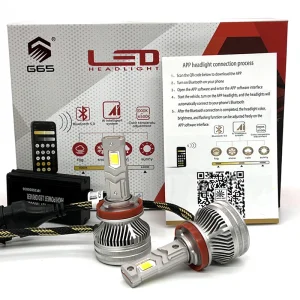
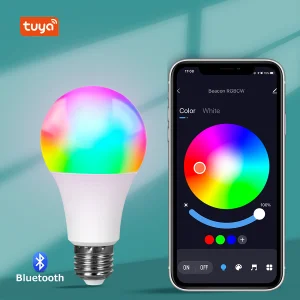
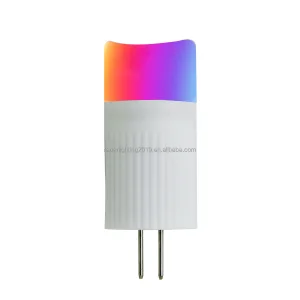
Advanced smart bulbs integrate low-power Bluetooth (BLE) or Wi-Fi microchips directly onto the driver assembly. By linking these bulbs to a mobile app or a smart dashboard (compatible with platforms like Alexa and Google Assistant), users can modify RGBW accents, run diagnostics, change color profiles, and adjust output intensity without altering the vehicle's complex onboard computer wiring.
As LED wattage increases, junction temperatures rise. Without adequate heat dissipation, diodes degrade quickly. Quality smart headlights utilize active cooling mechanisms—including copper substrate cores, liquid-filled vapor tubes, and dual-bearing internal fans running at upwards of 12,000 RPM. Additionally, smart driver circuitry monitors temperature spikes and dynamically throttles wattage to prevent component damage.
 DERT Lighting