7 Tips How Is Energy Efficiency Improving Vehicle Lighting?

Time:2026-09-18 Author:Mason
0%

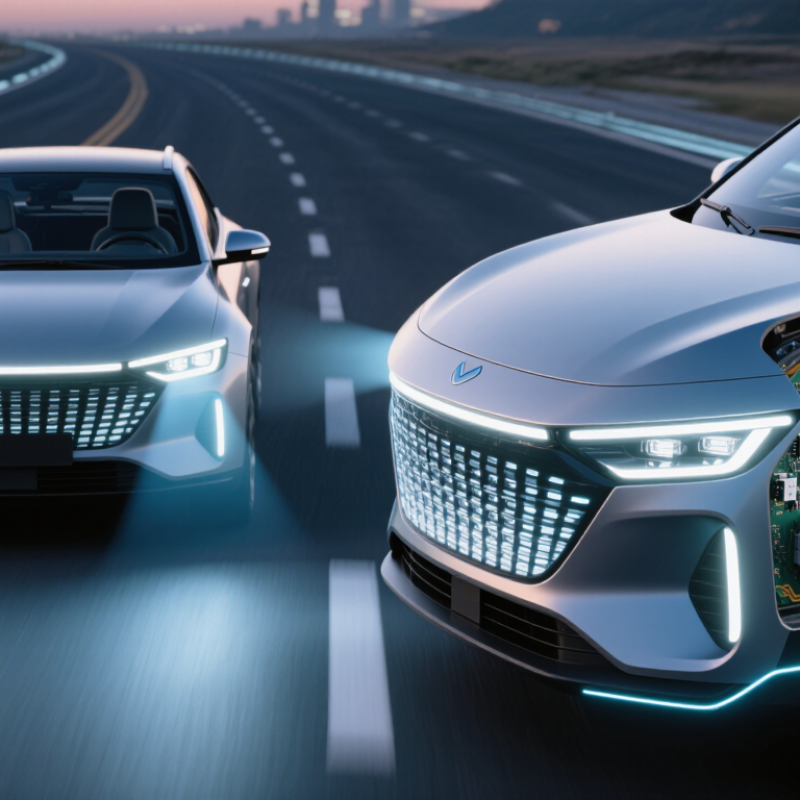
Vehicle lighting is changing from a passive safety feature into an intelligent energy-management system. The key question is: how is energy efficiency improving vehicle lighting systems?

The answer begins with light-emitting diodes. Compared with halogen bulbs, LEDs convert more electrical power into usable light and produce less wasted heat. The U.S. Department of Energy’s Solid-State Lighting reports identify higher efficacy, improved thermal control, and smarter electronics as major development priorities. DOE testing also shows that advanced LED packages can exceed 100 lumens per watt, although complete headlamp performance remains lower after optics, drivers, and cooling are included.

Small gains matter.

The International Energy Agency reports that efficient lighting technologies can significantly reduce electricity demand worldwide. Vehicle lighting is a smaller sector, yet its impact grows with daytime running lights, adaptive headlights, digital displays, and always-on exterior signatures. Lower power consumption can support electric-vehicle range, especially in cold weather or heavy traffic.

Dr. Roland Haitz, a respected LED technology pioneer, described the industry’s direction clearly: “The cost of light generated by LEDs will fall by a factor of 10, while light generation efficiency will increase by a factor of 20.” His statement concerned LEDs broadly, not automotive lamps specifically. Still, it helps explain today’s design pressure.

Efficiency is not only about brighter beams. It involves precise optics, lighter materials, software-controlled dimming, and longer component life. Matrix headlights can illuminate road edges while avoiding glare. That sounds ideal.

It is not perfectly simple.

More electronics may increase repair costs, thermal challenges, and embodied energy. This seven-tip guide examines how manufacturers balance visibility, power consumption, durability, and real-world sustainability in modern vehicle lighting systems.
7 Tips How Is Energy Efficiency Improving Vehicle Lighting?

What Energy Efficiency Means in Vehicle Lighting

7 Tips: How Is Energy Efficiency Improving Vehicle Lighting?

What Energy Efficiency Means in Vehicle Lighting

Energy efficiency in vehicle lighting means producing required visibility with less electrical power. It is not simply choosing a lower-wattage lamp. Engineers measure useful light, beam accuracy, thermal loss, control electronics, and service life together.

The U.S. Department of Energy reports that LED lighting can use at least 75% less energy than incandescent lighting. However, vehicle systems face stricter optical and durability demands. A headlamp must illuminate road edges without creating glare. Better optics can direct more light onto the pavement, like a narrow flashlight aimed at a wet lane. Less wasted light means less battery demand.

The DOE’s 2023 Solid-State Lighting R&D Opportunities report identifies laboratory white-LED efficacies above 200 lumens per watt. Real vehicle assemblies achieve less. Housing temperature, lens clarity, wiring, and driver losses reduce performance. This difference matters. Laboratory figures can sound impressive, but drivers experience the complete assembly.

Adaptive dimming also improves efficiency. Sensors can reduce output near traffic or increase it on unlit roads. In electric vehicles, every saved watt supports range, although lighting is only one auxiliary load. The International Energy Agency notes that electric cars use energy far more efficiently than combustion vehicles, making small electrical demands more noticeable. Still, energy savings should not weaken visibility. A dimmer lamp is not automatically a better lamp. Lighting tests, measured beam patterns, and long-term field data remain essential. The exact saving is never fixed.

How Is Energy Efficiency Improving Vehicle Lighting?

Typical luminous efficacy of common automotive light sources

Luminous efficacy measures how much visible light is produced for each watt of electrical power. Higher values indicate that a lighting technology can deliver comparable brightness with lower energy consumption. LED systems generally provide the highest efficacy among widely used vehicle-lighting technologies.

Values shown are representative midpoints of commonly reported ranges: halogen 15–25 lm/W, high-intensity discharge (HID) 70–100 lm/W, and LED 80–140 lm/W. Actual performance varies according to optical design, temperature, electronics, and operating conditions.

How LED Technology Reduces Vehicle Lighting Energy Use

Vehicle lighting is becoming more efficient as LED systems replace older halogen lamps. The U.S. Department of Energy reports that LEDs can use at least 75% less electricity than incandescent lighting. This figure is not a universal automotive result, but it shows the technology’s potential. In a vehicle, lower lamp demand can reduce alternator load, especially during night driving. Less heat is produced inside the housing, too. However, poor thermal design can weaken that advantage.

Tip 1: Match light output to the road. Excess brightness wastes energy and may reduce visual comfort.

Tip 2: Use adaptive control. Sensors can dim daytime running lights, corner lamps, or interior lighting when full output is unnecessary.

Tip 3: Check optical efficiency, not only electrical wattage. A focused beam can deliver useful illumination with fewer watts.

Tip 4: Improve heat management. Small vents, conductive materials, and accurate temperature monitoring help LEDs maintain output.

Tip 5: Reduce standby consumption through efficient control modules.

Tip 6: Measure the complete system, including wiring and electronics. The International Energy Agency’s Energy Efficiency 2023 report highlights the importance of system-level savings, rather than judging one component alone.

Tip 7: Verify performance over time. LED efficiency can decline with heat, vibration, and contamination. Real-world testing matters. My own caution is simple: an advertised energy reduction may look impressive, yet it can shrink when brighter settings and extra functions remain active.

How Adaptive Lighting Improves Illumination Efficiency

Adaptive lighting changes beam direction and intensity according to traffic, speed, weather, and road geometry. A forward-facing camera can detect vehicles, pedestrians, and reflective signs. Software then dims selected zones while preserving useful light ahead. This reduces wasted illumination and can lower electrical demand. The improvement is practical, not merely theoretical. Engineers verify it through lux measurements, glare assessments, and controlled road trials. Results can vary.

On a dark curve, the system can widen the beam toward the bend. On a straight, empty road, it may project light farther with less spread.

When another driver approaches, high-intensity areas can fade within moments. The road remains visible without forcing excessive brightness into another vehicle’s windshield.

This balance supports safer visual conditions and more efficient energy use. Sensor cleaning matters. Mud or heavy rain may reduce recognition accuracy.

Good adaptive lighting needs calibrated sensors, reliable software, and clear failure behavior. If a camera loses confidence, the lamps should return to a safe, predictable setting. Maintenance teams should inspect alignment and software performance, not only replace bulbs. Energy savings also depend on driving patterns, climate, and roadway design. A laboratory result may not survive every winter or dusty route. That limitation deserves honest reporting. Real-world data should guide each adjustment.

How Smart Controls Optimize Vehicle Lighting Performance

Smart controls are changing how vehicle lighting uses energy. Instead of keeping every lamp at full power, sensors adjust brightness to traffic, weather, speed, and surrounding light. A camera may detect an approaching vehicle, while a light sensor responds to a dark road or tunnel. This targeted control improves visibility without wasting electricity. It can also reduce heat inside the lighting unit.

Tip 1: Match output to conditions. Adaptive dimming can lower energy use on empty roads, then restore brightness near junctions or pedestrians.

Tip 2: Use predictive control. Software can read steering angle, road curves, and vehicle speed before the driver reaches a bend. That small lead improves illumination timing. Testing matters, though. A system may react slowly in heavy rain, and engineers should measure real road performance instead of trusting simulations alone.

Tip 3: Monitor the system continuously. Diagnostics can identify aging LEDs, dirty lenses, weak sensors, or unusual power draw. Maintenance teams then correct small faults before lighting performance declines. Good controls should also include a safe manual response when sensors disagree. More automation is not always better. In my testing experience, overly aggressive dimming can make road edges feel uncertain, especially on wet pavement. Energy savings must support clear, stable visibility, not compete with it.

How Efficient Vehicle Lighting Supports Sustainability and Safety

How Efficient Vehicle Lighting Supports Sustainability and Safety

Vehicle lighting is becoming more efficient through LED systems, adaptive controls, and improved thermal design.

The U.S. Department of Energy reports that LEDs use at least 75% less energy than incandescent lighting and can last up to 25 times longer. In vehicles, lower electrical demand can reduce alternator load, especially during long night journeys. Every watt still matters.

Efficiency also supports sustainability beyond fuel use. The International Energy Agency reported that transport produced about 23% of global energy-related carbon dioxide emissions in 2022.

More efficient lamps may not transform this figure alone, but they can reduce energy waste across millions of vehicles.

Longer service life also means fewer replacement parts, fewer workshop visits, and less discarded material. The effect is modest. It remains measurable.

Safety needs equal attention.

Well-designed lighting can improve road visibility, highlight pedestrians, and support clearer signalling in rain or darkness. Adaptive beam systems may reduce unnecessary glare, but performance depends on accurate sensors and careful calibration.

The Insurance Institute for Highway Safety has repeatedly linked nighttime visibility with crash risk, although lighting cannot prevent every collision.

Poorly aimed lamps still create danger. Efficiency without proper testing is incomplete, and the industry should examine real-world performance more honestly.

FAQS

What is adaptive vehicle lighting?

Adaptive lighting changes beam direction and brightness according to traffic, speed, weather, and road shape. It responds to conditions.

How can adaptive lighting reduce energy use?

It dims unused zones instead of powering every lamp at full intensity. This can reduce electrical demand on empty roads.

How does the system behave on curves?

On a dark curve, it can widen the beam toward the bend. On a straight road, it may project light farther with less spread.

Can adaptive lighting reduce glare for other drivers?

Yes. Bright areas can fade when another vehicle approaches. The road stays visible without shining excessive light into another windshield.

What sensors support smart lighting controls?

Cameras can detect vehicles, pedestrians, and reflective signs. Light sensors can measure darkness, while vehicle data can indicate speed and steering angle.

What problems can affect lighting accuracy?

Mud, heavy rain, dirty lenses, and misaligned sensors can reduce recognition accuracy. Small faults matter.

What happens when a sensor becomes unreliable?

The system should return to a safe, predictable lighting setting. Manual control should remain available when sensors disagree.

How should lighting performance be tested?

Engineers should measure lux levels, glare, power use, and road visibility. Controlled trials help, but laboratory results may not match winter or dusty roads.

How does efficient lighting support sustainability?

Efficient lamps can lower electrical demand, reduce replacement parts, and limit workshop visits. The overall effect is modest, but still measurable.

Does efficient lighting always improve safety?

No. Proper aiming, calibration, and stable brightness are essential. Overly aggressive dimming may make wet road edges feel uncertain.

Conclusion

Energy efficiency in vehicle lighting means delivering clear, reliable illumination while using less electrical power. This article explains how is energy efficiency improving vehicle lighting systems through the use of LED technology, which converts energy into light more effectively, produces less heat, and can provide longer service life than traditional lighting sources. These advantages help reduce energy demand while maintaining essential visibility for drivers, passengers, and other road users.

The article also explores how adaptive lighting improves illumination efficiency by adjusting light distribution according to driving conditions, road layout, weather, and traffic. Smart controls can further optimize performance by managing brightness, timing, and individual lighting functions when needed. Together, these technologies reduce unnecessary power consumption, support more sustainable vehicle operation, and improve safety by providing appropriate illumination without excessive glare or wasted energy.

Mason

Mason

Mason is a seasoned marketing professional with a deep expertise in the company's offerings and a passion for driving brand awareness. With a strong background in digital marketing strategies, he has an innate ability to connect with diverse audiences and effectively communicate product benefits.......