Automotive lighting plays a crucial role in enhancing driving safety. It is not just about visibility; it's about preventing accidents and saving lives. When drivers can see clearly, they make better decisions on the road. The question arises: how does automotive lighting improve driving safety?
Modern vehicle lights, such as LED headlights, provide brighter illumination. This allows drivers to spot potential hazards sooner. Well-lit roads reduce the chances of collisions, especially at night. Additionally, rear lights and turn signals communicate intentions to other drivers. This fosters a safer driving environment.
However, lighting is not flawless. There are cases of glare that can blind oncoming drivers. Some headlights may also be misaligned, causing uneven lighting. These issues remind us that while automotive lighting is vital, it is not infallible. Regular maintenance and awareness are essential for maximizing safety benefits. As technology evolves, understanding how it influences our experiences on the road becomes imperative.
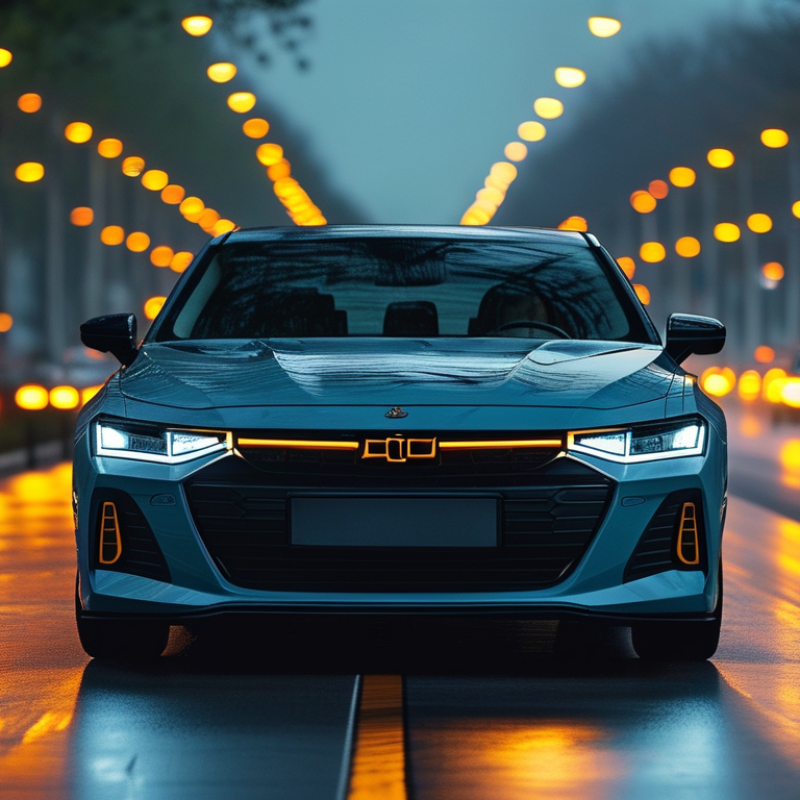
Night driving presents unique challenges. High-Intensity Discharge (HID) lights significantly improve visibility. They emit a bright, white light that is closer to daylight. This helps drivers see better in low-light conditions. Streets and road signs become easier to spot. Shadows and obstacles are more visible with such intense lighting.
HID lights are also energy-efficient. They consume less power than traditional halogen bulbs. This allows for longer use without draining the vehicle’s battery too quickly. Many drivers notice reduced eye strain while using HID lights. The clarity they provide can enhance reaction time. However, not everyone adjusts to bright lights well. Some people may find them blinding. It’s essential to consider both comfort and visibility.
Proper installation of HID lights is crucial for effectiveness. Incorrect angles can lead to glare for oncoming drivers. This can create hazardous situations. Some might overlook the importance of regular maintenance. Dirty lenses can diminish light output. Keeping lights clean and correctly aimed is vital. Ignoring this can compromise safety on the road.
Automotive lighting plays a crucial role in driving safety, particularly with the implementation of LED headlights. Research shows that over 30% of traffic accidents occur in low-light conditions. LED headlights significantly enhance visibility, providing a brighter and more focused beam. This improved illumination can help drivers see obstacles sooner, which is essential for preventing collisions.
A study by the National Highway Traffic Safety Administration reported that vehicles equipped with LED headlights experience 20% fewer accidents than those with conventional bulbs. This statistic highlights the importance of adopting modern lighting technologies. While LED headlights are effective, there remains room for improvement in their design and usage. Some drivers may not adjust their headlights properly, resulting in glare for oncoming traffic, which can undermine the safety benefits of these advancements.
Despite the advantages, not all LED systems are created equal. Quality variations exist among different manufacturers. Additionally, improper installation can cause improper alignment or insufficient brightness. There are ongoing discussions around how to standardize LED headlight designs for optimal performance. Addressing these concerns is vital for maximizing the safety benefits that LED technology can provide on the road.
Fog lights play a crucial role in enhancing driving safety during adverse weather conditions. When fog rolls in, visibility drops sharply, often to less than 100 feet. Standard headlights can reflect off the fog, creating a blinding effect. In contrast, fog lights are designed to emit a low, wide beam that cuts through the fog. This unique design allows drivers to see the road and surrounding areas more clearly.
Studies indicate that using fog lights can reduce the risk of accidents in foggy conditions. They illuminate the ground directly in front of the vehicle, helping drivers detect road hazards. It’s essential to use them correctly, as misuse can hinder visibility for other drivers. Moreover, some drivers may forget to turn off their fog lights when conditions improve, creating glare for others. This improper use emphasizes the need for awareness and proper training on their function.
Fog lights are not just tools; they signify the importance of responsible driving in challenging conditions. Drivers must remain vigilant and adjust their use according to the weather. Understanding and utilizing fog lights correctly could make a significant difference in driving safety. Balancing the benefits of visibility with responsible usage remains a challenge for many.
Adaptive headlight systems have revolutionized automotive safety by improving visibility under varying driving conditions. According to the National Highway Traffic Safety Administration (NHTSA), nearly half of all road fatalities occur in low-light conditions. Adaptive headlights adjust in response to the vehicle's speed and steering angle, illuminating curves and road changes more effectively. This dynamic lighting helps drivers see more than just straight ahead, crucial for recognizing potential hazards.
Research from the Insurance Institute for Highway Safety (IIHS) indicates that proper adaptive lighting can reduce nighttime crash rates by up to 20%. These systems can be particularly beneficial in rural areas where street lighting is limited. Furthermore, despite technological advancements, some drivers are not fully aware of how these systems function. Misunderstandings about their capabilities can lead to underuse or improper use, ultimately diminishing their safety benefits.
A common issue is that not all adaptive systems are created equal. Some may fail to perform optimally in specific weather conditions. Drivers often express confusion about when to rely on adaptive settings versus standard illumination. Enhancing user understanding and trust in these systems remains a challenge that manufacturers must address. Without proper education, the effectiveness of these innovations may not reach their full potential.
Daytime running lights (DRLs) play a pivotal role in enhancing road safety. Research indicates that vehicles equipped with DRLs can reduce collision rates by 7%. This statistic underscores their effectiveness in improving visibility during daylight hours. DRLs can make a significant difference, especially in low-light situations or adverse weather conditions.
Consider a scenario where a driver is merging into traffic. The bright glow of DRLs helps other drivers notice the approaching vehicle sooner. This increased visibility allows for better reaction times, potentially averting accidents. However, not all drivers utilize DRLs to their fullest potential. Some may forget to activate them or ignore their importance altogether.
There's also the concern about over-reliance on technology. While DRLs enhance safety, they cannot replace attentive driving. Drivers must remain vigilant, as lights alone will not prevent every accident. Awareness and adherence to other safety practices are crucial. Ultimately, while DRLs significantly contribute to safer driving, they should be just one aspect of a comprehensive road safety approach.
: HID lights improve visibility significantly. They emit a bright, white light that mimics daylight. Shadows and obstacles are easier to detect.
No, HID lights are energy-efficient. They use less power than halogen bulbs, allowing longer use without battery drain.
Incorrect installation can cause glare, endangering oncoming drivers. This highlights the importance of correct angles and maintenance.
LED headlights offer brighter beams. This enhanced illumination helps drivers see obstacles sooner, reducing the risk of collisions.
No, there is quality variation among manufacturers. Proper installation is also crucial for alignment and brightness effectiveness.
Fog lights emit a low, wide beam. They cut through fog, improving visibility significantly in low-visibility situations.
Yes, forgetting to turn off fog lights can cause glare for other drivers. Responsible use is essential for safety.
Regular maintenance is vital. Dirty lenses can reduce light output, compromising visibility and safety on the road.
Many drivers report less eye strain with HID lights. The clarity they provide can enhance overall driving comfort.
Drivers may not use fog lights correctly. This misuse emphasizes the need for awareness and understanding of their function.
Automotive lighting plays a crucial role in improving driving safety in various ways. High-Intensity Discharge (HID) lights significantly enhance visibility during night driving, allowing drivers to see further and react more promptly to hazards. Similarly, LED headlights are designed to provide greater illumination and can help reduce the likelihood of accidents by making vehicles more visible to other road users. Fog lights are also essential for safety in adverse weather conditions, as they help illuminate the road without causing glare, which can be critical in maintaining clear sight.
Adaptive headlight systems further enhance road awareness by adjusting the direction and intensity of the light based on the vehicle's speed and steering, allowing for better visibility around curves and corners. Additionally, the implementation of daytime running lights has been shown to reduce collision rates by 7%, proving their effectiveness in increasing vehicle visibility during daylight hours. Overall, understanding how does automotive lighting improve driving safety highlights its integral role in protecting drivers and reducing traffic incidents.

DERT Lighting