How Are Automotive Lighting Systems Manufactured in 2026?

Time:2026-06-19 Author:Mason
0%

As we advance into the automotive industry of 2026, understanding how automotive lighting systems are manufactured becomes increasingly vital. Dr. Emily Carter, a leading expert in automotive technology, states, "The evolution of lighting systems is pivotal to vehicle safety and innovation." This highlights the importance of these systems in the modern automotive landscape.

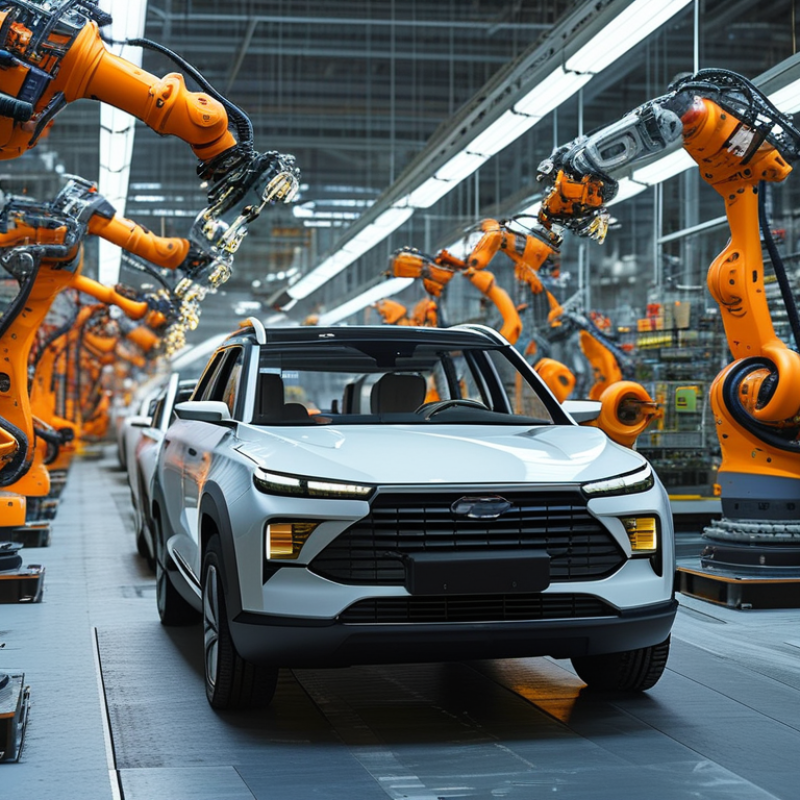
The manufacturing process of automotive lighting systems involves a blend of cutting-edge technology and traditional craftsmanship. Factories employ advanced robotics for precision, while skilled workers oversee quality. Each component, from LED chips to reflective housings, requires meticulous attention. The integration of smart features in lighting demands a deeper understanding of electronics and materials.

Despite the progress, challenges persist. The industry grapples with supply chain issues and sustainability concerns. How to efficiently produce systems that also minimize environmental impact poses a significant question. As manufacturers strive for innovation, they must also reflect on these pressing issues. The dynamics of how automotive lighting systems are manufactured continue to evolve, shaping the future of mobility.
How Are Automotive Lighting Systems Manufactured in 2026?

Current Trends in Automotive Lighting Technology for 2026

In 2026, automotive lighting technology is witnessing significant advancements. LED and laser lighting systems dominate the market. These technologies offer greater energy efficiency and enhanced visibility. They also enable creative design opportunities for manufacturers. Adaptive lighting systems are becoming increasingly common. They adjust automatically based on driving conditions, ensuring better safety.

Tips: Consider the benefits of adaptive lighting. It can reduce glare for oncoming traffic. Ensure your vehicle's lighting systems are regularly checked for optimal performance.

Progress in smart lighting is nothing short of impressive. Integrating sensors allows for real-time adjustments. This technology promises a more intuitive driving experience. However, manufacturers face challenges in balancing innovation and cost. Not every solution is foolproof.

Tips: Stay informed about the latest lighting technologies. Understanding these systems can help you make better choices when buying or upgrading your vehicle. It's crucial to think about future needs.

How Are Automotive Lighting Systems Manufactured in 2026? - Current Trends in Automotive Lighting Technology for 2026

Technology Key Features Benefits Challenges
LED Lighting High efficiency, longer lifespan Lower energy consumption, improved visibility Higher initial cost, heat management
Adaptive Lighting Automatically adjusts light beam Enhanced safety, better road illumination Complex system integration, calibration issues
Laser Lighting Highly focused beam, compact design Extended range, greater visibility Safety concerns, high cost
Matrix LED Technology Individual control of LEDs Dynamic lighting patterns, reduced glare Complex programming, higher costs
Ambient Lighting Interior illumination options Enhanced aesthetics, driver comfort Potential distractions, energy use

Key Components of Modern Automotive Lighting Systems

In 2026, automotive lighting systems have evolved significantly, focusing on efficiency and safety. Key components include LEDs, control units, and sensors. LEDs dominate the market, as they offer energy efficiency and long lifespan compared to traditional bulbs. According to a recent industry report, LED usage in automotive lighting is expected to exceed 80% by 2026.

Moreover, control units play a crucial role in managing these lighting systems. They allow for adaptive lighting features, enhancing visibility under different driving conditions. The global automotive lighting market is projected to grow to $42 billion by 2027, with smart lighting solutions driving this growth. Integrating sensors into lighting systems further adds to vehicle safety by facilitating automatic adjustments based on environmental conditions.

While the technology continues to advance, challenges remain. Designing systems that balance complexity and user-friendliness is difficult. Additionally, the cost of advanced materials can hinder widespread adoption. A focus on improving sustainability and recyclability in automotive lighting is essential. Bridging innovation with practicality will define the future of automotive lighting systems.

Manufacturing Processes Used in Automotive Lighting Production

The manufacturing of automotive lighting systems in 2026 involves several critical processes. Understanding these processes is essential for producing high-quality products. Injection molding stands out as a primary technique. This process forms the plastic components of lights with precision. Manufacturers can achieve intricate designs without compromising strength.

Another vital step is assembly. Here, different light elements, such as LEDs and circuits, come together. Automated systems often handle this process to ensure consistency. Manual assembly also plays a role, allowing for customization. Balancing efficiency with craftsmanship is crucial, yet the challenge remains.

Tips: Regular maintenance of machinery can reduce errors. Always review the assembly process for any potential flaws. Encourage teamwork to ensure quality control.

Quality testing forms the backbone of production. Each lighting unit undergoes stringent checks for durability and functionality. These tests reveal weak points in the design, helping manufacturers improve their processes. It's essential to embrace feedback and continuously refine techniques for better outcomes. Innovation in lighting technology also influences manufacturing. Keeping pace with trends is necessary while remaining flexible.

Automotive Lighting Systems Manufacturing Processes in 2026

The Role of Automation in Lighting System Manufacturing

The automotive lighting industry is rapidly evolving. In 2026, automation plays a crucial role in manufacturing lighting systems. Advanced robotics and AI technologies streamline production, enhancing precision and efficiency. A recent industry report indicates that automation can boost productivity by up to 30%. This shift is vital as the demand for innovative lighting solutions grows.

Automation not only increases speed but also reduces labor costs. However, challenges remain. Implementing automated systems requires significant initial investment. Many manufacturers struggle with the integration of technology and maintaining skilled labor. The human touch in quality control is still essential. As production scales, ensuring consistent quality is a concern.

The shift towards automation also raises questions about workforce implications. While jobs may decline in some areas, new roles may emerge in tech and maintenance. Balancing these changes is critical for the industry. Industry experts argue that embracing these technologies while addressing workforce challenges is necessary for future success. The path forward must consider both innovation and its human impact.

Sustainability Practices in Automotive Lighting Manufacturing for 2026

In 2026, automotive lighting manufacturing focuses heavily on sustainability practices. Many manufacturers are turning to eco-friendly materials, such as recycled plastics and bio-based composites. These materials reduce environmental impact and promote a circular economy. Companies are also investing in energy-efficient production processes. Switching to renewable energy sources helps lower carbon emissions during manufacturing.

Despite these advancements, challenges remain. Not all manufacturers have access to the latest sustainable technologies. Some may still rely on outdated practices, causing inconsistencies in environmental responsibility. Moreover, the shift towards sustainability can be costly. Smaller companies might struggle financially to adopt new methods. This can create a disparity in sustainability efforts across the industry.

Collaboration is key to overcoming these hurdles. Industry partnerships can foster innovation and share best practices. Workshops and training programs can help more manufacturers adopt sustainable practices. These initiatives can lead to improved overall industry standards. However, achieving true sustainability requires ongoing evaluation and commitment. The path forward is not straightforward, but the potential benefits are substantial.

FAQS

: What is the primary manufacturing technique used in automotive lighting production?

: Injection molding is the primary technique. It creates precise plastic components effectively.

How does assembly contribute to the lighting production process?

Assembly combines different light elements. Automation ensures consistency, but manual assembly allows customization.

Why is quality testing important in automotive lighting?

Quality testing checks durability and functionality. It helps identify weaknesses and improve future designs.

How does automation impact the manufacturing process?

Automation increases speed and precision. It can also reduce labor costs significantly.

What challenges come with implementing automation?

Initial investment can be high. Integrating technology and maintaining skilled workers is a common struggle.

How does automation affect job roles in the industry?

Some jobs may decline while new tech roles emerge. Balancing these changes is essential for future success.

How can manufacturers improve their assembly processes?

Regular machine maintenance reduces errors. Reviewing each step helps identify potential flaws.

What should manufacturers do to stay competitive?

They must embrace feedback and refine techniques. Keeping up with innovation trends is also crucial.

What is a key factor in maintaining quality control?

The human touch is still needed. A blend of automation and skilled oversight is important.

Why is it necessary to balance innovation with workforce impact?

Embracing technology must consider effects on labor. The industry should address challenges and support workers.

Conclusion

In 2026, the production of automotive lighting systems is shaped by several key trends and technologies. Current innovations focus on advanced LED and laser lighting, offering improved efficiency and adaptive capabilities. The key components of these systems include sophisticated control units, high-performance lenses, and smart sensors, all working together to enhance vehicle safety and aesthetics.

When exploring how automotive lighting systems are manufactured, it becomes clear that automation plays a crucial role. Automated processes enhance precision and speed, allowing manufacturers to meet the increasing demand for high-quality lighting solutions. Additionally, sustainability practices have gained prominence, with many producers adopting eco-friendly materials and energy-efficient processes to minimize their environmental impact in manufacturing. The integration of these elements illustrates a significant evolution in automotive lighting technology and production methods.

Mason

Mason

Mason is a seasoned marketing professional with a deep expertise in the company's offerings and a passion for driving brand awareness. With a strong background in digital marketing strategies, he has an innate ability to connect with diverse audiences and effectively communicate product benefits.......