In the ongoing debate about vehicle lighting, the question "are LED headlights better than traditional vehicle lighting" emerges frequently. Industry expert Dr. Sarah Williams, an automotive lighting specialist, asserts, “LEDs not only enhance visibility but also improve safety on the road.” This statement reflects a growing consensus in the automotive field regarding the benefits of LED technology.
LED headlights have several advantages over conventional halogen or xenon lights. They consume less energy, last longer, and provide brighter illumination. Drivers have reported clearer visibility during nighttime conditions. However, not all drivers may prefer LEDs due to their initial cost and potential glare issues. It’s essential to consider these factors when evaluating which lighting option is best.
Additionally, some argue that not every vehicle benefits equally from LED upgrades. Certain designs and color temperatures may not suit all situations. Therefore, the evaluation of "are LED headlights better than traditional vehicle lighting" is not straightforward. Each vehicle and driver has unique needs. Balancing these considerations leads to a more informed decision on lighting for your car.
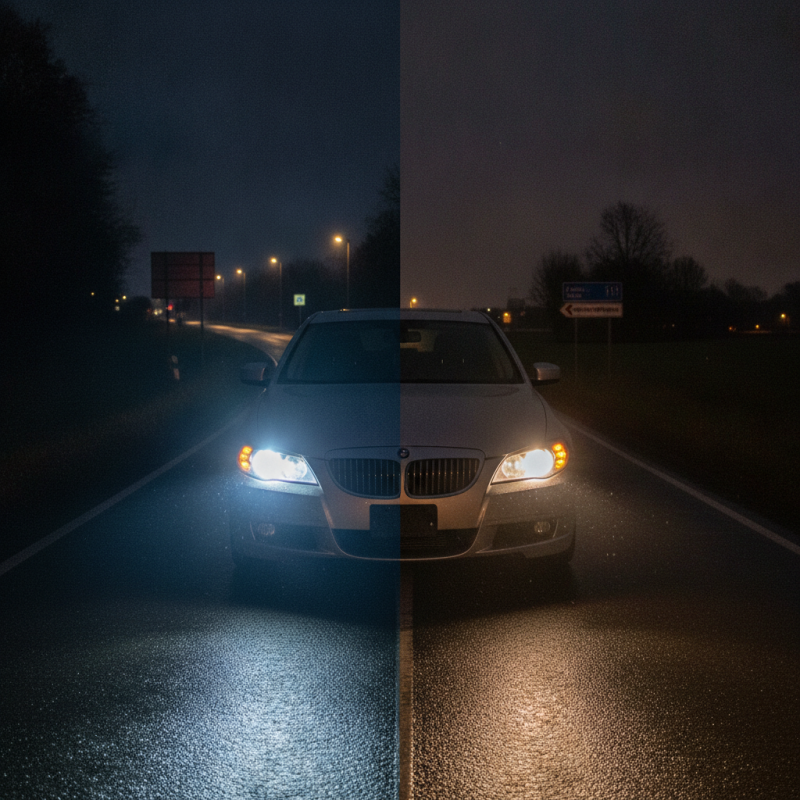
Understanding LED Headlights: Basics and Technology
LED headlights have gained popularity in recent years due to advancements in technology and efficiency. These lights utilize semiconductor technology to produce illumination. Compared to traditional halogen bulbs, LEDs consume up to 75% less energy. This efficiency translates into longer lifespans for LED lights, often exceeding 25,000 hours. In contrast, halogen lights may last only 1,000 hours.
The brightness of LED headlights is another notable feature. Studies have shown that they can produce a higher lumen output, enhancing nighttime visibility. Researchers have indicated that LEDs offer better color temperature, mimicking daylight more closely. This can reduce eye strain for drivers. However, the high initial cost of LED headlights remains a consideration for many users.
Tips: When upgrading, check compatibility with your vehicle's system. Look for reliable sources of information about installations. Some drivers have reported a “scatter” effect with poor-quality LEDs. Research is vital; choose LED options with good reviews. Additionally, ensure proper beam adjustment to avoid dazzling other drivers.
Comparing Energy Efficiency of LED vs. Traditional Lighting
LED headlights have gained popularity due to their energy efficiency compared to traditional lighting. According to the U.S. Department of Energy, LED lights use 75% less energy than incandescent bulbs. This significant reduction in energy consumption translates into lower electricity bills and decreased environmental impact. For instance, switching to LED headlights can save an average vehicle owner about $30 to $100 over the lifespan of the bulbs.
Interestingly, while LEDs have a higher upfront cost, their longevity often outweighs the initial investment. LEDs can last up to 25,000 hours, whereas halogen bulbs typically last only about 1,000 hours. However, not all LEDs are created equal. Some lower-quality options may not provide the same lifespan or efficiency. It's essential for consumers to research and choose reputable products.
Despite these advantages, challenges remain. Some users report that LED headlights can be blinding for oncoming traffic. This is a design issue that needs addressing. Moreover, it’s important to install them correctly to ensure they emit light appropriately. Accessibility in terms of purchase and installation could also deter some consumers. Balancing effectiveness and user experience is crucial in maximizing the benefits of LED lighting.
Lifespan and Durability: LED Headlights vs. Halogen and HID
LED headlights have gained popularity for their longevity and durability compared to traditional lighting options like halogen and HID. Research shows that LED headlights typically last 15,000 to 30,000 hours, while halogen lights may only last 1,000 hours. This significant difference in lifespan makes LED headlights a more sustainable choice, reducing the frequency of replacements.
In terms of durability, LED technology is less prone to breaking. Unlike halogen bulbs, which are sensitive to shocks, LEDs can withstand rough conditions. They are more robust and usually have a higher resistance to thermal shock. However, the initial investment in LED headlights can be higher than traditional bulbs.
Tip: Always check the specs when choosing headlights. Look for information on lumens, color temperature, and energy consumption.
While many drivers appreciate the benefits of LED lights, some might find the initial brightness overwhelming. It’s essential to consider local regulations on headlight brightness to avoid potential issues.
Tip: If considering an upgrade, test drive vehicles equipped with LEDs. This helps assess personal comfort and visibility levels.
Illumination Quality: Brightness, Color Temperature, and Visibility
When comparing LED headlights to traditional lighting, illumination quality plays a vital role. Brightness is a key factor. LED headlights are significantly brighter than conventional halogen bulbs. This means enhanced visibility at night and during poor weather conditions. The intensity can illuminate dark roads effectively, reducing the risk of accidents.
Color temperature is another important aspect. LED lights typically range from 4,000K to 6,500K. This provides a whiter light that closely resembles daylight. In contrast, traditional bulbs emit a yellowish hue. The whiter light from LEDs can make objects appear clearer. However, some drivers may find the stark contrast uncomfortable.
Visibility varies based on installation and adjustment. Improperly aimed headlights can create glare for oncoming traffic. This may lead to safety concerns. Drivers should regularly check their headlights for optimal positioning. Maintaining them ensures the best performance. Each type has its own pros and cons. Understanding these nuances in illumination quality is crucial for making an informed choice.
How to Determine if LED Headlights are Better than Traditional Lighting?
| Lighting Type |
Brightness (Lumens) |
Color Temperature (Kelvin) |
Visibility Range (m) |
Lifespan (Hours) |
| LED Headlights |
1000 - 3000 |
5000 - 6500 |
100 - 200 |
25000 - 50000 |
| Halogen Headlights |
700 - 1500 |
3000 - 3500 |
50 - 100 |
1000 - 2000 |
| Xenon (HID) Headlights |
3000 - 4000 |
4000 - 5000 |
75 - 150 |
2000 - 3000 |
Cost Analysis: Initial Investment and Long-Term Savings of LED Lights
The initial investment in LED headlights can seem high compared to traditional lighting options. However, their long-term savings often outweigh the initial costs. For instance, LED headlights can last up to 25,000 hours, while traditional bulbs usually last only 1,000 hours. This longevity means fewer replacements and less hassle.
Energy consumption is another factor to consider. LED lights use about 75% less energy than traditional options. This reduction results in lower electric bills over time. Fewer resources are needed for manufacturing and disposing of lighting products, which is a plus for the environment.
However, not everyone sees immediate savings. Some may find the upfront cost daunting. Additionally, not all LEDs are created equal. Quality can vary widely among products. It's essential to research and choose wisely. Ultimately, weighing the initial costs against potential savings is crucial in making an informed decision.
Cost Analysis of LED Headlights vs Traditional Lighting
FAQS
: LED headlights consume less energy, last longer, and produce brighter light compared to halogen bulbs.
They often exceed 25,000 hours, far outlasting halogen lights, which may only last 1,000 hours.
Yes, they offer higher lumen output, enhancing visibility in dark conditions and poor weather.
Color temperature measures light quality. LED lights mimic daylight, reducing eye strain but may be uncomfortable for some drivers.
Check compatibility with your vehicle. Research and choose high-quality options with positive reviews to avoid issues.
Yes, improperly aimed headlights can create glare, leading to safety concerns. Regular adjustment is necessary.
High initial costs may be a concern. Some drivers report discomfort due to the stark light contrast.
Regularly check and maintain headlights and ensure they are correctly aimed for optimal visibility.
Avoid poor-quality LEDs to prevent scatter effects and ensure proper beam adjustment to reduce glare.
Conclusion
When evaluating whether are LED headlights better than traditional vehicle lighting, several key factors come into play. First, understanding the technology behind LED headlights shows their superior energy efficiency compared to halogen or HID alternatives. LEDs consume significantly less power while providing bright illumination, which translates to lower fuel consumption for vehicles. Moreover, LEDs boast a longer lifespan and greater durability, outlasting traditional bulbs and reducing the frequency of replacements.
Illumination quality is another essential aspect to consider. LED headlights offer improved brightness and favorable color temperatures, enhancing visibility on the road. While the initial investment in LED technology may be higher, the long-term savings from reduced energy use and replacement costs make them a financially sound choice. Thus, a comprehensive examination of these factors indicates that LED headlights are indeed better than traditional vehicle lighting in various respects, making them a worthwhile upgrade for drivers seeking efficiency and performance.

 DERT Lighting