How to Evaluate the Quality of Automotive Lighting for Purchase?

Time:2026-07-10 Author:Ethan
0%

When considering a vehicle purchase, the quality of automotive lighting is crucial. Proper lighting enhances safety and visibility, ensuring a better driving experience. According to Dr. Emily Carter, a renowned automotive lighting expert, “Choosing the right automotive lighting is not just about brightness; it involves multiple quality factors.” Her insights highlight the complexity of evaluating automotive lighting quality.

Understanding how to evaluate automotive lighting quality requires examining various aspects. Factors like lumen output, color temperature, and beam pattern all play significant roles. It's essential to look beyond aesthetics. Bright lights may attract attention but could also create glare for other drivers.

Many buyers overlook the impact of lighting technology. Options include halogen, LED, and HID bulbs. Each has advantages and disadvantages. Take the time to research and consider which type suits your needs. Finding the right balance between performance and safety is key. Knowledge of how to evaluate automotive lighting quality ensures informed decisions that enhance your driving experience.
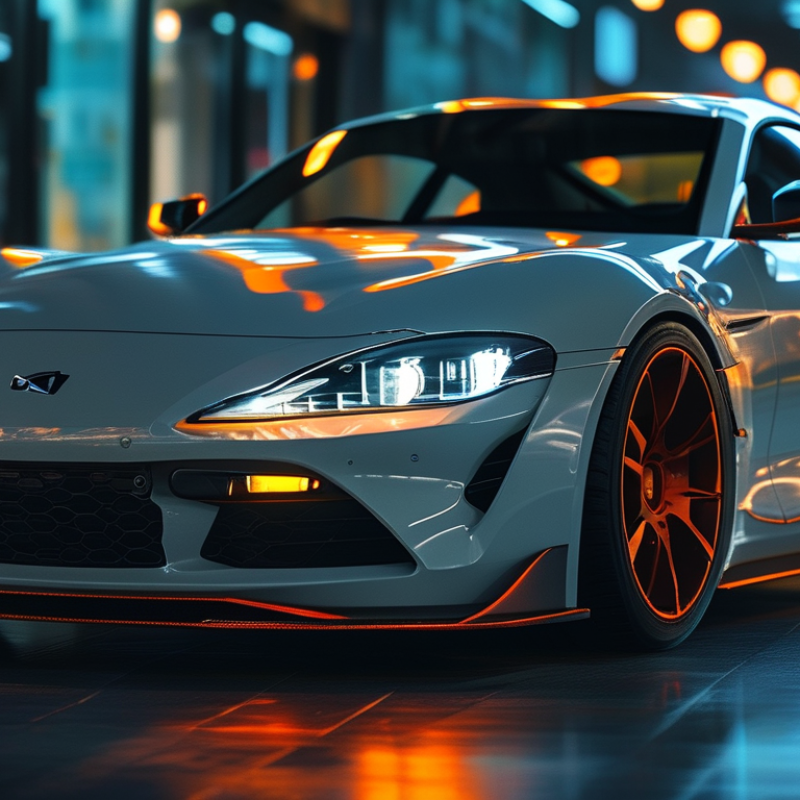
How to Evaluate the Quality of Automotive Lighting for Purchase?

Understanding Automotive Lighting Types and Technologies

Automotive lighting technology has evolved significantly in recent years. Different types of lighting options exist, such as halogen, LED, and HID (High-Intensity Discharge). Understanding their unique characteristics is essential. According to a recent report by the Institute of Automotive Lighting, LED headlights now make up about 40% of new vehicle sales. They offer improved visibility and energy efficiency, which can lead to lower fuel consumption.

Halogen lights are still popular due to their affordability. However, they typically last only about 500 to 1,000 hours. This is significantly less compared to LEDs, which can last over 25,000 hours. HID lights are brighter and have a longer lifespan than halogens but may require special fixtures. Each lighting type comes with pros and cons, making it crucial for consumers to assess their specific driving conditions and preferences.

The safety implications of these technologies should not be overlooked. Poor lighting can lead to accidents, with studies suggesting that up to 50% of nighttime crashes are linked to inadequate visibility. While choosing lights, consider factors like brightness, longevity, and energy consumption. Reflecting on these elements will guide you in making an informed decision.

Key Factors to Consider When Evaluating Lighting Quality

When evaluating automotive lighting quality, several key factors come into play. Brightness is one of the most obvious considerations. A headlight's lumen output determines how well it can illuminate the road. However, more lumens don't always mean better visibility. It’s essential to assess how the light is distributed. A well-designed light pattern can significantly enhance safety.

Color temperature is another critical aspect. Lights range from warm yellow to cool white. Many drivers prefer cool white light, as it mimics daylight. Still, a balance is necessary. Some warmer tones may reduce glare for oncoming drivers, improving overall road safety.

Durability and lifespan are vital too. Quality lighting should withstand various weather conditions. This includes heavy rain or extreme heat. Look for materials that resist fading and moisture. However, even the best products may require occasional replacement. Reflecting on your regular maintenance can help you stay ahead. Investing the time to evaluate these factors ensures better visibility and safety on the road.

Assessing Brightness and Visibility in Automotive Lighting

When assessing automotive lighting, brightness and visibility are crucial factors. The National Highway Traffic Safety Administration (NHTSA) reports that poor illumination is a contributing factor in 30% of nighttime accidents. Therefore, understanding how to evaluate these characteristics is essential for safe driving.

One method of measuring brightness is lumen output. Higher lumen numbers indicate stronger light output. For example, LEDs tend to provide more lumens per watt than traditional halogen bulbs. This means that LEDs can achieve greater brightness without consuming excessive energy. Visibility is equally important. A well-distributed beam pattern ensures that both the road and surrounding areas are illuminated effectively, reducing blind spots.

However, not all headlights that appear bright improve safety. Some lights can create glare, which distracts other drivers. Furthermore, overly focused beams may illuminate only a narrow area. A balance must be struck between brightness and effective illumination. A comprehensive evaluation involves checking light color temperature, measured in kelvins, which influences visibility under various conditions. A temperature range of 5000-6000K is often preferred for daylight-like visibility. Evaluating these aspects with precision is vital for making informed decisions in automotive lighting.

How to Evaluate the Quality of Automotive Lighting for Purchase?

Parameter Description Importance Level Rating (1-5)
Brightness Measured in lumens, indicates how much light is emitted. High 4
Color Temperature Measured in Kelvin (K), affects visibility and ambiance. Medium 5
Beam Pattern The shape and spread of light on the road surface. High 4
Durability Resistance to shocks and environmental factors. High 5
Energy Efficiency How much power is consumed relative to output. Medium 4

Examining Durability and Longevity of Lighting Products

When examining the durability and longevity of automotive lighting, various factors play a crucial role. A recent industry report highlights that high-quality LED lights typically last between 30,000 to 50,000 hours, far exceeding the lifespan of traditional halogen bulbs, which average around 1,000 hours. This notable difference emphasizes the importance of selecting lighting products that withstand wear and tear.

Additionally, the materials used in manufacturing significantly impact a lighting product’s longevity. Products made of durable materials like polycarbonate exhibit better resistance to weather conditions and impacts. This is crucial for maintaining performance over time. Some products might look appealing at first glance but fail to deliver in real-world use.

Tips: Always check the warranty period. A longer warranty often indicates the manufacturer's confidence in their product's durability. Opt for products with good heat dissipation features. Heat can dramatically shorten the lifespan of lighting products. Remember, investing in quality lighting may save money in the long run due to reduced replacement frequency.

Comparing Brand Reputation and Customer Reviews for Lighting Choices

When selecting automotive lighting, assessing brand reputation is crucial. A recent study indicates that customers often prioritize well-known brands. Approximately 70% of consumers express trust in products from brands with a solid market presence. However, this can lead to complacency. Relying solely on brand names may overlook emerging players that offer innovative solutions at competitive prices.

Customer reviews are another valuable resource. According to industry reports, about 80% of consumers depend on online reviews before purchasing. Evaluating these reviews can reveal insights into product performance. Positive feedback often highlights brightness, longevity, and ease of installation. Yet, reviews can be misleading. Some products receive inflated ratings due to incentivized feedback, making it essential to look for patterns rather than individual comments.

Additionally, comparisons across products can uncover discrepancies in quality. A consistent theme in customer feedback often points to durability issues in cheaper options. Investing in higher-quality lighting may be more cost-effective in the long run. As consumers navigate complex choices, a balanced approach to brand reputation and customer opinions becomes essential for informed decisions.

Automotive Lighting Quality Evaluation

This bar chart compares different attributes of automotive lighting based on customer reviews. The attributes include Brightness, Durability, Energy Efficiency, and Design. Each attribute represents an average rating out of 5 based on user feedback.

FAQS

: What are the main types of automotive lighting?

: The main types are halogen, LED, and HID. Each has unique characteristics that suit different needs.

How long do halogen lights typically last?

Halogen lights last around 500 to 1,000 hours. This is shorter than LED lights, which last over 25,000 hours.

What advantages do LED headlights offer?

LED headlights provide improved visibility and energy efficiency. They're increasingly popular among new vehicle buyers.

How does lighting quality affect road safety?

Poor illumination contributes to many nighttime accidents. Brightness and proper distribution are crucial for safety.

What factors should I consider when evaluating headlights?

Key factors include brightness, color temperature, durability, and how well the light is distributed.

What is the preferred color temperature for headlights?

A color temperature around 5000-6000K is often preferred for mimicking daylight, improving visibility.

How can glare from headlights impact driving?

Glare can distract other drivers, potentially leading to accidents. It can also make navigation difficult.

Why is maintenance important for automotive lighting?

Regular maintenance helps ensure optimal performance. Over time, even the best lights may need replacement.

Can brightness alone guarantee better visibility?

No, brightness should be balanced with effective distribution. Overly bright or narrow beams may not enhance safety.

What should I reflect on when choosing headlights?

Consider your driving conditions and how well the lights will perform in various environments.

Conclusion

When considering how to evaluate automotive lighting quality, it's essential to understand the various types of lighting technologies available, including halogen, LED, and HID. Each type offers unique benefits and limitations that can significantly impact performance. Key factors to look at include brightness levels, which directly affect visibility during night driving or adverse weather conditions, and the durability of the lighting products, ensuring they can withstand harsh environmental conditions over time.

Moreover, assessing customer reviews and brand reputation can provide insights into the reliability and overall satisfaction of different lighting options. By carefully examining these aspects, consumers can confidently make informed decisions that enhance their driving experience and ensure safety on the road.

Ethan

Ethan

Ethan is a seasoned marketing professional with a deep expertise in our company's innovative product line. With a passion for sharing knowledge and insights, he takes the lead in regularly updating our corporate blog, where he explores industry trends, product features, and effective marketing......