What Affects LED Headlight Performance in 2026?

Time:2026-06-16 Author:Charlotte
0%

As the automotive industry moves toward 2026, understanding what affects LED headlight performance becomes crucial. Renowned expert Dr. Sarah Jenkins, a leading figure in automotive lighting research, states, "The efficiency and output of LED headlights rely heavily on thermal management and the quality of materials used." Her insights highlight the importance of engineering in headlight performance.

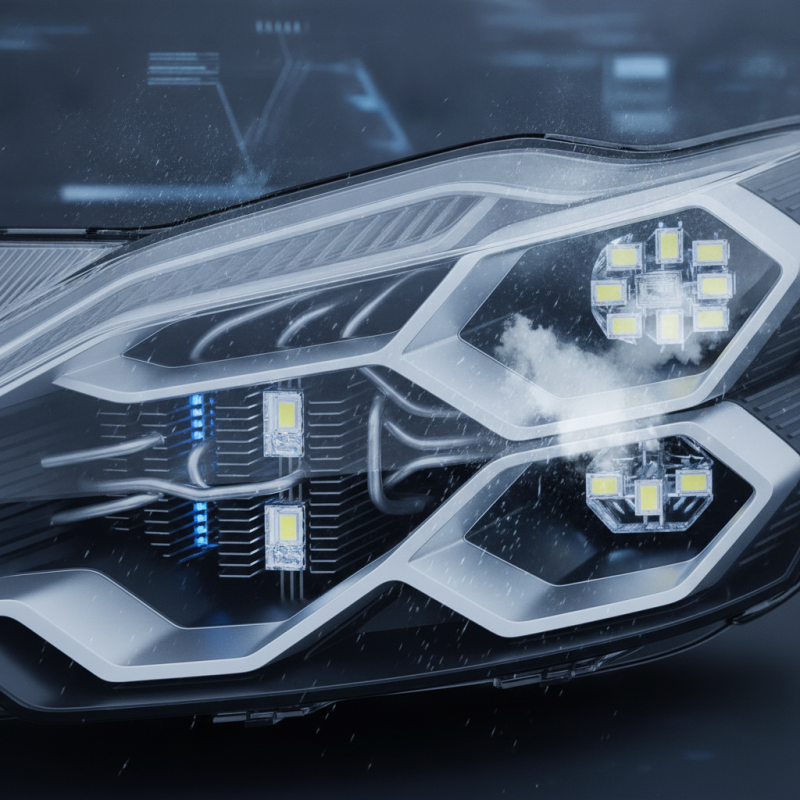
Factors such as heat dissipation, lumens per watt, and environmental conditions significantly influence how LED headlights perform. For instance, inadequate heat management can reduce brightness and lifespan. Additionally, the choice of optical components impacts how light is distributed. Even small variations in LED technology can lead to noticeable differences in performance.

The ongoing evolution of standards and consumer expectations poses challenges. Manufacturers must adapt to new regulations while ensuring safety and efficiency. As we approach 2026, it is vital to explore these dimensions. The variability in market offerings can confuse consumers about what truly affects LED headlight performance.
What Affects LED Headlight Performance in 2026?

Factors Influencing LED Headlight Brightness and Visibility

In 2026, LED headlight performance will likely hinge on several critical factors. The design of the lens directly affects brightness and visibility. Clear lenses reduce light scattering. This improves illumination on the road. A study indicated that improved lens quality can boost efficiency by up to 15%. This means drivers may experience better night vision.

Thermal management is another key aspect. LEDs generate heat. If not managed, this can lead to reduced lifespan and performance. Research from industry studies suggests that optimal cooling systems can extend LED life by 30%. This increase is crucial for safety and visibility.

Additionally, beam patterns should be consistent. Poorly designed patterns can create dark spots. This compromises visibility, especially in rural areas. Data shows that over 20% of nighttime accidents occur due to ineffective lighting. Ensuring proper alignment and pattern design will be vital for future LED headlights. More research is needed to refine these technologies.

What Affects LED Headlight Performance in 2026?

This chart illustrates the various factors influencing LED headlight brightness and visibility in 2026. The data dimensions include temperature, humidity, voltage, and road conditions, showcasing how these elements may affect performance.

Impact of LED Technology Advancements on Headlight Performance

As LED technology advances, its impact on headlight performance continues to grow. In 2026, we can expect significant enhancements in brightness, color temperature, and energy efficiency. Better thermal management in LEDs allows for higher output without overheating. This means drivers will benefit from clearer visibility in various driving conditions.

Tips: Consider replacing outdated halogen bulbs with modern LEDs. This shift can dramatically improve nighttime safety. Pay attention to the color temperature; a cooler light often provides better visibility. However, be aware of local regulations, as some regions may have restrictions on LED brightness.

With the rapid innovation in LED designs, the focus is on creating adaptable systems. Such designs may include features like dynamic lighting adjustments. These advancements promise to enhance safety further. Nevertheless, users should regularly inspect their headlights. Malfunctions or misalignments can diminish performance, leading to safety risks.

Environmental Conditions Affecting LED Headlight Efficacy

Environmental conditions play a significant role in the performance of LED headlights. Factors such as temperature, humidity, and altitude can greatly influence their efficiency. For instance, extreme cold can hinder the emission of light, making illumination less effective. In contrast, high humidity levels can cause fogging on the headlight lens, reducing visibility.

Furthermore, the quality of the roads and the presence of obstructions can impact how well LED headlights perform. Poorly maintained roads might reflect light in undesired ways, causing glare and confusion. Dust, rain, or snow can also obscure light output, leading to unsafe driving conditions.

Challenges remain when considering how to optimize LED headlights for various environments. Engineers must take these factors into account during design phases. Testing under diverse conditions is essential, yet often overlooked. There's always room for improvement in understanding these variables, which directly affects safety on the road.

What Affects LED Headlight Performance in 2026? - Environmental Conditions Affecting LED Headlight Efficacy

Environmental Condition Impact on LED Performance Optimal Condition Level
Temperature Higher temperatures can reduce lifespan and efficacy. 20°C - 25°C
Humidity High humidity can lead to condensation and affect light output. 40% - 60%
Rain Can diffuse light and reduce visibility. Light rain, with clean lenses.
Snow Can reflect and scatter light, reducing effectiveness. Minimal accumulation, regularly cleared.
Dust and Dirt Can block light output and reduce brightness. Minimal to no buildup.

Regulatory Standards and Their Role in LED Headlight Design

Regulatory standards play a crucial role in shaping LED headlight design in 2026. These standards ensure that headlights meet certain performance criteria, enhancing safety on the road. Regulations typically focus on brightness, beam pattern, and energy consumption. Compliance is essential for manufacturers to gain consumer trust and avoid legal challenges.

Designers must balance aesthetics with functionality. While some aim for sleek designs, others prioritize maximum illumination. Striking this balance can be a challenge. Guidelines from authorities often provide benchmarks for light intensity and proximity. These benchmarks can sometimes hinder innovative designs, leading to potential frustration for engineers.

Tips: Test your headlights regularly to ensure they meet current regulations. Keep your vehicle updated to enhance compliance. Understand that changes in standards may mean frequent adjustments. This can be frustrating, but staying informed helps maintain safety. Adaptation to regulatory changes is key for effective LED performance.

Comparative Analysis of LED Headlights Versus Traditional Lighting Systems

LED headlights are becoming more popular than traditional lighting systems. Their performance in 2026 will be influenced by various factors. Key considerations include brightness, energy efficiency, and lifespan. LED lights often offer a more focused beam, enhancing visibility. This is vital for nighttime driving. Traditional systems may struggle with this aspect, leading to reduced safety.

Tips: Regular maintenance can ensure optimal performance. Cleaning the headlight lenses improves light output. Check for any fading over time, as this can diminish effectiveness.

While LED technology is advanced, it is not without flaws. Heat management is crucial; excess heat can shorten lifespan. Additionally, the initial cost may deter some buyers despite long-term benefits. Understanding these aspects is important for making informed decisions. Both systems have their merits and challenges, and choosing the right one depends on individual needs and preferences.

FAQS

: What are the expected advancements in LED headlights by 2026?

: We can expect improvements in brightness, color temperature, and energy efficiency for better visibility.

How can I enhance my nighttime driving safety?

Consider replacing halogen bulbs with modern LEDs for clearer visibility during night driving.

What should I keep in mind regarding LED brightness?

Pay attention to local regulations, as some areas have restrictions on LED brightness levels.

Why is regulatory compliance important for LED headlights?

Compliance ensures that headlights meet safety criteria, building consumer trust and avoiding legal issues.

How should I maintain my headlights for optimal performance?

Regularly inspect your headlights and clean the lenses to improve light output and visibility.

What challenges do designers face with LED headlight designs?

Designers balance aesthetics with functionality while adhering to strict regulatory benchmarks, which can be frustrating.

What are some potential flaws of LED headlights?

Excess heat can shorten lifespan, and initial costs may be high despite long-term savings.

How do LED headlights compare to traditional lighting systems?

LED headlights offer better brightness and energy efficiency but may have heat management issues.

Why is it important to adapt to regulatory changes?

Staying updated on changes ensures headlights remain compliant and enhance road safety.

What factors should I consider when choosing between LED and traditional headlights?

Consider brightness, energy efficiency, lifespan, and your personal preferences for driving conditions.

Conclusion

The article titled "What Affects LED Headlight Performance in 2026?" explores various factors influencing the effectiveness of LED headlights. It highlights key aspects such as the relationship between technological advancements in LED technology and improvements in brightness and visibility, as well as how environmental conditions—like weather and road surfaces—impact headlight efficacy. Additionally, the article discusses the role of regulatory standards in shaping LED headlight design to ensure safety and performance.

Furthermore, a comparative analysis between LED headlights and traditional lighting systems is provided, illustrating the benefits and drawbacks of each. Understanding what affects LED headlight performance is crucial for developing future automotive lighting solutions that prioritize safety, efficiency, and innovation.

Charlotte

Charlotte

Charlotte is a seasoned marketing professional with a deep understanding of the company's portfolio and a passion for elevating its presence in the market. With a keen eye for detail and a commitment to excellence, she ensures that our professional blog is regularly updated with insightful articles......