Importing automotive lighting products from China requires careful strategy and insight. Experts highlight the importance of understanding market dynamics and supplier credibility. John Smith, a noted industry consultant, stated, "Building trust with a supplier is crucial when importing automotive parts."
Navigating the complexities of this process can be overwhelming. Many businesses struggle with finding reliable sources. They often overlook quality control measures or miss critical shipping details. These oversights can lead to significant losses. Therefore, knowing how to import automotive lighting products from China is essential.
Establishing connections with trustworthy suppliers saves time and resources. Conducting thorough research helps avoid pitfalls. Relying on inexperienced agents can be risky. Seeking advice from industry experts like Smith can provide valuable insights. Proper guidance can enhance your importing experience and ensure success.
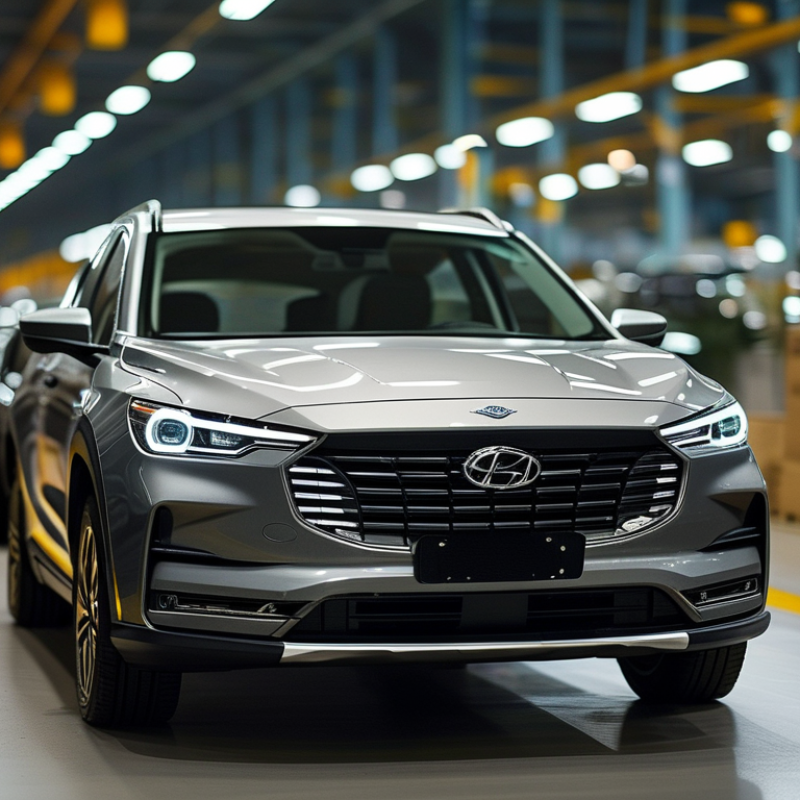
Understanding the automotive lighting market in China is essential for importers. The country has become a global leader in producing automotive lighting products, with a market expected to reach $10 billion by 2025, according to various industry reports. The growth is driven by rising vehicle ownership and stringent safety regulations.
The Chinese automotive lighting sector thrives due to advancements in LED technology. Over 75% of lighting products are now LED-based, offering better energy efficiency and longer lifespans. However, quality can vary significantly. Not all manufacturers adhere to international standards, leading to potential risks for importers. Assessing the certifications of products is crucial to ensure safety and compliance with regulations.
Tip: Always request detailed product specifications and certifications before purchasing. Reach out to previous buyers for insight into manufacturer reliability.
Importers should be aware of the challenges too. Language barriers and cultural differences can complicate communication. Partnering with local agents can mitigate some of these issues. However, trust is paramount; ensure to carry out due diligence on potential partners.
Tip: Establish clear communication lines and set expectations upfront to avoid misunderstandings. Regular follow-ups can foster better relationships.
| Product Type | Average Price (USD) | Import Volume (Units/Year) | Lead Time (Days) | Main Export Regions |
|---|---|---|---|---|
| LED Headlights | $50 | 100,000 | 30 | North America, Europe |
| Fog Lights | $30 | 70,000 | 25 | Australia, South America |
| Tail Lights | $40 | 90,000 | 28 | Europe, Asia |
| Interior Lighting | $15 | 50,000 | 20 | North America, Asia |
| LED Strips | $20 | 60,000 | 15 | Europe, Middle East |
Researching potential suppliers and manufacturers is crucial when importing automotive lighting products from China. Start with a comprehensive online search. Platforms like trade directories and B2B marketplaces can be valuable. They help identify manufacturers with relevant experience in automotive lighting. Gathering reviews and ratings can also provide insights into their reliability. However, beware of suppliers with overly positive feedback, as it may be manipulated.
Direct communication is important. Reach out to potential suppliers with specific questions. Inquire about their production process, quality control measures, and certifications. It’s essential to assess their response time and professionalism. A supplier's willingness to answer detailed queries can indicate their reliability. Request product samples to evaluate quality firsthand. This step can reveal inconsistencies and issues that online research might not show.
Consider visiting factories if possible. On-site inspections allow for direct assessment of capabilities. Meeting the team can also build trust. Yet, not every manufacturer will be open to visits. This could be a red flag. Establish clear terms and conditions before committing. Misunderstandings can lead to costly mistakes. Always document agreements and seek legal advice if necessary for clarity.
Importing automotive lighting products from China comes with inherent risks. Ensuring quality control and compliance with international standards is crucial for success. According to a report by the International Organization for Standardization (ISO), nearly 20% of imported automotive components fail to meet safety standards. This highlights the importance of rigorous inspection processes.
One effective method is to use third-party inspection services. These services often examine products before shipment. According to the Quality Control Research Institute, about 95% of manufacturers who use such services report better product reliability. It is essential to pay attention to certifications, such as ECE and DOT, as they signify adherence to specific regulations. Without proper certification, the risk of liability and product recalls increases significantly.
Engaging with suppliers who have a proven track record can also help. However, not all suppliers are transparent about their processes or capabilities. Often, weak communication can lead to misunderstandings about product specifications. Therefore, performing regular audits on the manufacturing facilities is recommended. This step may reveal discrepancies in quality and compliance, ensuring that only the best products reach your market.
Importing automotive lighting products from China requires careful attention to regulations and documentation. According to a report by the International Trade Administration, in 2021, the global automotive lighting market was valued at approximately $29.5 billion. This figure indicates the importance of understanding inherent import regulations that might affect your purchase.
Documentation is key in this process. You'll need to gather essential paperwork like the Bill of Lading, Commercial Invoice, and Certificate of Origin. A significant number of imports are held up due to incomplete or inaccurate documentation. The Customs and Border Protection (CBP) regularly emphasizes the importance of accurate declarations to avoid delays. In some cases, companies have faced fines due to non-compliance, underscoring the importance of vigilance.
Furthermore, regulatory standards vary by region. For example, products must often meet safety standards, such as FMVSS regulations in the U.S. This can be daunting for newcomers. It's advisable to consult with a trade compliance expert to navigate these complexities. Many importers overlook these nuances, leading to costly mistakes. Ensuring you have the correct certifications and clear documentation can mitigate potential challenges. Detailed knowledge can make a significant difference in your import experience.
When it comes to shipping automotive lighting products from China, it’s crucial to ensure their safe transport. Proper logistics can significantly impact the quality and performance of your products. According to industry statistics, about 30% of damaged goods occur during transit. This alarming number emphasizes the importance of choosing reliable shipping options.
To mitigate risks, consider working with logistics companies that specialize in handling fragile cargo. These firms often employ advanced packaging techniques and offer insurance options. Data shows that companies using proper packaging reduce damage rates by 25%. Insist on using materials that can withstand rough handling and adverse weather conditions. Effective packaging helps maintain the integrity of sensitive components within automotive lighting products.
Communication is also vital throughout the shipping process. Regular updates can help you monitor the status of your shipment. Observations indicate that transparent communication reduces stress levels associated with shipping delays. For instance, about 20% of importers experience confusion related to customs processes. Having a dedicated logistics partner can clarify expectations and procedures. By prioritizing these aspects of shipping, you can minimize risks associated with importing automotive products from China.
: It ensures you find reliable manufacturers for automotive lighting products.
Use trade directories and B2B marketplaces to gather information and reviews.
Inquire about their production process, quality control, and certifications.
It helps assess their professionalism and responsiveness to inquiries.
Yes, on-site visits build trust and allow direct assessment of capabilities.
This could be a red flag, and you should reconsider their reliability.
Work with logistics companies specializing in fragile cargo and use effective packaging.
Rough handling can lead to about 30% of goods being damaged in transit.
Maintain regular communication and updates with your logistics partner throughout the process.
Clearly outline terms and conditions to avoid misunderstandings and costly mistakes.
When considering how to import automotive lighting products from China, it is crucial to first understand the specific dynamics of the automotive lighting market in the region. Researching potential suppliers and manufacturers is essential to ensure you partner with reliable sources that meet your quality and compliance expectations. Equally important is establishing quality control measures and verifying compliance with pertinent standards to avoid issues down the line.
Navigating import regulations and documentation requirements is another critical step in the process. Proper documentation will facilitate smoother customs clearance and compliance with international trade laws. Finally, planning the logistics and shipping process will ensure that your automotive lighting products are transported safely and efficiently. By following these steps, you can successfully import automotive lighting products from China while minimizing risks and ensuring quality.

DERT Lighting