Automotive lighting technology is evolving rapidly, influencing design and safety features. As manufacturers focus on innovation, understanding what are the latest trends in automotive lighting technology is crucial. A report by Grand View Research highlights that the global automotive lighting market is expected to reach USD 38.5 billion by 2027, driven by advancements in LED and OLED technologies.
One significant trend is the increasing use of adaptive lighting systems. These systems adjust beam patterns based on road conditions and vehicle speed, enhancing visibility. According to a McKinsey report, incorporating smart lighting can reduce accident rates by up to 25%. However, implementing these technologies poses challenges in terms of regulatory compliance and cost management.
Another emerging trend is the integration of lighting with vehicle communication systems. This interaction allows for more dynamic safety features, yet it requires extensive research and development. The complexity of these systems can lead to potential reliability issues. Overall, staying updated on the latest innovations is vital for automakers aiming to improve vehicle safety and aesthetics in today's competitive market.
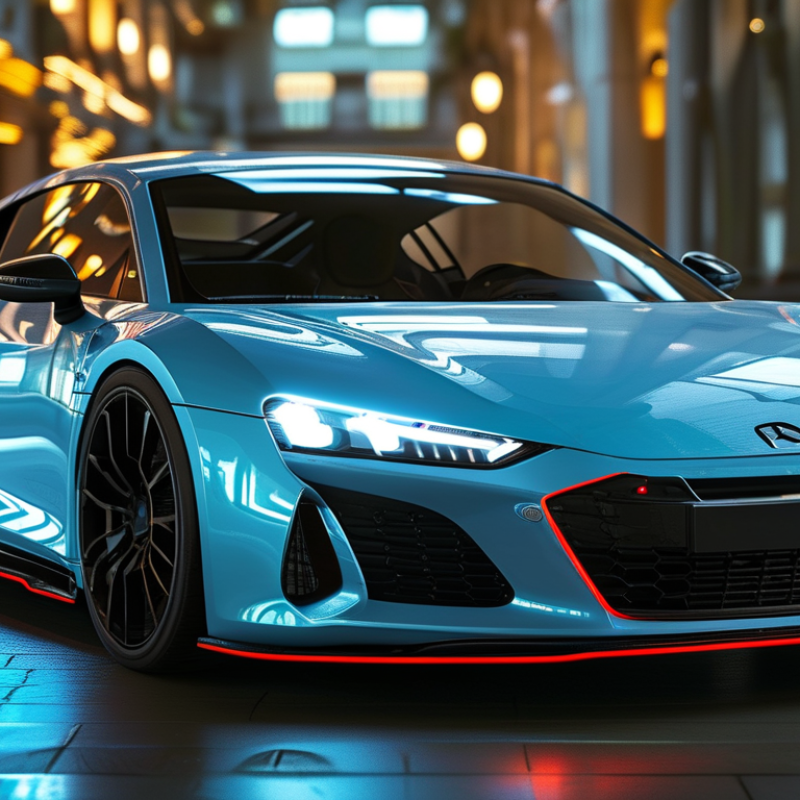
The automotive industry is witnessing remarkable innovations in LED lighting. These advancements enhance vehicle visibility and safety. The latest LED technologies offer brighter, more energy-efficient solutions. They provide better illumination under various conditions, from urban settings to rural roads. This is vital for preventing accidents.
LED lighting now offers dynamic features, such as adaptive front lighting. These systems adjust brightness based on speed and steering angle. This ensures optimal visibility without blinding oncoming traffic. Additionally, the integration of smart sensors in lighting systems allows for automatic adjustments. Drivers can enjoy a more comfortable and safe driving experience.
Tips for improving vehicle visibility include regularly checking your lights and ensuring they are clean. Dirty or burnt-out bulbs can drastically reduce visibility. Furthermore, consider upgrading to high-quality LED bulbs. They are more durable and provide better performance. Investing in quality lighting solutions is key. Consider the long-term benefits of enhanced safety. Evaluate your current lighting setup and explore the latest options.
Adaptive headlight systems are revolutionizing automotive lighting. These advanced systems adjust the angle and intensity of headlights based on the vehicle's speed and steering. This technology enhances visibility and safety for drivers. When turning, the headlights follow the curve of the road, illuminating blind spots effectively. This can significantly reduce nighttime accidents.
The implementation of these systems represents a crucial step toward safer driving experiences. However, challenges remain. Calibration can sometimes be inconsistent, leading to less effective lighting in certain situations. Additionally, the complexity of these systems can increase repair costs for vehicle owners. Moreover, not all drivers are aware of how these features operate, which can lead to misuse or misunderstanding.
Emerging studies suggest that adaptive lighting can improve driver comfort during long trips. Drivers report reduced eye strain and fatigue. Yet, as this technology evolves, user education will be vital. Understanding how to maximize these systems could make a real difference in daily driving experiences. The future of automotive lighting will likely continue to emphasize safety while also addressing these complexities.
The integration of smart lighting solutions in automotive technology is transforming the driving experience. These advanced systems enhance visibility while ensuring safety and comfort. Smart lighting adjusts in response to real-time conditions, such as weather changes or time of day. This adaptability helps drivers navigate challenging environments more effectively.
Moreover, smart lighting interfaces with other vehicle technology. For instance, when the vehicle detects nearby pedestrians, the lights can automatically brighten. This responsiveness is not just a convenience; it’s a vital safety feature. Integrating sensors with lighting systems can reduce accidents and enhance road safety.
However, this technology isn't without challenges. Reliability remains a concern, especially in extreme weather conditions. There is also the question of how these systems will evolve with automated driving. As cars become smarter, the dynamics of lighting will need constant reflection and improvement. Continuous innovation is crucial to tackle these issues effectively.
The automotive industry is rapidly embracing sustainable lighting options. Eco-friendly trends are not just buzzwords; they reflect a shift towards greener practices. Many manufacturers are exploring LED technology for vehicle lighting. LEDs consume less energy and have a longer lifespan compared to traditional bulbs. This shift reduces carbon footprints significantly.
Beyond energy efficiency, recyclable materials are becoming central to automotive design. The use of sustainable plastics and illuminative elements made from recycled materials shows commitment to reducing waste. However, challenges remain. Sourcing eco-friendly materials can be costly, impacting overall vehicle prices. Additionally, finding ways to maintain high-performance standards with sustainable options is an ongoing struggle.
Furthermore, the integration of smart lighting technologies opens new horizons. Adaptive lighting systems enhance safety while meeting eco-standards. These systems can adjust brightness based on environmental conditions. However, implementation still faces hurdles regarding cost and complexity. The industry's drive toward sustainability is commendable, yet it also invites scrutiny and debate about the pace of change.
Advanced light control systems in automotive lighting technology are transforming the driver experience. These systems use adaptive lighting techniques to enhance visibility and safety. According to recent reports, over 70% of drivers feel safer with advanced lighting systems. They adjust light intensity based on speed, weather, and road conditions, providing better illumination.
Moreover, these systems are designed to respond quickly to environmental changes. For example, during sudden turns or bad weather, they can shift light beams to cover blind spots. Studies have shown that this improved visibility reduces accident likelihood by 30%. However, there's room for improvement in user interface. Some drivers find the complexity of adjusting settings distracting. Balancing automation with ease of use is crucial for the future.
Regulatory standards are evolving as well. New guidelines aim to standardize advanced systems across vehicles, ensuring consistency and safety. While recent innovations show promise, further research is required to explore long-term effects on driver fatigue. The shift towards these advanced systems is exciting, but acknowledging potential issues is essential for broader adoption.
: These systems adjust headlight angle and intensity based on speed and steering for improved visibility.
They illuminate curves in the road, reducing blind spots and potentially lowering nighttime accidents.
Calibration inconsistencies and complex repairs can hinder performance and increase costs for vehicle owners.
Eco-friendly lighting uses less energy and lasts longer, significantly reducing carbon footprints of vehicles.
Sustainable plastics and recycled materials are being integrated, showcasing a commitment to reduce waste.
They adjust brightness based on conditions, enhancing safety while adhering to eco-standards.
They improve visibility, with over 70% of drivers feeling safer due to better illumination under various conditions.
Some drivers find complex settings distracting, so simplifying controls is essential for better usability.
Balancing automation with user ease and understanding long-term effects on driver fatigue is important.
New guidelines aim to standardize advanced systems, promoting safety and consistency across all vehicles.
The automotive lighting industry is witnessing significant advancements that enhance both safety and driver experience. Innovations in LED lighting have greatly improved vehicle visibility, allowing for brighter and more energy-efficient solutions. Adaptive headlight systems are now more common, adjusting light intensity and direction based on driving conditions to provide better visibility and comfort.
Moreover, smart lighting solutions are being integrated with vehicle technology, enabling features such as automatic brightness adjustments and vehicle-to-vehicle communication. The push for sustainability has led to the development of eco-friendly lighting options that minimize environmental impact. Lastly, advanced light control systems are enhancing the overall driving experience by providing customizable lighting settings. These developments highlight what are the latest trends in automotive lighting technology, showcasing a move towards smarter, safer, and more environmentally responsible solutions in vehicle design.

DERT Lighting