In 2026, the automotive industry is witnessing a significant shift towards LED headlights. Market research indicates that LED technology will account for over 60% of vehicle headlight sales by the end of the year. This surge is driven by increased consumer demand for energy-efficient and durable lighting solutions. According to automotive lighting expert Dr. Helen Marco, “LED headlights are not just a trend; they represent the future of vehicle safety and efficiency.”
One major reason why are LED headlights becoming popular is their impressive lifespan. Unlike traditional halogen bulbs, which last about 1,000 hours, LEDs can function for over 25,000 hours. This longevity translates into fewer replacements and reduced waste. Moreover, LEDs consume up to 75% less energy, making them a greener choice. Car manufacturers are taking note, integrating LEDs into new models for better performance and lower environmental impact.
However, the transition to LED headlights is not without challenges. Not all vehicles are equipped to handle the advanced technology. Some drivers report issues with glare, raising concerns about road safety. Reflecting on the rapid adoption of LEDs, we must consider balancing innovation with practicality. As the automotive landscape evolves, it's essential to address these concerns while embracing the benefits of LED technology.
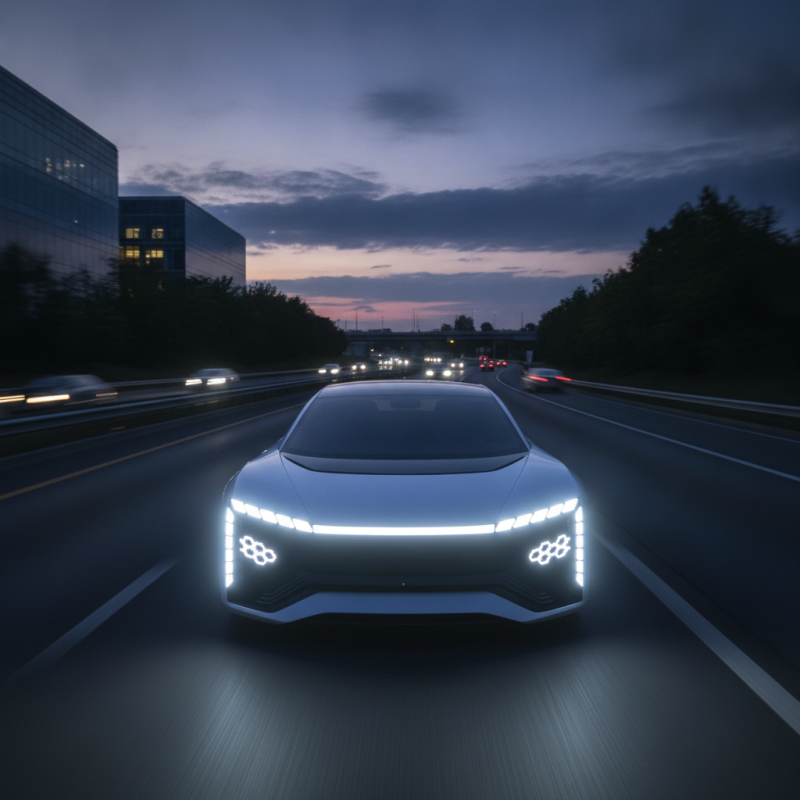
Emergence of LED Headlights in Automotive Design
The automotive industry is undergoing a significant transformation.
LED headlights play a crucial role in this shift. Their emergence in automotive design reflects a growing preference for energy-efficient solutions. LED technology offers brighter illumination compared to traditional halogen lights. This can enhance visibility under various driving conditions. Many drivers report a noticeable difference when switching to LED lights.
In recent years, many car manufacturers have adopted LED headlights in their new models. This technology not only improves safety but also adds a modern aesthetic to vehicle designs. The sleek look of LED lights is appealing to consumers.
However, there are some challenges. For example, the initial cost of LED technology can be higher than conventional options. There is also a need for proper heat management to ensure longevity.
The ongoing advancements in LED technology bring hope for greater efficiency and performance. As regulations tighten around vehicle emissions, LEDs contribute to a greener future. Yet, the industry must address issues like glare and light distribution. Ensuring these headlights do not blind oncoming drivers remains a critical area for improvement. The journey of LED headlights in automotive design is ongoing and complex, reflecting both innovation and the necessity for further refinement.
Technological Advancements Driving LED Efficiency Improvements
The rise of LED headlights in 2026 is fueled by significant technological advancements. As innovation continues, LED efficiency has dramatically improved. New materials and designs enhance light output while reducing energy consumption. These headlights now produce brighter and more focused beams, improving visibility for drivers at night.
Manufacturers have invested in research, exploring ways to make LEDs last longer and perform better. Advanced cooling techniques help manage heat, prolonging the lifespan of these lights. This is crucial because consistent performance is a key concern for consumers. However, some may still question the environmental impact.
Not all LEDs are created equal. While many models are more efficient, some still fall short. Consumers should be aware of various product options. Understanding the differences can lead to informed choices.
As LED headlights gain popularity, ongoing improvements will likely focus on sustainability and energy efficiency. The journey is not perfect, and transparency is essential in this evolving field.
Environmental Benefits Over Traditional Lighting Options
In 2026, LED headlights are gaining traction due to their significant environmental benefits. Compared to traditional bulbs, they offer a greener alternative, consuming less energy and reducing carbon footprints. This approach aligns with sustainable living ideals and a push towards eco-friendly solutions in transportation. The efficiency of LED technology minimizes energy wastage, making it a preferred choice among environmentally-conscious consumers.
Consider these tips when switching to LED headlights: check the lumens output to ensure adequate brightness. Also, consider the color temperature; cooler temperatures can enhance visibility. However, some users report a discomfort with glare, indicating a need for proper alignment.
Another important point is the durability of LED lights. They last significantly longer than traditional options, which means fewer replacements. However, improper installation can lead to failures early on, prompting reflection on installation practices. By choosing LED headlights, you not only embrace modern technology but also contribute to a healthier planet.
Consumer Preferences and Market Trends Influencing Adoption
In 2026, the popularity of LED headlights is rapidly increasing among consumers. A significant factor driving this trend is functionality.
LED lights offer enhanced brightness and better visibility compared to traditional options.
Many drivers report feeling safer while driving at night. This contributes to their growing appeal, especially in urban environments plagued by poor lighting.
Another key factor is energy efficiency. LED headlights consume less power than conventional headlights. This translates to lower energy bills, which is appealing to environmentally-conscious consumers.
Additionally, the longevity of LED headlights means fewer replacements. Many users appreciate the long-lasting nature of these lights, which reduces waste.
Tips for consumers considering an upgrade:
- Evaluate your driving conditions before making a purchase. If you often drive at night, brighter lights can significantly improve safety.
- Don’t overlook installation; ensure compatibility with your vehicle to avoid issues.
- Finally, research different lighting options to find the best fit for your needs.
Adopting
LED headlights is a step towards better road safety and environmental responsibility.
Cost Analysis: Upfront Investment vs. Long-Term Savings
In 2026, the cost analysis of LED headlights reveals stark differences between upfront investments and long-term savings. Initial costs for LED headlights may be higher, typically ranging from $100 to $300 per pair. This price is significantly more than traditional halogen bulbs, which often sell for less than $50. However, the real advantage lies in their durability and efficiency.
LED headlights have a lifespan of 25,000 to 50,000 hours, compared to halogen bulbs that last only about 1,000 hours. According to industry reports, this longevity translates to fewer replacements and reduced maintenance costs. Additionally, LED technology uses about 75% less energy than halogen alternatives. In simple terms, LED headlights can lead to savings of approximately $200 to $300 over their lifetime when factoring in energy costs.
Environmental benefits also emerge through this switch. Reduced energy consumption decreases overall carbon footprints. Yet, potential buyers should reflect on the initial expense. In some cases, consumers find it challenging to justify the upfront investment, particularly for budget-conscious drivers. Balancing these financial aspects requires careful consideration.
Why Are LED Headlights Becoming Popular in 2026? - Cost Analysis: Upfront Investment vs. Long-Term Savings
| Category |
Upfront Cost (USD) |
Lifespan (Years) |
Annual Energy Cost (USD) |
Total Cost Over 10 Years (USD) |
Savings Compared to Halogen (USD) |
| LED Headlights |
200 |
10 |
15 |
350 |
250 |
| Halogen Headlights |
100 |
2 |
50 |
300 |
0 |
| Xenon Headlights |
300 |
5 |
30 |
600 |
-300 |
FAQS
: LED headlights provide brighter illumination, enhancing visibility in various driving conditions. Many drivers notice this improvement immediately.
They improve safety and give a modern aesthetic to vehicles. Their sleek design also appeals to many consumers.
Initial costs can be higher than traditional options. Proper heat management is necessary for their longevity.
New materials enhance light output while reducing energy consumption. This makes LEDs brighter and more efficient.
Some consumers may be worried. Not all LEDs are equally efficient, so choices matter for sustainability.
Evaluate your driving conditions and check compatibility with your vehicle. Research different options to find the best fit.
LED headlights last longer, requiring fewer replacements and reducing waste, which is appealing to eco-conscious users.
Glare and light distribution need improvement to ensure they do not blind other drivers at night.
They provide enhanced brightness and visibility, especially important in poorly lit urban areas. Many drivers feel safer at night.
No, some models are more efficient than others. Consumers should be aware of these differences to make informed decisions.
Conclusion
In 2026, the automotive industry is witnessing a significant shift towards LED headlights, prompting the question: why are LED headlights becoming popular? The emergence of LED technology in automotive design has been facilitated by technological advancements that enhance efficiency and performance, making these lights more effective than traditional options. Additionally, the environmental benefits of LEDs, such as reduced energy consumption and longer lifespan, align with the growing consumer demand for sustainable solutions.
Consumer preferences and market trends are playing a crucial role in this adoption, as buyers increasingly prioritize innovative and eco-friendly features in vehicles. A comprehensive cost analysis reveals that while the upfront investment in LED headlights may be higher, the long-term savings in maintenance and energy costs make them a prudent choice. This combination of technological, environmental, and economic factors is driving the popularity of LED headlights in modern automotive design.

 DERT Lighting