How Do LED Headlights Work and Why Choose Them?

Time:2026-06-09 Author:Sophia
0%

LED headlights are gaining popularity among drivers. Many wonder, "how do LED headlights work?" This question is essential for understanding their advantages. LED, or Light Emitting Diode, technology brings significant benefits to vehicle lighting.

These headlights are energy-efficient and durable. They emit bright light while consuming less power. Drivers often notice better visibility at night. However, some might find the upfront cost higher compared to traditional bulbs. It's worth considering that their lifespan can exceed 20,000 hours, reducing replacement frequency.

Choosing LED headlights can enhance driving safety. They provide clearer illumination, especially in adverse weather. Some users report a cooler color temperature, which improves focus. Despite these advantages, not all LED products are created equal. Researching brands and specifications can ensure optimal performance. Understanding "how do LED headlights work" leads to smarter choices for your vehicle.
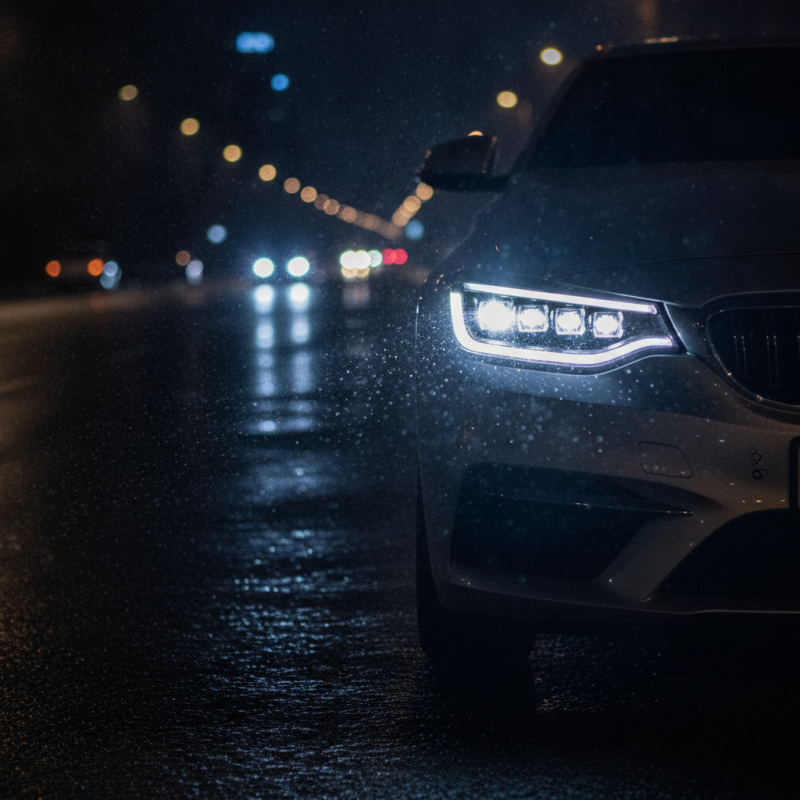
How Do LED Headlights Work and Why Choose Them?

Understanding the Basics of LED Headlight Technology

LED headlights represent a significant leap in automotive lighting technology. These lights use light-emitting diodes (LEDs) to produce bright, focused illumination. Unlike traditional halogen bulbs, LEDs are more energy-efficient and have a longer lifespan. This means less frequent replacements for drivers and reduced energy consumption for vehicles.

In terms of functionality, LEDs emit light in a specific direction, improving visibility on the road. This directional light output reduces glare for oncoming drivers, contributing to safer night-time driving. Many drivers appreciate the crisp, white light provided by LEDs, as it closely resembles natural daylight. However, there are concerns about the blue light spectrum emitted by some LED headlights, which may affect night vision.

While LED headlights have many advantages, not all installations are straightforward. Some vehicles may require additional modifications for compatibility. Additionally, the initial cost of upgrading to LED headlights can be higher than traditional options, leading to hesitation among some drivers. Balancing performance and cost is vital in making the right choice for your vehicle.

The Science Behind LED Light Emission and Color Spectrum

LED headlights utilize light-emitting diodes (LEDs) to produce illumination. This technology operates on the principle of electroluminescence, where electrons move through a semiconductor material and emit photons. Unlike traditional bulbs, which rely on filaments, LEDs are more efficient. They convert a higher percentage of electrical energy into light.

The color spectrum of LED lights is a significant aspect of their appeal. Unlike halogen or incandescent bulbs, LEDs offer a range of colors. This ability comes from adjusting the materials used in the semiconductor. A blue LED paired with a phosphor coating can produce white light. The emitted light can be tailored to enhance visibility and reduce glare, which is crucial for night driving.

However, LED headlights are not without shortcomings. They can create harsh light, particularly in poorly designed lenses. Also, their performance can vary depending on the quality of materials used. Some cheaper options may dim or flicker over time. As technology progresses, it’s important to choose LEDs that meet safety standards and provide reliable performance.

Being aware of these factors can lead to a better experience and improved road safety.

Advantages of Choosing LED Headlights Over Traditional Options

LED headlights have gained popularity due to their numerous advantages over traditional halogen and xenon options. According to a report by the Department of Energy, LED lights can last up to 25,000 hours, significantly outlasting their halogen counterparts, which typically last about 1,000 hours. This longevity means fewer replacements and less waste, making LEDs a more sustainable choice.

In terms of efficiency, LEDs convert about 80% of their energy into light, while traditional headlights lose a substantial amount of energy as heat. This efficiency translates to lower power consumption, which can enhance a vehicle's fuel economy. Additionally, LED headlights provide brighter illumination. Studies show that they improve visibility by up to 200%, reducing the likelihood of nighttime accidents. This feature is critical for safety on the road, especially in poorly lit areas.

Despite these advantages, some may find the initial cost of LED headlights to be higher. However, considering their durability and efficiency, the long-term savings on energy and replacement costs often outweigh these initial expenses. Understanding these factors is essential for making an informed decision about headlight options. Adopting LED headlights is not only a step towards better visibility but also a move toward greater environmental responsibility.

Installation Considerations for LED Headlights in Vehicles

When considering the installation of LED headlights in vehicles, several factors come into play. First, compatibility with your vehicle’s existing wiring is crucial. Many cars are designed for halogen bulbs, and an adapter may be needed for LEDs. This step can be overlooked, leading to unreliable performance. Always consult your vehicle's manual to ensure a correct fit.

Additionally, heat management is essential. LEDs produce less heat than traditional bulbs, but the heat they do produce must be dissipated effectively. Installing a heatsink or ensuring adequate airflow around the headlights can prevent premature failure. Some users may neglect this aspect, resulting in reduced lifespan.

Wiring issues can also arise during installation. LED headlights often require specific connections and fuses. Incorrect wiring can lead to flickering lights or, worse, electrical failures. It’s wise to double-check connections. Seek professional help if unsure. Reflecting on these aspects before installation can prevent future headaches.

Comparison of Different Headlight Types

Environmental Impact and Longevity of LED Headlights

LED headlights offer remarkable benefits, particularly in their environmental impact and longevity. Traditional headlights consume more energy and produce excessive heat. In contrast, LED lights are highly energy-efficient. They use about 75% less energy than incandescent bulbs. This not only reduces electricity usage but also minimizes greenhouse gas emissions. As fewer fossil fuels are burned for power, this supports a cleaner environment.

Longevity is another distinct advantage of LED headlights. These lights can last up to 25,000 hours or more, far exceeding the lifespan of traditional bulbs. This means fewer replacements and less waste. However, the initial cost of LED headlights can deter some consumers. While they are more expensive upfront, their durability can lead to savings over time. Some still question whether the long-term benefits outweigh the initial investment.

LED technology continuously evolves, raising effective questions. Are we aware of the materials used in production? The environmental impact of manufacturing should not be overlooked. Recycling options for expired LEDs remain limited. Awareness and understanding are crucial for making informed choices. Transitioning to LED headlights offers many benefits, yet it is essential to consider the broader implications of our choices.

FAQS

: What are LED headlights made of?

: LED headlights use light-emitting diodes. They operate based on the principle of electroluminescence.

How do LED headlights compare to traditional bulbs?

LEDs are more efficient. They convert more electrical energy into light and consume less power.

Can LED headlights emit different colors?

Yes, the color spectrum can be adjusted. This is achieved through different semiconductor materials.

What are common issues with LED headlights?

They may produce harsh light. Performance can vary based on material quality.

How long do LED headlights last?

They can last over 25,000 hours. This is significantly longer than traditional bulbs.

What are the environmental benefits of LED headlights?

LEDs use about 75% less energy and reduce greenhouse gas emissions. They support a cleaner environment.

Are LED headlights more expensive initially?

Yes, they tend to have a higher upfront cost, but they can save money over time due to longevity.

What should consumers consider when choosing LED headlights?

Awareness of material quality and manufacturing impact is important. Long-term benefits should also be evaluated.

Is recycling available for expired LEDs?

Recycling options are limited for expired LEDs. This is a critical issue to consider for waste management.

Are there safety concerns with LED headlights?

Yes, poorly designed lenses can create glare. Choosing quality products can enhance safety on the road.

Conclusion

LED headlights represent a significant advancement in automotive lighting technology, primarily due to their energy efficiency and durability. In exploring how do LED headlights work, we see that they utilize semiconductor materials to produce light when an electric current passes through them, resulting in a bright, white light that enhances visibility on the road. The color spectrum emitted by LEDs allows for better clarity compared to traditional halogen bulbs.

Choosing LED headlights offers numerous advantages, including longer lifespan, reduced energy consumption, and improved safety features. However, proper installation is crucial to maximize their benefits and ensure compliance with vehicular standards. Additionally, the environmental impact of LED headlights is minimal, contributing to sustainability through lower energy use and less waste over time, making them an ideal choice for modern vehicles.

Sophia

Sophia

Sophia is a dedicated marketing professional with an exceptional depth of knowledge about her company's products and services. With a keen understanding of market trends and customer needs, she crafts insightful blog posts that not only inform but also engage readers, enriching the company’s online......