What Materials are Used in Vehicle Lighting Production in 2026

Time:2026-07-25 Author:Charlotte
0%

The automotive industry is rapidly evolving. As vehicle lighting technology advances, a key question arises: what materials are used in vehicle lighting production? Understanding the materials is essential for manufacturers. The choice of materials directly influences safety, energy efficiency, and cost.

In 2026, LED technology leads the market. However, manufacturers often rely on a blend of materials. These include plastic, glass, and metals. Each material has distinct properties that affect performance. For instance, plastics are lightweight yet durable, enhancing fuel efficiency. In contrast, glass often provides better illumination but adds weight. Metal components are critical for heat dissipation.

Despite advancements, challenges remain. The shift towards sustainable materials is ongoing. Recycling and eco-friendly options are becoming priorities. While innovation is crucial, manufacturers must balance quality, cost, and environmental impact. Thus, the question of what materials are used in vehicle lighting production highlights an intricate web of choices and consequences. Balancing these factors is crucial for future developments in the automotive sector.
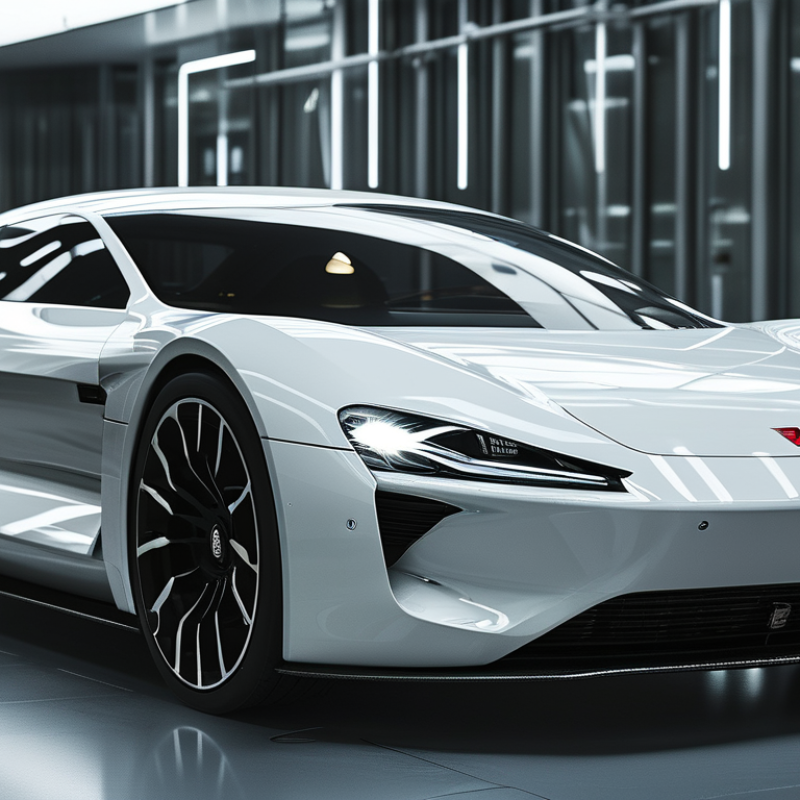
What Materials are Used in Vehicle Lighting Production in 2026

Materials Overview for Vehicle Lighting in 2026

As the automotive industry progresses towards enhanced safety and efficiency in vehicle lighting, understanding the materials used in production becomes crucial. In 2026, a combination of traditional and innovative materials will shape the landscape. Polycarbonate plastics, known for their clarity and strength, dominate the framing of headlights and taillights. This material withstands impact better than glass, making it an essential choice for durability.

LED technology is reshaping how we think about lighting components. By 2026, phosphor materials will play a pivotal role in improving luminosity and color accuracy. These materials enhance the efficiency of LED lights, ensuring better visibility while consuming less energy. However, sourcing these materials poses challenges. Some are rare and may lead to supply chain vulnerabilities, potentially impacting production timelines.

Moreover, sustainability will be a pressing concern. Manufacturers are exploring bio-based plastics and recycled materials. These alternatives aim to reduce environmental impact. However, the performance of these materials often requires more testing and refinement. Balancing eco-friendliness with functional performance remains a critical task for engineers and designers in the automotive lighting industry.

Key Components in Automotive Lighting Production

The automotive lighting industry in 2026 focuses on specific key components that ensure both efficiency and safety. One major material used is polycarbonate, favored for its lightweight and impact-resistant properties. According to industry reports, polycarbonate makes up around 70% of lens production globally. This material helps in reducing vehicle weight while maintaining durability.

LED technology has transformed automotive lighting. The Department of Energy estimates that LED lights consume 75% less energy than traditional halogen counterparts. This shift results in significant energy savings for manufacturers and end-users alike. However, the production of LED systems requires precise engineering and high-quality materials to optimize performance and longevity.

Tips for manufacturers: Assess the supply chain for sustainable materials. Balancing cost and quality is crucial for maintaining a competitive edge. Embracing innovative designs can enhance functionality while appealing to eco-conscious consumers. As we advance, continuous reflection on material choices can lead to improved lighting solutions and environmental benefits.

Innovative Materials Changing Vehicle Lighting Technology

In 2026, innovative materials are redefining vehicle lighting technology. Lightweight composites and advanced polymers dominate the field. These materials improve efficiency while reducing weight. A recent study by the Society of Automotive Engineers indicates that using composite materials can reduce weight by 30%. This dramatically enhances vehicle performance and fuel efficiency.

Another notable material is organic light-emitting diodes (OLEDs). OLEDs promise better energy efficiency and flexibility in design. Unlike traditional lighting, OLEDs can provide uniform illumination and are thinner. They also reduce bulk, allowing for more innovative vehicle designs. Research from the International Energy Agency projects that OLED usage will grow by 50% in the automotive sector by 2026.

However, the shift toward these innovative materials poses challenges. Production costs can be higher, affecting widespread adoption. Additionally, durability remains a concern for some newer materials. Ongoing research aims to address these issues and refine the application of these technologies. Balancing innovation with practicality is crucial for the future of vehicle lighting.

Sustainability Considerations in Lighting Material Choices

In 2026, sustainability in vehicle lighting materials is more critical than ever. The automotive industry is focusing on eco-friendly solutions. A report by the International Energy Agency suggests that lighting accounts for about 15% of a vehicle's total energy consumption. Therefore, the materials used must prioritize energy efficiency.

Recyclable materials, such as polycarbonate and acrylic, have gained traction. These plastics are not only lightweight but also energy-efficient in production. According to a 2023 study from the Society of Automotive Engineers, replacing traditional materials with these alternatives can reduce the carbon footprint by up to 30%. However, the challenge lies in ensuring that these materials maintain performance and durability standards while meeting sustainability goals.

The industry is also exploring biodegradable options. Some manufacturers are experimenting with natural fibers and bio-based plastics. However, scalability remains an issue. The costs of sustainable materials often exceed those of conventional options. Sustainability must balance performance and cost, presenting a complex dilemma for manufacturers.

Future Trends in Vehicle Lighting Materials and Design

The landscape of vehicle lighting materials is evolving rapidly. As we look toward 2026, lightweight polymers and advanced optics are gaining traction. According to recent industry reports, the global market for automotive exterior lighting is projected to reach $36 billion by 2026. This shift indicates a growing preference for materials that enhance efficiency while maintaining durability.

Innovative designs are not just focused on aesthetics. They aim to improve safety and energy efficiency. The integration of LED technology is prominent. LED lights consume up to 75% less energy than traditional lighting sources. However, the challenge lies in managing heat dissipation and maintaining optimal performance over time. Fluctuating material costs can also impact design feasibility.

Sustainability is influencing material choices. Recyclable and bio-based materials are entering the market. This reflects a broader shift towards eco-friendliness in the automotive sector. Yet, the balance between sustainability and performance remains a point of discussion. How can manufacturers innovate while ensuring product reliability? These questions will shape future developments in vehicle lighting design.

Materials Used in Vehicle Lighting Production in 2026

FAQS

: What materials are commonly used in vehicle lighting production?

: Polycarbonate plastics are frequently used for their strength and clarity. They dominate headlight and taillight production.

Why is polycarbonate preferred over glass?

Polycarbonate withstands impact better than glass. It's also lighter, helping to reduce vehicle weight while maintaining durability.

How does LED technology benefit automotive lighting?

LED lights consume significantly less energy than traditional options. This results in cost savings for both manufacturers and users.

What challenges exist in sourcing phosphor materials for LED lights?

Some phosphor materials are rare. This can create supply chain vulnerabilities and impact production timelines.

Are there eco-friendly alternatives being explored in automotive lighting?

Yes, manufacturers are investigating bio-based plastics and recycled materials. However, these require testing to ensure performance.

How do sustainability concerns influence material choices?

Balancing eco-friendliness with functional performance is challenging. Continuous reflection on these choices is necessary for better solutions.

What percentage of lens production globally is made of polycarbonate?

Polycarbonate constitutes about 70% of global lens production, offering a reliable and efficient material choice.

What is a key factor in designing automotive lighting systems?

Precise engineering and high-quality materials are essential for optimizing performance and ensuring longevity in LED systems.

How can manufacturers maintain a competitive edge?

They should assess their supply chain for sustainable materials while balancing cost and quality. Innovative designs can attract eco-conscious consumers.

What is an ongoing issue in the automotive lighting industry?

Ensuring the performance of newer materials often requires extensive testing and refinement. This remains a constant area for improvement.

Conclusion

In 2026, the landscape of vehicle lighting production is significantly influenced by advancements in materials technology. Key components such as LEDs, optics, and housing materials are being optimized for enhanced performance and durability. Innovative materials, including lightweight composites and advanced polymers, play a crucial role in improving energy efficiency and design flexibility.

Sustainability is a pivotal consideration, leading manufacturers to select eco-friendly options that reduce environmental impact. As the automotive industry embraces these changes, understanding what materials are used in vehicle lighting production becomes essential for manufacturers aiming to stay competitive. Future trends suggest a continuous evolution towards materials that not only enhance functionality but also contribute to greater sustainability in automotive lighting design.

Charlotte

Charlotte

Charlotte is a seasoned marketing professional with a deep understanding of the company's portfolio and a passion for elevating its presence in the market. With a keen eye for detail and a commitment to excellence, she ensures that our professional blog is regularly updated with insightful articles......