What is OEM Automotive Lighting Manufacturing for Global Buyers?

Time:2026-07-01 Author:Liam
0%

In the competitive landscape of the automotive industry, understanding "what is OEM automotive lighting manufacturing" is crucial for global buyers. John Smith, an esteemed expert in automotive manufacturing, emphasizes, “The right lighting can define a vehicle’s identity.” This statement underscores the growing significance of quality and innovation in automotive lighting solutions.

OEM automotive lighting manufacturing refers to the production of original equipment manufacturer lights for vehicles. This process involves collaboration between manufacturers and automotive brands. High standards and precision are essential. Yet, achieving these standards poses challenges. The quality of materials and technologies can greatly impact the final product. Buyers must navigate these complexities to ensure reliability.

Moreover, the industry requires continual adaptation to new trends and technologies. As electric vehicles and smart lighting gain traction, OEM manufacturers must innovate. The path to excellence is fraught with obstacles. A commitment to quality and sustainability is vital for success. Buyers should engage with knowledgeable suppliers to mitigate risks and enhance their supply chain.
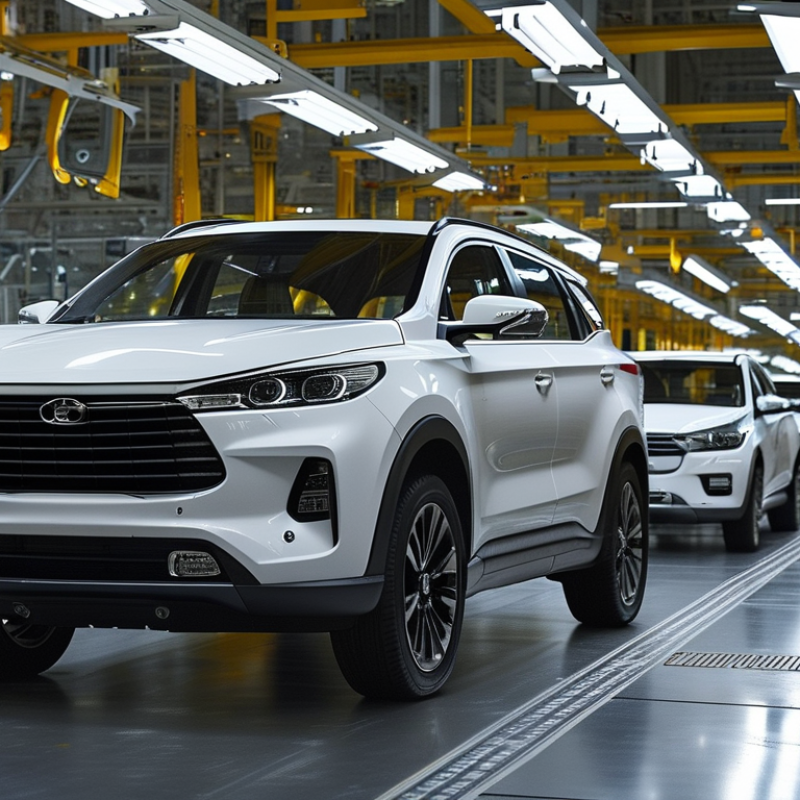
What is OEM Automotive Lighting Manufacturing for Global Buyers?

Understanding OEM in the Automotive Lighting Industry

Understanding OEM in the Automotive Lighting Industry

OEM stands for Original Equipment Manufacturer. In the automotive lighting industry, OEMs play a critical role. They produce parts that meet specific standards for manufacturers. These parts must align with vehicle designs and safety regulations. This ensures that lighting systems are both functional and reliable.

Working with OEMs requires a deep understanding of industry standards. Buyers should evaluate the quality of materials used. An OEM should demonstrate expertise in lighting technology. This includes knowledge of LED, halogen, and xenon systems. Buyers may also want to inspect certifications, ensuring compliance with global standards. The performance of automotive lighting affects safety. Reliable lighting improves visibility and reduces accidents.

However, navigating the OEM landscape is not without challenges. Some OEMs may struggle with communication or timely delivery. Prospective buyers need to probe deeper into a manufacturer's capabilities. Understanding these dynamics can lead to better sourcing decisions. Additionally, it's essential to be aware of evolving technologies. Constant innovation in lighting solutions can impact manufacturing partnerships. Buyers should stay open-minded and adaptable in this rapidly advancing market.

Key Components of OEM Automotive Lighting Manufacturing Processes

OEM automotive lighting manufacturing involves several key components that ensure high-quality production. A critical aspect is material selection. Various materials, such as polycarbonate and acrylic, are commonly used for lenses. Their properties can affect durability and clarity. Understanding these nuances is essential for effective sourcing.

Another vital component is the manufacturing process itself. This can include injection molding, assembly, and quality testing. Each step requires specialized equipment and expertise to guarantee product performance. Many manufacturers rely on advanced technology for precision. This reduces defects but can raise costs. Buyers should weigh these factors carefully.

Tips: Always check the supplier’s certifications. Ensure they comply with international quality standards. This can shield you from potential losses.

Regular communication with manufacturers is crucial. It helps to address concerns quickly. Feedback can lead to improvements in production and design. A collaborative approach cultivates better outcomes.

Invest time in understanding trends in automotive lighting. Emerging technologies, like LED systems and adaptive lighting, play a significant role. Keeping up-to-date enhances decision-making in sourcing. Each of these components plays a part in the broader landscape of OEM automotive lighting.

Importance of Quality Standards in OEM Automotive Lighting

In the competitive realm of OEM automotive lighting, quality standards play a crucial role. Buyers expect lighting products to meet stringent requirements for safety and performance. Any lapse in quality can lead to severe consequences, including accidents or product failures. Therefore, manufacturers must focus on quality at every step of the production process.

Stringent testing protocols should be implemented. Lights undergo various tests, including brightness, durability, and environmental resistance. Each test provides crucial data to improve the product. However, passing these tests isn’t always a guarantee of long-term reliability. Manufacturers might overlook certain conditions during testing. For instance, units that withstand initial tests may fail when exposed to prolonged heat or moisture, causing significant issues for consumers later on.

Quality standards must be tailored to the specific needs of different markets. Some regions require higher luminosity levels, while others focus on energy efficiency. This variation demands that manufacturers stay informed and adaptable. Yet, staying compliant with all standards can be challenging. An oversight in one requirement may lead to costly recalls. Continuous improvement and rigorous assessment are necessary. Manufacturers must engage in an ongoing dialogue with clients to ensure their products not only meet but exceed expectations.

Global Trends Influencing OEM Automotive Lighting Demand

The demand for OEM automotive lighting is shaped by several global trends. As the automotive industry shifts towards sustainability, manufacturers are increasingly adopting energy-efficient lighting technologies. LED lights have emerged as a popular choice due to their longevity and lower energy consumption. This trend reflects a broader commitment to reducing carbon footprints and meeting regulatory standards.

Consumer preferences are evolving as well. There is a growing appetite for advanced lighting features, such as adaptive headlights. These innovations not only enhance safety but also improve the driving experience. However, integrating such technology poses challenges for manufacturers. Keeping up with rapid advancements can be overwhelming, and some companies may struggle to find reliable suppliers for these sophisticated components.

Moreover, the rise of electric vehicles (EVs) is influencing OEM lighting needs. EVs often have distinct design requirements that differ from traditional vehicles. This shift calls for greater collaboration between automotive and lighting manufacturers. While many companies embrace these changes, there can be hesitation. The balance between innovation and cost remains a tricky one. Keeping pace with trends requires not only expertise but also a willingness to adapt continuously.

OEM Automotive Lighting Demand Trends (2023)

Benefits of Partnering with OEM Lighting Manufacturers for Buyers

When considering OEM automotive lighting manufacturing, buyers can discover notable advantages. Partnering with OEM manufacturers provides access to advanced technologies. These manufacturers often invest significantly in research and development. A report by a leading market analysis firm indicates that the global automotive lighting market is projected to reach $45 billion by 2026, underscoring the industry's growth potential.

Working with OEM lighting manufacturers can also ensure compliance with stringent safety regulations. They have established quality control processes. This contributes to better product reliability and performance. Implementing proper lighting solutions can reduce accident rates by up to 30%, making it a crucial factor for auto manufacturers.

Tip: It's essential to communicate your requirements clearly with OEM partners. This helps to ensure that the final product meets your specifications and quality standards.

Buyers should also consider the long-term benefits. While some OEMs may require higher initial investments, the return on investment can be substantial. Improved lighting technology can enhance vehicle aesthetics and functionality, making vehicles more appealing to consumers. Don't overlook the importance of energy efficiency; modern lighting solutions can reduce energy consumption by up to 50%.

What is OEM Automotive Lighting Manufacturing for Global Buyers? - Benefits of Partnering with OEM Lighting Manufacturers for Buyers

Aspect Description Benefits
Cost Efficiency OEM manufacturers can produce in bulk, lowering the cost per unit. Reduced production costs and higher profit margins for buyers.
Customization OEM manufacturers offer tailored solutions for specific automotive needs. Ability to meet unique customer requirements and market demands.
Quality Assurance Strict quality control measures are in place during manufacturing. Consistent product quality leading to fewer defects and customer satisfaction.
Technology Integration Access to the latest lighting technology and innovations. Enhanced product features and competitive edge in the market.
Supply Chain Management Experience in efficiently managing logistics and supply chain. Timely delivery and reduced lead times for buyers.
Regulatory Compliance Knowledge of international standards and regulations in automotive lighting. Elimination of compliance issues and faster entry to new markets.

FAQS

: What does OEM stand for in the automotive lighting industry?

: OEM stands for Original Equipment Manufacturer.

Why are OEMs important for automotive lighting?

OEMs produce parts that meet specific standards, ensuring safety and functionality in vehicles.

What should buyers evaluate when selecting an OEM?

Buyers should assess the quality of materials, expertise in technology, and relevant certifications.

How does automotive lighting impact safety?

Reliable lighting improves visibility, which reduces the likelihood of accidents on the road.

What challenges might buyers face with OEM partnerships?

Communication issues and delays in delivery can create significant obstacles in sourcing parts.

Why is testing crucial in the production of automotive lighting?

Testing ensures that lights meet safety and performance standards, although initial tests may not guarantee long-term reliability.

How do market demands affect OEM quality standards?

Different regions have unique requirements, like luminosity and energy efficiency, requiring manufacturers to adapt.

What risks arise from overlooking quality standards?

Missing a single requirement can lead to costly product recalls and serious safety issues.

How can manufacturers ensure continuous improvement?

Engaging in ongoing dialogue with clients helps manufacturers stay informed and adjust to evolving needs.

What does it mean for manufacturers to be adaptable?

Being adaptable means responding effectively to changing technologies and market expectations.

Conclusion

OEM automotive lighting manufacturing refers to the production of automotive lighting components by original equipment manufacturers specifically for automotive brands. Understanding OEM in this context involves recognizing how these manufacturers design and produce lighting solutions that meet the exact specifications of automotive clients, ensuring compatibility and performance. Key components of the manufacturing process include design integration, material selection, and state-of-the-art production techniques that adhere to stringent quality standards.

Quality standards play a crucial role in OEM automotive lighting, as they ensure safety, durability, and compliance with industry regulations. With global trends impacting the automotive sector, such as electric vehicle adoption and environmental concerns, the demand for innovative lighting solutions is growing. For buyers, partnering with OEM lighting manufacturers offers advantages such as access to advanced technologies, customization options, and reliable supply chains, ultimately enhancing their product offerings and market competitiveness.

Liam

Liam

Liam is a dedicated marketing professional with a profound expertise in the industry, where he excels at highlighting the unique advantages of our core products. With a keen understanding of market trends and consumer needs, Liam frequently updates our company’s professional blog, providing......