Top 5 Reasons Why Thermal Management is Crucial in LED Lighting?

Time:2026-07-15 Author:Aria
0%

In the world of LED lighting, thermal management plays a pivotal role in enhancing performance and longevity. Experts like Dr. Emily Carter, a leading authority in LED technology, emphasize its significance: "Effective thermal management directly impacts LED efficiency and lifespan." This statement underscores why is thermal management important in LED lighting.

LEDs generate heat during operation, and if not properly managed, this heat can lead to reduced light output and shorter lifespans. The delicate balance between heat and performance is crucial. Poor thermal management can cause premature failure, affecting both consumer satisfaction and brand reputation.

Moreover, the efficiency of LEDs is linked to operating temperature. Maintaining optimal temperatures ensures better color consistency and brightness. However, many manufacturers still underestimate the challenges of thermal management. It necessitates a careful assessment of materials, designs, and cooling mechanisms. The risks associated with neglecting this aspect are profound and warrant serious attention.
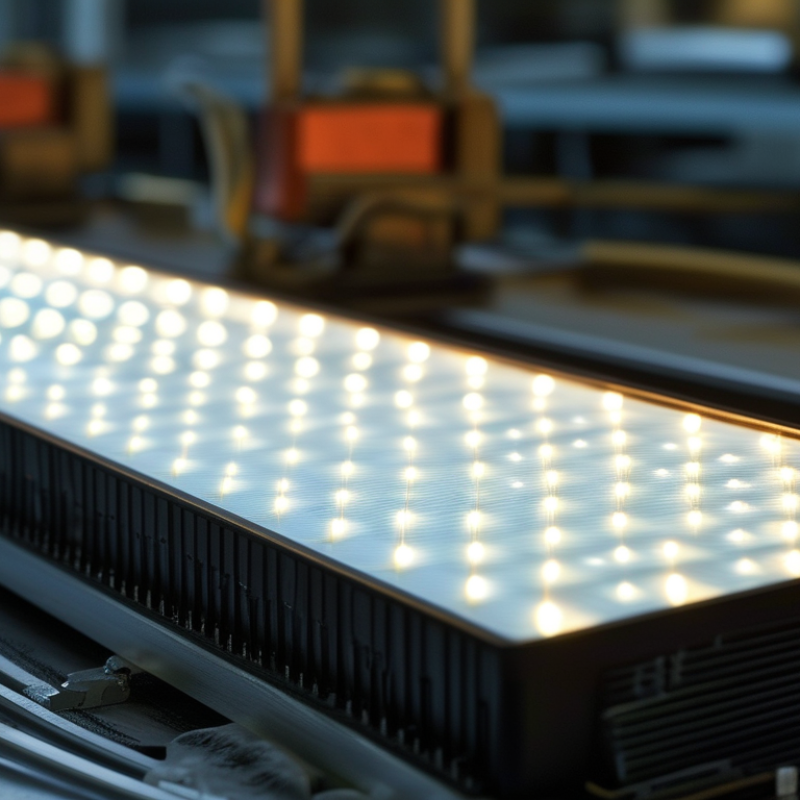
Top 5 Reasons Why Thermal Management is Crucial in LED Lighting?

The Importance of Thermal Management in LED Lighting Systems

Thermal management plays a vital role in LED lighting systems. Efficient heat dissipation is key to ensuring long life and performance. High temperatures can cause LEDs to degrade quickly. This affects brightness and color quality. Effective thermal strategies yield significant benefits.

Designing an LED system requires careful attention to materials and configurations. Heat sinks are essential for absorbing and distributing heat. The right materials enhance thermal conductivity, while poor choices can lead to failures. It's a balancing act between aesthetics and functionality.

Many professionals underestimate the impact of thermal dynamics. There may be a tendency to prioritize brightness over heat management. However, neglecting this aspect compromises overall efficiency. A holistic approach to thermal management can lead to more sustainable solutions. Consider how heat affects every component in the system for optimal performance.

Top 5 Reasons Why Thermal Management is Crucial in LED Lighting

Reason Description Impact on LED Life Effect on Performance
Heat Dissipation Effective thermal management ensures that excess heat is efficiently dissipated. Increases lifespan by up to 50%. Maintains optimal brightness and color accuracy.
Efficiency Proper thermal management enhances the overall efficiency of LED systems. Improves energy savings significantly. Decreases power consumption while maintaining light output.
Reliability Heat can lead to failures; effective management increases reliability. Reduces the rate of premature failures. Ensures consistent performance over time.
Safety Excess heat can pose safety risks; thermal management is critical to prevent accidents. Prevents overheating and potential fire hazards. Ensures safe operation in various environments.
Cost Efficiency Effective thermal management reduces maintenance costs and extends the product lifecycle. Lower replacement costs due to extended lifespan. Improves return on investment for lighting systems.

Understanding Heat Generation in LEDs and Its Impacts

LEDs generate heat during operation, affecting their performance and lifespan. Heat can lead to reduced efficiency and color degradation. This phenomenon arises from the electrical energy converted into light, with a significant portion lost as heat. If not managed properly, it can accelerate electrical component failure, resulting in costly replacements.

To effectively manage heat, consider proper spacing in installations. Allowing air circulation around LEDs can significantly lower temperatures. Regularly inspect fixtures for dust or obstructions that impede airflow. This maintenance ensures that heat can dissipate effectively, prolonging the lifespan of the lighting system.

Additionally, using thermal management solutions such as heat sinks can be beneficial. These components absorb excess heat and disperse it effectively. Choosing materials that conduct heat well can make a significant difference. Remember, even small improvements in heat management can lead to enhanced performance and durability in LED lighting systems.

Consequences of Poor Thermal Management on LED Performance

Thermal management is vital for the longevity and efficiency of LED lighting. Poor thermal management can lead to catastrophic failures. A study from the Department of Energy revealed that improper heat dissipation can reduce LED life by over 50%. This shows how design flaws can significantly impact performance.

High temperatures can exacerbate photodegradation. When LEDs operate beyond their optimal thermal range, light output and color accuracy suffer. A report from the Illuminating Engineering Society noted that heat can contribute to a drop in luminous efficacy of approximately 30%. This deterioration means that the lights consume more energy for less output.

Inadequate thermal management also leads to increased failure rates. Components can wear out faster when exposed to heat stress. A survey found that 40% of LED failures are heat-related. This underlines the importance of proper heat sinks and efficient cooling designs. Addressing these issues requires careful attention to materials and circuit designs. Effective thermal management ensures that LEDs perform reliably over time.

Techniques for Effective Thermal Management in LED Designs

Effective thermal management is critical in LED designs to ensure optimal performance and longevity. LEDs generate heat during operation, which can lead to reduced efficiency and early failure. One key technique involves using heat sinks to dissipate heat. Selecting the right material and size of heat sinks is essential. Aluminum is commonly used due to its excellent thermal conductivity. A larger surface area enhances heat dissipation, cooling the LED efficiently.

Another approach is thermal interface materials (TIMs). These materials improve the connection between the LED and the heat sink. They help transfer the heat away from the LED, minimizing the risk of overheating. Proper application of TIM is crucial. Too much or too little can hinder performance. It’s also important to ensure that the LED is well-sealed to prevent moisture buildup.

Airflow management complements these techniques. Designing fixtures that promote airflow around LEDs can significantly enhance cooling. Incorporating fans or vents in designs can further improve heat dissipation. Regular assessments of thermal performance are necessary. Over time, dust and debris can impede airflow and affect cooling efficiency.

Top 5 Reasons Why Thermal Management is Crucial in LED Lighting

This chart illustrates the importance levels of various reasons why thermal management is critical in LED lighting designs. Effective thermal management directly correlates to increased lifespan, enhanced performance, higher efficiency, cost savings, and improved safety of LED products.

Future Trends in Thermal Management for LED Technologies

Thermal management in LED technologies is evolving. As the demand for energy-efficient lighting grows, effective heat dissipation becomes critical. Higher temperatures can severely reduce the lifespan and performance of LEDs. Current advancements aim to enhance thermal pathways, leading to more reliable products.

New materials are being explored to improve heat sink designs. Graphene and aluminum composites are gaining attention for their thermal conductivity. These materials help in efficiently dissipating heat, thus maintaining optimal LED function. Emerging technologies, like integrated cooling systems, show promise in managing thermal challenges.

However, there's a gap in standard practices regarding thermal testing. Many manufacturers still overlook comprehensive thermal assessments. This inconsistency in quality control can lead to unforeseen failures, impacting overall performance. The industry must address these gaps to promote reliability and longevity in LED lighting technology.

FAQS

: Why is thermal management important for LEDs?

: Thermal management is crucial for LED longevity and efficiency, preventing significant failures.

What happens to LEDs with poor thermal management?

Poor management can reduce LED life by over 50%. This results from improper heat dissipation.

How does high temperature affect LED performance?

High temperatures can cause photodegradation. This leads to reduced light output and color accuracy.

What is the impact of heat on LED energy consumption?

Heat can lower luminous efficacy by around 30%. Lights may then consume more energy for less output.

What are the failure rates related to heat in LEDs?

Approximately 40% of LED failures are heat-related. This highlights the need for better cooling designs.

What materials are being researched for better thermal management?

Researchers are exploring graphene and aluminum composites for their effective thermal conductivity.

What are some upcoming trends in thermal management for LEDs?

Integrated cooling systems and enhanced thermal pathways are emerging to address heat challenges.

Are manufacturers consistently testing thermal performance?

Many overlook comprehensive thermal assessments. This inconsistency can lead to unforeseen failures.

How can better thermal management improve product reliability?

Effective management ensures LEDs perform reliably, extending the overall lifespan and reducing breakdowns.

What gaps exist in current thermal management practices?

Inconsistencies in quality control can impact performance and reliability in LED technology.

Conclusion

Thermal management is crucial in LED lighting for several reasons, primarily due to the heat generated during operation. Heat can significantly affect the performance and lifespan of LEDs, making it essential to understand why thermal management is important in LED lighting. Poor thermal management can lead to decreased efficiency, color shifting, and even premature failure of the lighting system.

Effective thermal management techniques, such as heat sinks and thermal interface materials, play a vital role in ensuring optimal LED performance. As LED technologies continue to evolve, future trends will likely focus on innovative cooling solutions and integrated thermal management systems to enhance reliability and longevity. By prioritizing thermal management, manufacturers can improve not only the performance but also the sustainability of LED lighting systems.

Aria

Aria

Aria is a dedicated marketing professional with a deep passion for innovative strategies and a keen understanding of our company's product offerings. With a wealth of experience in the industry, Aria excels at crafting engaging content that highlights the unique features and benefits of our......