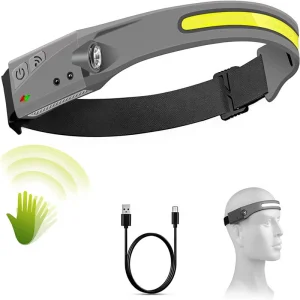
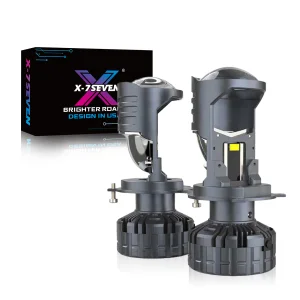
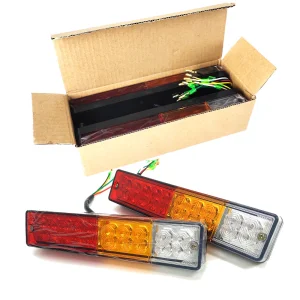
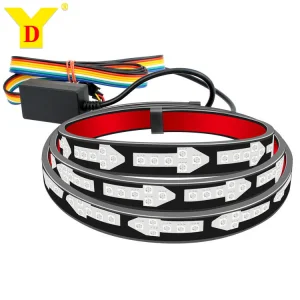
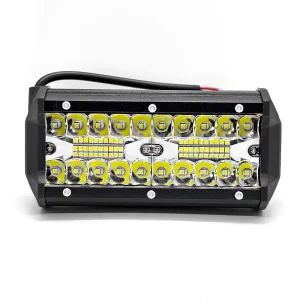
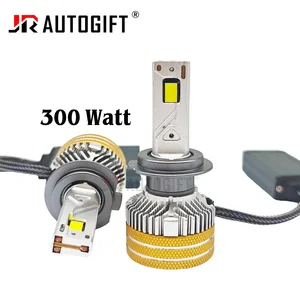
The global automotive sector is undergoing a profound structural shift driven by the dual forces of electrification and digitalization. Central to this evolution is the vehicle's illumination architecture. Once considered merely a basic safety requirement, the modern automotive headlight has transformed into an active optoelectronic node, combining advanced digital communication, adaptive sensing, and high-flux solid-state light engines. The core technologies driving this transformation are high-efficiency, automotive-grade light emitting diodes (LEDs).
This technical whitepaper analyzes the current manufacturing paradigm of CE Certified Automotive Light Emitting Diodes. It evaluates how global OEM procurement teams, automotive Tier 1 suppliers, and aftermarket distribution networks can maximize optical efficiency, guarantee regulatory compliance (such as ECE, CE, and DOT), and mitigate supply-chain vulnerabilities. As vehicle electrification places pressure on power consumption, low-draw, high-reliability LED systems have emerged as a critical element in increasing overall battery range and ensuring road safety under adverse conditions.
Established in 2012, Ningbo DERT Lighting Co., Ltd. is an industry-recognized manufacturer and exporter specializing in automotive lighting systems, LED headlights, and customized vehicle lighting solutions for both the global automotive aftermarket and OEM customers. Located strategically in Ningbo, Zhejiang Province, China—a global logistics and manufacturing hub—the company operates a modern production facility covering approximately 18,000 square meters.
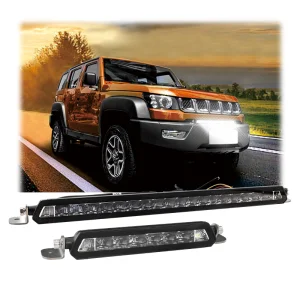
DERT Lighting employs more than 320 skilled professionals across its engineering, manufacturing, quality assurance, research and development, and international sales departments. The team focuses on the design, development, and high-volume production of advanced automotive lighting components. The company's product line includes LED headlight systems, signal lighting solutions, commercial vehicle lighting products, off-road lighting systems, and customized automotive illumination technologies.
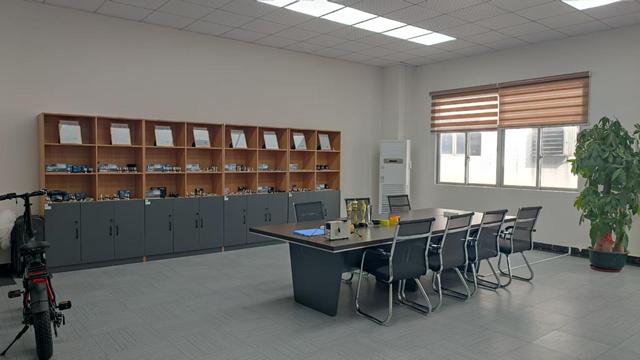
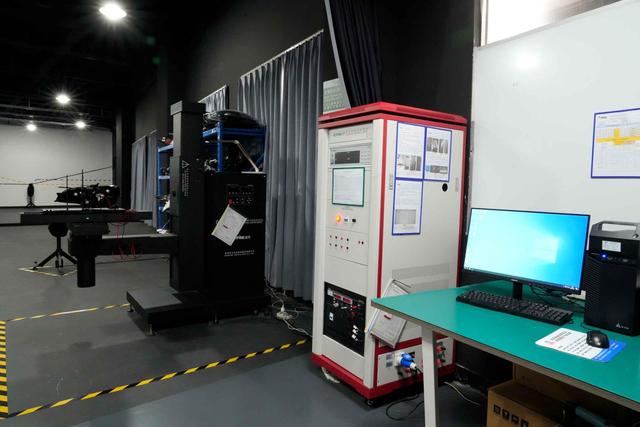
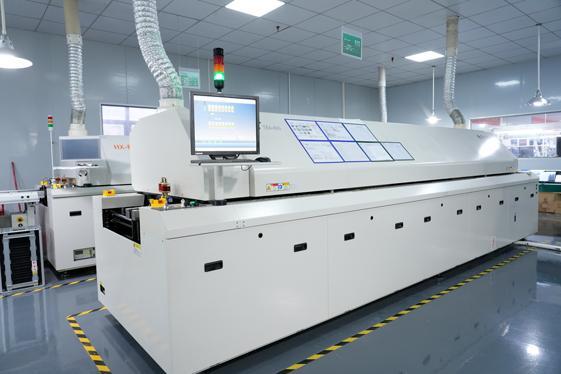
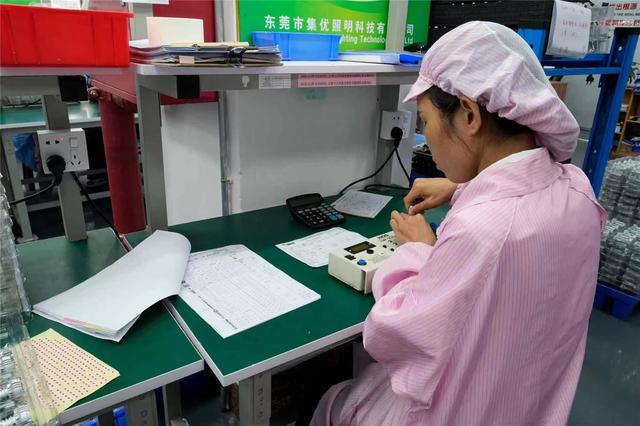
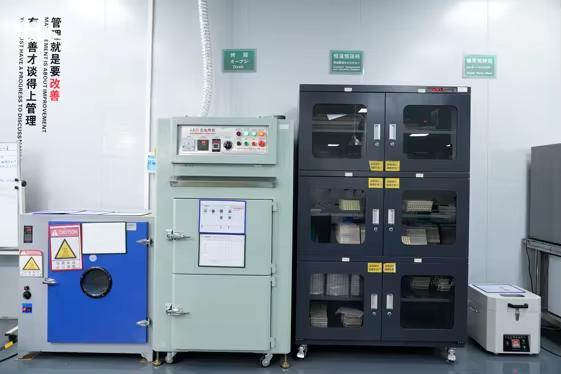
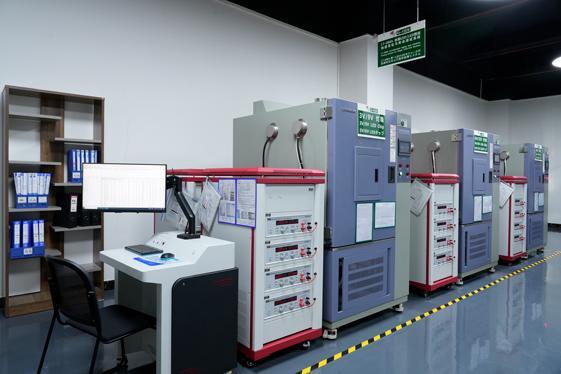
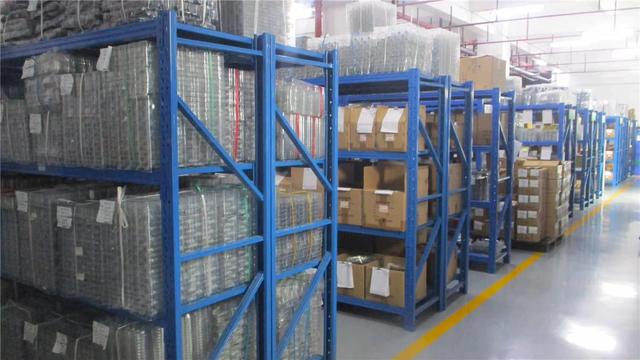
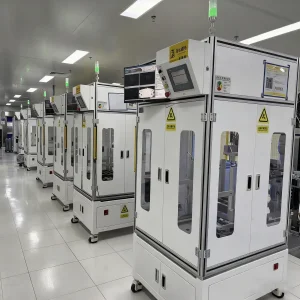
By investing in product innovation, optical design, thermal management technologies, electronic control systems, and manufacturing automation, DERT Lighting integrates advanced production equipment, automated assembly lines, precision testing instruments, and standardized manufacturing processes to support consistent product quality and production efficiency. To maintain our reputation as a trusted manufacturing partner, quality management is integrated throughout every stage of production—from raw material sourcing and component inspection to assembly, performance testing, durability evaluation, and final quality verification.
Procuring automotive-grade light emitting diodes is highly complex compared to general commercial lighting. Tier 1 system integrators and automotive OEMs assess suppliers based on strict performance criteria, long-term durability, and supply chain reliability. Procurement strategies focus on the following key metrics:
As electric vehicles (EVs) become dominant, energy conservation is a primary engineering goal. Traditional halogen headlamps draw 55W to 100W per side, whereas high-efficacy LED modules deliver superior lumen output while drawing only 15W to 25W. This power reduction directly increases the vehicle's driving range and reduces load on the 12V DC-DC converters.
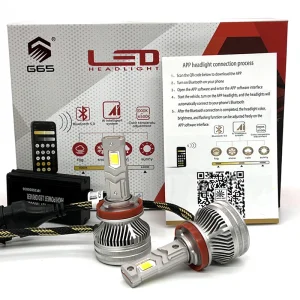
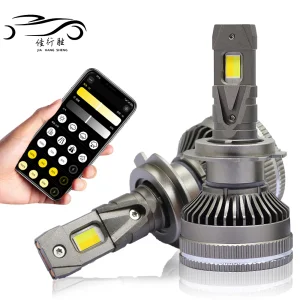
Modern vehicles use integrated bus systems (CAN/LIN) to manage smart lighting components. DERT Lighting's customizable smart LED bulbs use built-in controllers to communicate directly with the vehicle's body control module (BCM). This configuration allows for instant diagnostic feedback, thermal throttling protection, and dynamic light level adjustments based on ambient environment inputs.
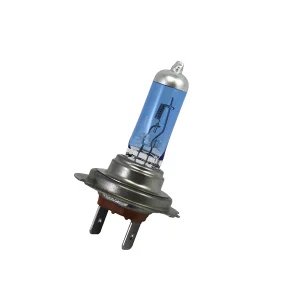
For existing vehicle fleets, retrofitting older halogen structures with CE-certified LED replacements is a cost-effective way to upgrade safety and aesthetic appeal. Our plug-and-play engineering designs provide instant upgrades without requiring wiring harnesses modifications, while ensuring the beam pattern meets local traffic safety requirements.
Developing dependable solid-state automotive lighting requires expertise in optical, thermal, and electrical engineering. The DERT Lighting research and development roadmap focuses on resolving the physical limits of LED technology:
Traditional LEDs use ceramic substrates with high thermal resistance, which limits their power capacity. In contrast, DERT Lighting designs utilize high-conductivity metal-core printed circuit boards (MCPCBs) paired with active fan cooling. This design reduces system thermal resistance to below 1.5 K/W, allowing the LED to run continuously at peak brightness without thermal degradation.
In the automotive safety sector, regulatory compliance is non-negotiable. "CE Certified" indicates conformity with health, safety, and environmental protection standards for products sold within the European Economic Area. However, for automotive LED applications, this certification must be integrated with automotive-specific testing:
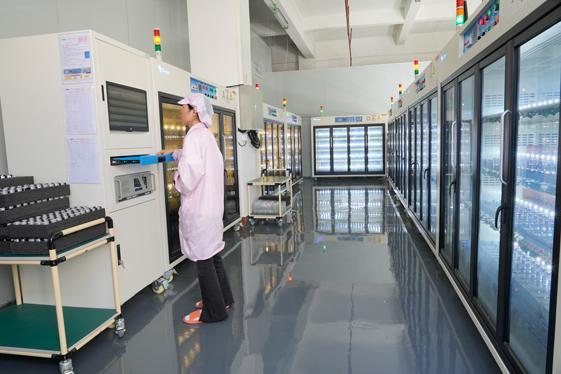
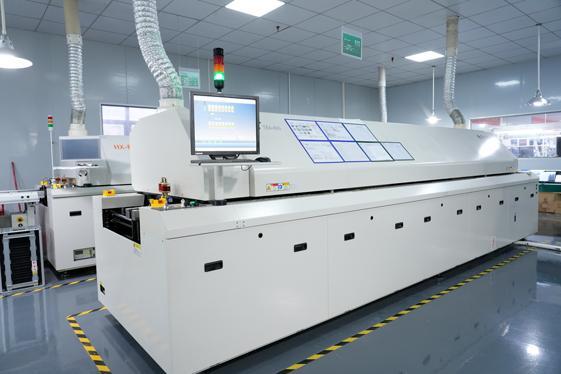
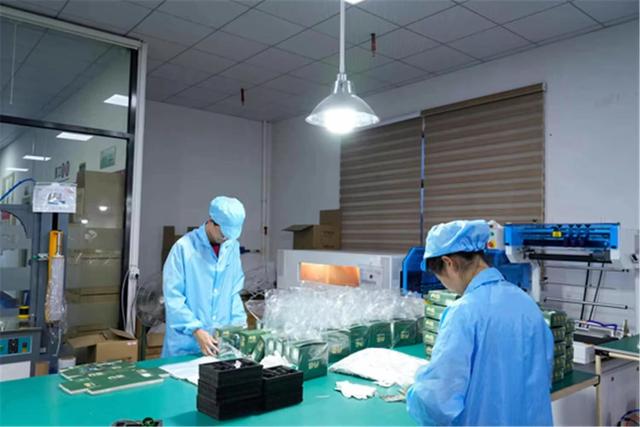
Ningbo DERT Lighting Co., Ltd. coordinates a global export network serving North America, Europe, South America, Southeast Asia, and the Middle East. Our manufacturing infrastructure is designed for operational flexibility:
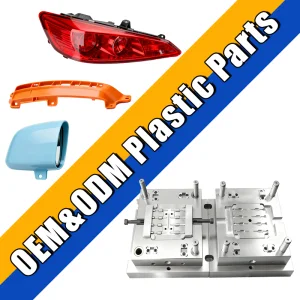
We provide comprehensive OEM and ODM services, managing the process from initial design sketches and rapid prototyping to optical simulation, tool creation, and injection molding. We offer customized product specifications, private-label packaging options, and support for emerging electric vehicle startups as well as established aftermarket distributors. Our modern production planning and automated assembly lines help ensure stable lead times and consistent product quality, even during periods of changing global demand.
CE certification verifies that the electronic and electromagnetic designs of automotive LED bulbs meet European safety, health, and environmental standards. It ensures that the built-in drivers will not cause electrical interference, present shock hazards, or overheat, making them safe for installation in consumer and commercial vehicles.
We use a multi-stage thermal management design: high-conductivity copper substrates (MCPCB) transfer heat from the LED chip, double copper vacuum heat pipes draw it away, and aviation-grade aluminum heat sinks with high-RPM cooling fans dissipate it into the ambient air. This keeps junction temperatures low, protecting the diode and preventing output drop.
Yes. By using precise CSP/COB LED arrays positioned to match the exact dimensions and focal point of a standard halogen filament, DERT Lighting designs produce an accurate asymmetric beam pattern. This delivers a clear cutoff line, improving visibility without blinding oncoming traffic.
Our 18,000-square-meter facility supports full-cycle custom development. This includes specialized plastic injection molding for custom headlight housings, tailoring circuit board architectures to match specific voltage and CANbus setups, modifying optical lens profiles, and designing custom brand packaging.
 DERT Lighting