Explore our top-tier CE-certified components engineered for optimal luminous flux, high precision, and extreme driving conditions.
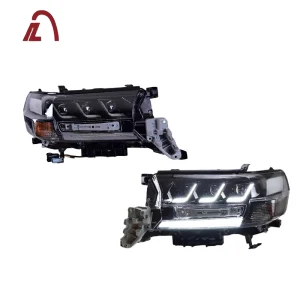
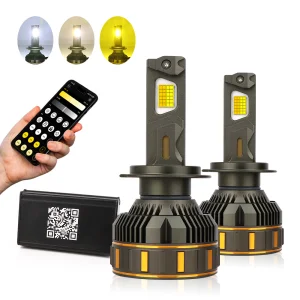
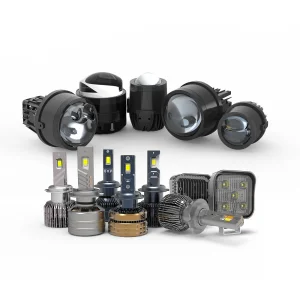
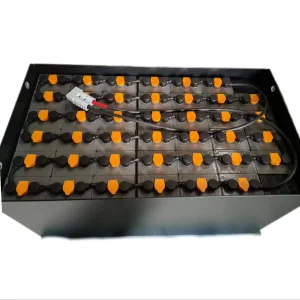
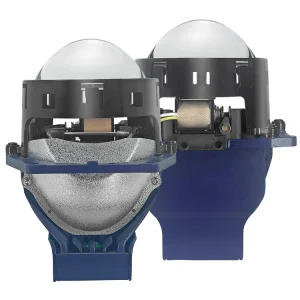
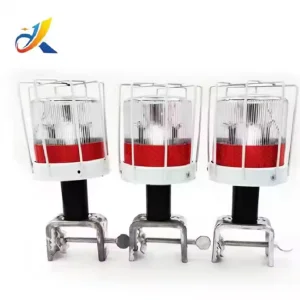
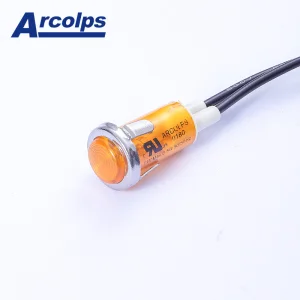
In modern intelligent vehicles, lighting has transcended its original purpose of simple road illumination. Modern automotive illumination is key to Visual Communication Lighting (VCL), operating as an active element of the Advanced Driver Assistance Systems (ADAS) and vehicle-to-everything (V2X) ecosystem. VCL systems process real-time environmental data to project path indicators, illuminate road hazards, and display signaling indicators to pedestrians and surrounding vehicles.
As dynamic indicator systems, matrix LED arrays, and adaptive high beams become standard across passenger and commercial segments, automotive procurement managers are prioritizing optical systems that meet both stringent aesthetic designs and international regulatory compliance. Working with a CE Certified Manufacturer ensures that every module is built to strict safety, electromagnetic compatibility, and operational reliability standards.
Established in 2012, Ningbo DERT Lighting Co., Ltd. is a professional manufacturer specializing in automotive lighting systems, LED headlights, and vehicle lighting solutions for global automotive aftermarket and OEM customers. Located in the manufacturing hub of Ningbo, Zhejiang Province, China, our modern production facility covers approximately 18,000 square meters. The plant operates with more than 320 skilled professionals across dedicated engineering, manufacturing, quality assurance, research and development, and international sales departments.
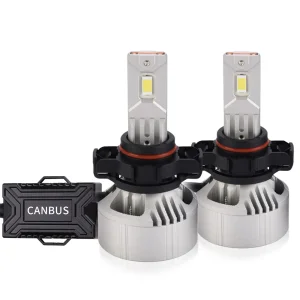
DERT Lighting focuses on the design, development, and production of high-performance automotive lighting products, including LED headlight systems, vehicle lighting assemblies, signal lighting solutions, commercial vehicle lighting products, off-road lighting systems, and customized automotive illumination technologies. Supported by an experienced engineering team, DERT Lighting continuously invests in product innovation, optical design, thermal management technologies, electronic control systems, and manufacturing automation to ensure global buyers receive high-quality automotive solutions.
How Ningbo's industrial ecosystem and automated manufacturing deliver cost efficiencies and technical advantages to international importers.
Located in Ningbo, Zhejiang Province, our facility stands near the Port of Ningbo-Zhoushan, the world's busiest port by cargo tonnage. This location minimizes transit times for shipping raw materials and significantly reduces global shipping costs for containerized cargo destined for Europe, North America, and Southeast Asia.
The Yangtze River Delta region hosts an unmatched cluster of raw material suppliers, high-precision injection tooling plants, chip manufacturers, and surface-treatment specialists. This allows us to source raw components rapidly and implement vertical integration in production.
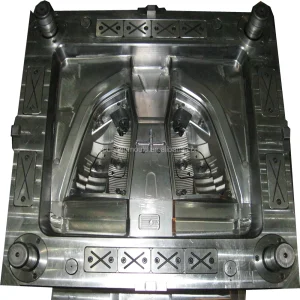
Utilizing high-end injection molds and precision tooling, we minimize cosmetic defects and design discrepancies. Our engineering capability supports fast prototyping cycles, reducing the design-to-market timeline to as short as 45 days.
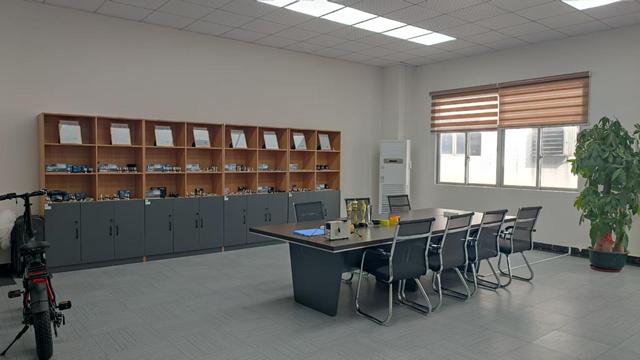
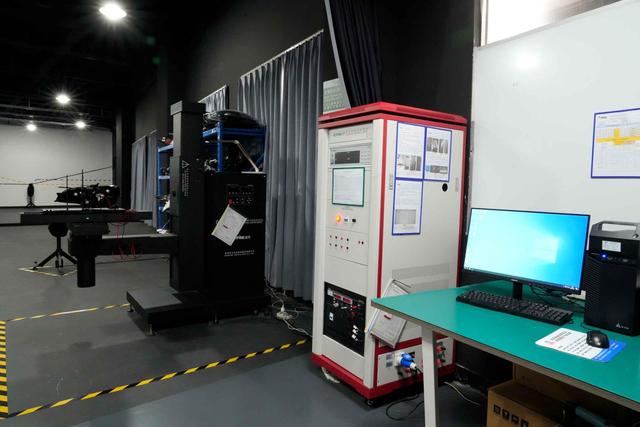
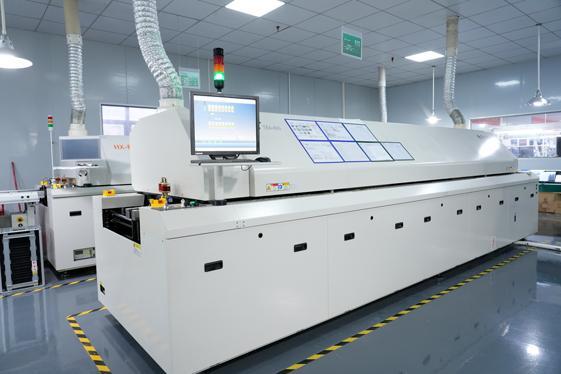
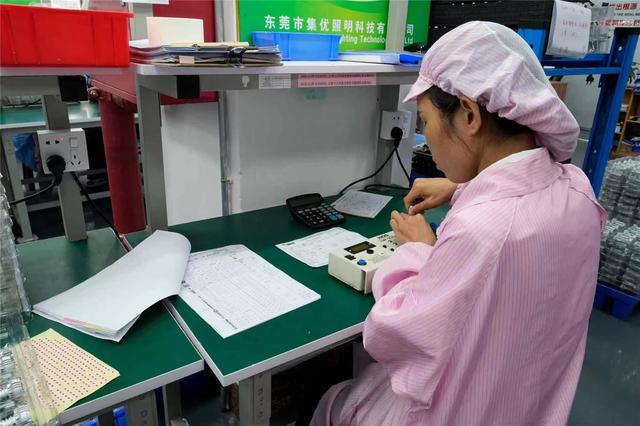
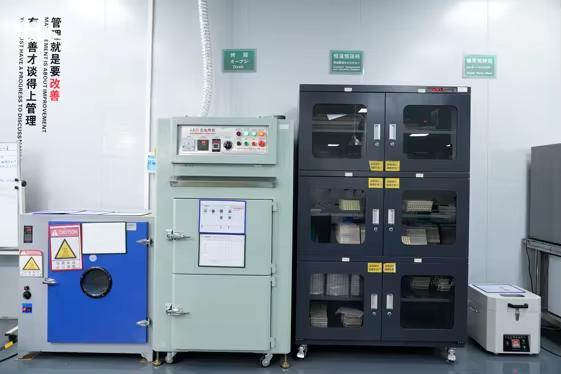
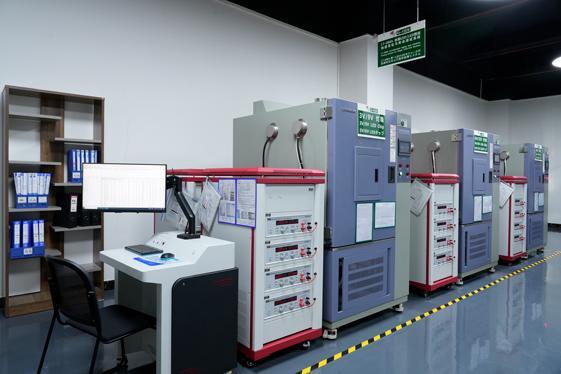
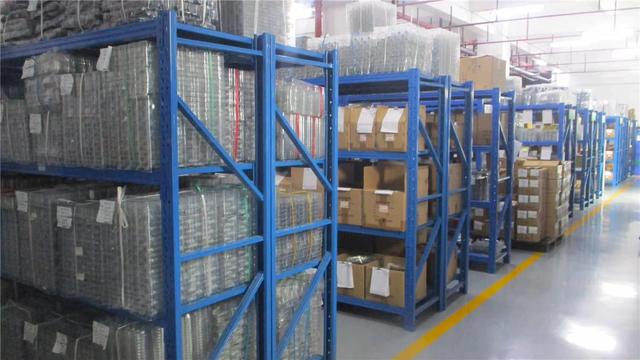
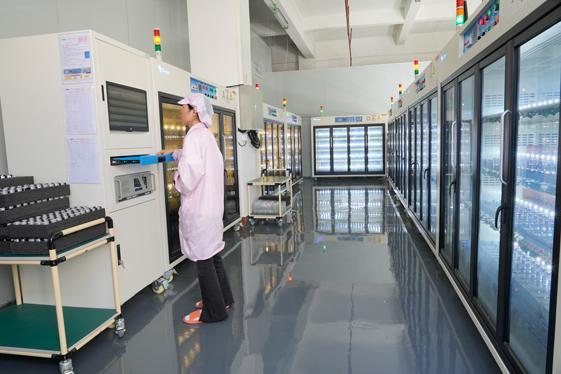
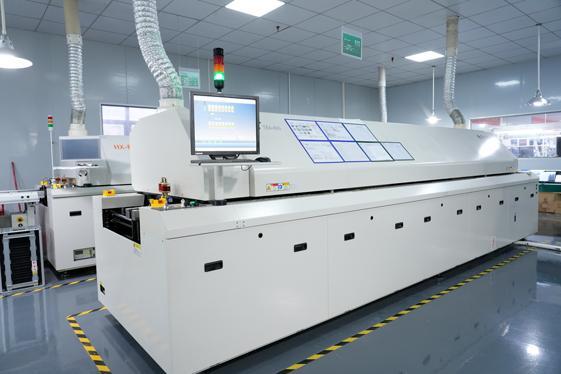
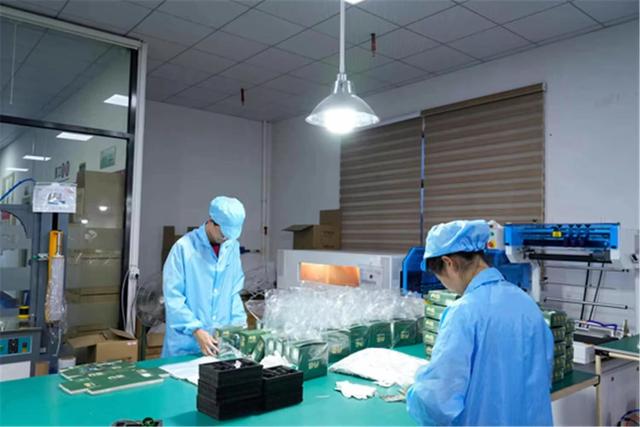
Our quality management is implemented throughout every stage of production, from raw material sourcing and component inspection to assembly, thermal profiling, photometric testing, and final quality verification. The factory images below display our precision manufacturing floors, testing labs, and raw stock management yards, highlighting our operational transparency and commitment to high manufacturing standards.
Selling automotive electronics internationally requires strict adherence to local regulatory frameworks. Without verified compliance, importers face customs rejection, product recalls, and liability concerns. Here is how we verify compliance for global jurisdictions:
CE marking confirms compliance with European directives, specifically the EMC Directive (2014/30/EU), ensuring electrical lighting components do not emit electromagnetic interference (EMI) that disrupts on-board radar, GPS, or communications. It also covers the RoHS Directive (2011/65/EU) restricting hazardous substances in components.
For lighting components used on public roads in Europe, compliance with ECE regulations is necessary. Our optical engineering department designs lenses and LED matrices that produce defined cut-off lines to prevent blinding oncoming traffic.
For North American markets, our designs align with Federal Motor Vehicle Safety Standard 108, which dictates light output levels, beam patterns, and color metrics for indicator and signaling assemblies.
To assist regional distributors, we supply complete localization support files, including:
We work with global buyers, including Tier-1 automotive integrators, fleet managers, and aftermarket importers, tailoring our processes to meet their specific criteria:
| Procurement Metrics | OEM Requirements | Ningbo DERT Execution Capability |
|---|---|---|
| Defect PPM Levels | < 50 Parts Per Million (PPM) | Rigorous AOI (Automated Optical Inspection) and End-of-Line testing. |
| Thermal Cycling | -40°C to +105°C ambient testing | Climatic test chambers simulating thermal shock and humidity over 500 hours. |
| Water Ingress Protection | IP67 / IP69K sealing certification | Use of high-grade silicone seals and automated gluing to prevent moisture ingress. |
| Supply Chain Traceability | Batch-level component tracking | Integration of ERP and MES systems tracing sub-components from source materials. |
DERT Lighting provides flexible OEM and ODM services. This includes complete dynamic light source customization, CAD styling, custom injection mold development, branding support, customized retail packaging, and private-label manufacturing programs.
The global automotive lighting sector is shifting from static halogen and HID systems toward intelligent solid-state lighting (SSL). Our R&D is focused on three major industry trends:
Modern vehicles use matrix systems to dynamically cast shadows over oncoming vehicles while maintaining high-beam illumination elsewhere. This relies on precision optical lenses and fast semiconductor drivers to maintain safe visibility.
High-powered LEDs generate significant heat at the junction point. Our thermal management designs combine copper PCBs, thermodynamic heat sinks, and active temperature-monitoring sensors to prevent lumen degradation.
Modern applications require visual communication systems like animated hazard indicators, high-brightness industrial beacons, and status lamps, which provide critical safety signaling in heavy traffic and industrial zones.
Below we address common technical and regulatory questions from automotive lighting procurement teams:
Examine additional components engineered for passenger cars, off-road vehicles, and heavy-duty machinery.
 DERT Lighting