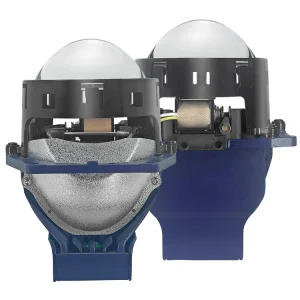
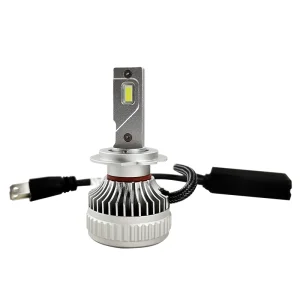
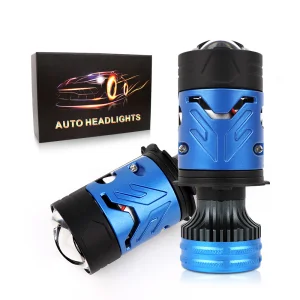
In the rapidly changing landscape of global illumination, sourcing CE Certified LED strip lighting requires more than choosing a vendor off a directory. It demands a partnership with a manufacturer capable of crossing the high-reliability protocols of the automotive sector over to commercial, industrial, and architectural lighting designs. Established in 2012, Ningbo DERT Lighting Co., Ltd. has stood at the intersection of high-spec optoelectronics, automotive systems, and advanced PCB fabrication.
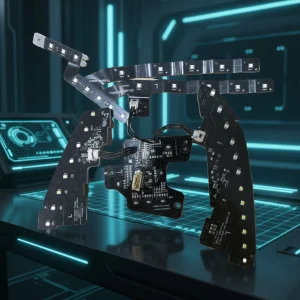
Operating out of a modern, vertically integrated 18,000-square-meter facility in Ningbo, Zhejiang Province, DERT Lighting leverages the talents of over 320 skilled professionals across R&D, optics, thermal engineering, and international sales. By applying rigorous automotive standards (derived from our history with complex systems like LED headlight modules, rigid-flex PCBA, and heat-sink active cooling assemblies) to LED strip light manufacturing, we provide our global partners with unmatched product durability, exact color binning (SDCM < 3), and verified regulatory safety.
The global market for commercial linear lighting has shifted from basic decorative illumination to critical, energy-saving infrastructure systems. Architectural facades, sterile pharmaceutical laboratories, complex automated warehouses, and specialized vehicle cabins now demand high-density LED strips with predictable performance metrics over their lifetime.
Within the European Union and associated economic areas, the CE (Conformité Européenne) mark is not a decorative badge—it is a legal requirement. Any LED strip system imported, distributed, or installed in commercial spaces must comply with several essential directives:
Governing the electrical safety of systems operating between 50–1000V AC and 75–1500V DC. For LED strips, compliance with EN 60598-2-21 is mandatory, ensuring the mechanical construction prevents shock risks, short circuits, and localized heating hazards.
Ensuring the LED driver and strip assemblies do not emit electromagnetic interference (EMI) that disrupts nearby communication networks, wireless routers, or safety equipment, while also ensuring the system itself is immune to external electrical noise.
Restricting toxic compounds such as lead, cadmium, and polybrominated biphenyls (PBB) in the solder, PCB trace layout, and encapsulation polymers. Compliance safeguards both environmental disposal and workplace health during installation.
As an experienced manufacturer, DERT Lighting operates beyond standard checkpoints. By combining our specialized electronics assembly and thermal dissipation expertise, we construct LED strip lights that operate with high energy efficiency, low thermal stress, and certified safety. Our customers bypass import roadblocks, project delays, and insurance disputes by utilizing our fully documented, accredited lab reports.
Modern commercial LED strips require exact thermal, electrical, and optical engineering to maintain brightness, efficiency, and color accuracy over time.
While traditional SMD 2835 and 5050 packages remain useful for general lighting, our technical roadmap prioritizes high-density COB (Chip-on-Board) packaging. COB strips mount the diode chips directly onto the flexible PCB, eliminating the plastic packaging cup. This provides a continuous, dot-free linear light source and reduces thermal resistance by up to 30%, which extends the product's operating life.
Voltage drop is a common issue with low-grade strip lighting. DERT Lighting utilizes dual-layer, 3oz/4oz copper traces instead of the standard 1oz or 2oz traces. This extra thickness lowers electrical resistance, allowing for longer runs without brightness fading, while improving heat dissipation away from the LED junctions.
For outdoor and harsh industrial locations, we apply liquid silicone co-extrusion rather than cheaper Epoxy or PU sealants. Our silicone encapsulation is highly resistant to UV yellowing, matches chemical exposure limits, and maintains flexibility from -40°C up to +120°C.
| Technical Parameter | Standard Industry Grades | DERT Lighting Premium Spec | Primary Engineering Benefit |
|---|---|---|---|
| Color Consistency | 5-Step MacAdam Ellipse | < 3-Step MacAdam (SDCM < 3) | Identical color appearance across multiple production runs and project zones. |
| Color Rendering Index (CRI) | Ra > 80 / R9 > 0 | Ra > 95 / R9 > 90 | Accurate color representation for high-end retail, museums, and medical environments. |
| PCB Copper Weight | 1 oz or 2 oz | 3 oz / 4 oz Double-Sided FPCB | Prevents voltage drop across long runs and lowers junction temperatures. |
| Lumen Maintenance (L70) | 25,000 to 30,000 Hours | > 60,000 Hours (Tested to LM-80) | Reduces replacement costs and maintenance in hard-to-reach commercial architectural locations. |
| Dimming Compatibility | Simple PWM / Triac Only | 0-10V, DALI-2, DMX512, ZigBee, Casambi | Smooth, flicker-free dimming down to 0.1% for advanced smart building integration. |
High-performance linear lighting is used in many industries. Our CE-certified LED strip lighting systems are engineered to meet the demands of these distinct sectors:
In premium retail and architectural projects, color accuracy and smooth light output are essential. DERT's high-CRI (Ra > 95) LED strips prevent visible dots on reflective surfaces, maintaining the aesthetic of natural light in galleries and displays.
Controlled environments require sealed, dust-free fixtures that resist chemical cleaners. Our silicone-extruded IP68 strip systems handle regular sanitation cycles, high humidity, and temperature shifts without yellowing or cracking.
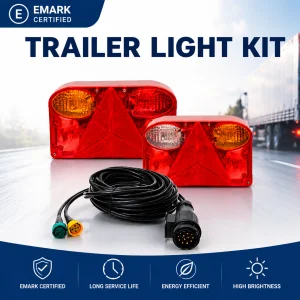
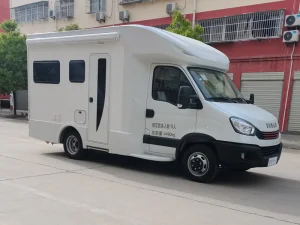
Using our background in automotive engineering, we build custom low-voltage LED strips designed for commercial vehicles, ambulances, off-road trucks, and high-end RVs. These assemblies handle vibration, thermal shifts, and fluctuating voltage systems.
Located in Ningbo's industrial area near one of the world's busiest container ports, DERT Lighting operates an optimized supply chain that ensures production stability and competitive costs.
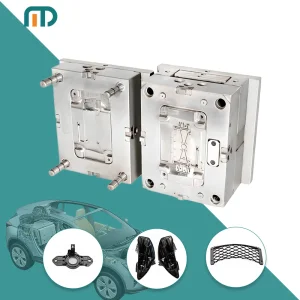
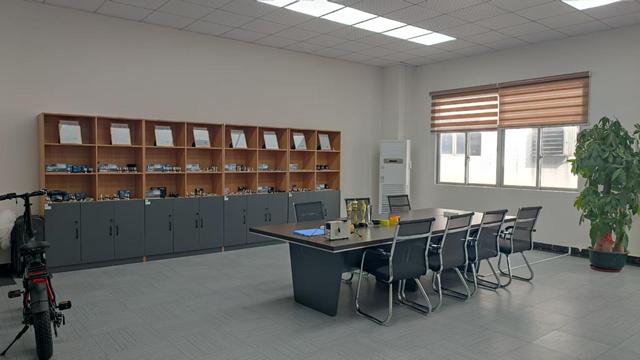
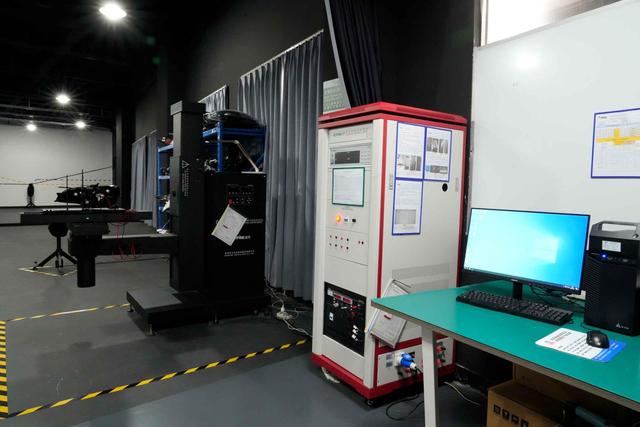
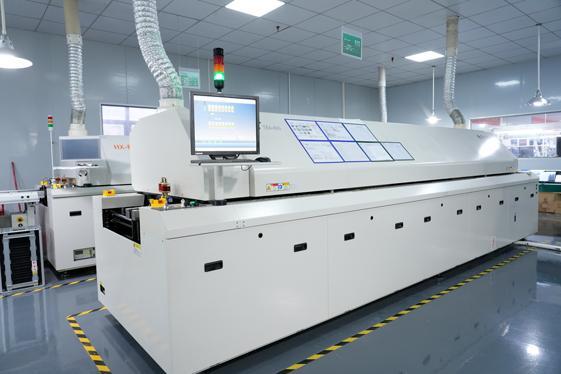
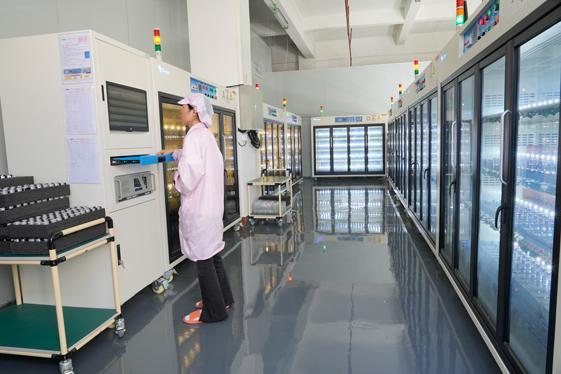
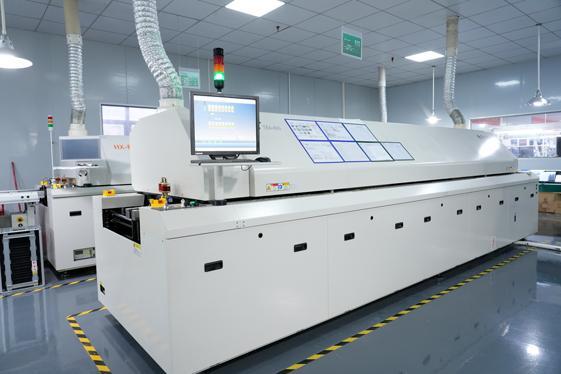
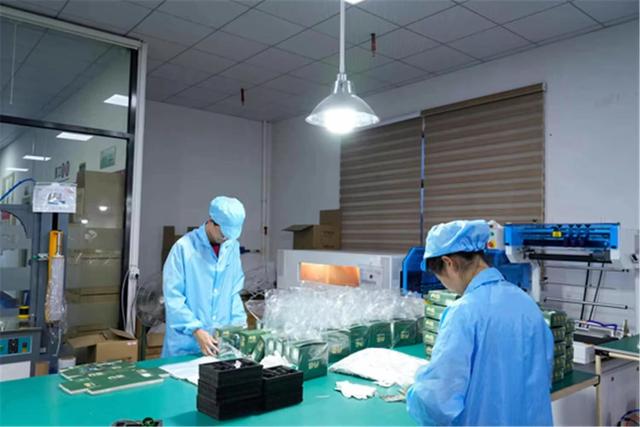
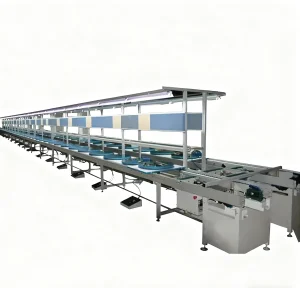
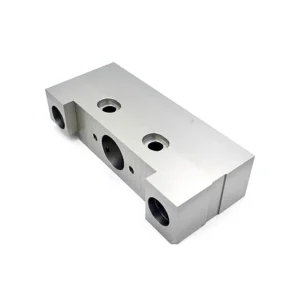
We handle production in-house to protect quality and control delivery schedules. Our 18,000-square-meter facility features automated SMT lines, high-precision CNC metal machining stations, in-house plastic injection molding for optics, and custom packaging departments.
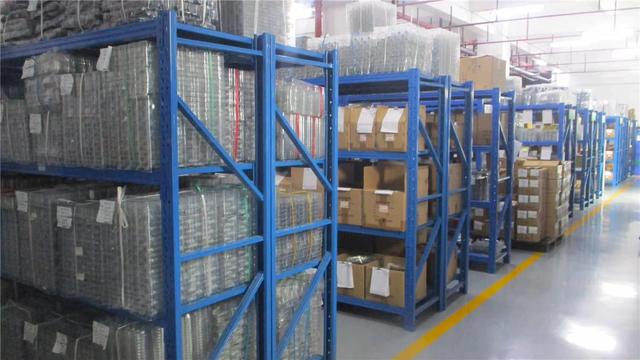
To manage supply risks, we purchase key electronic components directly from verified silicon and phosphor suppliers. This direct sourcing keeps production moving steadily, even when global logistics are disrupted.
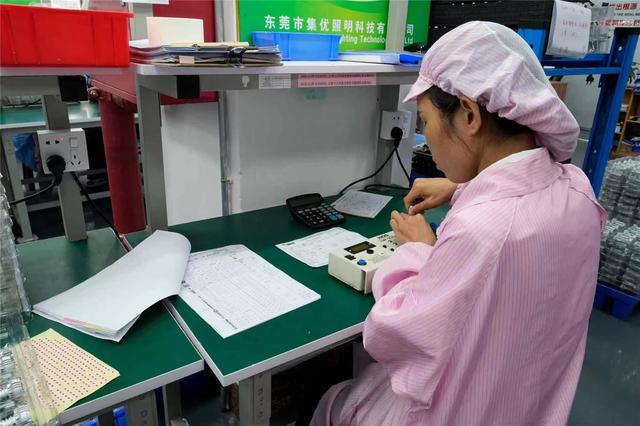
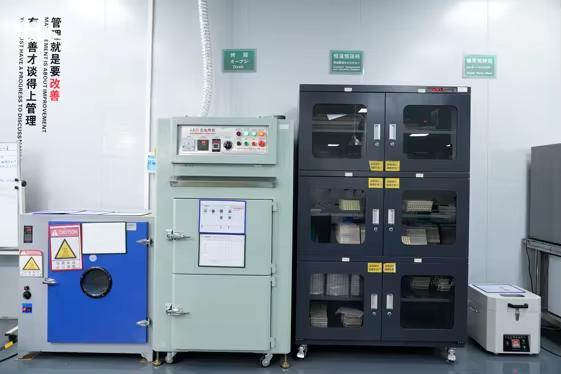
Every batch of LEDs, solder paste, and flexible copper backings is logged and tracked to ensure consistent performance from the raw materials to the finished strip.
High-speed SMT placement lines run continuously under dust-free conditions, reducing human error, maintaining precise soldering, and speeding up order completion.
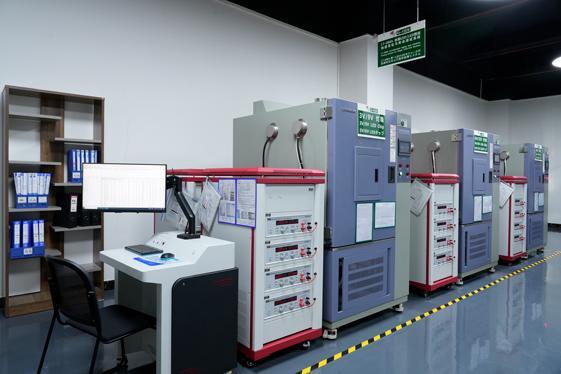
Every production run goes through automated optical inspection (AOI), color spectrophotometer validation, and thermal cycling tests before shipment.
Sourcing internationally requires clear communication, consistent standards, and reliable logistics. We support our global customers with a complete range of localization services.
We work closely with compliance officers and procurement managers. Our technical files contain complete documentation, including dialux design files, spectrum data, thermodynamic simulations, CE declarations, and RoHS certificates.
We provide full documentation for regional import requirements, including LVD and EMC reports, to help clear customs smoothly.
Our engineering team designs custom PCB widths, specific LED arrangements, and unique cabling configurations to match your project parameters.
Located near the Port of Ningbo, we offer flexible shipping options, including consolidated sea freight, express air shipping, and door-to-door delivery with duty handling.
These detailed answers address common technical questions from optical engineers and commercial buyers.
 DERT Lighting