Explore our high-performance automotive projector lenses, safety warning assemblies, and specialty lighting systems engineered for global distribution.
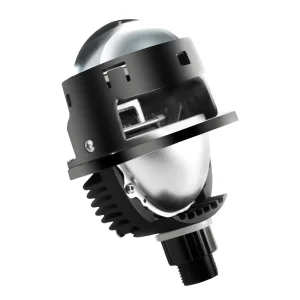
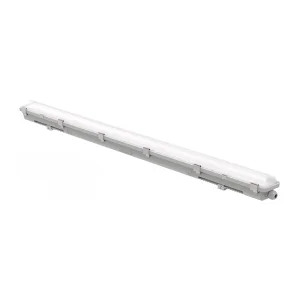
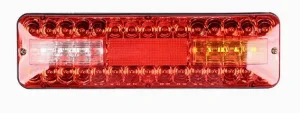
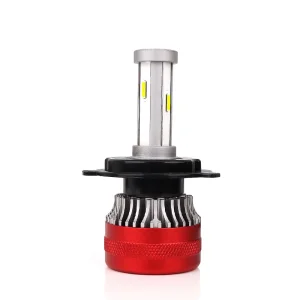
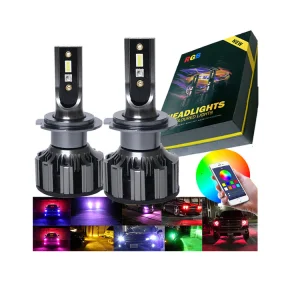
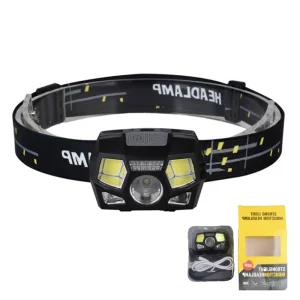
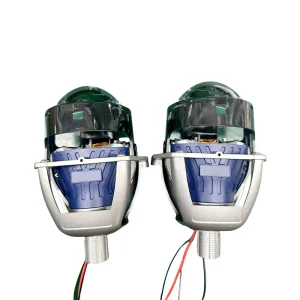
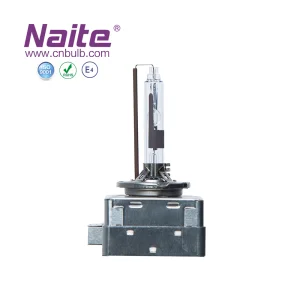
Ningbo DERT Lighting Co., Ltd. integrates advanced optical research with industrial manufacturing capabilities to serve international automotive markets.
The modern automotive industry is undergoing a fundamental transformation. Transitioning from basic halogen and high-intensity discharge (HID) configurations, contemporary automotive designs rely extensively on sophisticated optical technologies. Within this landscape, Vehicle Light Distribution Systems (LDS) act as critical systems responsible for ensuring driver safety, path visibility, and regulatory compliance across diverse jurisdictions. As a specialized engineering field, optical distribution in vehicle light design requires the precise control of electromagnetic radiation in the visible spectrum. This must balance high-intensity illumination with the prevention of blinding glare for oncoming road users.
For global procurement managers, Tier-1 automotive suppliers, and aftermarket distributors, choosing a manufacturing partner demands a technical assessment of optical engineering capabilities, automated assembly infrastructure, and rigorous compliance testing. Ningbo DERT Lighting Co., Ltd., based in Ningbo, Zhejiang Province, operates at the center of this technological segment, delivering precision-engineered solutions tailored for global passenger, commercial, and industrial vehicle markets.
At the center of any modern headlight assembly is the optical lens and reflector mechanism designed to project, refract, and shape light beams. To achieve optimal light distribution, manufacturers must manipulate three main optical elements: the light source (such as high-efficacy LED dies or HID burners), the optical reflector, and the projection lens. The light beam must adhere to sharp horizontal and diagonal cut-offs (the Z-beam or step-beam patterns) to prevent light from spilling above the horizon into the eyes of oncoming drivers.
Adaptive Front-lighting Systems (AFS) and Adaptive Driving Beam (ADB) systems represent the current state of technology in light distribution. By integrating real-time sensor inputs, vehicle speed data, and steering angles, smart projection systems like our 3inch AFS Bi Led Projector Lens automatically adjust the beam direction and width. This dynamically optimizes illumination when cornering, driving at high speeds on highways, or navigating residential areas. Our engineering process utilizes Computational Fluid Dynamics (CFD) to predict heat dissipation, combined with Advanced Optical Ray-Tracing Software (such as LightTools and LucidShape) to simulate light patterns. This ensures every lumen is efficiently projected onto the road surface without unwanted scattering.
Establishing an efficient supply chain is critical to the economic viability of automotive component manufacturing. Ningbo, China, is one of the world's most concentrated clusters for automotive electronics and injection-molded precision parts. This geographical positioning provides Ningbo DERT Lighting Co., Ltd. with access to key upstream resources, including:
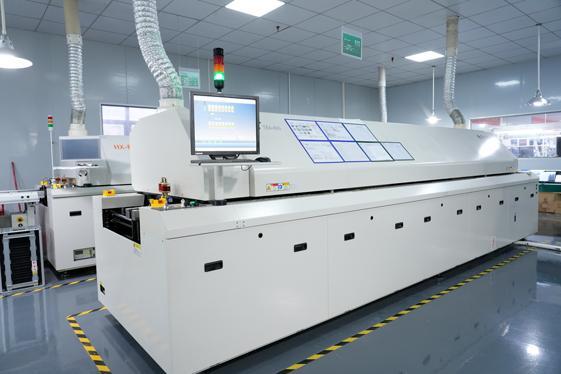
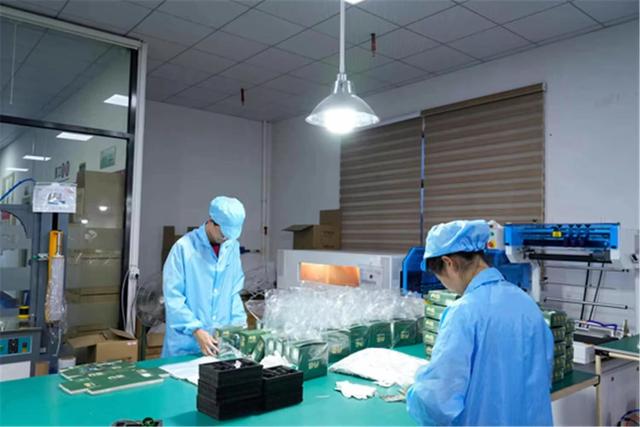
By leveraging these regional advantages, we maintain vertical integration over the entire production cycle. Our capabilities span from initial CAD styling and optical simulation to PCB assembly (PCBA), precision plastic injection molding, vacuum metallization, clean-room assembly, and rigorous photometrical validation.
Procuring automotive components for industrial, fleet, or retail distribution requires detailed compliance check sheets. Global buyers look for verified parameters across multiple operational metrics:
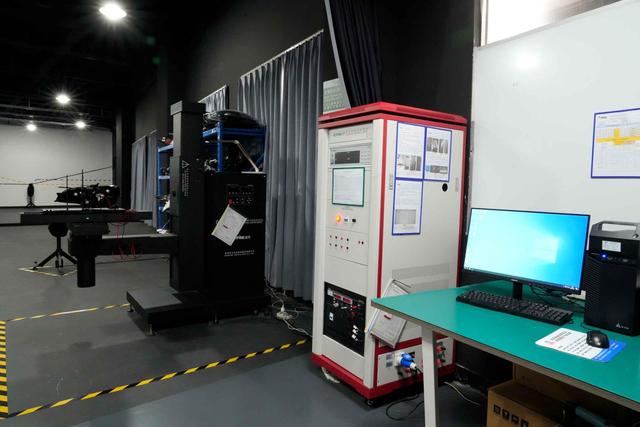
Optical and Photometrical Output: Light systems must be measured using goniophotometers to determine the luminous flux (lumens), luminous intensity (candela), and color temperature (Kelvin). In high-performance settings, stable color rendering indexes (CRI > 80) and consistent color bins are required to avoid patchiness or yellowing of the beam at the cut-off boundary.
Thermal Mitigation Protocols: LED junctions degrade rapidly when temperatures exceed 120°C. Therefore, robust thermal management is a core differentiator. Our designs integrate active cooling (dual-bearing high-speed fans) or passive cooling (extruded aluminum heatsinks with high thermal conductivity interfaces) to maintain junction temperatures well below critical levels. This extends the operational lifespan of the system to more than 50,000 hours.
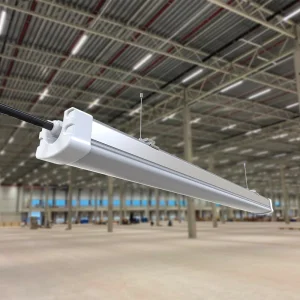
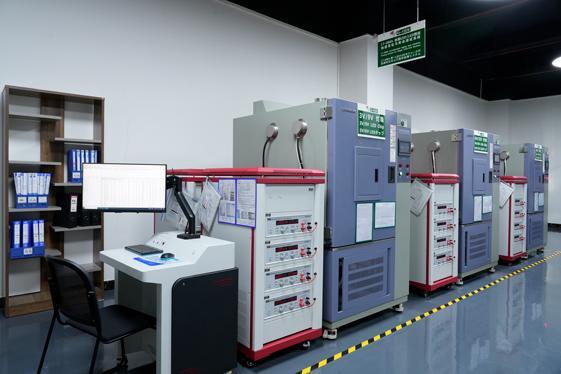
Ingress Protection and Environmental Durability: Industrial applications, including emergency vehicles and off-road fleets, require light systems to withstand extreme environmental challenges. Our IP65 / IP69K Waterproof Led Triproof Lights and dynamic signal assemblies undergo rigorous tests in climate chambers. These cycles simulate extreme thermal shocks (from -40°C to +85°C), high-humidity exposure, salt fog corrosion, and high-pressure steam jet washes.
Vehicle lighting is highly regulated, with standards varying significantly across regions. A primary challenge for international distributors is aligning product designs with local traffic regulations. DERT Lighting offers dedicated localization services to ensure compliance across different global markets:
ECE Regulations (UN ECE R112, R123, R149): Applied in Europe and most parts of Asia, ECE standards mandate asymmetric beam patterns with a distinct cutoff line to prevent blinding oncoming traffic in Left-Hand Drive (LHD) or Right-Hand Drive (RHD) configurations. We calibrate the internal shutter mechanisms of our projector lenses to meet these asymmetric beam requirements.
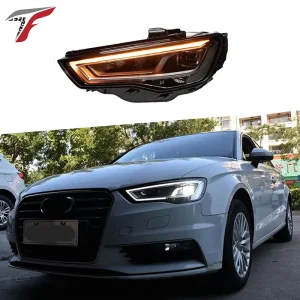
SAE/DOT Standards (FMVSS 108): Applicable in North America, US DOT regulations focus on symmetric beam patterns, requiring specific visual aiming indicators and distinct photometric test points. DERT Lighting designs compliant vehicle headlamps with the necessary mechanical indicators and photometrical distributions for the US market.
CCC (China Compulsory Certification) and regional standards: For brands distributing directly in China or South America, we assist in securing local certifications. This includes providing complete engineering documentation, mechanical drawings, and photometrical reports for compliance testing.
The automotive lighting industry is shifting toward digitalization. Traditional single-source lights are being replaced by high-definition dynamic light matrices. In this setup, individual LED pixels are controlled dynamically by camera-linked ECUs, creating a glare-free high beam that can project safety symbols onto the road.
Sustainability is also driving materials and manufacturing research. We are continuously improving energy efficiency to reduce load on electric vehicle (EV) high-voltage battery systems. By using highly reflective coatings and maximizing lens light transmission, DERT Lighting minimizes power consumption. This supports the extended driving ranges required by next-generation electric and autonomous vehicles.
Advanced optical design, automated manufacturing, and engineering capabilities tailored for global vehicle programs.
We design and manufacture assemblies that conform to UN ECE, US FMVSS 108, and China GB standards, supporting LHD and RHD countries.
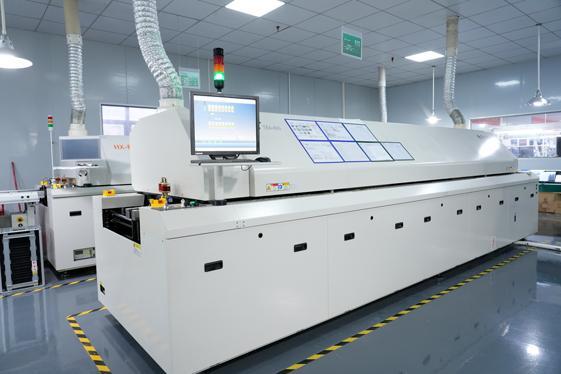
Our surface mount technology lines and automated optical inspections ensure reliability for critical LED driver electronics.
From initial design to rapid prototyping and production, we offer customized logo branding, housing modifications, and unique optical distributions.
Explore our additional dynamic signal lamps, durable bicycle illumination systems, and custom PCB assemblies.
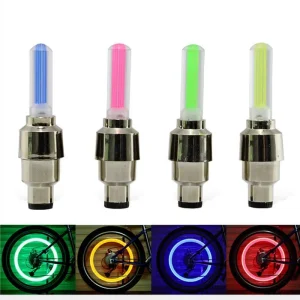
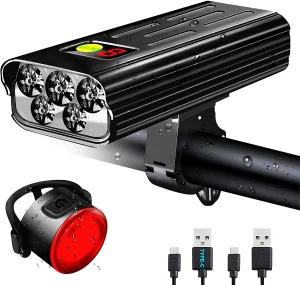
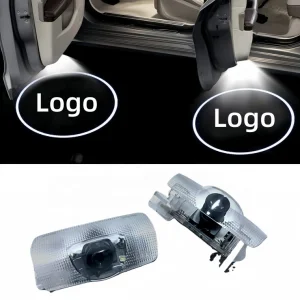
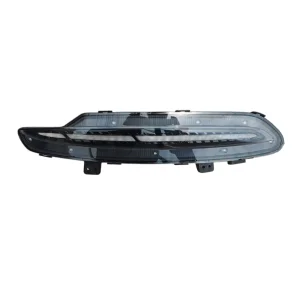
Insights into vehicle lighting system integration, standards, and optical design parameters.
An Adaptive Front-lighting System (AFS) uses sensor data from the vehicle's steering angle, speed, and suspension sensors. The integrated control unit calculates the optimal illumination field and commands internal actuators to shift the optical lens horizontally or vertically. This projects light into upcoming curves and manages glare dynamically.
ECE regulations (common outside North America) mandate an asymmetric beam pattern with a sharp horizontal cutoff to shield oncoming drivers, while allowing more light to project along the roadside. In contrast, SAE/DOT regulations (primarily in North America) favor symmetric light patterns with a more gradual cutoff, focusing on reflective road signs and wider visibility.
Our lighting assemblies use pressure-equalization vents. These semi-permeable membranes allow air to flow in and out to regulate internal pressure changes while blocking liquid water and dust, preventing condensation inside the lens housing.
High junction temperatures degrade LED performance and shift color temperature. We use copper PCBs, advanced thermal interface materials, and active cooling fans to maintain safe operating temperatures. This stabilizes optical output and preserves the system's design lifespan.
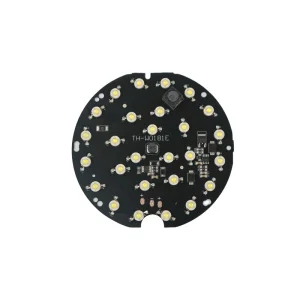
Yes. Ningbo DERT Lighting Co., Ltd. provides full PCB design and assembly services. We configure custom driver boards, thermal management circuits, and smart control systems to meet specific OEM and aftermarket vehicle space constraints.
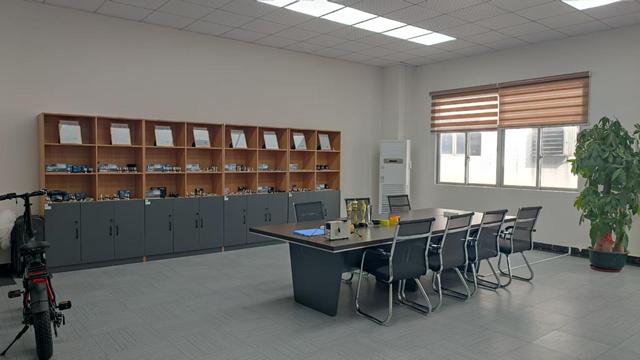
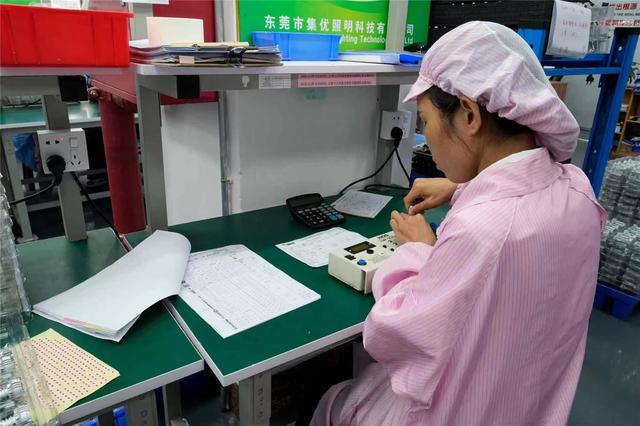
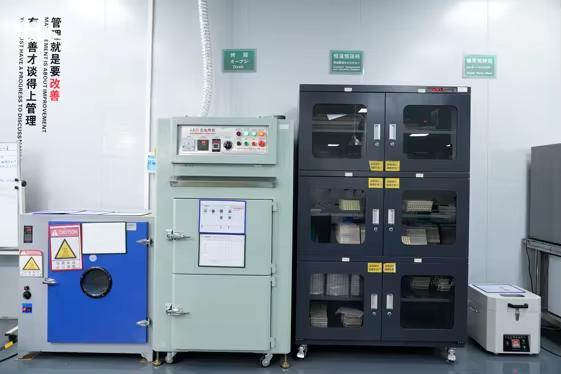
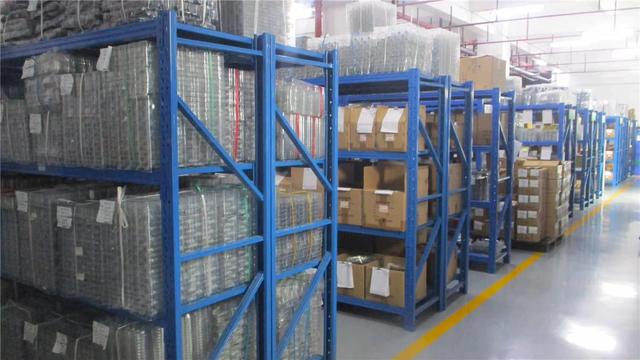
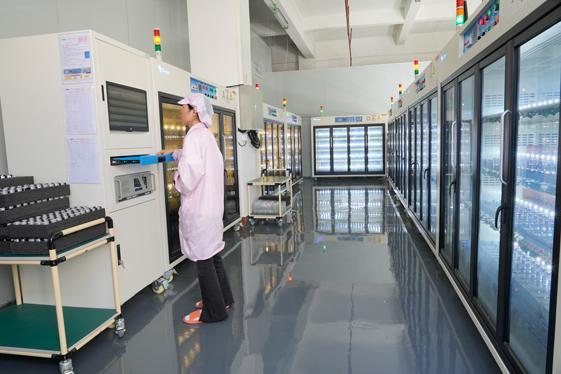
A view inside our manufacturing facilities, assembly lines, and product range at Ningbo DERT Lighting Co., Ltd.
 DERT Lighting