Explore our elite range of advanced signal indicators, solid-state headlight assemblies, and intelligent ambient systems.
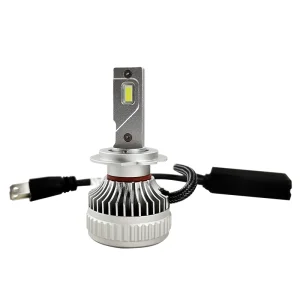
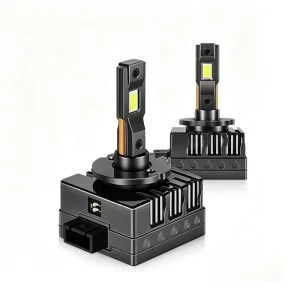
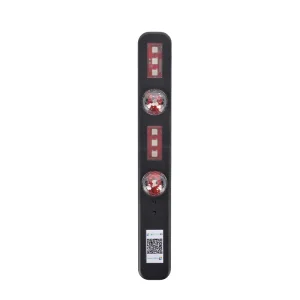
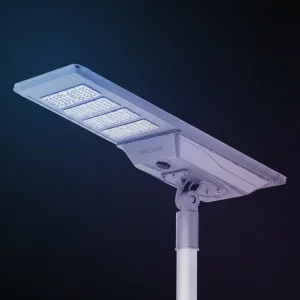
In the modern era of automated transit and high-capacity logistics, vehicle safety lighting systems have transcended their traditional role of mere illumination. They have evolved into critical visual-communication platforms and active safety sub-systems essential for regulatory compliance, risk mitigation, and collision avoidance across global transport corridors.
From the dense transport networks of the European Union to the massive mining and construction arenas of North America, the demand for highly resilient optoelectronic equipment continues to surge. Rapid industrialization, combined with rigorous safety policies implemented by occupational health authorities (such as OSHA in the US and the European Agency for Safety and Health at Work), mandates the integration of reliable signal and illumination components. These components are designed to withstand extreme thermal fluctuations, intense mechanical vibration, and ingress from particulate matter or moisture.
As autonomous technologies gain traction, safety lighting must also interface seamlessly with Advanced Driver Assistance Systems (ADAS). Sensors, LiDAR, and camera systems depend heavily on controlled lighting environments. Our position as an industry pioneer ensures that each system we manufacture delivers the exact photometrical geometry, color rendering index (CRI), and beam dispersion required by contemporary intelligent infrastructure.
Empirical performance markers driving the automotive and commercial vehicle safety lighting industry.
To participate in the high-tier global automotive chain, alignment with regional standards is mandatory. The European UN ECE Regulations (e.g., ECE R112, R10, R87) dictate photometric performance and electromagnetic compatibility (EMC). Meanwhile, the North American market is governed by the Federal Motor Vehicle Safety Standards (FMVSS 108), which mandate specific luminous intensity patterns for passenger vehicles, heavy-duty trucks, and commercial trailers. Our product pipeline is engineered, benchmarked, and validated to conform to these stringent standards, giving our commercial clients a frictionless distribution path.
Established in 2012, Ningbo DERT Lighting Co., Ltd. is a professional manufacturer specializing in automotive lighting systems, LED headlights, and vehicle lighting solutions for global automotive aftermarket and OEM customers. Located in Ningbo, Zhejiang Province, China, the company operates a modern production facility covering approximately 18,000 square meters and employs more than 320 skilled professionals across engineering, manufacturing, quality assurance, research and development, and international sales departments.
DERT Lighting focuses on the design, development, and production of automotive lighting products, including LED headlight systems, vehicle lighting assemblies, signal lighting solutions, commercial vehicle lighting products, off-road lighting systems, and customized automotive illumination technologies. The company serves automotive brands, distributors, wholesalers, importers, fleet operators, and aftermarket suppliers across international markets.
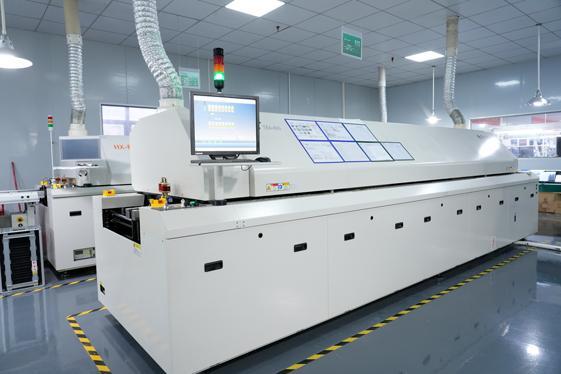
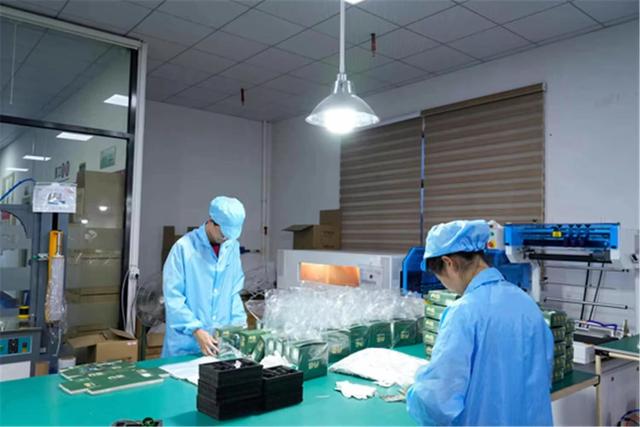
Supported by an experienced engineering team, DERT Lighting continuously invests in product innovation, optical design, thermal management technologies, electronic control systems, and manufacturing automation. The company integrates advanced production equipment, automated assembly lines, precision testing instruments, and standardized manufacturing processes to support consistent product quality and production efficiency.
Quality management is implemented throughout every stage of production, from raw material sourcing and component inspection to assembly, performance testing, durability evaluation, and final quality verification. The company strives to manufacture automotive lighting products that meet the performance, reliability, and regulatory requirements of diverse international markets.
In addition to standard product manufacturing, DERT Lighting provides comprehensive OEM and ODM services, including product development, branding support, customized specifications, packaging solutions, and private-label manufacturing programs. Flexible production capabilities allow the company to support both emerging automotive brands and established industry partners.
Today, Ningbo DERT Lighting Co., Ltd. exports products to North America, Europe, South America, Southeast Asia, the Middle East, and other global regions, delivering reliable automotive lighting solutions for a rapidly evolving mobility market.
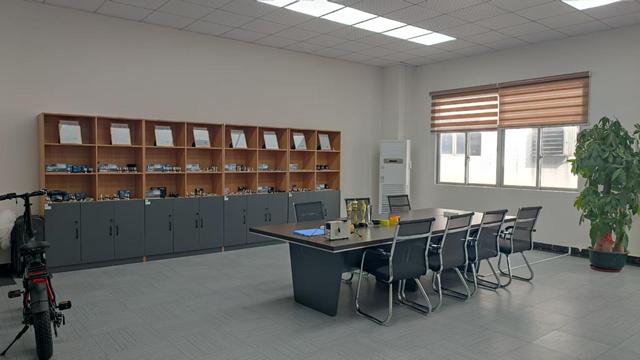
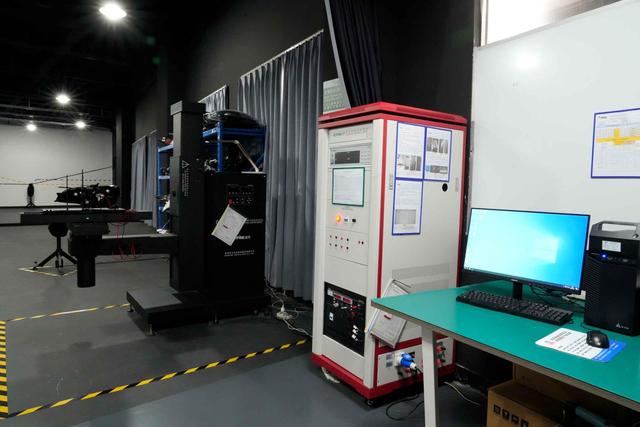
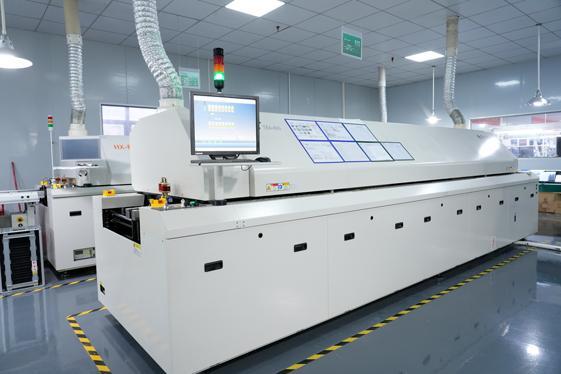
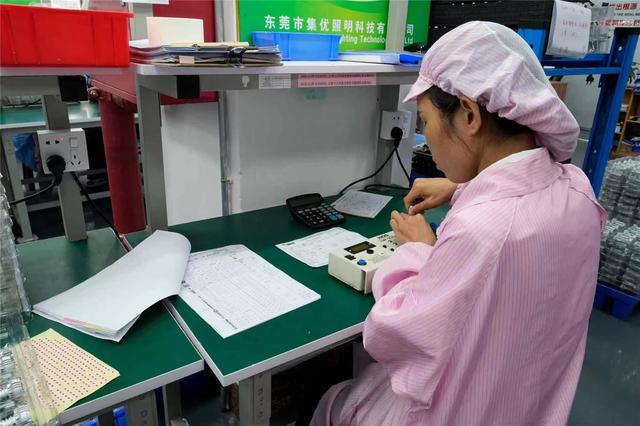
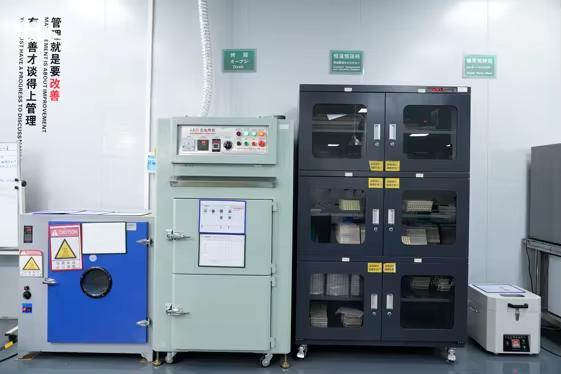
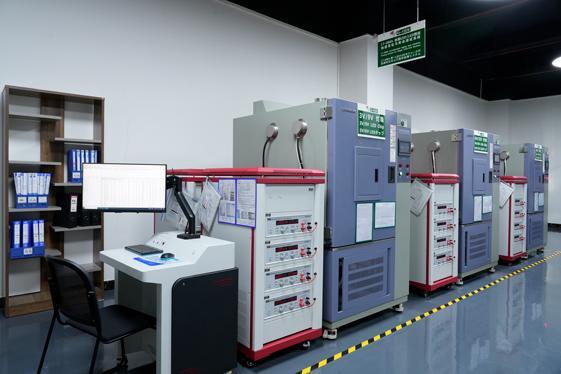
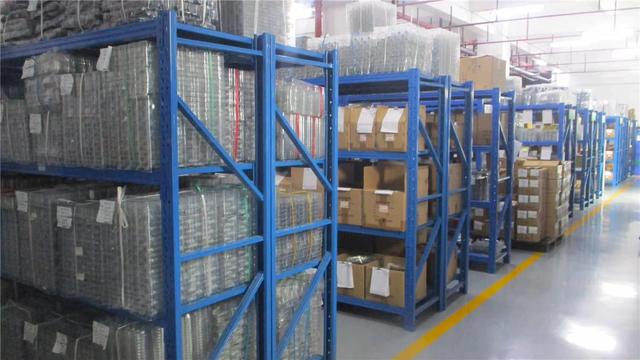
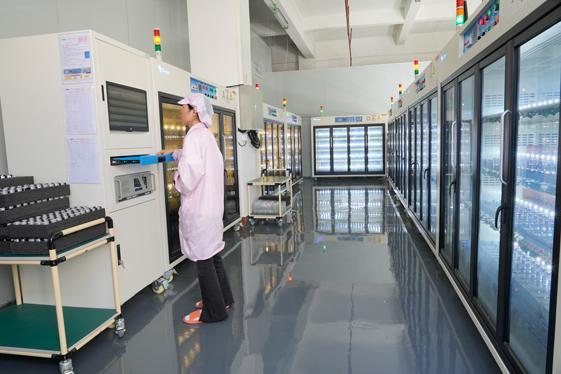
DERT Lighting leverages core technologies to overcome standard challenges in vehicle lighting design.
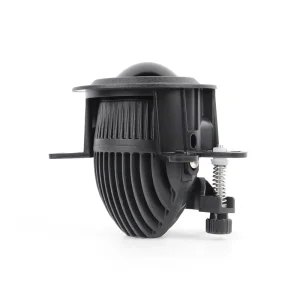
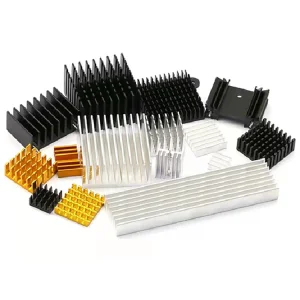
High-output LEDs generate substantial junction heat ($T_j$), which can rapidly degrade luminous efficacy and life expectancy. DERT Lighting implements advanced cold-forged aluminum radiators and customized heatsinks that utilize thermodynamic optimization. Our custom staged heatsink architecture accelerates convection, ensuring critical electronics operate within safety thresholds.
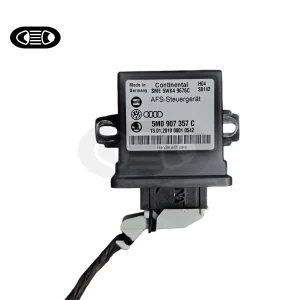
Modern vehicle ECUs monitor circuit load to detect burnt-out bulbs. Traditional LED upgrades often cause hyper-flashing or dashboard warnings. Our proprietary Canbus 1:1 integration circuitry uses advanced impedance matching and digital signal filters. This guarantees seamless plug-and-play installation without electromagnetic interference (EMI).
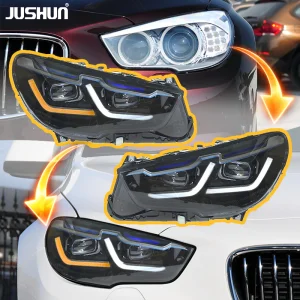
Utilizing Zemax optical design software, our engineers calculate high-precision beam trajectories. This allows us to construct projector assemblies with sharp, glare-free cutoff lines. This process maximizes forward road visibility without blinding oncoming traffic, fulfilling both DOT and ECE requirements.
Our strategic research and development path addresses the paradigm shift toward software-defined vehicles.
Refining 100W-class high-density LED systems with advanced thermal dispersion substrates (Metal Core PCBs). Perfecting 1:1 plug-and-play conversion kits for heavy commercial fleets.
Development of dynamically controlled matrix lighting modules that receive sensor feeds from the vehicle's ADAS. These modules automatically dim specific LED zones to prevent glare for oncoming motorists.
Implementing laser-excited phosphor modules to extend high-beam throw distance to over 600 meters. Integrating DLP projection technologies to display warning symbols directly onto the road surface for pedestrian safety.
DERT Lighting tailors lighting architectures to match the operating parameters of specific commercial domains.
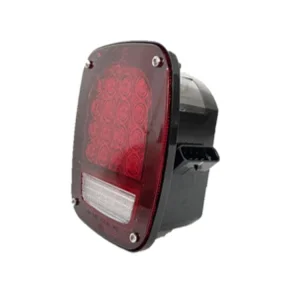
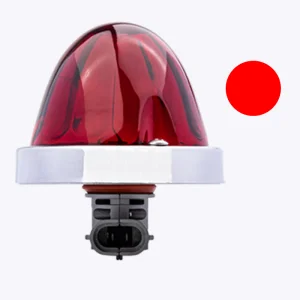
Long-haul transit requires highly durable signal architectures. Heavy vibrations on highway expressways can cause standard filaments to break. Our waterproof, high-power side markers and multi-voltage taillights are designed to endure extended, continuous operation on high-tonnage transport vehicles.
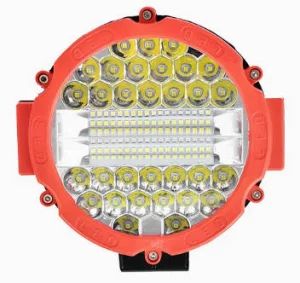
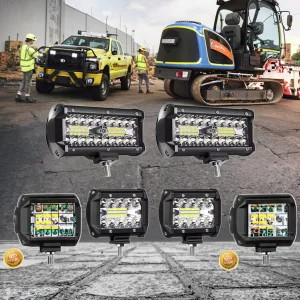
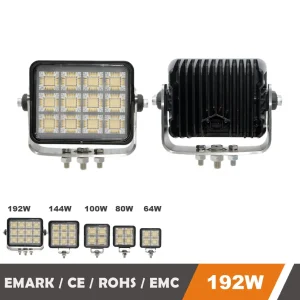
In mining operations, low-visibility conditions are a constant threat. High-intensity LED work lights with laser illumination capability provide a penetrating beam that cuts through heavy dust and rain, lowering collision rates in work zones.
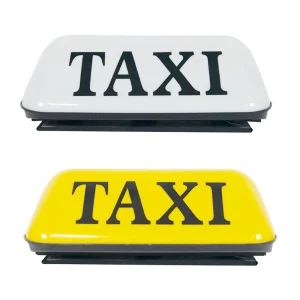
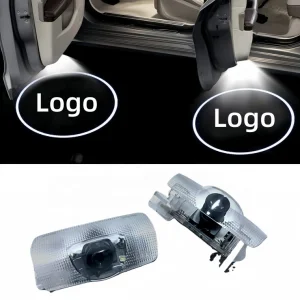
Urban vehicles, such as taxis and buses, require constant identification and functional signaling. Custom dome lights, high-output projection lights, and door warning indicators ensure pedestrians and traffic can easily identify passenger vehicles, reducing accidents.
How DERT Lighting translates custom requirements into certified, market-ready optoelectronic products.
Developing customized lighting systems for the global automotive aftermarket and Tier-1 automotive providers requires a methodical, traceable engineering workflow. We employ a standardized phase-gate process that guarantees product reliability and speeds up time-to-market.
Using CATIA and SolidWorks, our engineering team constructs highly detailed mechanical designs of custom assemblies. Simultaneously, optical designers run ray-tracing simulations to verify luminous output distribution and ensure compliance with regional road regulations.
We perform Finite Element Analysis (FEA) to simulate thermal stress, vibration profiles, and water impact forces. Heat sinks are optimized prior to tooling to avoid real-world degradation of LED junction points under high current.
Once prototype tooling is complete, physical units undergo testing in goniophotometer rooms to verify luminous flux, color temperature, and beam dispersion. Samples are sent to accredited labs for formal certification (CE, E-Mark, DOT).
Get technical answers to common queries regarding certification, integration, and thermal properties.
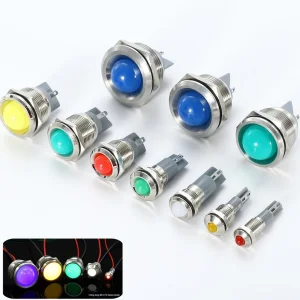
Heavy-duty work lights, custom side markers, monitoring systems, and structural heatsink solutions.
 DERT Lighting