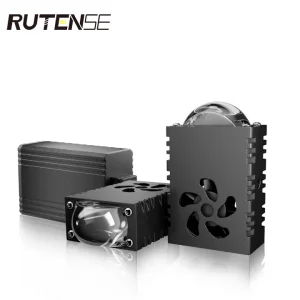
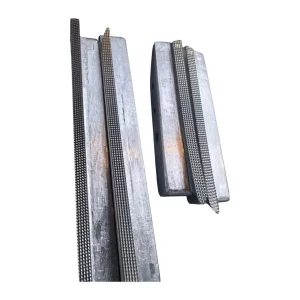
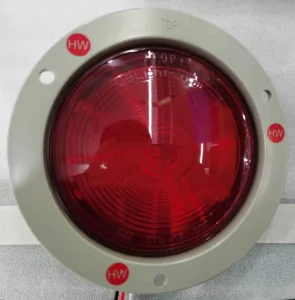
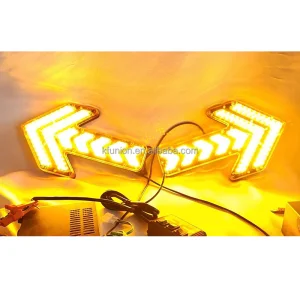
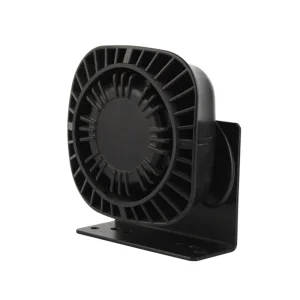
The automotive auxiliary and primary lighting sector has transitioned from simple halogen and high-intensity discharge (HID) emitters to sophisticated multi-die, solid-state LED systems. Modern industrial vehicles, emergency fleets, and off-road applications demand illumination that operates under highly variable input voltages and extreme thermal loads.
The core challenge in engineering optical arrays lies in managing luminous efficacy alongside beam collimation. Traditional reflectors often result in significant stray light, decreasing the total Lux projected onto target paths. Advanced Chinese factories have addressed this by integrating Total Internal Reflection (TIR) lens designs. By coupling customized optical PMMA grade lenses directly over high-density LED dies, modern systems achieve optical efficiency profiles exceeding 93%. This ensures that high-output systems like the Aurora 30 Inch 150W light bars deliver maximum target illumination with minimal lateral glare.
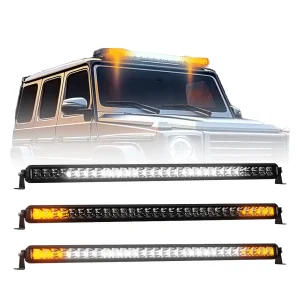
Furthermore, the introduction of dual-color and adaptive strobe configurations has eliminated the necessity for multiple light bars on commercial vehicles. By utilizing micro-controller driven PWM (Pulse-Width Modulation) circuitry, single-row and double-row light bars can instantaneously transition between 6500K cool white for broad-spectrum dry weather visibility and 3000K amber for fog-penetrating, high-contrast illumination.
The lifetime of high-power LED systems is inversely proportional to the junction temperature of the LED chips. The primary bottleneck in keeping the junction temperature below 85°C lies in the thermal impedance path between the silicon die, the metal core printed circuit board (MCPCB), the thermal interface material (TIM), and the external aluminum housing.
Premium LED bar factories in Ningbo utilize high-conductivity aluminum alloys (typically A380 or ADC12) formed via high-pressure die casting. This methodology minimizes microscopic air pockets within the metal matrix, providing a uniform thermal path. Additionally, the integration of military-grade pressure-equalizing breathers (such as ePTFE membranes) ensures that internal pressure differentials caused by rapid temperature transitions do not compromise the waterproof seals, maintaining IP68 and IP69K ingress protection ratings over years of exposure.
Modern vehicles feature complex Multiplexed Wiring Systems and Controller Area Networks (CANbus). The introduction of aftermarket lighting systems frequently triggers onboard diagnostic fault alerts or causes electromagnetic interference (EMI) that affects FM radio, GPS, and radar modules.
To resolve these challenges, leading-edge technologies incorporate smart decoding modules within the lamp ballast or directly on the driver board. These modules employ capacitive and inductive filtering networks to mimic the electrical resistance profile of halogen bulbs, preventing vehicle ECUs from detecting open circuits.
Furthermore, compliance with international electromagnetic compatibility (EMC) regulations, such as ECE R10 and CISPR 25 Class 3/5, is standard in premium factories. By utilizing shielded power cables, ferrite cores, and optimized PCB track layouts, noise levels are attenuated to levels that prevent interference with critical automotive electronics. This is particularly crucial for warning systems, such as the 344mm Heavy Duty LED Arrow Warning Light, which are deployed alongside complex radio and telemetry equipment on commercial trucks and municipal fleet vehicles.
Off-road vehicles, maritime vessels, and mining equipment subject lighting hardware to high-pressure washdowns, salt spray, and extreme vibrations. Ensuring long-term reliability requires strict adherence to physical material science.
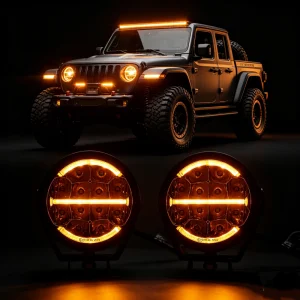
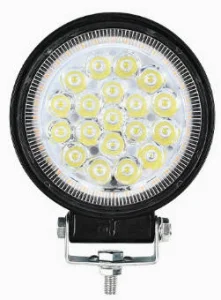
Ingress protection relies on double-cured silicone gaskets combined with precise mechanical torque tolerances on the housing assembly. High-intensity spots, like the 5 Inch Round Spot Light, leverage UV-stabilized polycarbonate lenses that prevent yellowing and micro-cracking under prolonged exposure to solar UV radiation. Additionally, multi-stage powder coating lines apply chemical conversion coatings (chromate or non-chromate) prior to electrostatic powder deposition. This double-layer protection passes 500-hour salt spray testing protocols (ASTM B117), preventing filiform corrosion at fastener sites.
Analyzing how advanced manufacturing ecosystems in regions like Ningbo optimize production parameters to secure E-E-A-T standards for global industrial buyers.
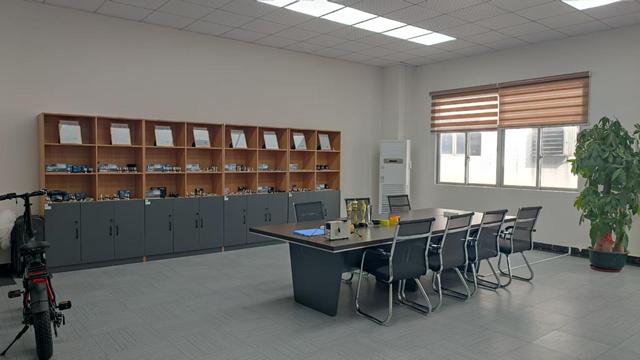
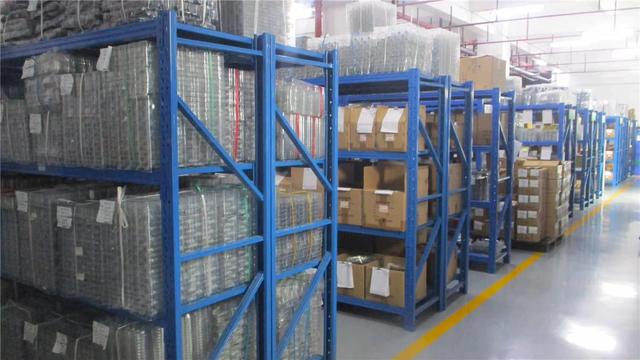
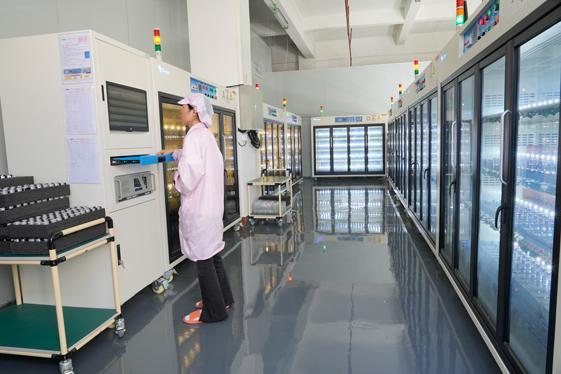
Established in 2012, Ningbo DERT Lighting Co., Ltd. is a professional manufacturer specializing in automotive lighting systems, LED headlights, and vehicle lighting solutions for global automotive aftermarket and OEM customers. Operating a modern production facility in the Ningbo industrial zone, the company integrates departments across engineering, manufacturing, quality assurance, research and development, and international sales.
DERT Lighting focuses on the design, development, and production of automotive lighting products, including LED headlight systems, vehicle lighting assemblies, signal lighting solutions, commercial vehicle lighting products, off-road lighting systems, and customized automotive illumination technologies. The company serves automotive brands, distributors, wholesalers, importers, fleet operators, and aftermarket suppliers across international markets.
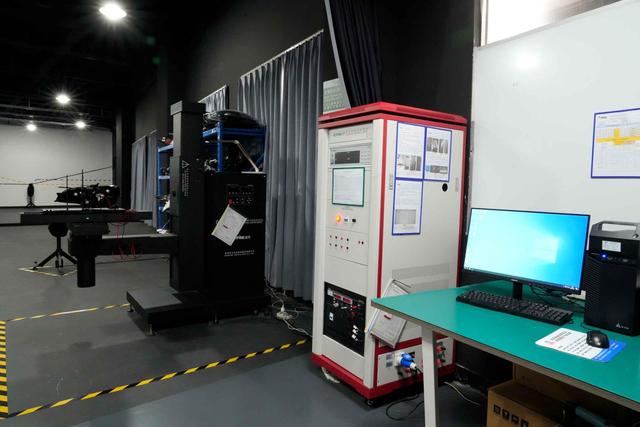
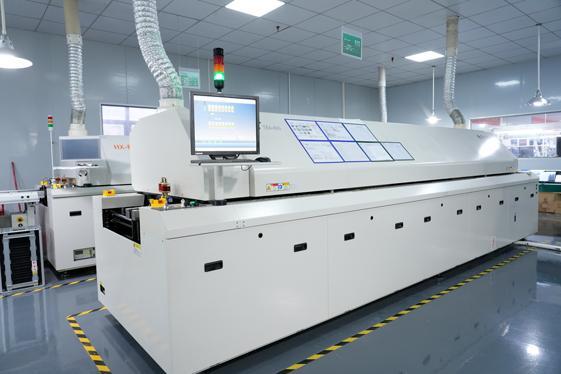
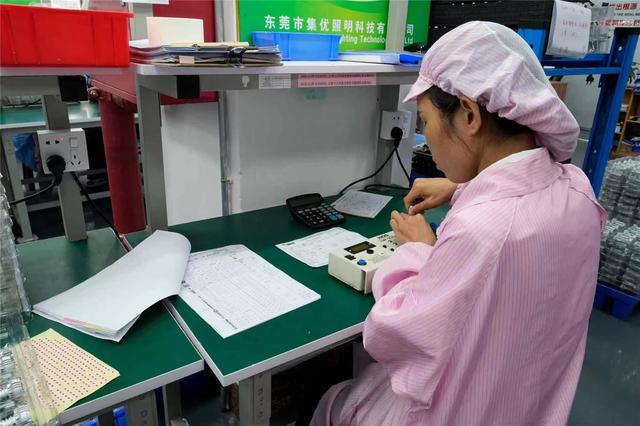
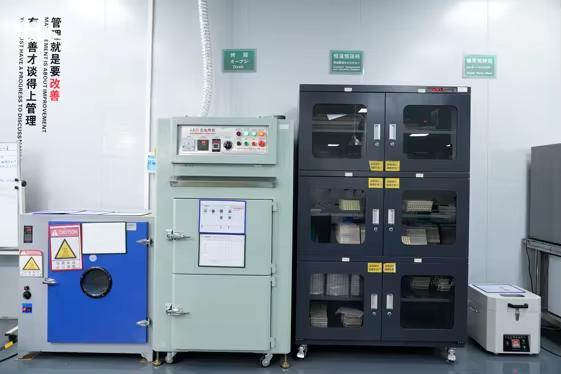
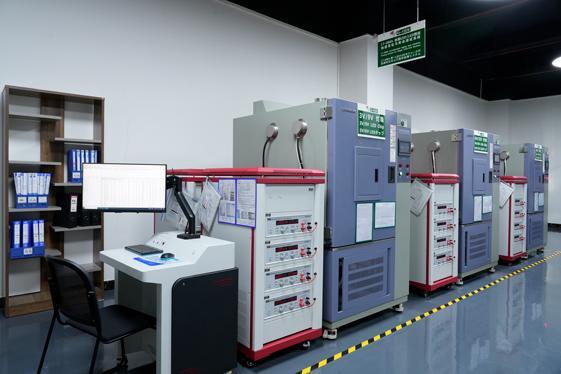
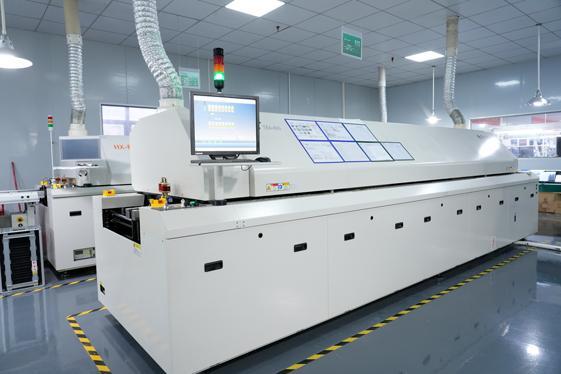
Supported by an experienced engineering team, DERT Lighting continuously invests in product innovation, optical design, thermal management technologies, electronic control systems, and manufacturing automation. The company integrates advanced production equipment, automated assembly lines, precision testing instruments, and standardized manufacturing processes to support consistent product quality and production efficiency.
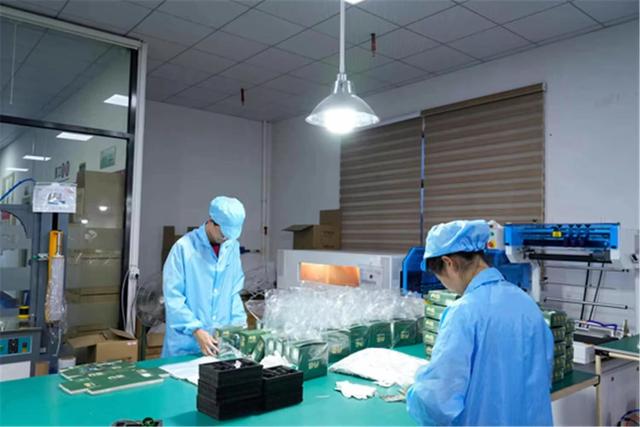
Quality management is implemented throughout every stage of production, from raw material sourcing and component inspection to assembly, performance testing, durability evaluation, and final quality verification. The company strives to manufacture automotive lighting products that meet the performance, reliability, and regulatory requirements of diverse international markets.
In addition to standard product manufacturing, DERT Lighting provides comprehensive OEM and ODM services, including product development, branding support, customized specifications, packaging solutions, and private-label manufacturing programs. Flexible production capabilities allow the company to support both emerging automotive brands and established industry partners. Today, the company exports products to North America, Europe, South America, Southeast Asia, the Middle East, and other global regions.
How different geographic markets configure solid-state lighting architectures to address regional environmental conditions and legal frameworks.
In the United States and Canada, long-distance haulage trucks require high-efficiency light systems to navigate vast, unlit rural highways. The main threat is collisions with large wildlife (e.g., deer, moose). For this reason, high-lux spot beams combined with wide flood optics are standard configurations. Auxiliary equipment like the Aurora 30 Inch Dual Color Bar is mounted at grill level to project light over 500 meters ahead, providing drivers with crucial reaction time.
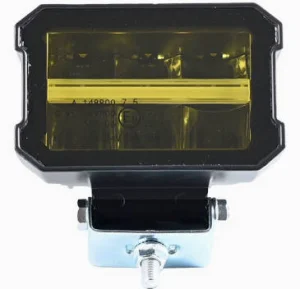
Scandinavian and Baltic regions experience prolonged periods of darkness and intense snowstorms. In these regions, high-frequency white light (6000K+) can cause blinding backscatter off falling snow. European buyers prioritize amber-switching technology (such as yellow-light CANbus-decoded grill bars) and integrated heating elements on the polycarbonate lenses. These components melt ice accumulation that would otherwise block light output.
The Australian outback is characterized by extreme dust storms and high ambient daytime temperatures. LED bars operating in these environments require dust-tight ingress protection (IP69K) and advanced thermal throttling. If internal sensors detect a thermal load threatening the silicon substrate, the intelligent LED driver down-regulates power delivery (e.g., from 100% to 80%) to protect the hardware without complete illumination loss.
In densely populated European and Asian urban centers, municipal safety vehicles require high-intensity signaling systems (e.g., 344mm Arrow Warning Lights) that operate within strict radio frequency limits. These units are engineered to emit warning patterns that alert traffic without generating electromagnetic emissions that could disrupt urban wireless networks.
The operational lifespan is primarily governed by junction temperature management and circuit design. Utilizing premium metal core PCBs (MCPCB), thermal interface materials (TIM) with high thermal conductivity, and die-cast aluminum housings with optimized cooling fins ensures that temperatures remain within safe parameters. Driving the LEDs at 70-80% of their rated maximum capacity also extends diode longevity, allowing a designed L70 lifespan of 50,000 hours.
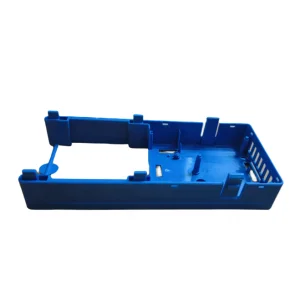
Custom injection molds, particularly for PMMA or Polycarbonate lenses, dictate the optical clarity and refractive indices of the light beam. Premium tooling ensures that there are no internal stress fractures, weld lines, or wall-thickness variations in the lenses. This precision prevents beam dispersion, maintains the IP seal interface, and guarantees long-term resistance to UV yellowing.
Modern vehicles utilize central Control Units (ECUs) that monitor electrical circuit resistance to detect bulb outages. Since LEDs draw significantly less power than halogen bulbs, an ECU may detect a fault and cut power to the circuit or trigger error lights on the dashboard. Integrating a CANbus decoding module within the light bar mimics the electrical load of standard lighting systems, preventing these system faults.
IP67 indicates protection against temporary immersion in water down to 1 meter for 30 minutes. IP68 indicates continuous immersion under pressure, typically up to 3 meters. IP69K is the highest ingress rating, certifying that the component can withstand high-pressure (80-100 bar), high-temperature (80°C) washdowns at close range. For heavy-duty commercial fleets and mining applications, IP69K is the industry standard.
 DERT Lighting