In the highly competitive global automotive landscape, vehicle lighting has transitioned from a fundamental safety component to the primary visual language of brand identity. Signature Automotive Lighting represents the intersection of advanced photonics, dynamic design, electronic intelligence, and structural durability. As vehicles shift toward electric, autonomous, and software-defined platforms, the engineering complexity of front headlamps, rear combinations, and cabin ambient systems has increased exponentially.
Ningbo DERT Lighting Co., Ltd., established in 2012, has positioned itself at the forefront of this industrial transformation. Operating a modern 18,000 square meter facility in Ningbo, Zhejiang Province—the absolute heart of China's automotive components manufacturing cluster—the company employs over 320 skilled professionals. DERT Lighting integrates comprehensive engineering, multi-material injection molding, precision optical assembly, and global quality control to supply Tier-1 automotive integrators, aftermarket brands, and EV OEM startups across North America, Europe, South America, and the Middle East.
From custom dual-shot high-precision lens molding to advanced millimeter-wave radar integration (ADAS), DERT Lighting bridges the gap between raw styling sketches and road-compliant, highly durable optical assemblies. Our systems are engineered to withstand extreme climates, comply with strict regulatory frameworks (FMVSS 108, ECE, CCC), and offer structural integration that matches the modern aerodynamic contours of next-generation mobility.
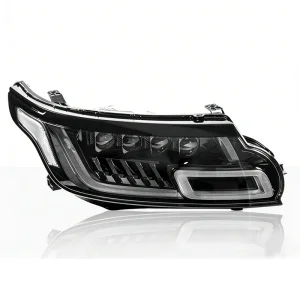
The global automotive lighting market is undergoing rapid premiumization. Legacy halogen and standard xenon systems have been phased out in favor of high-efficiency LED matrices, laser headlamps, and organic light-emitting diode (OLED) rear arrays. Driven by the aggressive aesthetic requirements of Electric Vehicles (EVs) and the functional integration requirements of Advanced Driver Assistance Systems (ADAS), signature lighting has become a core differentiator in vehicle sales.
In mature markets like North America and Western Europe, consumers demand intelligent safety features such as ADB (Adaptive Driving Beam) and Glare-Free High Beam systems. Simultaneously, in emerging markets across Southeast Asia and Latin America, localized customization and cost-efficient LED upgrades drive aftermarket growth. High-intensity LED warning bars, arrow panels for industrial utility trucks, and interactive cabin ambient systems (similar to the KYNCHO Symphony LED systems) are experiencing a surge in commercial deployment.
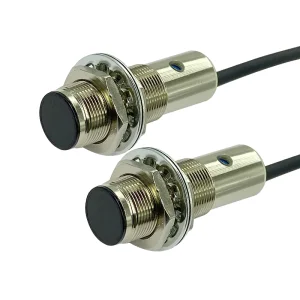
Furthermore, modern headlights are no longer passive illumination blocks. They have evolved into "smart nodes" within the vehicle's electrical architecture. Designers now integrate infrared optical sensors, LIDAR transceivers, and radar sensors within the headlight housing to protect delicate components and maintain clean vehicle styling. This consolidation demands that automotive lighting manufacturers possess advanced optoelectronic capabilities alongside traditional plastics engineering.
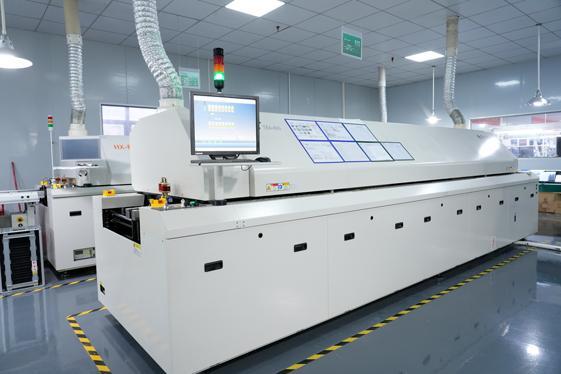
China's dominance in the global automotive components export market is underpinned by complete industrial verticalization. Located in Ningbo, DERT Lighting operates within an ecosystem that coordinates tool steel sourcing, high-speed CNC machining, automated electronics manufacturing (SMT lines), and advanced surface finish laboratories within a 50-kilometer radius. This geographic and industrial density translates to unparalleled supply chain resilience and cost-to-performance efficiency.
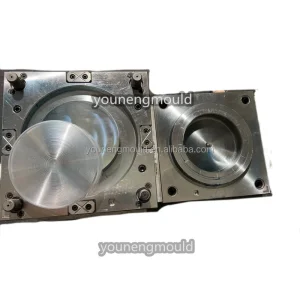
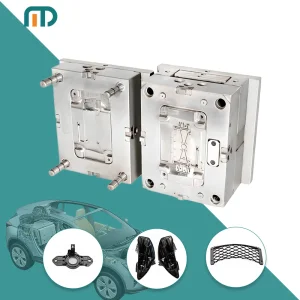
The production of signature automotive lighting begins with the mold. Headlight lenses are complex optical surfaces with zero tolerance for draft angles, weld lines, or microscopic surface variations. DERT Lighting leverages state-of-the-art Dual-Shot High-Precision Injection Molding to co-inject clear polycarbonate (PC) and opaque PC-ABS backing structures. This eliminates structural weak points, prevents water ingress, and maintains perfect optical refraction.
Our manufacturing facility integrates:
Automotive vehicles operate in environmental extremes, requiring specialized lighting solutions tailored to regional conditions:
In Northern Europe and Canada, LED assemblies suffer from ice buildup because LEDs do not emit forward heat like traditional bulbs. DERT engineers integrated microscopic ITO (Indium Tin Oxide) heating films directly on the inner lens surface, triggered automatically when temperatures drop below 0°C, ensuring dynamic de-icing.
In Southeast Asian regions, high relative humidity (above 95%) causes rapid condensation within headlight lenses, leading to premature diode failure. Our solution employs specialized hydrophobic Gore vents that allow air expansion and moisture release while blocking external water molecule penetration.
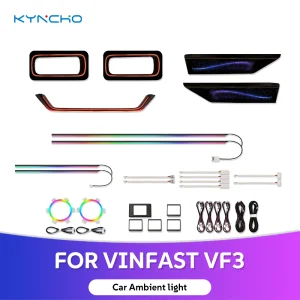
Modern micro-mobility vehicles and city-commuters (such as the Vinfast VF3) utilize smart interior lighting for human-machine interaction. Custom dynamic LED strips display charging statuses, ADAS warning flashes, and customized colors controlled directly via smartphone applications.
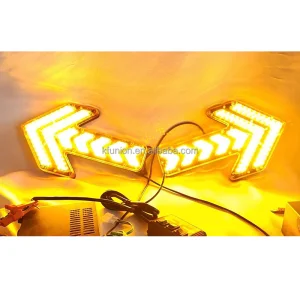
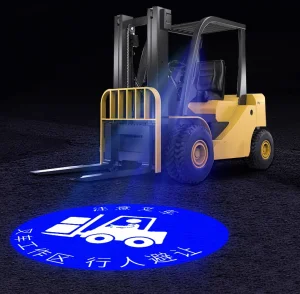
Furthermore, commercial applications require high-durability warning systems. For fleet trucks operating in dusty mines or high-risk construction zones, the integration of 344mm Heavy Duty LED Arrow Lights and vehicle ground projection lights ensures visible safety boundaries. These products utilize robust optical collimators to project warnings onto the asphalt, even under bright midday sunlight.
The future of automotive illumination is software-controlled and highly interactive. Below is the development timeline that DERT Lighting is actively pursuing to align with next-generation autonomous driving configurations:
Transitioning from standard 84-pixel matrix designs to over 20,000-pixel Micro-LED chips. This technology allows headlights to project high-contrast road symbols, navigation cues, and pedestrian crosswalk indicators directly onto the road.
Fully integrating automotive millimeter-wave radar sensors and ADAS cameras within the light housing. Real-time sensor input dynamically dims individual pixels to avoid blinding oncoming traffic while highlighting road hazards.
Leveraging low-consumption electronics and advanced vanadium energy storage systems for heavy-duty commercial vehicle hubs. This integration ensures independent, long-lasting emergency and backup lighting capabilities during off-grid operations.
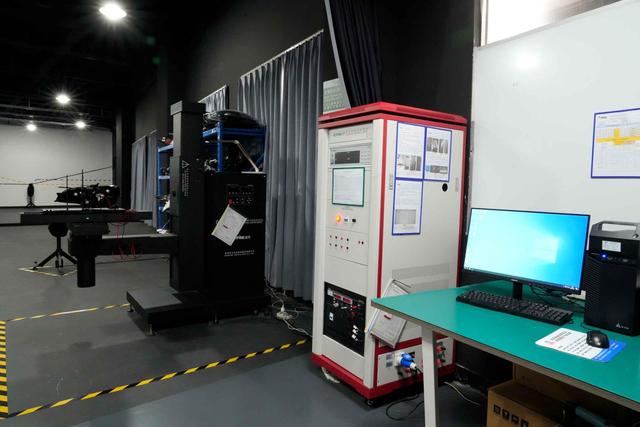
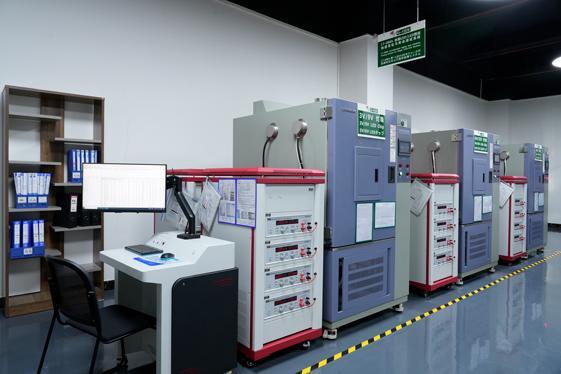
Exporting automotive components to regulated markets demands strict compliance with global safety standards. DERT Lighting implements a zero-defect quality management system structured under the IATF 16949 automotive framework. Each batch of headlights, optical switches, and turn signals undergoes mandatory verification before shipping.
Our testing protocols guarantee compliance with:
By offering end-to-end trace documentation from raw materials to final optoelectronic inspection, DERT Lighting provides global importers, automotive factories, and distributors with the documentation necessary to streamline customs clearance and regional certification.
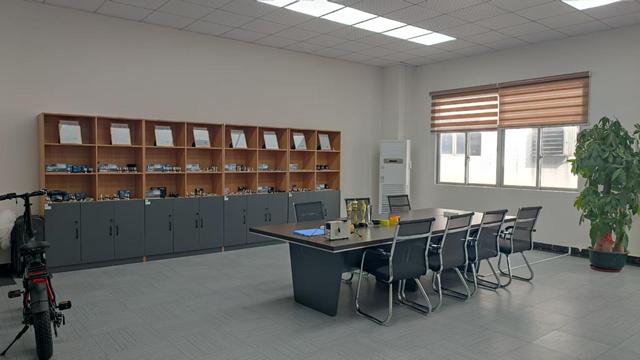
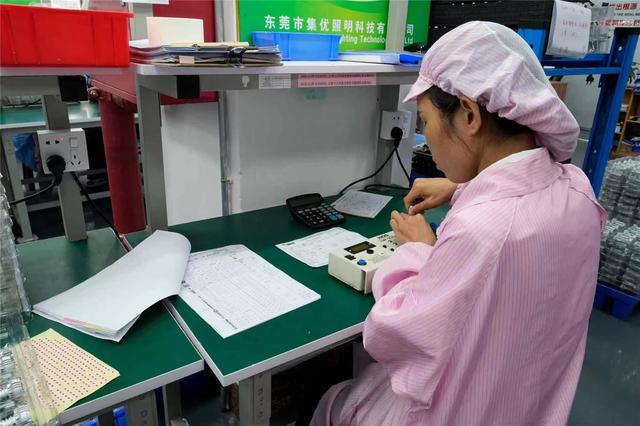
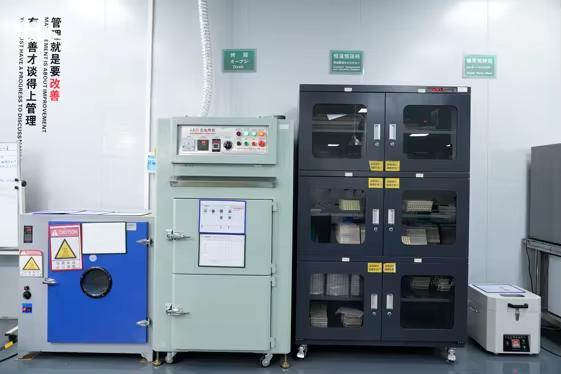
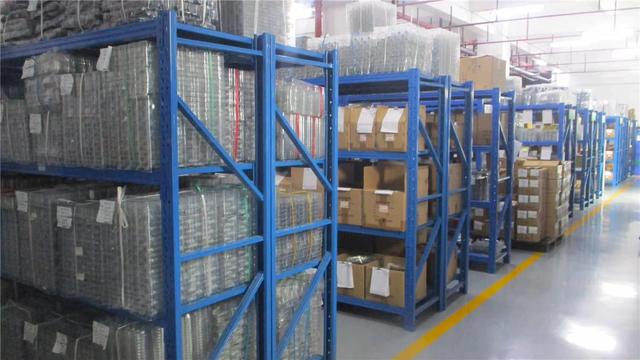
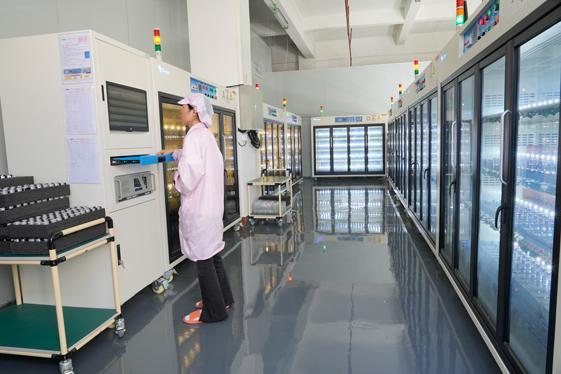
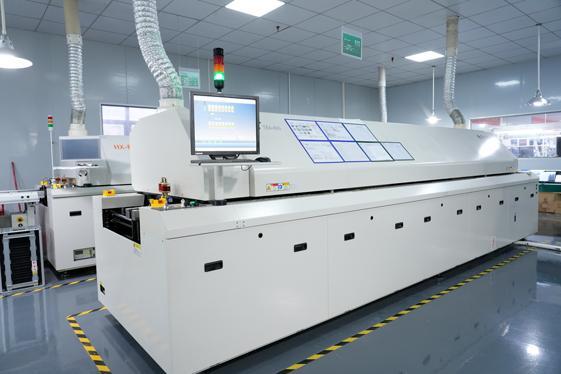
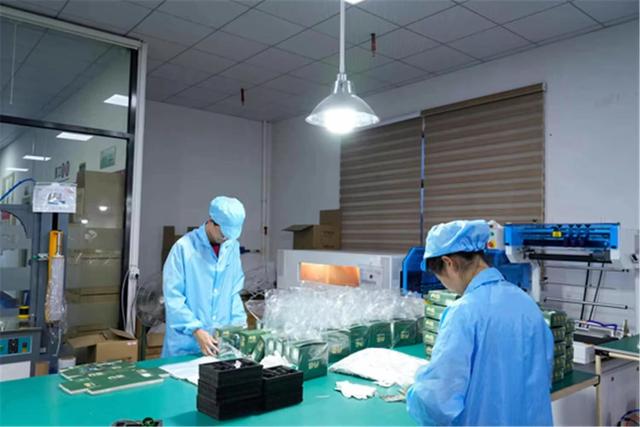
Explore our state-of-the-art production environments, precision molds department, automated assembly lines, and testing laboratories.
 DERT Lighting