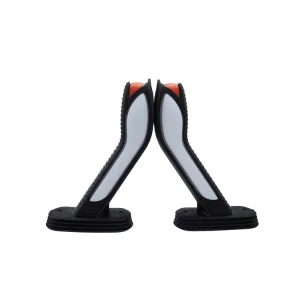
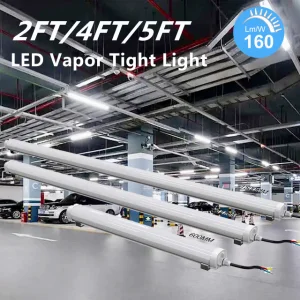
Engineered to exceed OEM specifications, presenting our core solid-state lighting arrays, thermal solutions, and custom tooling services for worldwide wholesale distribution.
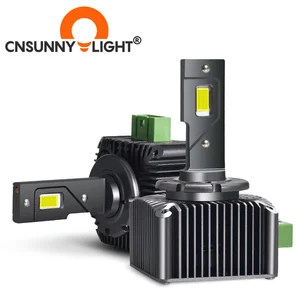
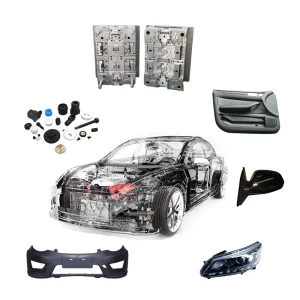
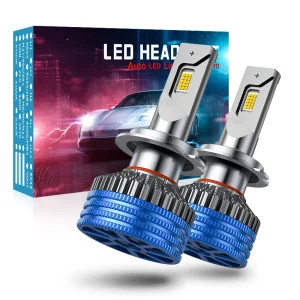
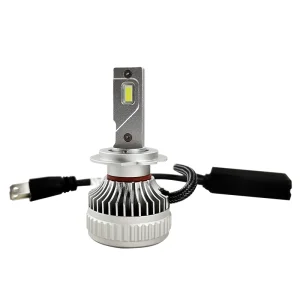
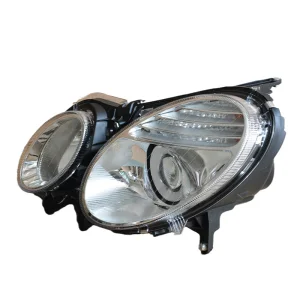
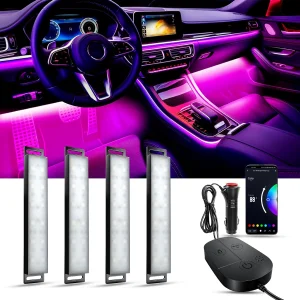
A trusted pioneer in precision optical components, advanced thermal engineering, and full-scale automotive lighting manufacturing since 2012.
Established in 2012, Ningbo DERT Lighting Co., Ltd. is a professional manufacturer specializing in automotive lighting systems, LED headlights, and vehicle lighting solutions for global automotive aftermarket and OEM customers. Located in Ningbo, Zhejiang Province, China, the company operates a modern production facility covering approximately 18,000 square meters and employs more than 320 skilled professionals across engineering, manufacturing, quality assurance, research and development, and international sales departments.
DERT Lighting focuses on the design, development, and production of automotive lighting products, including LED headlight systems, vehicle lighting assemblies, signal lighting solutions, commercial vehicle lighting products, off-road lighting systems, and customized automotive illumination technologies. The company serves automotive brands, distributors, wholesalers, importers, fleet operators, and aftermarket suppliers across international markets.
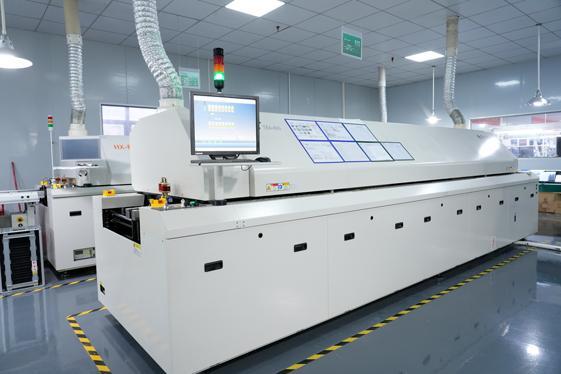
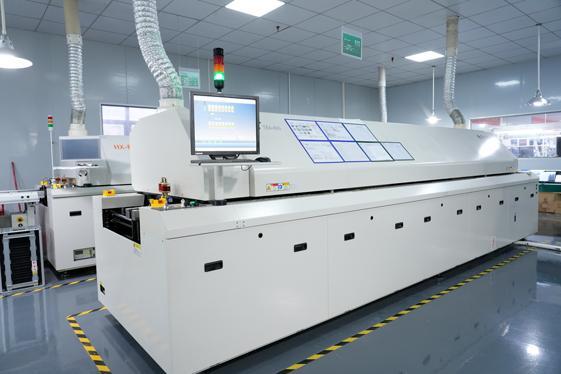
Supported by an experienced engineering team, DERT Lighting continuously invests in product innovation, optical design, thermal management technologies, electronic control systems, and manufacturing automation. The company integrates advanced production equipment, automated assembly lines, precision testing instruments, and standardized manufacturing processes to support consistent product quality and production efficiency.
In addition to standard product manufacturing, DERT Lighting provides comprehensive OEM and ODM services, including product development, branding support, customized specifications, packaging solutions, and private-label manufacturing programs. Flexible production capabilities allow the company to support both emerging automotive brands and established industry partners, exporting products to North America, Europe, South America, Southeast Asia, the Middle East, and other global regions.
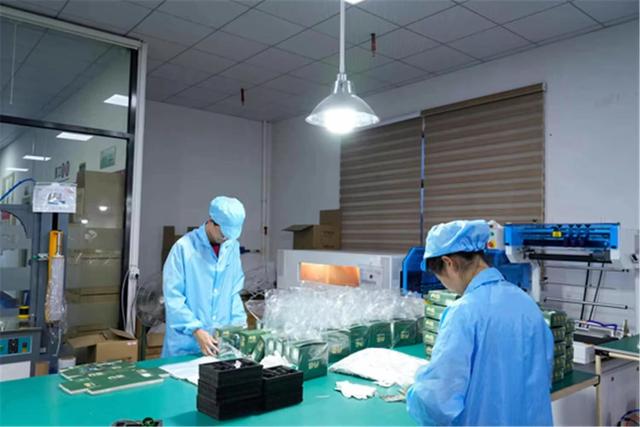
Quality management is implemented throughout every stage of production, from raw material sourcing and component inspection to assembly, performance testing, durability evaluation, and final quality verification. The company strives to manufacture automotive lighting products that meet the performance, reliability, and regulatory requirements of diverse international markets.
Analyzing the global transition toward solid-state lighting (SSL) and how Chinese manufacturers sit at the core of this electronic and optical supply chain.
The global rise of Electric Vehicles (EVs) requires highly efficient electrical components. Traditional halogen headlamps draw substantial power; modern LED architectures reduce energy draw by up to 60%, directly extending battery range. Ningbo DERT designs components that maximize lumens-per-watt efficiency to suit these requirements.
Exporting to European and North American markets requires deep alignment with ECE and DOT standards. This encompasses beam pattern precision, cut-off lines to prevent oncoming glare, and reliable electromagnetic compatibility (EMC) to avoid interfering with advanced driver assistance systems (ADAS).
China's Yangtze River Delta ecosystem provides manufacturers like Ningbo DERT with streamlined supply lanes. Access to raw high-performance aluminum alloys, precision optic-grade plastics, custom-designed LED chip packaging, and expert toolmaking services enables shorter lead times and higher quality output.
From advanced thermal management to smart matrix controllers, explore the engineering milestones shaping next-generation automotive light projection.
At the center of LED component lifespan is junction temperature management. Modern systems feature dual-ball bearing cooling fans operating up to 12,000 RPM, coupled with aviation-grade 6063 aluminum and copper core PCBs. These components work to pull heat away from the diode, preventing thermal runaway and color shifting.
Modern vehicles monitor bulb circuits for changes in resistance. Modern LED replacement systems integrate sophisticated CAN-bus decoders to prevent dashboard warning lights or flickering. High-frequency suppression coils and robust capacitors ensure compliance with international automotive EMC standards (such as CISPR 25 Class 3/4).
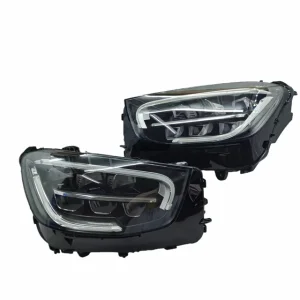
The future of automotive illumination lies in adaptive projection. Moving beyond simple low and high beams, matrix lighting arrays work with camera sensors to selectively dim portions of the light field, protecting oncoming drivers from glare while maintaining maximum illumination across the remainder of the road.
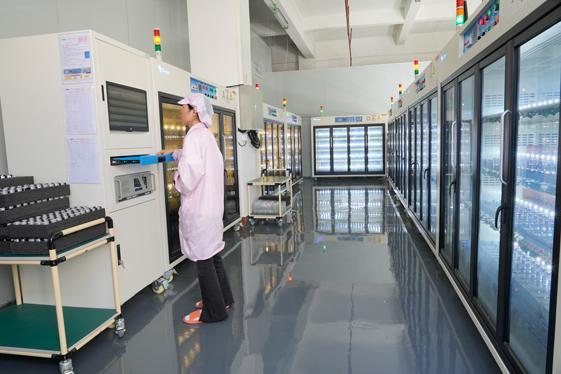
Aligning with modern automotive mandates, the next generation of manufacturing prioritizes recyclable materials, hazardous substance elimination (RoHS compliance), and energy efficiency during production. Ningbo DERT's clean-room operations and automated assembly steps reduce material waste.
How our custom injection molding and specialized optical design workflows solve complex integration challenges for global Tier-1 suppliers.
Lenses, reflectors, and light guides demand optical-grade materials and high dimensional accuracy. Our mold-design processes incorporate:
For independent brands looking to offer plug-and-play conversion options for older vehicles, DERT provides:
Automotive solid-state lighting extends beyond standard headlights. Explore diverse deployment scenarios across industrial, commercial, and consumer applications.
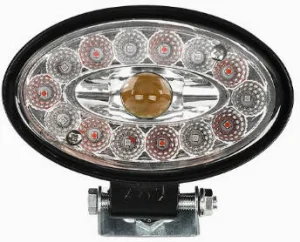
Heavy-duty trucks run continuously, demanding lighting systems with excellent resistance to road vibrations. 24V marker lamps, signal indicators, and high-efficiency work lights help commercial fleets improve highway safety and reduce unscheduled maintenance downtimes.
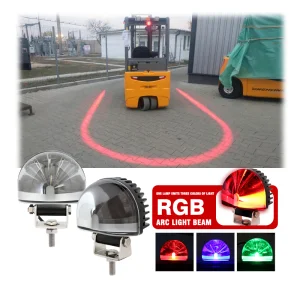
In busy logistic yards, visual alert devices prevent accidents. Compact warning lights project high-intensity blue, red, or green warning arcs on the floor around forklifts and stackers, alerting workers in blind spots.
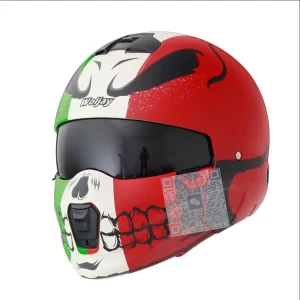
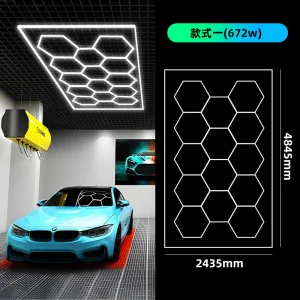
Smart helmets with integrated LEDs, app-controlled interior vehicle ambient setups, and custom-designed honeycomb ceiling systems for detailing shops provide opportunities for niche branding and custom retail options.
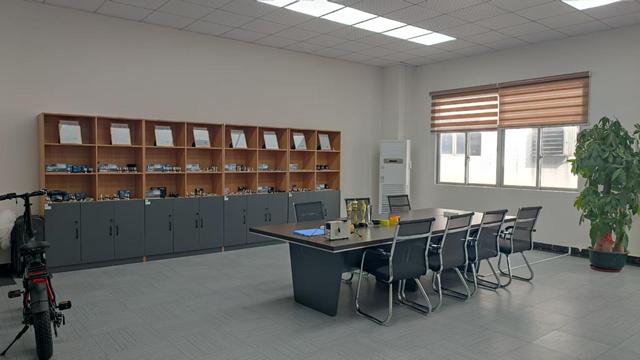
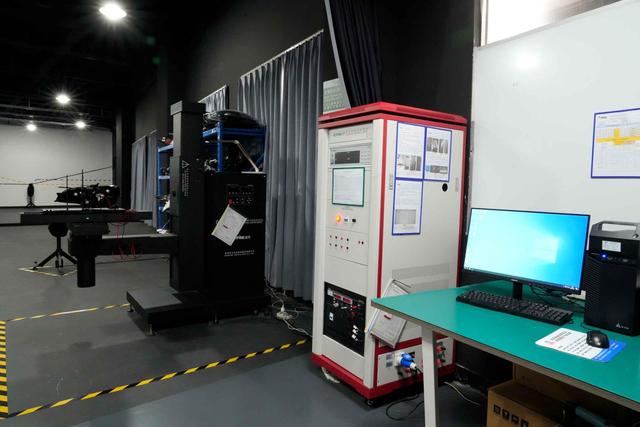
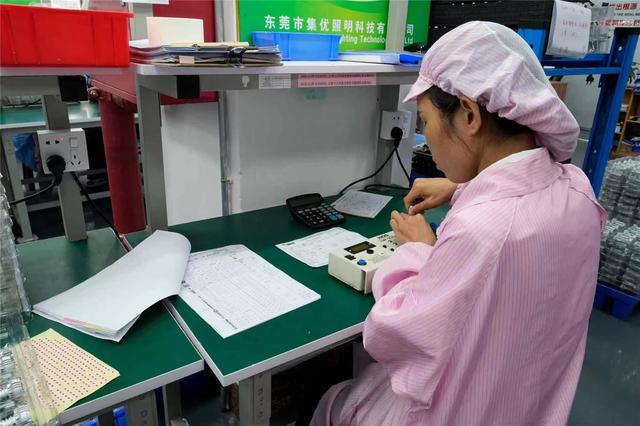
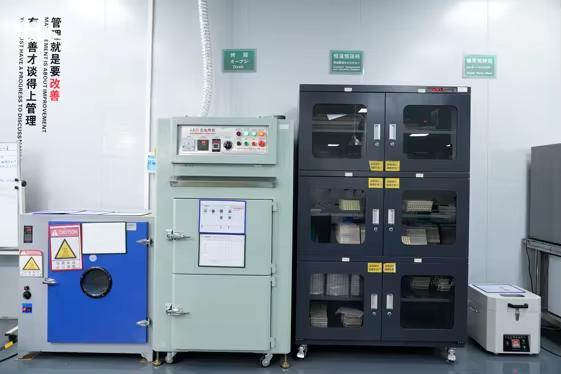
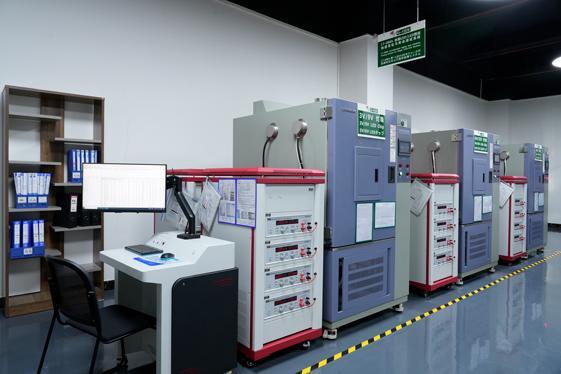
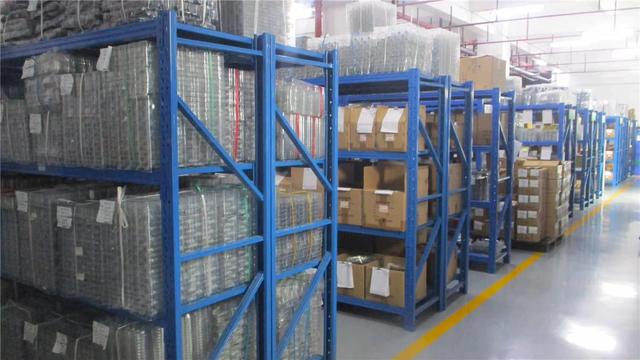
A visual overview of our manufacturing facilities, assembly stations, and testing centers in Ningbo, Zhejiang Province.
In-depth responses to frequent technical, logical, and supply-chain questions from global procurement departments and engineering teams.
We address heat dissipation through a three-pronged approach: conduction, convection, and active thermal management. Firstly, we use high-conductivity copper core PCBs (thermal conductivity > 380 W/mK) to transfer heat away from the LED junction. Secondly, we employ housing structures made of aviation-grade 6063-T6 aluminum alloys, designed with deep cooling fins to maximize surface area. Finally, our high-power systems utilize integrated brushless, double-ball bearing cooling fans that reach up to 12,000 RPM, working in tandem with smart thermistors inside the driver circuit to adjust output dynamically if the temperature exceeds safe limits.
Modern vehicle ECUs monitor bulb circuits for electrical resistance and load stability. Because LEDs have a much lower electrical resistance than halogen filaments, the ECU can flag this as a bulb failure, leading to dashboard error warnings or flashing. We engineer our external and integrated LED drivers with specialized CAN-bus decoders, incorporating lowpass filters and load resistors that mimic standard halogen power draws without generating excessive heat. Our drivers also feature transient voltage suppression (TVS) diodes to absorb voltage spikes within the vehicle's electrical system, preventing flicker.
All our product designs undergo a comprehensive validation testing program. This includes ingress protection testing to guarantee IP67/IP68/IP69K sealing against moisture and dust; high/low temperature chambers cycling from -40°C to +105°C; salt spray testing for corrosion resistance on brackets and connectors; and vibrational stress testing to simulate extended road use. Our optical laboratories also utilize advanced goniophotometers to map beam intensity, ensuring cut-off lines and luminous flux comply with European ECE (R37/R112/R128) and US DOT/FMVSS108 standards.
Our manufacturing facility offers full OEM/ODM customization for automotive optics, housings, and mounting brackets. We utilize premium injection tooling equipment to shape optical-grade Polycarbonate (PC) and Polymethyl Methacrylate (PMMA). Customers can customize reflector designs (parabolic, free-form, or projector lens mounts), lens tinting/finishes (clear, smoked, amber, or chrome metallization), and structural housings. We accept engineering files in STEP, IGES, or DWG formats, providing full Moldflow analysis and prototyping before starting production tool fabrication.
For standard products, our manufacturing turnaround is 15-25 days from deposit confirmation. Custom OEM/ODM orders requiring mold modification or custom tooling typically take 35-50 days. Located in Ningbo, Zhejiang Province, our facility sits near Beilun Port—one of the largest deep-water shipping terminals globally—giving us access to ocean freight connections to major markets. We also handle container loading, customs documentation, and logistics coordination under FOB, CIF, or DDP terms.
Explore our range of commercial vehicle lighting, specialty workshop lights, and vehicle safety warning systems built for heavy-duty applications.
 DERT Lighting