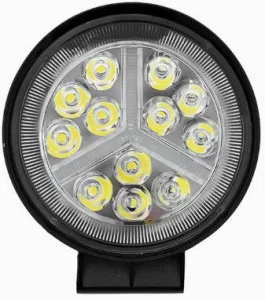
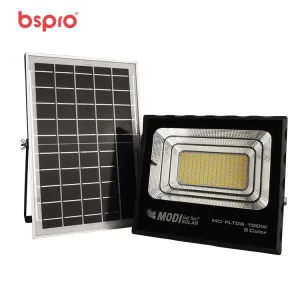
High-lumen optical products designed for harsh work conditions, certified by international standards, and optimized for global export markets.
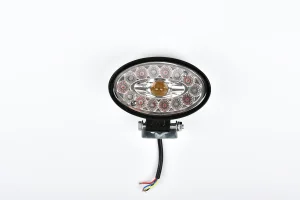
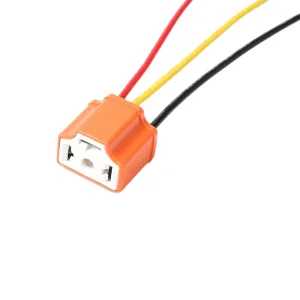
Founded in 2012, Ningbo DERT Lighting Co., Ltd. has positioned itself at the vanguard of high-performance automotive and industrial illumination technologies. Operating from a highly modernized 18,000 square meter production facility in the industrial hub of Ningbo, Zhejiang Province, China, the corporation integrates cutting-edge engineering, computerized assembly, and comprehensive quality assurance protocols under one roof.
With a multi-disciplinary team exceeding 320 seasoned professionals, DERT Lighting operates dedicated R&D labs, optical simulation hubs, and advanced electronic design laboratories. The company is committed to manufacturing next-generation LED headlights, signal lamps, work lights, and complex illumination assemblies for both the demanding global automotive aftermarket and Tier-1 OEM industrial clients.
Through systematic investments in manufacturing automation and precise optical testing platforms, DERT ensures that every product exported meets or exceeds critical international regulations, providing long-term reliability in the most extreme working conditions.
How modern optical science and smart control modules are reshaping mining, construction, and fleet transportation environments globally.
Modern heavy machinery demands high-lumen density with minimal electrical load. Solid-state lighting (SSL) technologies now achieve over 190 lm/W, allowing equipment to run brighter safety arrays without straining vehicle electrical buses.
Integrating light arrays with onboard computer systems enables adaptive front-lighting (AFS). These systems automatically dim specific zones to prevent blinding operators on nearby machinery, while keeping other zones illuminated.
With the expansion of extreme polar mining and high-heat tropical construction, standard ratings are no longer sufficient. Modern requirements specify IP69K ingress protection alongside multi-axis vibration resistance exceeding 15 Gs.
Global procurement directors and supply chain managers in the industrial machinery sector face complex challenges. Buying vehicle lighting is not just a matter of sourcing bulb replacements; it is a critical strategy to minimize operational downtime. The core requirements focus on several major pillars:
Precision-engineered electronic drivers prevent voltage surges from frying LED diodes, helping fixtures achieve long lifetimes even during voltage drops or cold cranks.
Industrial supply contracts rely on documented quality. We provide comprehensive Production Part Approval Process (PPAP) documentation, alongside detailed DFMEA and PFMEA audits.
Heavy machinery operating across construction, mining, logistics, and emergency services requires specific, application-focused optical designs.
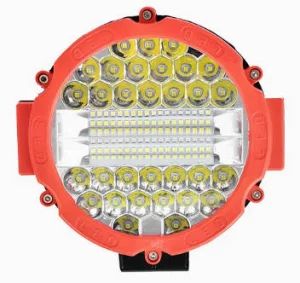
Requires intense flood beams (10,000+ lumens) with vibration dampening to withstand constant drilling and blasting shocks. IP69K sealing prevents fine rock dust and high-pressure water spray from penetrating the housing.
Demands asymmetrical light distribution patterns that illuminate work areas and crop lines without blinding operators on nearby machinery, reducing glare during late-night harvesting.
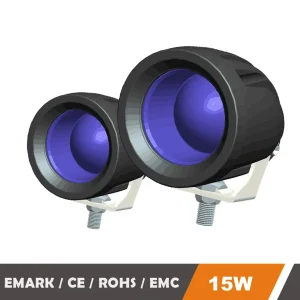
Focuses on high-altitude scene floodlights and warning systems (such as red safety zone lines and blue spots) to protect ground workers around cranes and heavy forklifts.
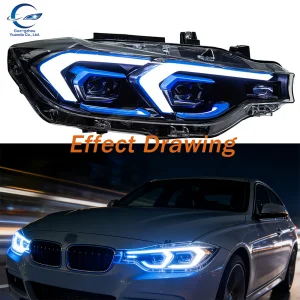
Requires durable combination lights (including high/low beams, DRLs, and turn signals) designed for high mileage and continuous use in variable weather conditions.
Requires specialized strobe beacons and visual signaling lights to ensure quick recognition in active emergency zones and high-traffic municipal corridors.
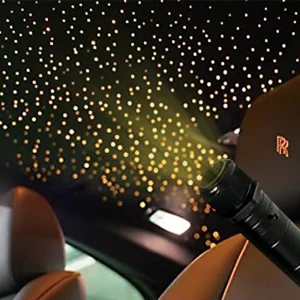
Focuses on styling, performance enhancements, and customizable visual kits (such as fiber optic ambient lamps and multi-mode DRL setups) for auto styling and consumer markets.
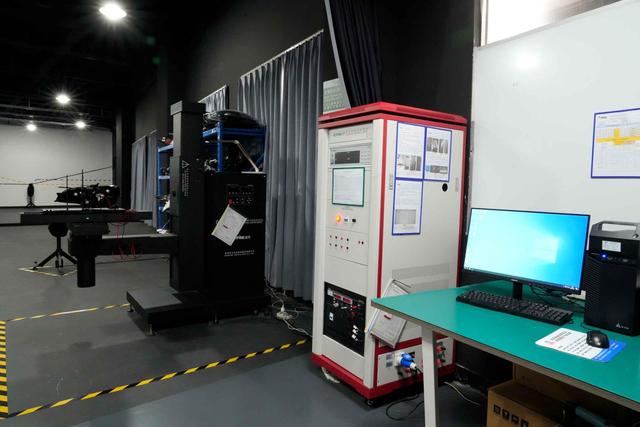
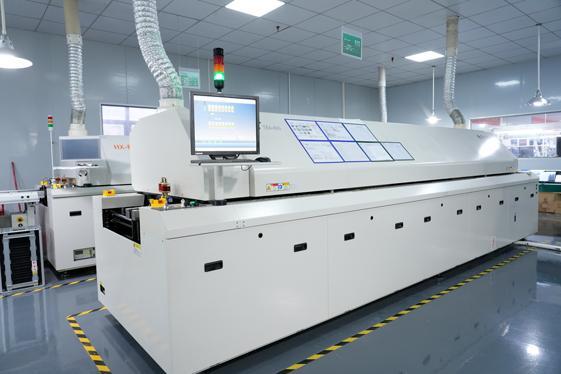
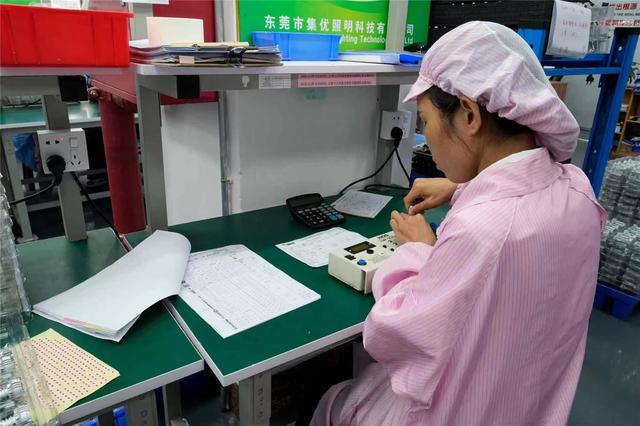
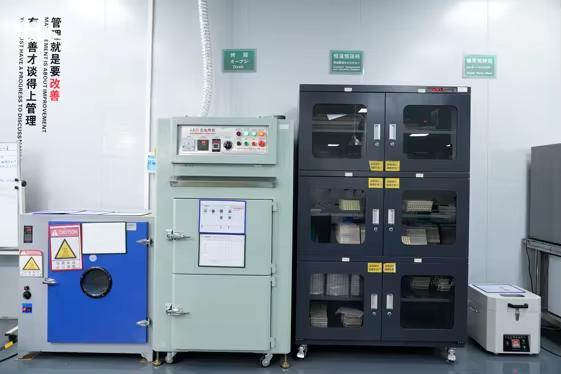
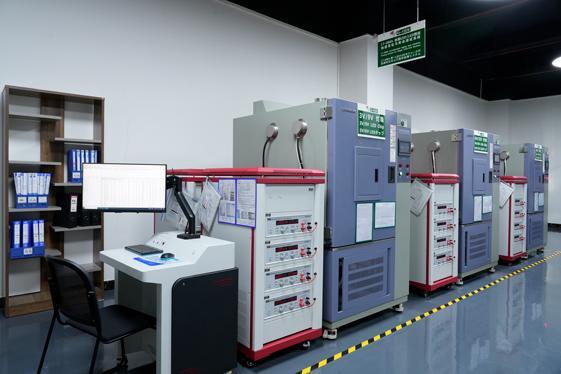
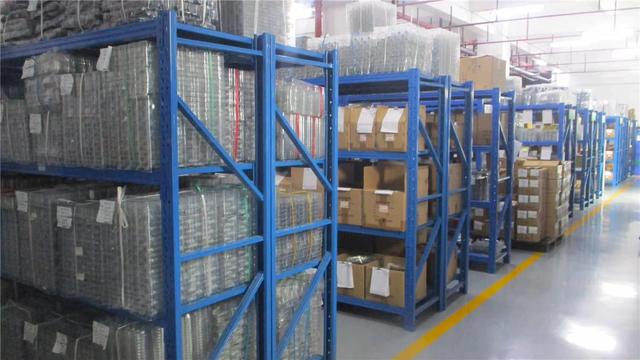
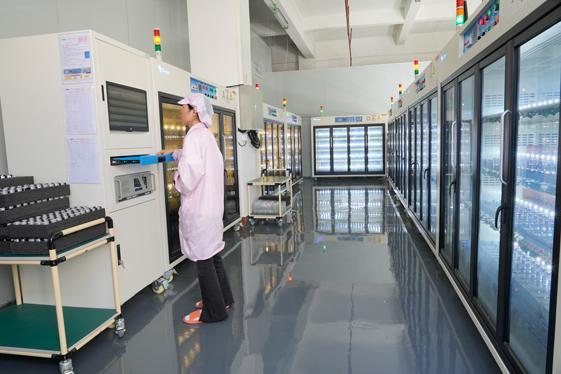
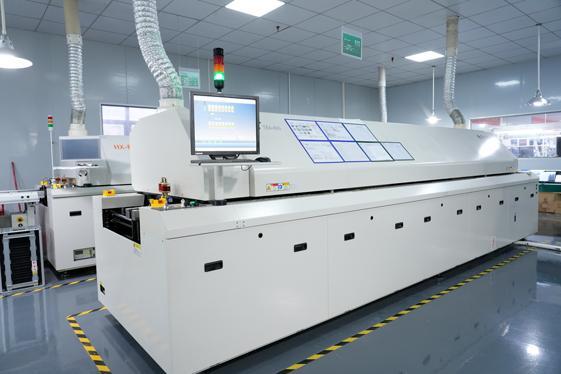
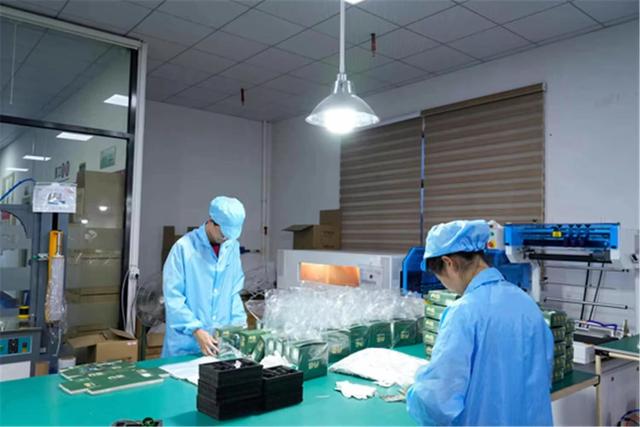
Inside Ningbo DERT's 18,000 square meter plant: precision optical testing, automated SMT setups, and rigorous physical verification laboratories.
Ensuring optical reliability requires state-of-the-art testing equipment. The Ningbo DERT facility features specialized testing zones: salt-spray corrosion rooms, thermal shock chambers, dust chambers for IP5X/IP6X testing, and goniophotometric labs that plot precise candela and lumen output distribution. Our production line uses high-speed automated Surface Mount Technology (SMT) and automated visual inspection systems to minimize human error and guarantee consistent assembly quality.
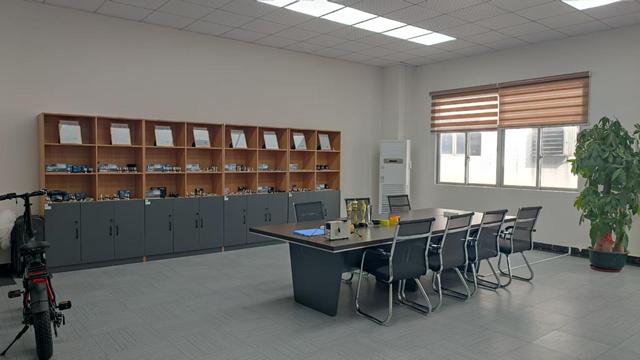
Looking ahead, DERT Lighting is focused on incorporating emerging vehicle automation systems into our products. As mining and freight industries move toward autonomous operations, vehicle lighting must adapt to serve both human eyes and optical camera sensors.
Our R&D team is actively engineering integrated sensor-light units that house both LED arrays and optical sensors (like LiDAR and camera modules) in a single housing. This ensures optimal sensor clarity in cold weather via integrated heating elements that keep lenses free of ice and condensation.
Detailed technical answers to common questions asked by OEM engineers, procurement managers, and global distributors.
We use molded high-temperature silicone gaskets alongside automated glue dispensing systems. Each housing is pressurized and submerged in testing tanks, ensuring seals can withstand close-range, high-pressure water spray (100 bar at 80°C) and fine dust particles.
Our driver boards are designed with onboard filtering and metal shielding. This design minimizes RF emissions, helping DERT products meet CISPR 25 Class 3/5 and FCC Part 15 standards to prevent interference with GPS and communication equipment.
Yes. Using advanced optical design software, our engineers simulate light path distribution to create custom collimators and lenses (spot, flood, or asymmetrical beams) tailored for specific construction or mining applications.
We use metal-core PCBs (MCPCB) paired with premium thermal paste, mounting them directly to die-cast aluminum heat sinks. This ensures efficient heat dissipation, keeping LED junction temperatures low to prevent output drop over time.
We offer extensive customization, including input voltage ranges (such as 9V-32V or 9V-80V for industrial machinery), custom mounting brackets, specific connector plugs (such as Deutsch DT), laser branding, and tailored packaging.
DERT products are certified to meet international standards including ECE (E-Mark), DOT, CE, RoHS, and FCC, ensuring smooth customs processing and compliance in major global markets.
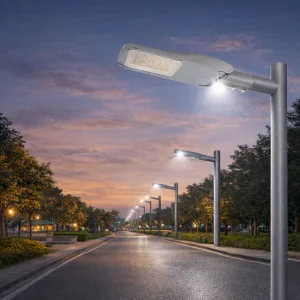
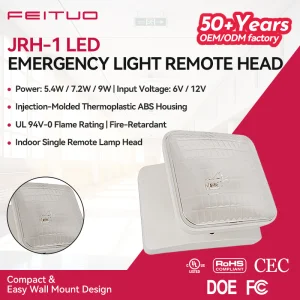
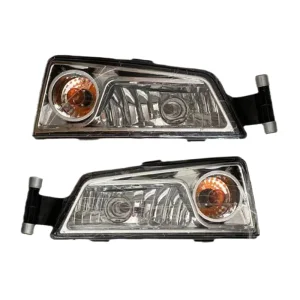
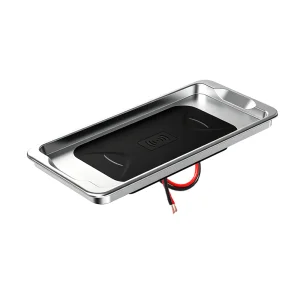
Premium replacement parts, street lighting assemblies, and waterproof auxiliary work lights engineered for high efficiency and longevity.
 DERT Lighting