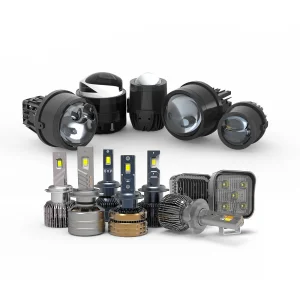
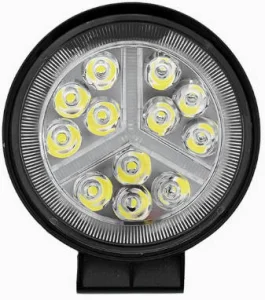
Explore our engineering-focused product portfolio designed for high visibility, durability, and extreme environments.
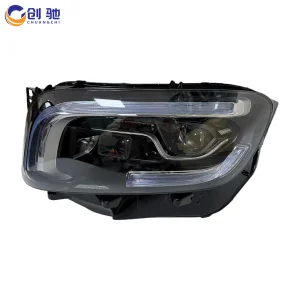
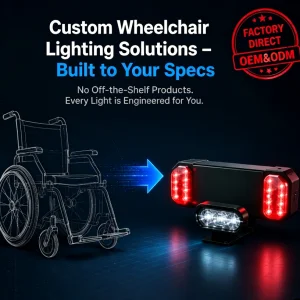
Established in 2012, Ningbo DERT Lighting Co., Ltd. is a professional manufacturer specializing in automotive lighting systems, LED headlights, and vehicle lighting solutions for the global automotive aftermarket and OEM customers. Located in Ningbo, Zhejiang Province, China, the company operates a modern production facility covering approximately 18,000 square meters and employs more than 320 skilled professionals across engineering, manufacturing, quality assurance, research and development, and international sales departments.
DERT Lighting focuses on the design, development, and production of automotive lighting products, including LED headlight systems, vehicle lighting assemblies, signal lighting solutions, commercial vehicle lighting products, off-road lighting systems, and customized automotive illumination technologies. The company serves automotive brands, distributors, wholesalers, importers, fleet operators, and aftermarket suppliers across international markets.
Supported by an experienced engineering team, DERT Lighting continuously invests in product innovation, optical design, thermal management technologies, electronic control systems, and manufacturing automation. The company integrates advanced production equipment, automated assembly lines, precision testing instruments, and standardized manufacturing processes to support consistent product quality and production efficiency.
Quality management is implemented throughout every stage of production, from raw material sourcing and component inspection to assembly, performance testing, durability evaluation, and final quality verification. The company strives to manufacture automotive lighting products that meet the performance, reliability, and regulatory requirements of diverse international markets.
In addition to standard product manufacturing, DERT Lighting provides comprehensive OEM and ODM services, including product development, branding support, customized specifications, packaging solutions, and private-label manufacturing programs. Flexible production capabilities allow the company to support both emerging automotive brands and established industry partners.
How we integrate advanced optics, thermals, and electronics to design tomorrow's motorcycle headlamps.
We are shifting from static reflector systems to dynamic ADB (Adaptive Driving Beam) and Matrix LED technology. By using IMU (Inertial Measurement Unit) sensors, our motorcycle illumination systems auto-adjust light distribution during cornering, preventing blind spots and oncoming glare.
Using collimating lenses and micro-lens arrays (MLA), we design compact optical modules. These modules generate crisp cut-off lines and high-intensity hot spots, maximizing light projection while drawing up to 40% less power than standard LED systems.
Thermal management determines LED lifespan. Our PCB architectures feature copper-substrate thermoelectric separation and integrated heat pipes, keeping junction temperatures below 85°C. This ensures stable light output even during extended, low-speed idling.
| Technology Generation | Light Source Type | Optical Efficiency (lm/W) | Key Mechanical Features | Compliance & Certifications |
|---|---|---|---|---|
| Gen 1: Standard Halogen Retrofits | H4 / HS1 Halogen Bulbs | 20 - 25 lm/W | Stamped Metal Reflector, Standard PC Lens | ECE R112, FMVSS 108 |
| Gen 2: High-Power Monolithic LED | COB / CSP LED Modules | 90 - 110 lm/W | Extruded Aluminum Heatsink, Active Fan Cooling | ECE R113 Class D, DOT Compliant |
| Gen 3: Intelligent Matrix Systems | Multi-emitter SMT arrays | 120 - 140 lm/W | Liquid Metal Cooling, Integrated Can-Bus ECU | ECE R149 (ADB), E-Mark, CCC |
| Gen 4: Laser-Assisted Hybrid (Future) | Blue Laser Diode + Phosphor Converter | 160+ lm/W | Hermetic Opto-Electronic Pods, Active Liquid Loops | ISO 26262 ASIL-B, Pending ECE |
Supporting diverse segments from urban electric mopeds to high-performance heavy cruisers.
Motorbike illumination is not a one-size-fits-all product. Heavy cruisers require long-range, high-lux high beams. Urban electric scooters require compact, wide-angle low beams with low power consumption. DERT Lighting addresses these needs by offering customized engineering pathways.
We work closely with global vehicle designers to align structural constraints (such as cowl aerodynamics and bezel sizes) with optical targets. Our integrated design cycle combines mechanical 3D modeling, Zemax optical simulations, and thermal FEA (Finite Element Analysis) to prototype and refine illumination systems before tooling begins.
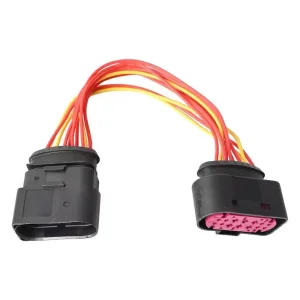
Additionally, we design and manufacture custom wire harnesses featuring modified TPE insulation. This ensures high flexibility, thermal resistance, and reliable connections under heavy chassis vibrations and wet weather.
Ensuring global market access through strict testing protocols and certification compliance.
Different markets have distinct requirements for light patterns, cut-offs, and signal colors. Our engineering and quality assurance teams design all assemblies to comply with major international automotive safety regulations, including ECE R113, ECE R50, FMVSS 108 (DOT), and China's CCC.
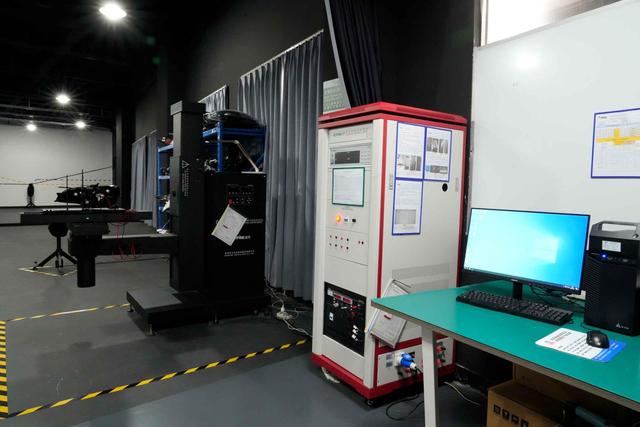
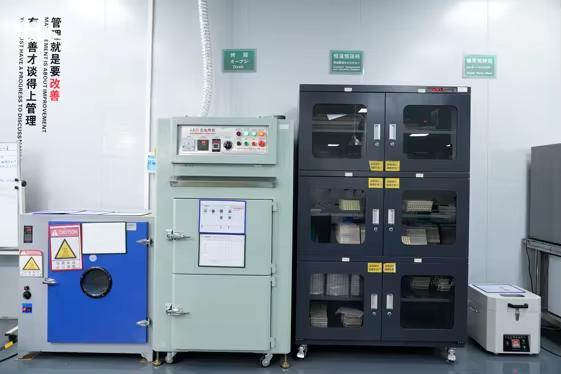
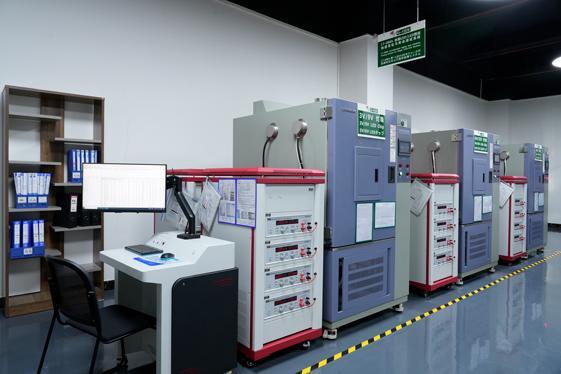
We perform pre-compliance checks in our in-house testing facilities. This testing includes photometric distribution analysis via goniophotometer systems, electromagnetic compatibility (EMC) testing, and environmental testing (salt spray, vibration, high-low temperature cycles, and water ingress).
By providing complete test reports, optical design files, and compliance documentation, we help clients minimize the risk of import delays, customs issues, or safety recalls.
Combining automated assembly, precision toolmaking, and vertical integration to optimize cost and quality.
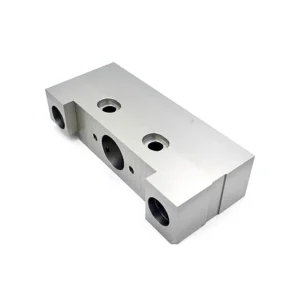
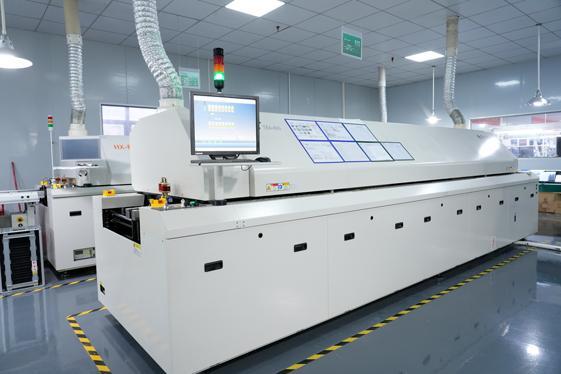
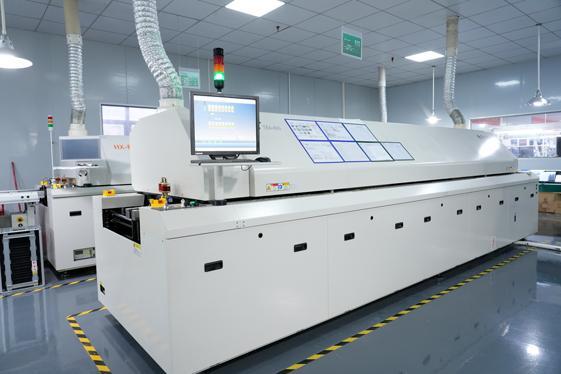
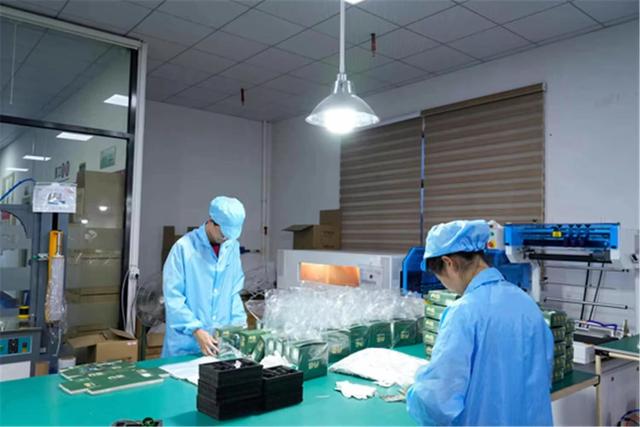
Our 18,000 square meter factory in Ningbo, China, operates with high vertical integration. We don't just assemble parts; we control key production steps. This includes precision CNC metal machining for aluminum heatsinks and reflectors, automated SMT component placement for LED driver boards, and custom plastic injection molding for optical lenses and light guides.
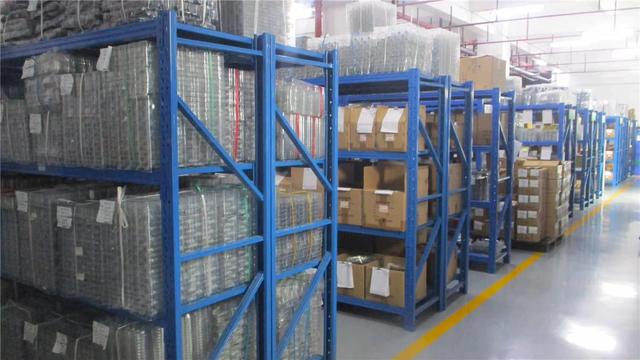
Operating in the Ningbo industrial cluster provides access to key sub-tier suppliers, raw materials, and components. Proximity to Ningbo Port enables efficient logistics and shipping for our global clients.
Our facility runs under ISO 9001 and IATF 16949 quality management frameworks. This structured approach helps ensure traceablity, minimize defects, and provide consistent quality from pre-production prototyping to high-volume assembly runs.
How we align our engineering capabilities with your specific procurement and production requirements.
We review your photometrics, space constraints, and electrical requirements. Using optical simulations (Zemax) and thermal modeling, we evaluate performance before creating physical molds.
We produce 3D-printed housings and CNC-machined optics for physical verification. These prototypes undergo initial tests for fitment, thermal performance, and light output.
Once prototypes are approved, we fabricate steel injection molds. Production is scheduled using automated assembly lines, backed by end-of-line optical testing.
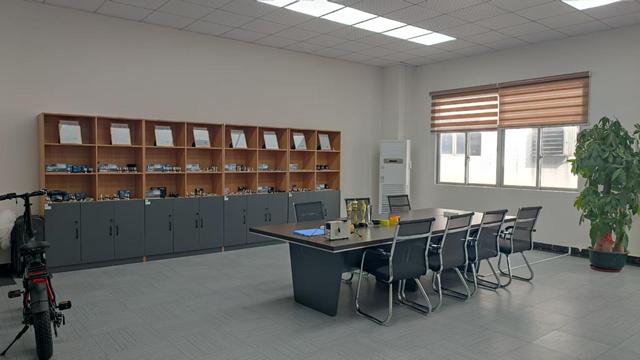
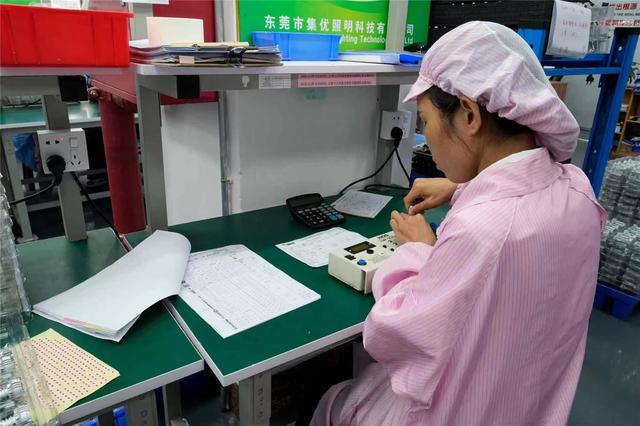
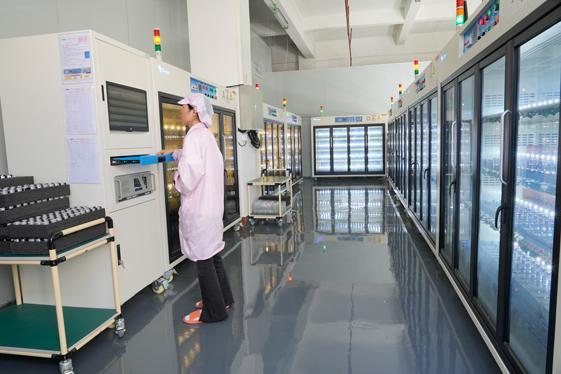
A look inside DERT Lighting's production floors, assembly lines, and quality control systems.
Get answers to common technical, design, and logistics questions regarding our custom OEM lighting programs.
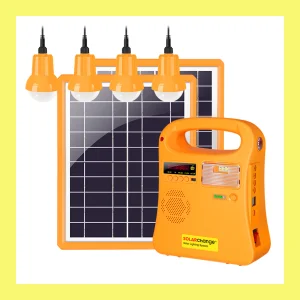
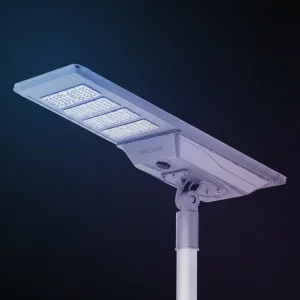
Expanding visibility with energy-efficient street lamps, interior indicators, and smart controllers.
 DERT Lighting