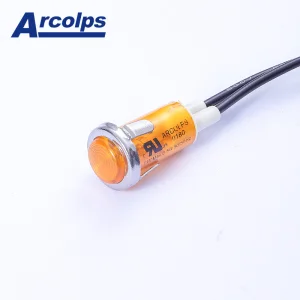
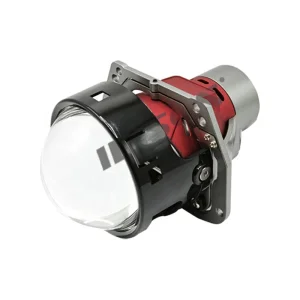
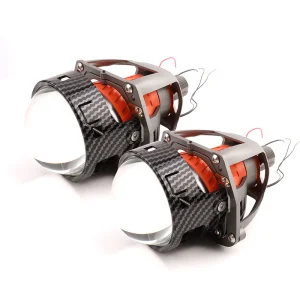
Established in 2012, Ningbo DERT Lighting Co., Ltd. has grown to become a cornerstone in the global automotive illumination sector. We serve as a professional, high-tier manufacturer specializing in the advanced engineering, design, and manufacturing of custom automotive lighting systems, LED headlights, and complex illumination assemblies for both OEMs and Tier-1 aftermarket suppliers globally. Strategically based in the active industrial cluster of Ningbo, Zhejiang Province, China, our company manages an expansive, state-of-the-art facility spanning approximately 18,000 square meters.
Our workforce comprises more than 320 skilled professionals, including dedicated optical design engineers, thermal scientists, embedded electronics developers, dynamic quality assurance inspectors, and proactive customer relationship managers. Driven by a culture of absolute precision, DERT Lighting integrates product validation pipelines that test for real-world environmental stress, guaranteeing durability, reliable luminous efficacy, and complete compliance across major regulatory systems like ECE and DOT.
Our manufacturing philosophy centers on integrating advanced production technology with rigorous E-E-A-T (Experience, Expertise, Authoritativeness, and Trustworthiness) standards. By aligning our development protocols with IATF 16949 requirements, we ensure that every component—from standard LED indicators to high-power adaptive matrix headlights—is engineered for longevity, low thermal load, and precise optical performance under extreme operating conditions.
Procuring lighting components for international distribution requires strict adherence to regional standards, supply chain efficiency, and reliable manufacturing pipelines. OEMs and commercial fleets require solutions that address key technical and operational parameters:
Automotive lighting must comply with global regulations. We ensure our components align with US Federal Motor Vehicle Safety Standards (FMVSS 108) / DOT requirements, European ECE regulations, and China's Compulsory Certification (CCC) to support smooth market integration.
High-power LEDs require effective heat dissipation. Our engineering team utilizes copper core PCBs, advanced heat pipes, and optimized heat sinks to prevent thermal degradation and maintain structural integrity over the lifespan of the vehicle.
Modern automotive systems are packed with wireless components and sensors. Our LED control boards are developed to isolate electrical noise and comply with CISPR 25 standards, preventing interference with onboard radars or infotainment units.
Ningbo DERT Lighting provides scalable automotive lighting solutions designed to meet the demands of global vehicle segments, commercial transportation networks, and specialized industrial sectors.
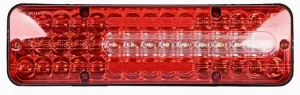
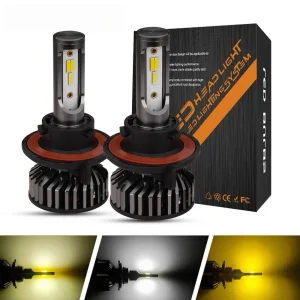
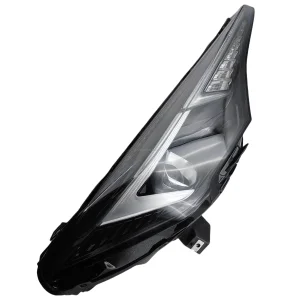
We engineer high-efficiency LED replacement headlights, integrated daytime running lights (DRL), and customized taillight assemblies. Our solutions support various vehicle formats, ensuring clean beam cutoffs, reliable brightness, and plug-and-play installation.
Our heavy-duty vehicle product range features high-vibration resistance, reinforced housings, and wide-voltage drivers (12V-24V). These features are designed for logistics trucks, mass transit buses, and long-haul transportation systems operating in demanding conditions.
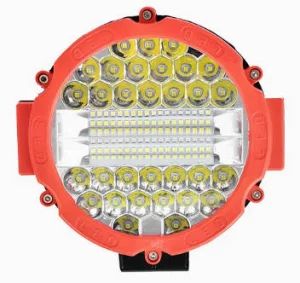
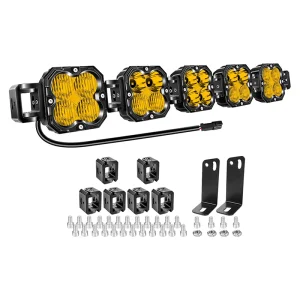
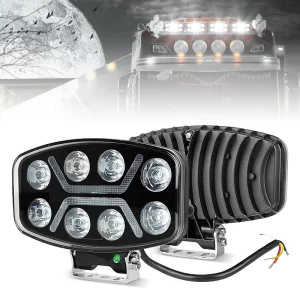
We manufacture IP67 and IP6K9K waterproof driving spot lamps, utility bars, and auxiliary overlanding lighting. Built using high-grade aviation aluminum housings, these lights deliver high lumen output and resist moisture ingress in challenging environments.
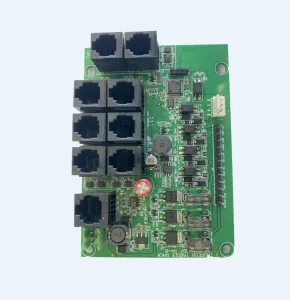
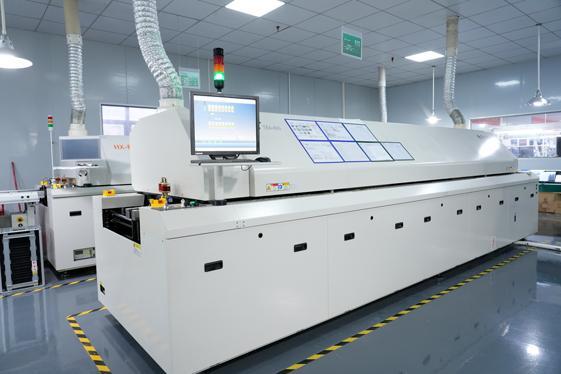
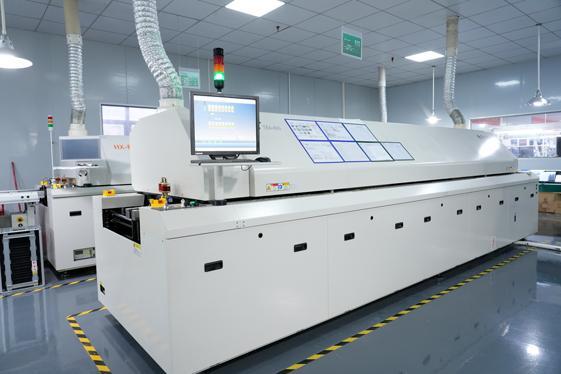
With our dedicated SMT lines, we supply high-performance BGA (Ball Grid Array) PCB assemblies customized for automotive LED headlamps. Our processes focus on thermal distribution, precise component placement, and solder joint integrity, enabling Tier-1 partners to easily integrate our circuits into their headlight housings.
As autonomous driving and smart mobility systems advance, automotive lighting is shifting from static illumination to intelligent visual communication. Our development roadmap details how we integrate optical components with modern sensors:
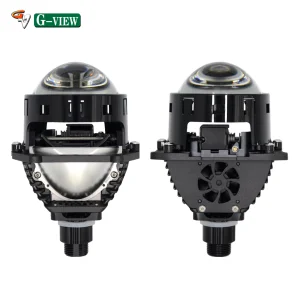
Integrating micro-stepper motors and real-world steering inputs to dynamic projector lenses, dynamically matching the light beam to road curves for improved safety.
Transitioning from traditional halogen to individually controlled LED matrix modules, enabling selective high-beam dimming to prevent glaring oncoming drivers.
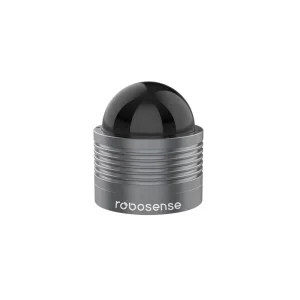
Integrating 180° safety camera arrays and compact LiDAR systems (such as the RS-bpearl 3D LiDAR) directly into the headlight cluster for a clean front fascia.
Designing next-generation micro-LED and DLP projectors capable of projecting navigation prompts, warnings, and crosswalk markers onto the road surface.
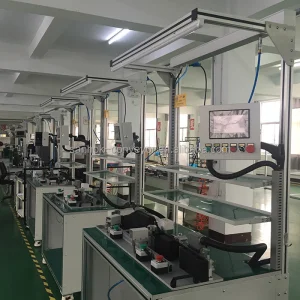
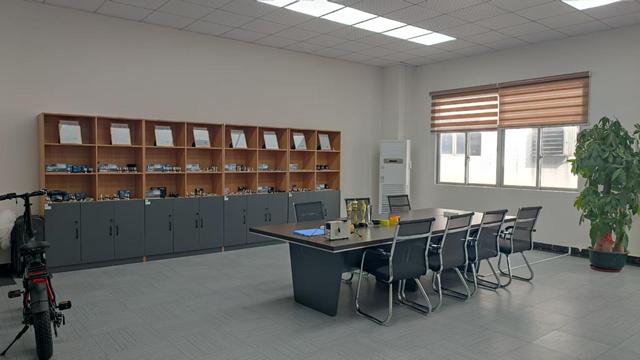
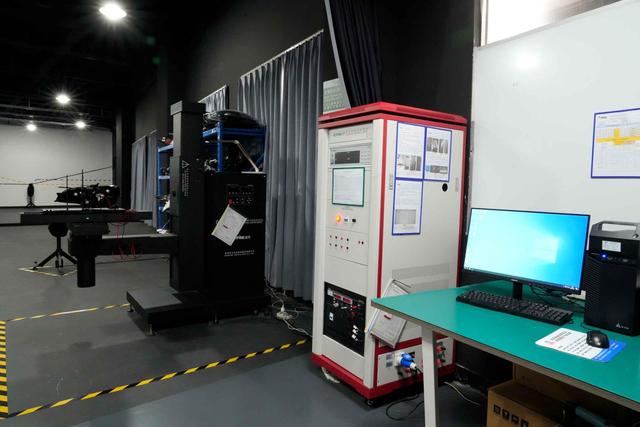
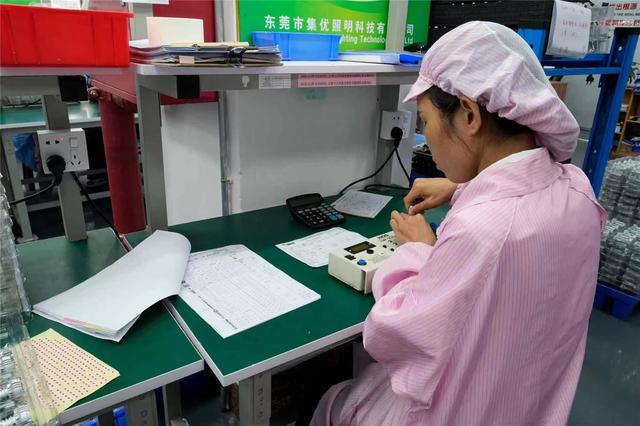
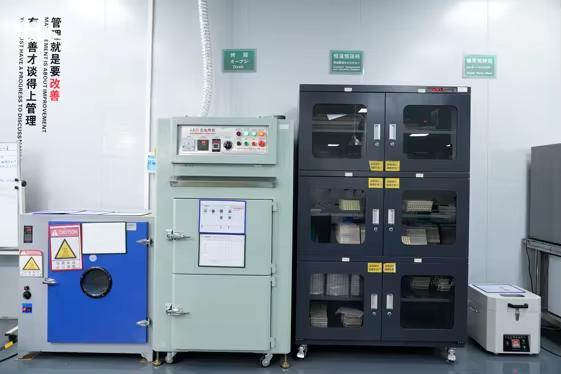
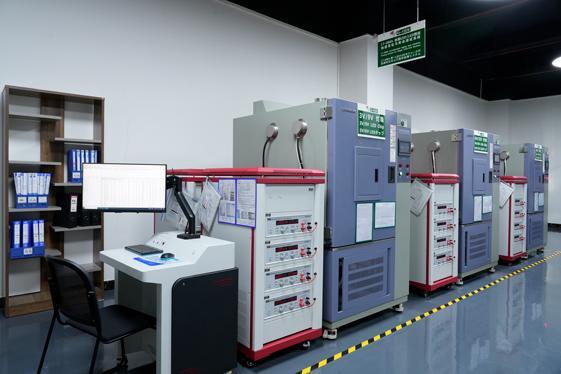
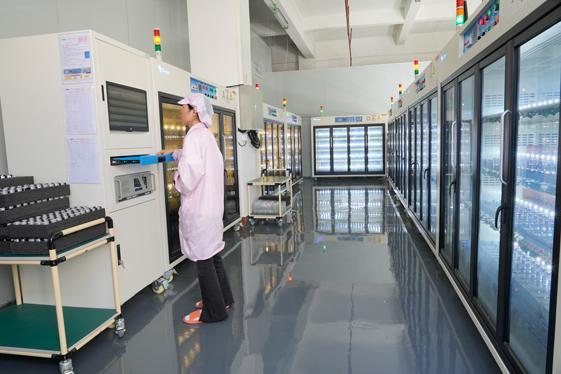
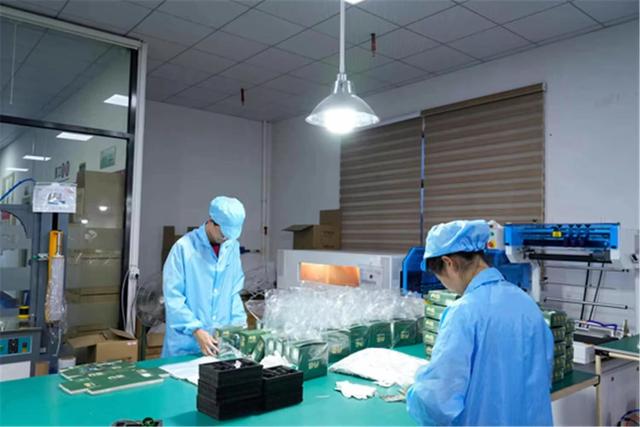
Our 18,000 square meter factory features high-capacity assembly lines, automated SMT setups, and specialized testing environments. This infrastructure supports consistent quality and helps prevent typical production issues in automotive lighting systems.
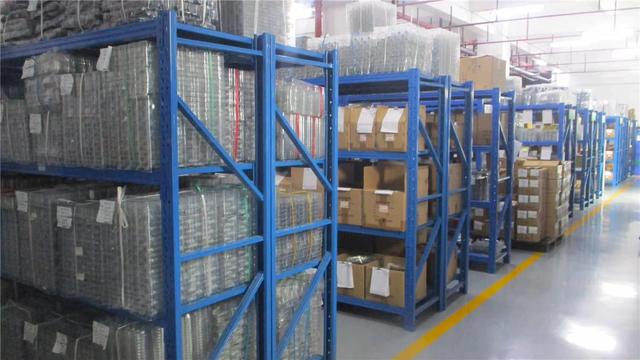
Operating globally requires reliable logistics and localized support structures. At Ningbo DERT Lighting, we offer comprehensive localization benefits for our international clients in North America, Europe, South America, and Asia. Our logistics team handles shipping documentation, custom clearances, and duty structures, ensuring predictable delivery times.
To maintain product quality across varying climates, our validation lab runs every production batch through extreme testing protocols:
Find answers to common questions about our technical capabilities, OEM customization options, and manufacturing timelines.
 DERT Lighting