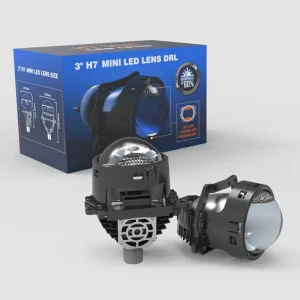
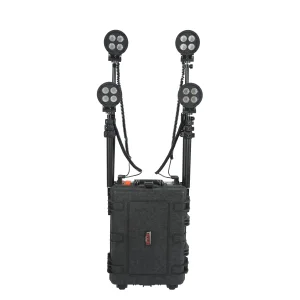
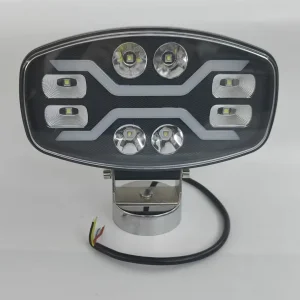
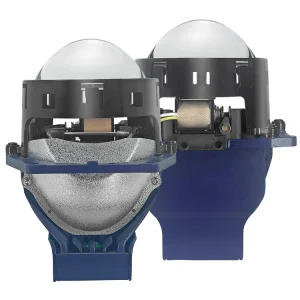
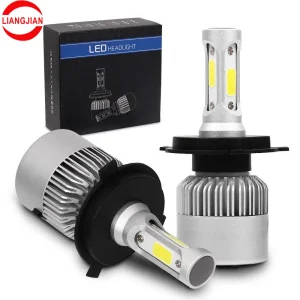
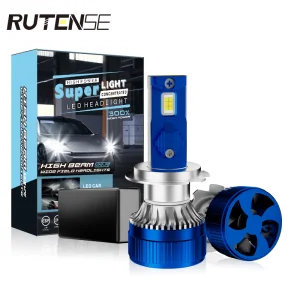
Explore our top-tier headlights, projector systems, and specialty LED solutions engineered for extreme efficiency and reliability.
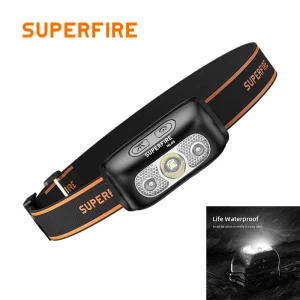
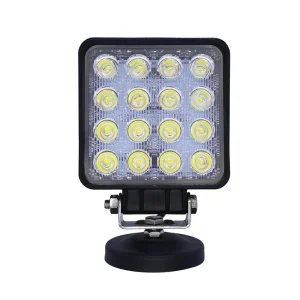
The global automotive industry is undergoing a structural paradigm shift driven by electrification, autonomous driving, and smart cockpit integration. At the center of this transformation lies the automotive lighting sector. Once regarded as mere functional safety components, headlights and auxiliary systems have evolved into critical nodes of vehicular communication, brand identity, and high-performance safety arrays.
This whitepaper analyzes the key structural shifts within the automotive lighting supply chain, specifically highlighting China's ascension as a manufacturing hub capable of delivering high-quality, high-reliability products. We examine critical factors such as **IATF 16949 certification**, precision optical design, micro-electronic thermal dissipation structures, and the optimization of OEM/ODM operations to support global markets.
To understand the requirements of modern global automotive procurement, one must evaluate the macro trends that define today's lighting products. High-intensity discharge (HID) and halogen technologies have rapidly been phased out in favor of advanced solid-state LED systems, which are now paving the way for matrix, laser, and smart connected solutions.
Adaptive Front-lighting Systems (AFS) and Adaptive Driving Beams (ADB) adjust light distribution patterns in real-time according to steering angles, driving speed, and ambient traffic conditions. By integrating sensors, actuators, and dynamic controllers, modern headlights protect oncoming drivers from glare while optimizing the roadway path for the driver.
Smart illumination is moving toward digital control via local area networks (CAN/LIN bus systems) and consumer-facing wireless applications. Multi-color, programmable LED systems now enable users to control color temp, strobe settings, and localized dimming via Bluetooth or dedicated applications, offering custom driving profiles.
The power envelope of performance automotive lights is continually increasing, with some configurations reaching up to 360W per set. Efficient heat dissipation is paramount. Modern manufacturer designs utilize aircraft-grade aluminum, dual ball-bearing cooling fans, copper vacuum heat pipes, and high-performance thermal grease to sustain light output and prevent decay.
Global automotive brands and aftermarket distributors frequently turn to Chinese manufacturing facilities to balance cost-efficiency with premium quality. Ningbo, positioned as a key technological hub in East China, provides unique geo-economic benefits, integrated industrial supply chains, and superior logistics infrastructure.
Automotive component manufacturing demands massive ecosystems. A dedicated factory in Ningbo accesses a dense network of raw material providers (high-grade aluminum, optical PMMA/polycarbonate resins) and specialized semiconductor fabs that fabricate high-reliability LED chips and control boards. This clustering effect significantly lowers material transport times, reduces baseline production costs, and secures predictable material lead times, even during global supply chain turbulence.
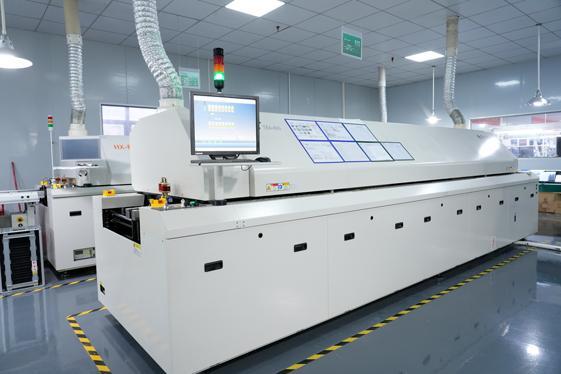
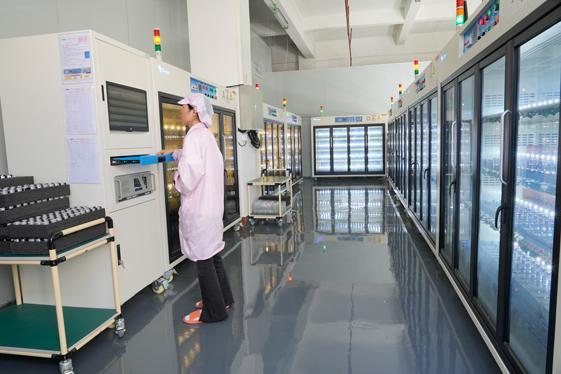
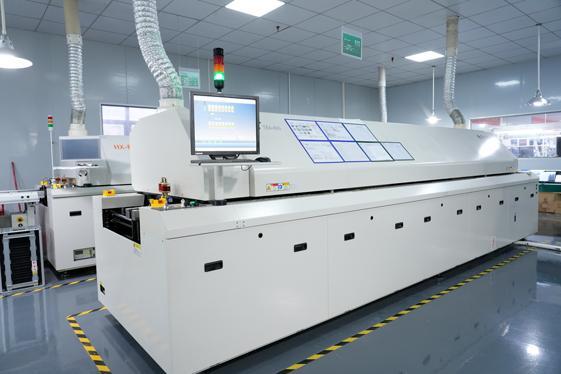
Maintaining standard compliance requires heavy investment in manufacturing automation. High-speed surface mount technology (SMT) machines place LED emitters with micron-level accuracy, ensuring optical consistency. Robotized glue dispensers ensure IP67 and IP68 environmental sealing, which prevents inner lens fogging under severe temperature fluctuations. Advanced optical profiling chambers evaluate the vertical cut-off line of projector assemblies, ensuring they meet rigorous ECE and DOT requirements.
Automotive lighting is not a one-size-fits-all sector. Distinct application scenarios dictate specific parameters, engineering solutions, and structural design choices:
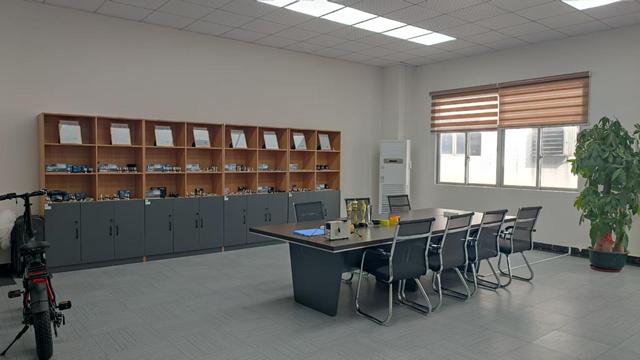
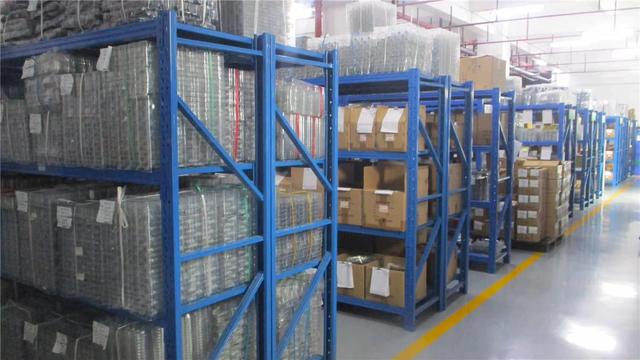
Established in 2012, Ningbo DERT Lighting Co., Ltd. is a professional manufacturer specializing in automotive lighting systems, LED headlights, and vehicle lighting solutions for global automotive aftermarket and OEM customers. Located in Ningbo, Zhejiang Province, China, the company operates a modern production facility covering approximately 18,000 square meters and employs more than 320 skilled professionals across engineering, manufacturing, quality assurance, research and development, and international sales departments.
DERT Lighting focuses on the design, development, and production of automotive lighting products, including LED headlight systems, vehicle lighting assemblies, signal lighting solutions, commercial vehicle lighting products, off-road lighting systems, and customized automotive illumination technologies. The company serves automotive brands, distributors, wholesalers, importers, fleet operators, and aftermarket suppliers across international markets.
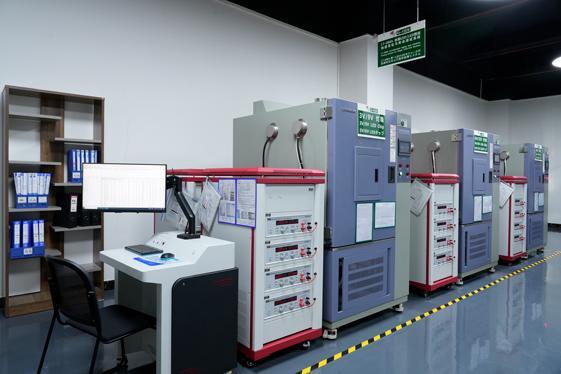
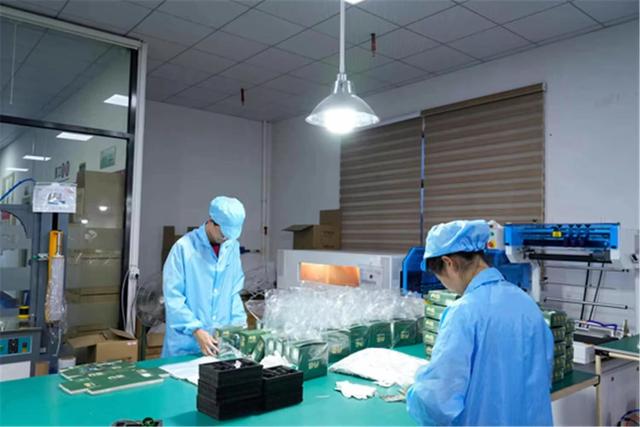
Supported by an experienced engineering team, DERT Lighting continuously invests in product innovation, optical design, thermal management technologies, electronic control systems, and manufacturing automation. The company integrates advanced production equipment, automated assembly lines, precision testing instruments, and standardized manufacturing processes to support consistent product quality and production efficiency.
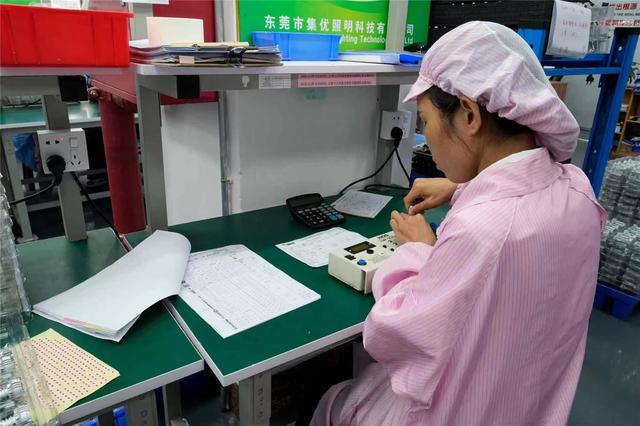
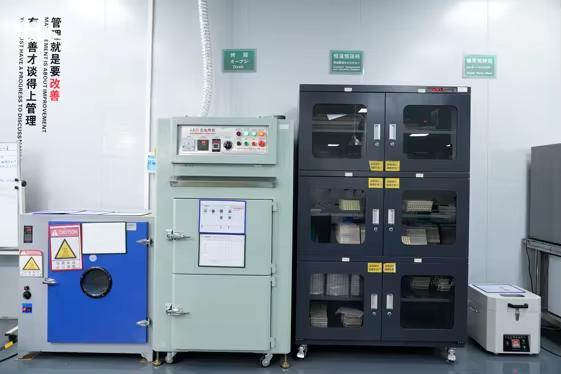
Quality management is implemented throughout every stage of production, from raw material sourcing and component inspection to assembly, performance testing, durability evaluation, and final quality verification. The company strives to manufacture automotive lighting products that meet the performance, reliability, and regulatory requirements of diverse international markets.
In addition to standard product manufacturing, DERT Lighting provides comprehensive OEM and ODM services, including product development, branding support, customized specifications, packaging solutions, and private-label manufacturing programs. Flexible production capabilities allow the company to support both emerging automotive brands and established industry partners.
Today, Ningbo DERT Lighting Co., Ltd. exports products to North America, Europe, South America, Southeast Asia, the Middle East, and other global regions, delivering reliable automotive lighting solutions for a rapidly evolving mobility market.
When evaluating automotive lighting manufacturers, international procurement agencies must implement strict validation checklists. The difference between consumer-grade lighting components and true automotive-grade assemblies involves structural validation, rigorous engineering criteria, and certified manufacturing workflows.
Enterprise buyers should require documentation confirming complete adherence to the **IATF 16949** standard. This automotive standard verifies that a manufacturer runs a unified system targeting continuous improvement, defect prevention, and supply-chain risk mitigation. For road legality, products must bear standard markings matching local market laws, such as **E-mark** (ECE) for European territories and **DOT/SAE** registration for North America.
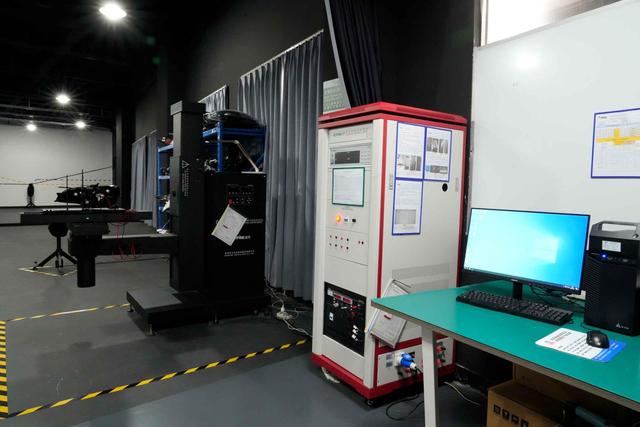
An automotive headlight's value is determined by its light pattern structure, not just its theoretical raw lumens. Check the light cut-off line (low beam) to ensure oncoming drivers are shielded from dangerous glare. Top-tier factories utilize goniophotometric chambers to chart spatial luminous intensity distribution curves, confirming output meets ECE R112 and FMVSS 108 standards.
Under prolonged high-heat environments, LED semiconductor junctions degrade rapidly. Procurement teams must scrutinize a light assembly's thermal dissipation design. Modern solutions include thermal core boards (copper PCBs), active heat dissipation (double-ball bearing silent fans), and intelligent thermal throttling systems that regulate input current if ambient housing temperatures exceed safe thresholds.
Heavy-duty commercial systems demand structural integrity. Verify that plastic polymers contain UV-resistant stabilizers to prevent yellowing or cracking under sunlight. Headlight assemblies should pass rigorous vibration testing protocols (like the sweeping sine test under ISO 16750-3) to ensure components won't loosen or break over bumpy terrain.
To assist procurement directors, technical buyers, and distributors, our senior engineering team has compiled answers to frequently asked technical and commercial questions:
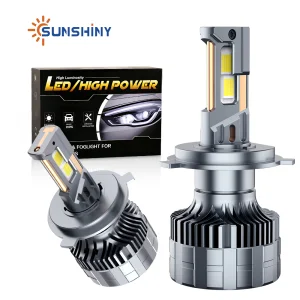
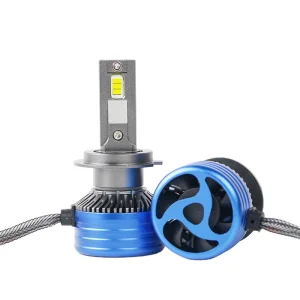
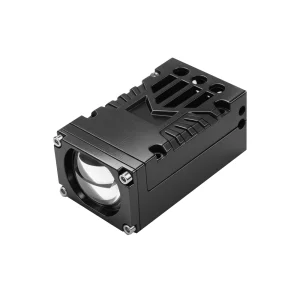
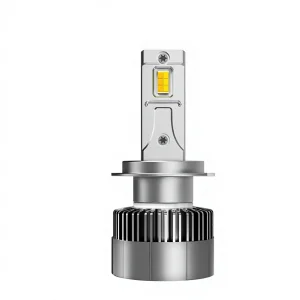
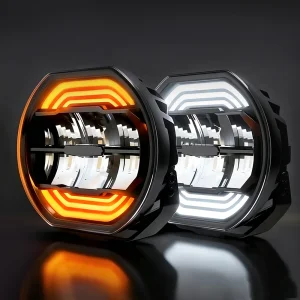
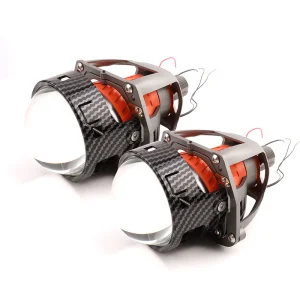
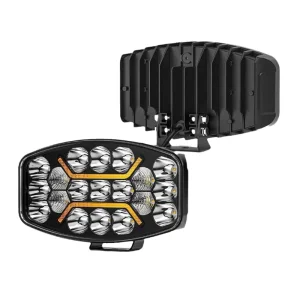
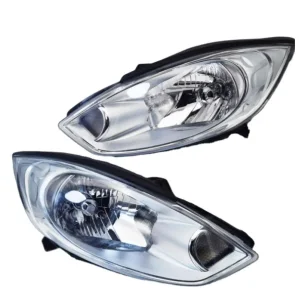
Explore the second group of our high-quality LED modules, off-road driving lights, and smart front headlight options.
 DERT Lighting