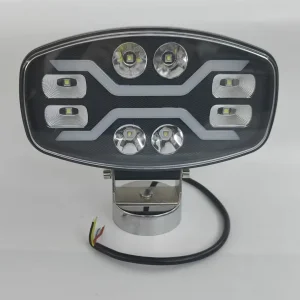
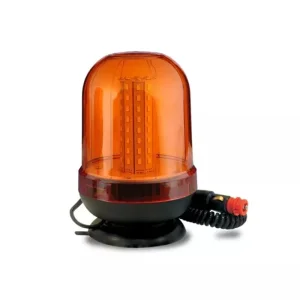
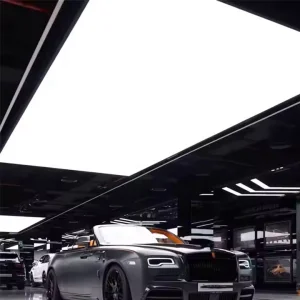
Engineered to withstand extreme environments while delivering maximum optical efficacy and precision lighting distribution.
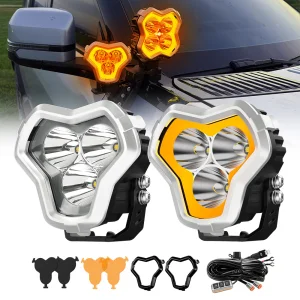
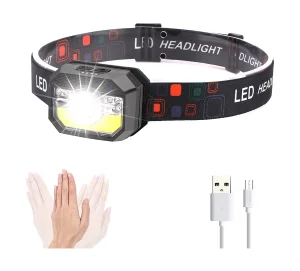
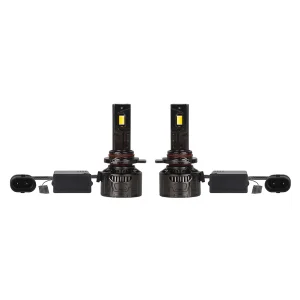
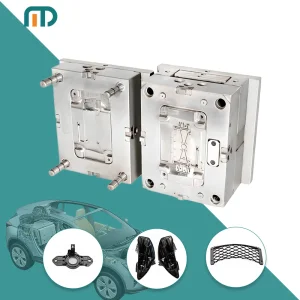
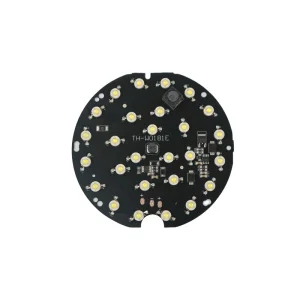
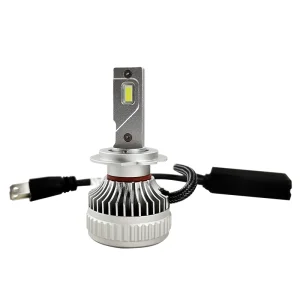
Established in 2012, Ningbo DERT Lighting Co., Ltd. has developed into a premier manufacturing powerhouse specializing in high-performance automotive lighting systems, custom LED headlight modules, and specialized vehicle illumination architectures for both the global automotive aftermarket and Tier-1 OEM clients.
Strategically headquartered in the industrial zone of Ningbo, Zhejiang Province, China, our modern infrastructure spans a comprehensive production footprint of approximately 18,000 square meters. Guided by an elite force of over 320 skilled professionals across optical engineering, structural design, thermal management, QA, and international trade, DERT Lighting operates as a reliable, data-verified global exporter. Through rigorous capital reinvestment in R&D and manufacturing automation, we bridge the gap between initial prototyping and large-scale industrialization.
"DERT Lighting is not simply an assembly vendor. We represent a full-lifecycle manufacturing partner capable of converting raw complex optical schematics into physical, certified lighting systems configured for global deployment."
Our focus spans the design, structural modeling, prototype fabrication, and mass production of advanced LED automotive lighting systems. Our capability portfolio includes smart matrix LED headlights, off-road auxiliary high-lumen spot systems, interior dynamic ambient lighting systems, signal arrays, commercial vehicle warning lights, and high-precision plastic injection molds dedicated to optical housing. Today, we confidently export to key global markets in North America, Europe, South America, the Middle East, and Asia-Pacific.
The global automotive sector is undergoing an unprecedented shift toward software-defined vehicles (SDVs), electrification, and automated driving. Lighting is no longer merely a night-vision aid; it has evolved into a key element of vehicle safety systems, styling identity, and advanced communication interfaces. This transition has reshaped procurement criteria for automobile manufacturers and aftermarket brands alike.
Historically, automotive lighting transitioned from low-efficiency halogen bulbs to High-Intensity Discharge (HID) xenon units. Today, Solid-State Lighting (SSL) driven by high-power LEDs has become the industry benchmark. This is due to their small footprint, longevity, low energy consumption, and high response times. This transition has facilitated the development of adaptive front-lighting systems (AFS) and dynamic beam shaping, allowing vehicles to actively adapt to ambient conditions without blinding oncoming traffic.
Furthermore, as Electric Vehicles (EVs) require optimized power management to maximize range, the energy efficiency of every vehicle component is critical. LED modules developed by DERT Lighting provide high efficacy (expressed in lumens per watt, lm/W), enabling manufacturers to minimize thermal dissipation and power consumption from the central 12V/48V electrical architecture. This shift has elevated the significance of professional design across three pillars: high-efficiency optical modeling, automated PCB layout routing, and precise structural housing design.
Utilizing TracePro and Zemax optical ray-tracing software to engineer complex reflector and collimator geometries, achieving maximum luminous intensity while satisfying ECE and DOT regulatory cutoff limits.
In-house Surface Mount Technology (SMT) engineering using premium metal-core PCBs (MCPCB) and thermal interfaces to achieve rapid heat dissipation and reliable operation over a long lifespan.
Dual-shot and multi-cavity precision injection molds using optical-grade polycarbonate (PC) and PMMA, ensuring defect-free refractive lenses and robust, vibration-resistant housings.
China remains the center of the global electronics and automotive supply chain. DERT Lighting's 18,000-square-meter facility in Ningbo leverages this regional advantage, integrating local raw material sourcing with advanced vertical manufacturing. From die-casting aluminum chassis to precision mold manufacturing and chip-on-board (COB) PCB assembly, we maintain control over the entire production cycle.
Operating in Ningbo offers key logistical benefits. The Ningbo-Zhoushan port, one of the world's busiest container hubs, allows DERT Lighting to streamline transport to North America and Europe, minimizing transit times. Our supply chain is designed for stability; we maintain strategic reserves of critical inputs—such as optical-grade polymers, high-efficacy LED emitters (including OSRAM, Lumileds, and Cree), and microcontrollers—shielding our clients from sudden market fluctuations.
"By integrating raw material sourcing, mold design, automated PCBA, and optical testing under a single roof, we eliminate intermediate logistics markups and accelerate time-to-market for our customers."
To support this level of integration, DERT Lighting utilizes an automated Manufacturing Execution System (MES) paired with Enterprise Resource Planning (ERP) protocols. Each component is laser-etched with a unique matrix tracking code, enabling complete traceability from raw material batch to the final shipment container. This high-efficiency manufacturing model translates to stable pricing, predictable lead times, and consistent product quality for our global buyers.
The automotive lighting industry is transitioning toward digital, high-resolution systems. DERT Lighting's R&D department is focused on implementing a clear development roadmap, transforming standard headlights into smart safety systems capable of dynamic data display and environmental adaptation.
A key milestone in this roadmap is Adaptive Driving Beam (ADB) technology. By linking high-resolution LED arrays with vehicle camera modules and image-processing chips, our smart headlight systems can dynamically dim specific sections of the high beam. This keeps the surrounding road illuminated while casting a shadow over oncoming vehicles to prevent glare. Additionally, we are researching integration pathways for Laser Lighting Modules, which can project high-lumen, tightly collimated beams up to 600 meters ahead, significantly improving safety during high-speed highway driving at night.
Concurrently, the integration of App-Controlled Smart Systems and CAN-bus communication protocols allows users to personalize color schemes, modify warning flash rates, and monitor real-time thermal conditions. From custom exterior warning lights to interior ambient systems with dynamic color shifting, DERT Lighting designs products that match modern digital vehicle cabins.
Zemax-modeled design ensuring optimal light distribution and regulatory compliance prior to hardware prototyping.
Finite Element Method (FEM) simulation to optimize aluminum heat sinks and prevent thermal degradation of LEDs.
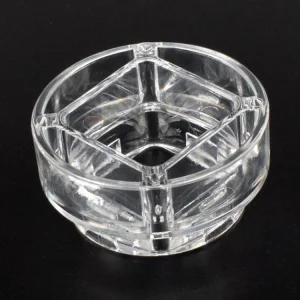
Milling of PMMA/Acrylic lenses and aluminum housings to quickly verify mechanical fit and optical behavior.
High-speed Yamaha chip placement on metal-core PCBs and automated high-pressure injection molding for mass production.
Procuring custom automotive components is a multi-step process involving strict validation criteria. For Tier-1 suppliers, distributors, and fleet operators, selecting the right partner requires assessing their technical design capabilities and verification workflows. DERT Lighting has structured its OEM/ODM process to support engineering teams through every development stage, from the initial drawing to mass production.
Our collaborative workflow begins with the **Product Requirements Document (PRD)**. Our engineers work directly with your team to define key criteria: operating voltage parameters, target lumen output, IP water/dust resistance ratings, specific thermal envelopes, and regulatory standards (such as ECE or DOT/SAE). Next, we generate 3D CAD models and perform thermal simulation studies to ensure the proposed design can withstand long-term field use. Once the digital models are approved, we use high-precision CNC machining to manufacture functional acrylic and polycarbonate prototypes for physical validation.
After physical testing and design validation, we transition to custom tooling design and mold manufacture. Our in-house mold facility uses advanced CNC spark erosion and EDM wire-cutting machines to produce dual-shot injection molds. This enables us to maintain tight tolerances, ensuring that every molded lens meets optical specification requirements over long production runs. Finally, automated SMT board mounting, robotic assembly, and optical test verification processes ensure that each unit shipped matches the performance of the validated prototype.
Exporting automotive components to international markets requires strict adherence to local regulatory frameworks. Without verified compliance, shipments run the risk of customs delays or recall actions. DERT Lighting addresses this through proactive engineering validation. We design our products from the ground up to satisfy the technical requirements of key international standards agencies.
For the European market, we configure our products to meet ECE regulations, such as ECE R112 for LED headlights and ECE R65/R10 for emergency warning beacons. These regulations govern optical beam patterns, electromagnetic compatibility (EMC), and environmental resilience. For the North American market, our lighting designs align with Federal Motor Vehicle Safety Standards (FMVSS 108), adhering to DOT and SAE technical requirements.
Additionally, our environmental test lab subjects our designs to rigorous testing protocols, including high-pressure ingress protection (IP65, IP66, and IP67 ratings), continuous salt-spray corrosion tests, thermal shock exposure (from -40°C to +85°C), and physical vibration simulation. This testing ensures that our lighting units operate reliably in harsh conditions—whether installed on long-haul commercial trucks, off-road vehicles, or public infrastructure.
A visual insight into Ningbo DERT Lighting's production lines, optical laboratories, precision injection molding, and QA testing zones.
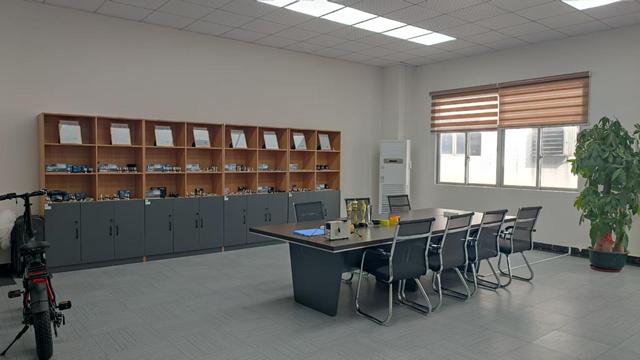
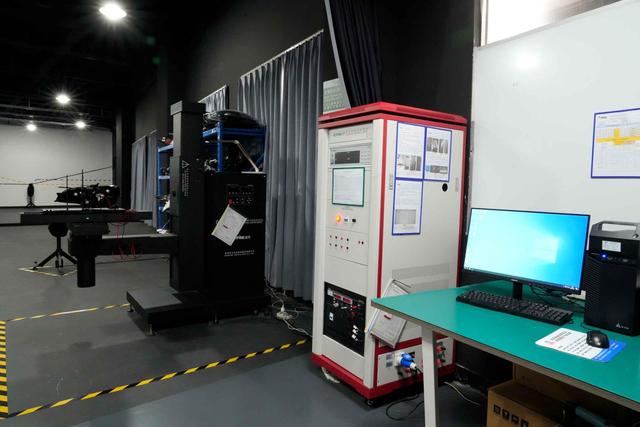
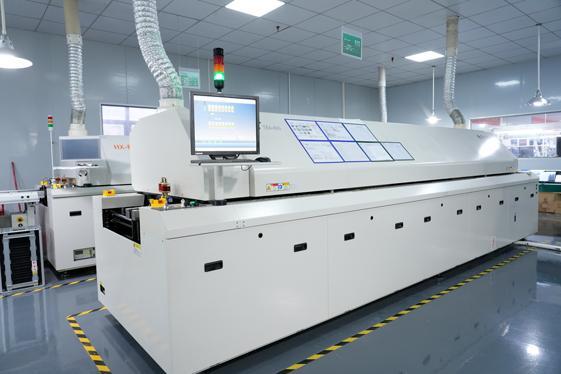
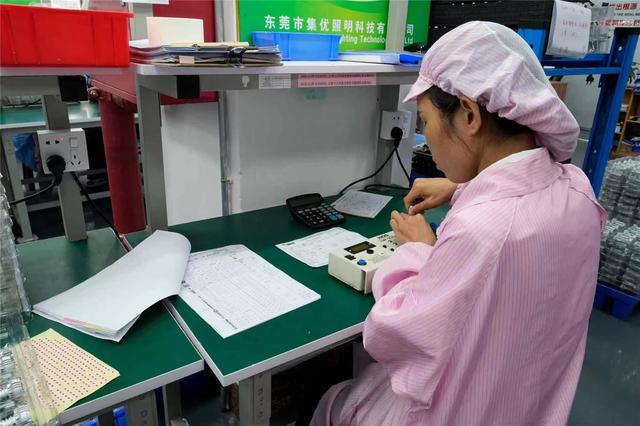
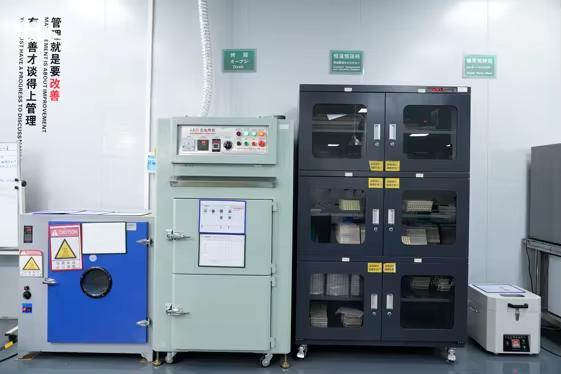
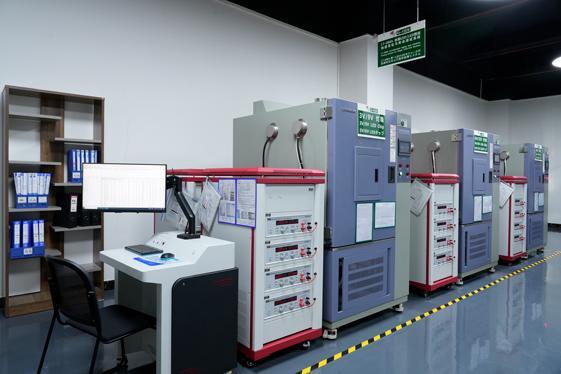
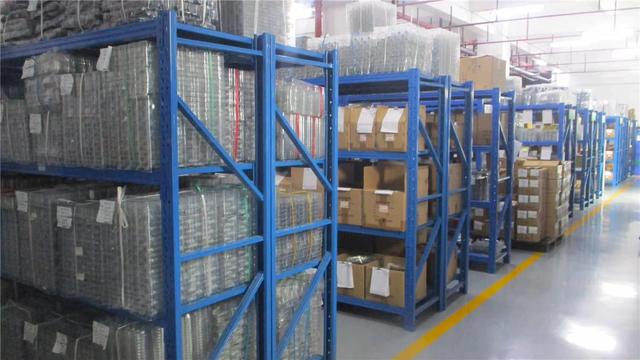
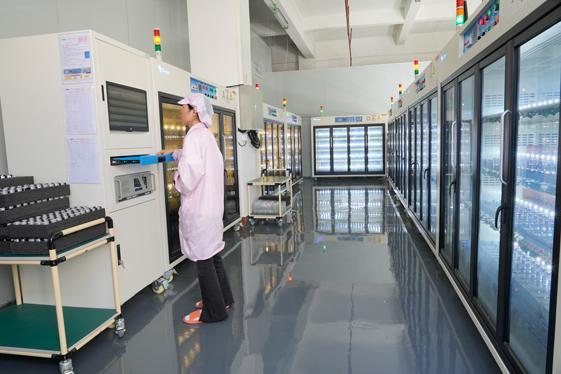
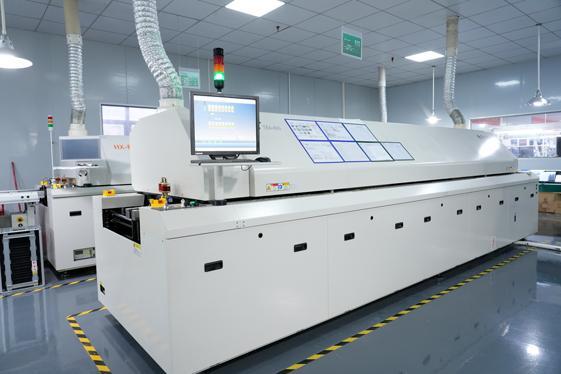
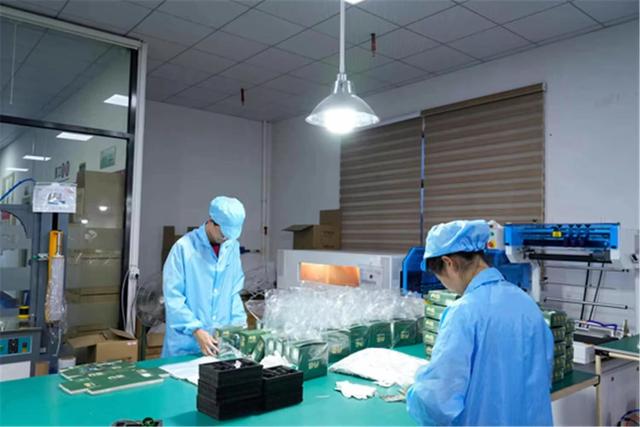
Addressing the core technical, regulatory, and logistical queries of global automotive procurement professionals.
Thermal management is critical for preventing optical degradation and maintaining LED efficiency. DERT Lighting addresses this through three key design principles: we utilize premium Metal Core PCBs (MCPCB) with high thermal conductivity interfaces, engineer aluminum heat sinks optimized through finite element analysis, and integrate active thermal management ICs. These integrated drivers dynamically monitor temperatures and adjust currents to prevent thermal overload during extended operation.
Yes. DERT Lighting products are designed to meet ECE (including ECE R112, ECE R10, ECE R65) and DOT/SAE standards. Our R&D team configures beam angles, cutoff patterns, and electrical performance parameters to ensure compliance with the target market's safety regulations. We also provide test reports and coordinate certification processes through authorized labs.
We offer comprehensive customization services, including custom optical lens design, specialized PCBA layout development, custom housing geometries, and private-label packaging. We can manage the development process from initial 3D models to final production, supported by our in-house CNC rapid prototyping and precision injection mold fabrication capabilities.
To validate optical profiles and mechanical fit before committing to steel tooling, we mill optical-grade PMMA/acrylic materials on high-precision CNC centers. These machined blanks are then diamond-polished to achieve optical clarity, allowing clients to test light distribution, seal performance, and mechanical fit prior to initiating mass production molding.
For custom projects, mold fabrication and initial sample testing typically require 35 to 45 calendar days. Once designs are approved, standard production runs are completed within 25 to 35 days, depending on order volume and configuration complexity. Our logistics team handles global transport from the Ningbo port to keep deliveries on schedule.
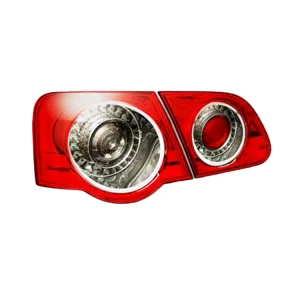
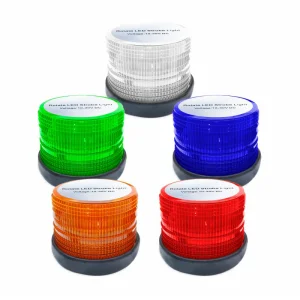
Explore our specialized range of high-efficiency LED modules, emergency warning beacons, and precision retrofitting kits.
 DERT Lighting