Engineered to withstand extreme environments, bringing optimized optical performance, power efficiency, and intelligence to active operations worldwide.

An Analytical Whitepaper on Regulatory Pressures, Efficiency Milestones, and Ruggedized Solid-State Systems
The global vehicular environment has undergone a massive paradigm shift. As transportation infrastructures modernize and regulatory bodies implement stricter safety thresholds, commercial lighting for vehicles has evolved from secondary support indicators to critical safety, operational, and aesthetic systems. Key players in logistic operations, heavy-duty mining, emergency response, and municipal transit now view illumination not simply as a regulatory mandate, but as a critical element of operational efficiency, hazard reduction, and structural branding.
"Modern vehicular lighting is no longer just about generating raw lumens; it centers on directional precision, thermal sustainability, adaptive controls, and smart systems that communicate directly with the environment."
In North America and Europe, strict compliance guidelines established by the DOT (Department of Transportation), FMVSS (Federal Motor Vehicle Safety Standards), and ECE (Economic Commission for Europe) govern light output configurations, color spectrum boundaries, and glare limits. This regulatory compliance, coupled with the rapid integration of electric vehicles (EVs) in commercial fleets, has created an urgent demand for highly efficient, low-energy solid-state lighting (SSL). Manufacturers are tasked with designing assemblies that operate under lower voltages without sacrificing photometric intensity, all while surviving extreme shock, vibration, and thermal fluctuations.
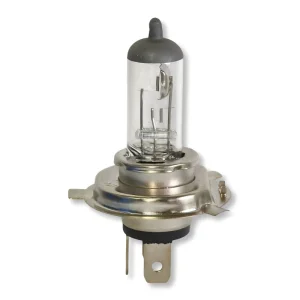
For heavy-duty trucking operations and logistics providers, downtime represents a significant financial loss. Traditional halogen and HID (High-Intensity Discharge) lighting sources are highly susceptible to filament breakages caused by highway vibrations, construction site impacts, and off-road applications. Replacing bulbs requires vehicle downtime and increases maintenance labor.
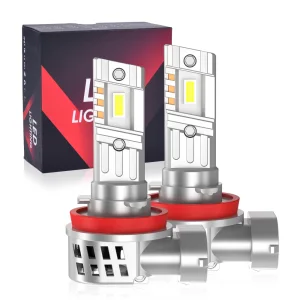
Conversely, modern solid-state LED systems feature operational lifespans exceeding 50,000 hours. The primary economic calculation has shifted from initial acquisition costs to total cost of ownership (TCO). High-power LED vehicle lighting setups consume up to 80% less energy than conventional halogen counter-parts, reducing the electrical load on alternators and high-voltage DC-DC converters in hybrid and battery-electric fleets.
How Modern Vehicle Lighting Integrates Advanced Optical Designs, App Control, and Smart Heat Dissipation Systems
The development of next-generation commercial lighting systems for vehicles relies heavily on five key technological pillars. These architectures define how lights perform under stress, direct illumination precisely, and communicate with the driver or automated systems:
Utilizing high-performance lenses and reflectors to focus light exactly where needed. Dual-lens systems and 360-degree adjustable housings maximize ground illumination while eliminating glare in oncoming lanes.
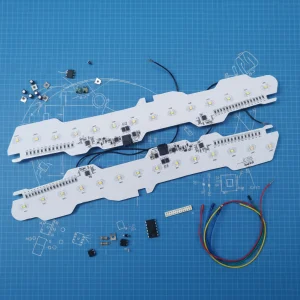
Custom PCB Assemblies (PCBA) serve as the brains of modern headlight clusters. Dedicated LED driver circuits regulate voltage spikes and coordinate app-controlled dynamic patterns.
High-lumen outputs generate heat. Using copper substrates, smart thermal throttling, and multi-stage cooling fins ensures junction temperatures stay below critical limits, preventing early failures.
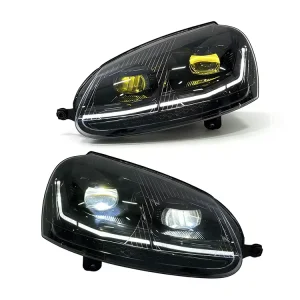
Commercial lighting applications vary significantly depending on localized environmental demands. In northern latitudes where snow, fog, and ice are common, color temperature and penetration index are critical. Commercial vehicle lights with dynamic dual-color options (such as switching from 6000K daylight-white to 3000K amber-yellow) allow drivers to modify their illumination patterns based on immediate atmospheric challenges.
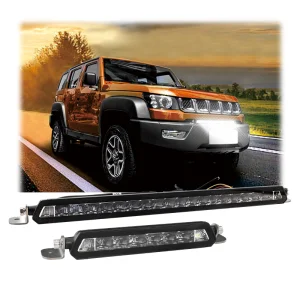
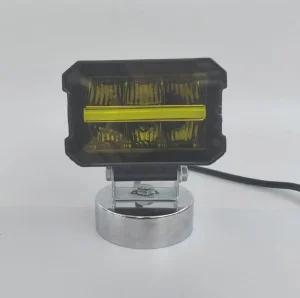
For heavy-industry mining, agricultural, and off-road sites (e.g., Australia, parts of South America, and Africa), lighting systems must withstand continuous physical shocks. Multi-row LED light bars constructed from heavy extrusion aluminum and polycarbonate lenses provide broad, intense light arrays that illuminate large worksites, preventing dangerous accidents.
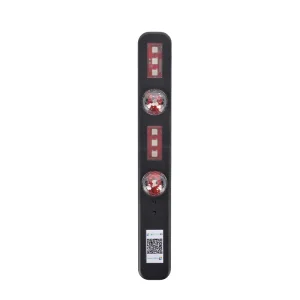
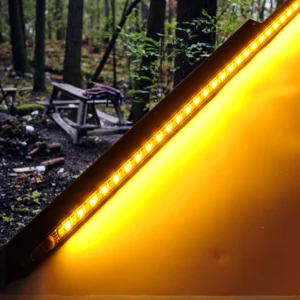
In urban logistics and commuter transit zones, intelligent ambient lighting systems serve dual purposes. Internally, multi-color ambient lighting provides subtle illumination inside trailers and cabins to reduce eye fatigue and optimize passenger comfort. Externally, high-intensity signal lights and indicators ensure delivery vans remain visible to surrounding traffic during frequent curbside stops.
A Premier Industrial Manufacturer of Precision Vehicular Illumination Solutions
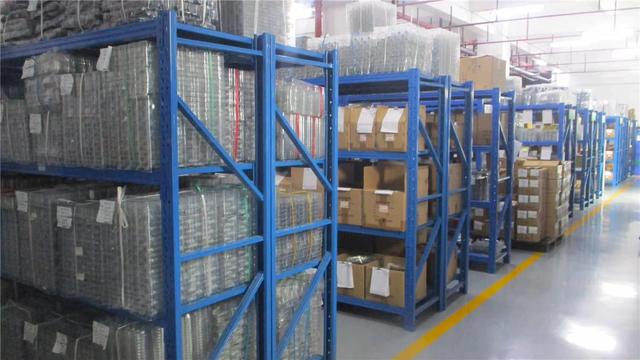
Established in 2012, Ningbo DERT Lighting Co., Ltd. has grown into a leading, professional manufacturer specializing in high-end automotive lighting systems, advanced LED headlights, and specialized vehicle lighting solutions. Serving both the global automotive aftermarket and OEM customers, DERT Lighting operates from a state-of-the-art production facility located in Ningbo, Zhejiang Province, China. This modern facility covers approximately 18,000 square meters, housing precision machinery, automated manufacturing lines, and a dedicated team of over 320 skilled professionals across R&D, engineering, quality assurance, and international sales.
The company's core focus spans the design, development, and production of diverse vehicle lighting systems. This includes high-power LED headlights, custom vehicle lighting assemblies, signal lighting solutions, heavy-duty commercial vehicle lights, off-road LED bars, and custom-engineered electronic control systems. DERT Lighting is recognized as a trusted partner for automotive brands, wholesale distributors, commercial fleet operators, and importers throughout North America, Europe, South America, Southeast Asia, and the Middle East.
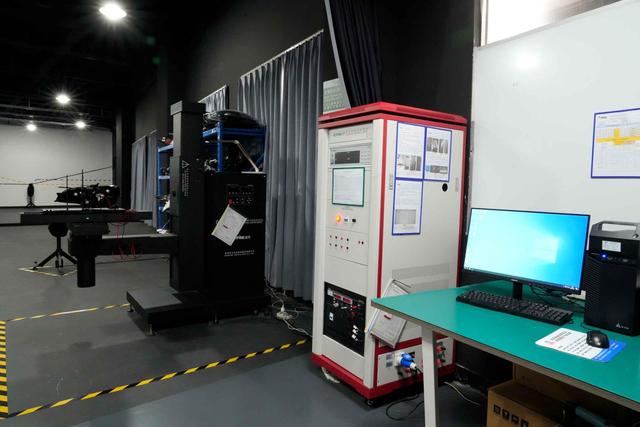
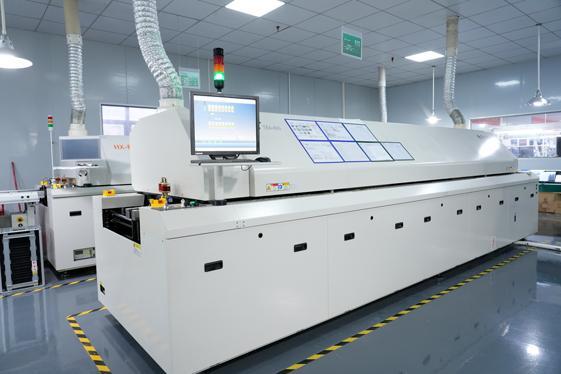
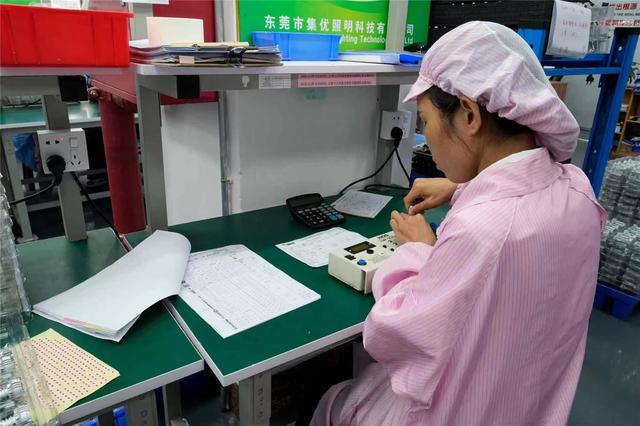
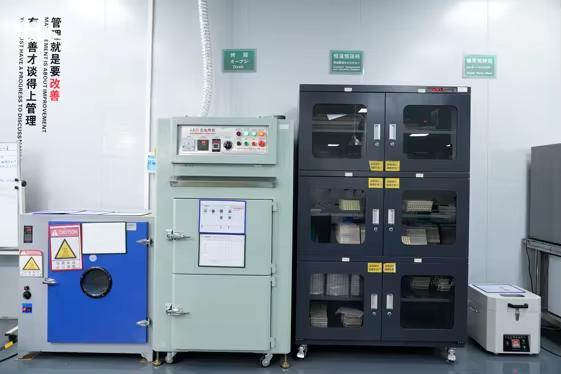
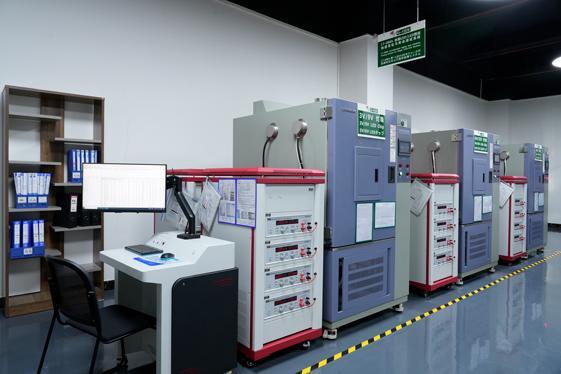
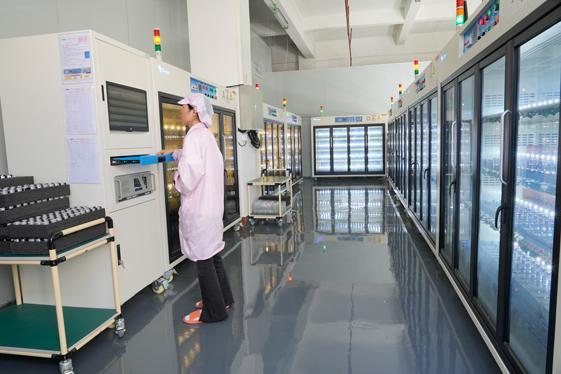
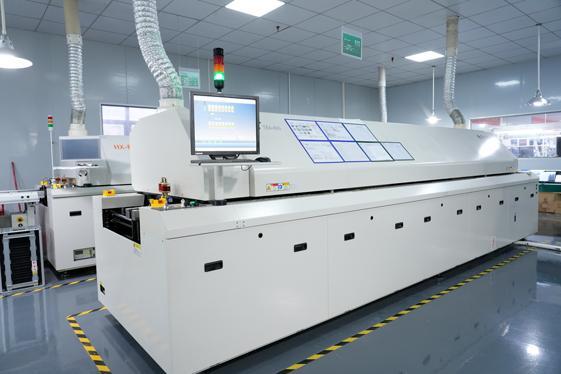
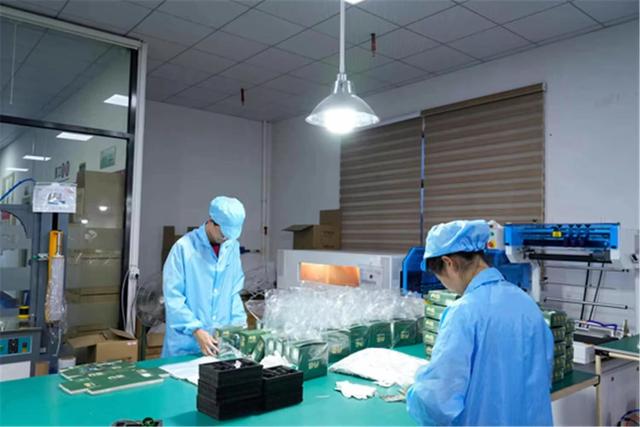
Backed by a highly experienced engineering team, DERT Lighting continuously invests in product innovation, optical design, thermal management technologies, and electronic control systems. Advanced SMT production equipment, automated assembly lines, and precision testing instruments ensure high quality and production efficiency. Quality control is integrated into every phase of manufacturing, from incoming raw materials inspection to final performance, environmental, and durability testing.
In addition to standard catalog offerings, DERT Lighting provides comprehensive OEM and ODM services. From customized technical specifications and packaging design to custom PCBA development and private-label manufacturing programs, the company offers flexible production capabilities to support both niche automotive projects and high-volume commercial runs.
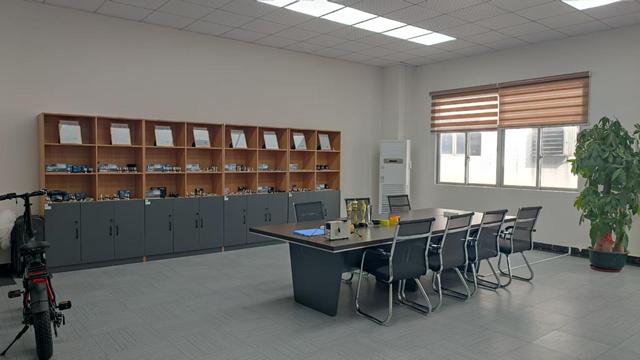
A visual insight into our state-of-the-art manufacturing plants, testing chambers, and assembly lines
End-to-End OEM/ODM Customization Programs for Vehicle Manufacturers & System Integrators
Commercial vehicle operators face unique challenges depending on their specific environments. Our design and manufacturing processes address these requirements by providing tailored, application-specific solutions.
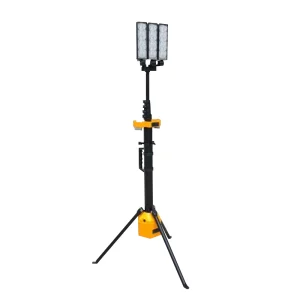
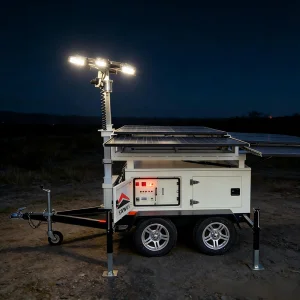
For disaster response teams, mining projects, and remote worksites, standard vehicular lights are often insufficient. DERT Lighting offers high-power, mobile solar-powered LED trailers. These systems feature high-efficiency solar arrays, reliable backup batteries, and telescopic masts equipped with high-intensity LED floodlights. Operating fully off-grid, these units deliver zero-emission illumination for prolonged outdoor operations.
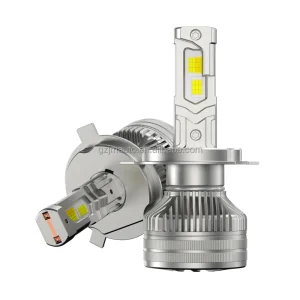
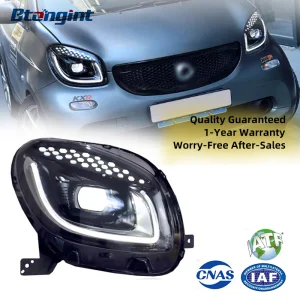
Upgrading standard halogen systems to modern LED assemblies requires precise electronic integration. Our customized LED driver PCBs ensure compatibility with complex automotive electronics, preventing CANbus errors and flicker. Our assemblies feature durable glass and polycarbonate housings, dual-beam lenses, and integrated DRLs (Daytime Running Lights) to deliver optimized beam patterns that improve safety and visibility.
Expert insights into vehicle lighting technology, engineering standards, and customization capabilities.
From projector headlamps and indicator systems to off-road work bars, designed to deliver targeted illumination across diverse industries.
 DERT Lighting