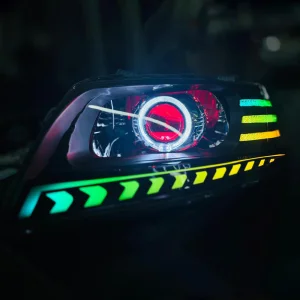
Explore our high-performance optical engineering systems designed to meet critical global B2B supply criteria.
Deciphering the supply requirements, cost structures, and risk mitigation strategies of B2B procurement managers.
The global transition from legacy illumination to smart, solid-state lighting (SSL) technologies has transformed procurement protocols for automotive OEMs, tier-1 suppliers, and commercial building managers alike. Today, sourcing managers are no longer evaluating fixtures solely on price per lumen or raw wattages. The current landscape prioritizes systems integrated with smart driver topologies, advanced thermoelectrical isolation, optical reliability, and integrated bus interfaces.
“Modern procurement requires a strategic shift from simple luminaire purchasing to investing in dynamic, connected optoelectronic solutions that minimize Total Cost of Ownership (TCO) while offering structural data streams.”
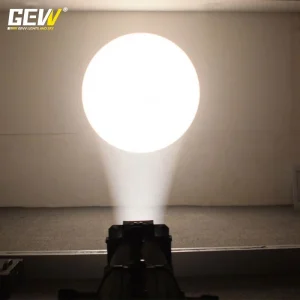
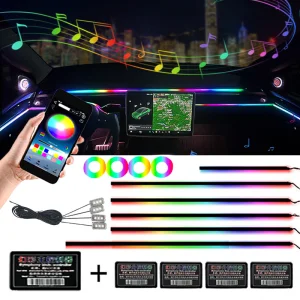
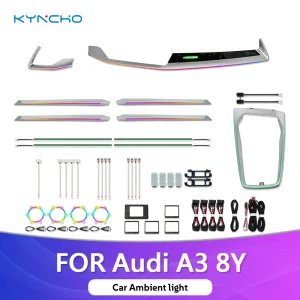
For instance, when evaluating high-capacity systems like the 200W Led Profile Lights or sophisticated multi-channel automotive cabin applications like the 18-in-1 Ambient Lighting systems, procurement offices focus on several key pillars:
Evaluating L70/B50 curves to ensure that modules maintain at least 70% of initial lumen output across a minimum of 50,000 operational hours.
Compliance with strict regulations such as CISPR 25 Class 5 and FCC Part 15, preventing electromagnetic interference with onboard RF and vehicle telemetry.
Inspecting junction temperatures (Tj) using specialized copper substrates, dynamic active cooling fans, and advanced thermal interface materials.
Bridging the gap between raw hardware components and unified smart architectural configurations.
The application of modern smart lighting is highly diverse, cutting across automotive systems, industrial environments, and off-grid operations. Ningbo DERT Lighting Co., Ltd. has specialized in integrating these individual modules into comprehensive systems.
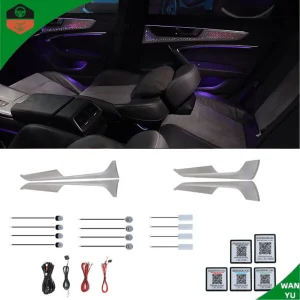
The automotive interior has evolved into a "third living space." Modern luxury vehicles demand multi-zone, addressable LED ambient lighting systems. Utilizing LIN/CAN bus communications, these systems support up to 64 or more zones of customizable color profiles. These products leverage intelligent LED drivers, which allow users to modify hue, saturation, and brightness parameters through a smartphone application or directly through the car's native Infotainment Interface. This architecture provides seamless synchronization between music rhythms, driving modes, and active safety systems (such as flashing red ambient lighting during lane-departure warning events).
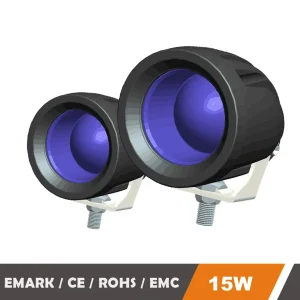
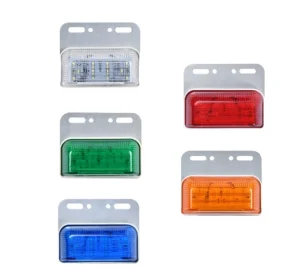
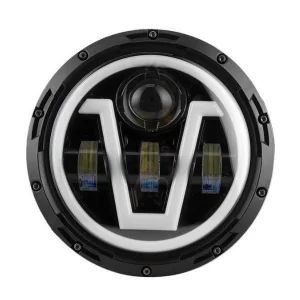
For heavy construction, logistics, and marine operations, standard illumination fails under intense vibration and moisture exposure. High-efficiency LED work lights (such as our 3-inch 15W waterproof lights and off-road V-shape motorcycle lighting rigs) employ optical grade polycarbonate lenses and die-cast aluminum housings. Engineered with IP68/IP69K sealing ratings, these systems operate reliably in extreme conditions, ensuring continuous operations for dumpers, utility trucks, and excavators.
A technological projection charting optical efficiency, intelligent firmware controls, and hardware innovations.
The trajectory of smart lighting is shaped by semiconductor-level modifications and connectivity paradigms. Ningbo DERT Lighting’s development pipeline emphasizes three core engineering breakthroughs:
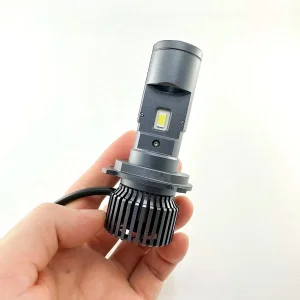
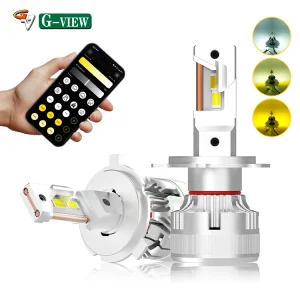
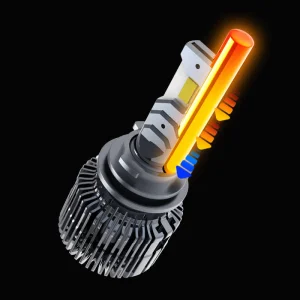
By mounting LED dies directly onto the metal core PCB (MCPCB) without traditional wire bonds or plastic packages, thermal resistance is cut by over 40%. The G18W H4 CSP headlights leverage this configuration to run at high outputs (up to 130W) while maintaining a minimal spatial footprint, allowing for precise beam focus and sharp horizontal cut-off lines to prevent glare for oncoming drivers.
Moving forward, smart beams are becoming dynamic. Through integrations with gyroscope modules and vehicular speed data, upcoming headlight solutions will automatically adjust light spread. These intelligent systems shift light outputs downward at high speeds to prevent glare, while widening the illumination area during low-speed cornering to improve peripheral safety.
To achieve high reliability, optical and thermal simulations are conducted at the prototype phase using advanced software tools like LightTools and ANSYS Icepak. This ensures that the thermal pathways of high-power assemblies remain within safety parameters before tooling begins, reducing engineering cycles and accelerating speed-to-market.
A regional overview of market preferences, regulatory environments, and demand factors in global trade.
The B2B demand for smart lighting systems varies by geographic region, influenced by local regulations, economic drivers, and infrastructural development:
Ensuring global market access through standardized testing and certification processes.
Compliance serves as a key prerequisite for international trade in the automotive and industrial sectors. To guarantee that every product conforms to regional laws, manufacturing must adhere to strict international frameworks:
Our quality management standard governs automotive supply chains, enforcing a zero-defect policy and a continuous improvement loop through regular audits.
Verifies compliance with European safety standards and US Federal Motor Vehicle Safety Standards (FMVSS), which is essential for legal road operation.
Products undergo rigorous water immersion testing (IPX7/IPX8) and high-pressure hot spray testing (IPX9K) to verify housing integrity under pressure.
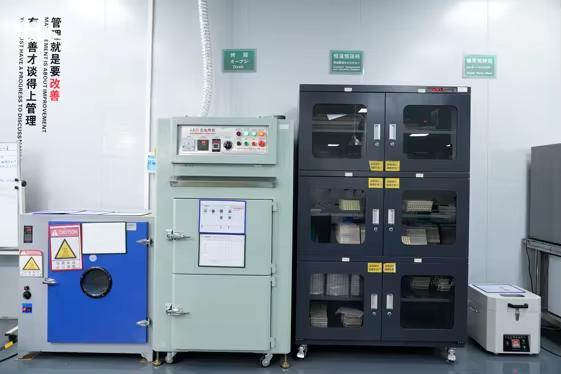
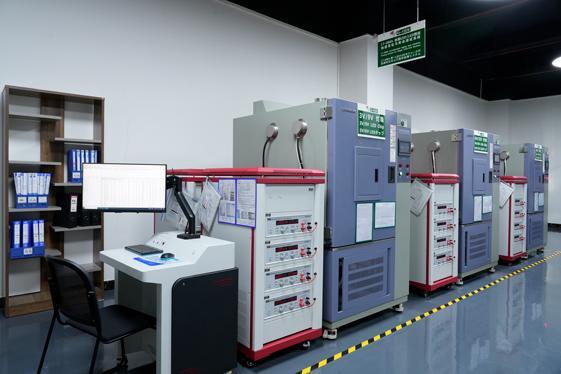
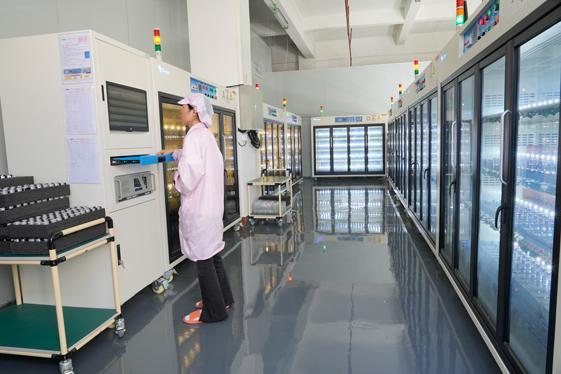
In addition, automated testing equipment verifies electrical performance, color consistency, and thermal equilibrium for each batch of LED modules before final packaging, maintaining consistent quality across production runs.
A premier manufacturer and exporter specializing in automotive and custom solid-state lighting systems.
Established in 2012, Ningbo DERT Lighting Co., Ltd. is a professional manufacturer specializing in automotive lighting systems, LED headlights, and vehicle lighting solutions for global automotive aftermarket and OEM customers. Located in Ningbo, Zhejiang Province, China, the company operates a modern production facility covering approximately 18,000 square meters and employs more than 320 skilled professionals across engineering, manufacturing, quality assurance, research and development, and international sales departments.
DERT Lighting focuses on the design, development, and production of automotive lighting products, including LED headlight systems, vehicle lighting assemblies, signal lighting solutions, commercial vehicle lighting products, off-road lighting systems, and customized automotive illumination technologies. The company serves automotive brands, distributors, wholesalers, importers, fleet operators, and aftermarket suppliers across international markets.
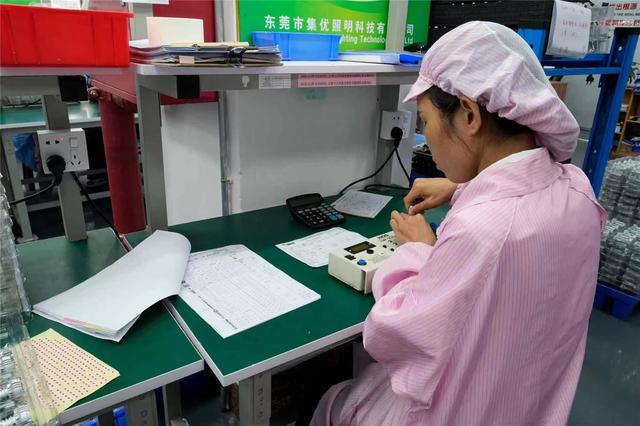
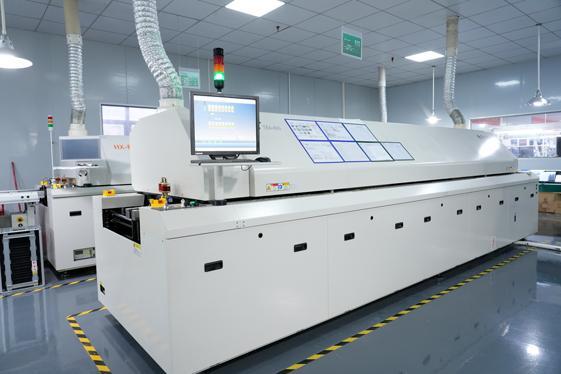
Supported by an experienced engineering team, DERT Lighting continuously invests in product innovation, optical design, thermal management technologies, electronic control systems, and manufacturing automation. The company integrates advanced production equipment, automated assembly lines, precision testing instruments, and standardized manufacturing processes to support consistent product quality and production efficiency.
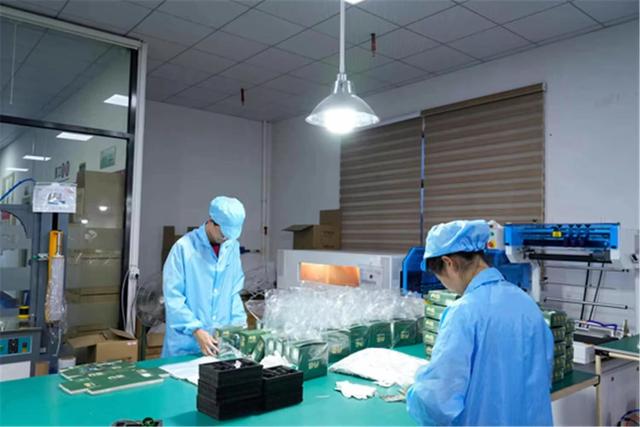
Quality management is implemented throughout every stage of production, from raw material sourcing and component inspection to assembly, performance testing, durability evaluation, and final quality verification. The company strives to manufacture automotive lighting products that meet the performance, reliability, and regulatory requirements of diverse international markets.
In addition to standard product manufacturing, DERT Lighting provides comprehensive OEM and ODM services, including product development, branding support, customized specifications, packaging solutions, and private-label manufacturing programs. Flexible production capabilities allow the company to support both emerging automotive brands and established industry partners.
Today, Ningbo DERT Lighting Co., Ltd. exports products to North America, Europe, South America, Southeast Asia, the Middle East, and other global regions, delivering reliable automotive lighting solutions for a rapidly evolving mobility market.
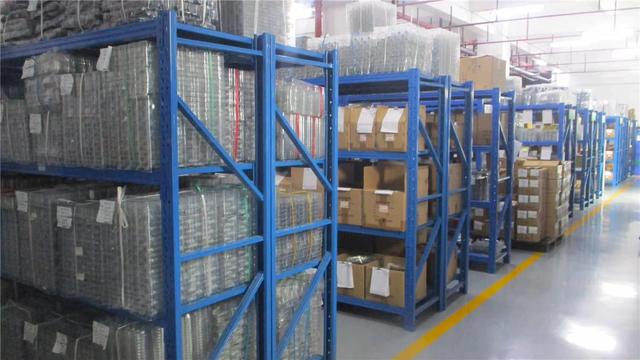
A visual look inside our production facilities, testing laboratories, and finished assemblies.
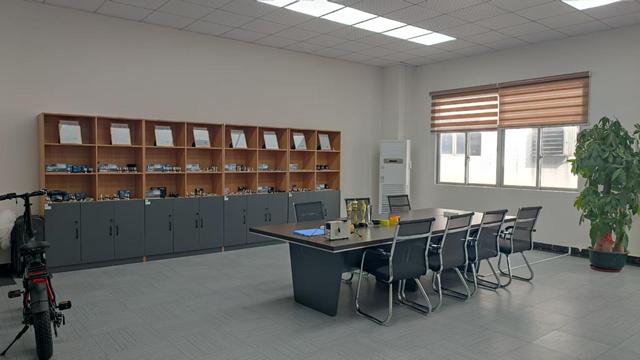
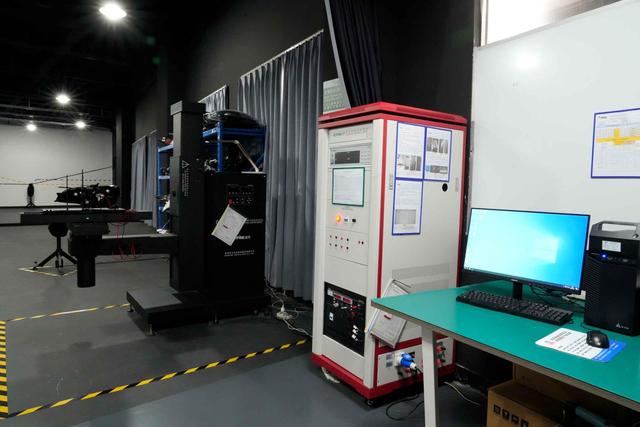
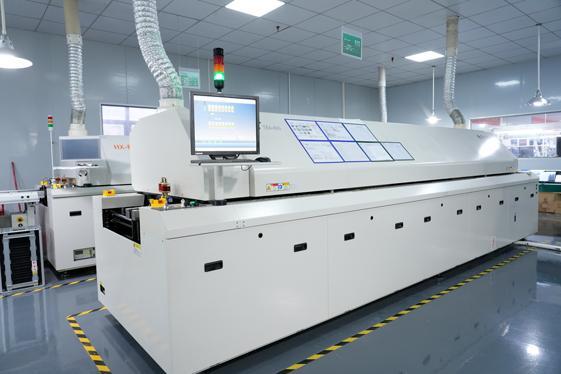
Addressing the common technical, logistical, and compliance questions asked by global distributors and automotive OEMs.
Explore our additional specialized product selections, engineered for high reliability and direct B2B supply.
 DERT Lighting