Engineered to meet the dense maritime fog, persistent precipitation, and demanding highway safety guidelines of the Pacific Northwest.
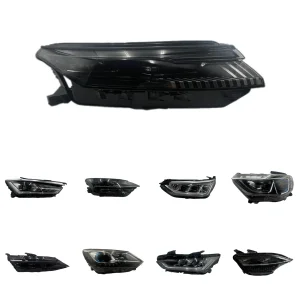
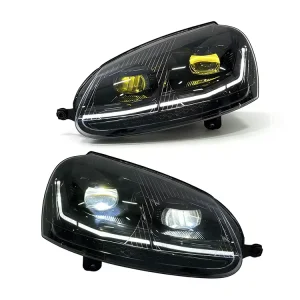
Seattle, Washington, represents a critical node in the global aerospace, software, and advanced hardware ecosystem. As the automotive industry pivots toward autonomous systems, electric vehicles (EVs), and software-defined architectures, the demand for high-reliability optoelectronic hardware in the Pacific Northwest has grown exponentially. The regional climate is characterized by high precipitation, rapid thermal fluctuations, and dense marine fog. Consequently, headlight assemblies deployed here must satisfy stricter requirements than standard global designs.
To perform reliably in these microclimates, automotive headlights require precise optical control, targeted thermal management, and robust moisture barriers. Local commercial fleets, municipal transportation departments, and specialty vehicle builders in Seattle demand headlight assemblies with advanced IP68/IP69K sealing ratings, specialized anti-fog coatings, and customized beam patterns designed to penetrate dense maritime mist without creating backscatter glare.
The automotive headlight manufacturing sector operates as a global supply chain where regional distribution hubs connect directly with high-volume production facilities. By pairing engineering capabilities in logistics centers like Seattle with advanced manufacturing bases, Tier-1 suppliers can deliver cost-effective, high-performance lighting.
Our manufacturing facility in Ningbo, China, serves as a primary production hub. This facility integrates advanced injection molding, automated optical alignment systems, and rigorous quality control to manufacture parts that meet strict international standards, including IATF 16949, DOT, SAE, and ECE.
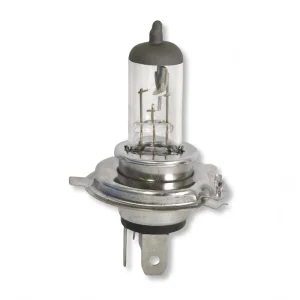
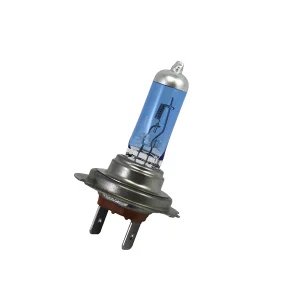
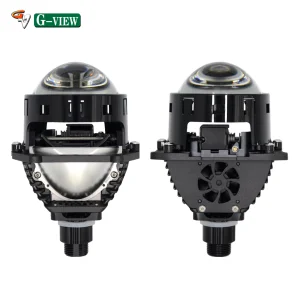
Modern automotive illumination has evolved through several distinct technology generations. Understanding this technology roadmap helps fleet managers and OEMs choose the right configurations for their specific vehicle platforms:
Every design undergoes strict validation testing to guarantee long-term performance in challenging environments.
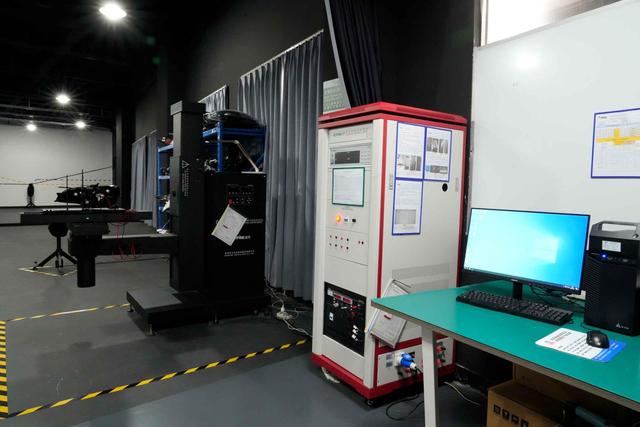
We use goniophotometric systems to analyze luminous intensity distribution, ensuring the light pattern delivers maximum illumination without blinding oncoming traffic.
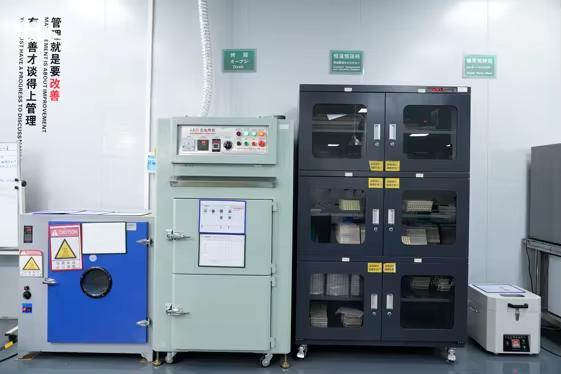
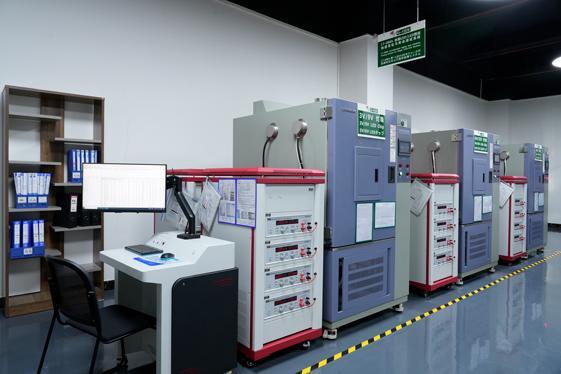
Headlight housings undergo severe environmental chamber testing, exposing them to extreme temperatures (-40°C to +105°C) and water ingress testing to achieve verified IP68/IP69K sealing.
Integrated LED drivers are engineered with onboard filtering components to block electromagnetic interference (EMI), ensuring clean operation alongside advanced vehicle sensors, GPS, and ADAS hardware.
Established in 2012, Ningbo DERT Lighting Co., Ltd. is a professional manufacturer specializing in automotive lighting systems, LED headlights, and vehicle lighting solutions for global automotive aftermarket and OEM customers. Located in Ningbo, Zhejiang Province, China, the company operates a modern production facility covering approximately 18,000 square meters and employs more than 320 skilled professionals across engineering, manufacturing, quality assurance, research and development, and international sales departments.
DERT Lighting focuses on the design, development, and production of automotive lighting products, including LED headlight systems, vehicle lighting assemblies, signal lighting solutions, commercial vehicle lighting products, off-road lighting systems, and customized automotive illumination technologies. The company serves automotive brands, distributors, wholesalers, importers, fleet operators, and aftermarket suppliers across international markets.
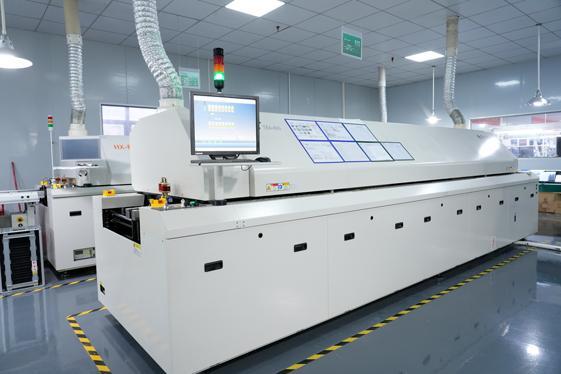
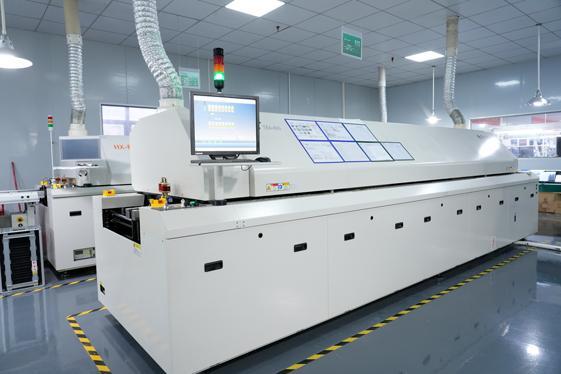
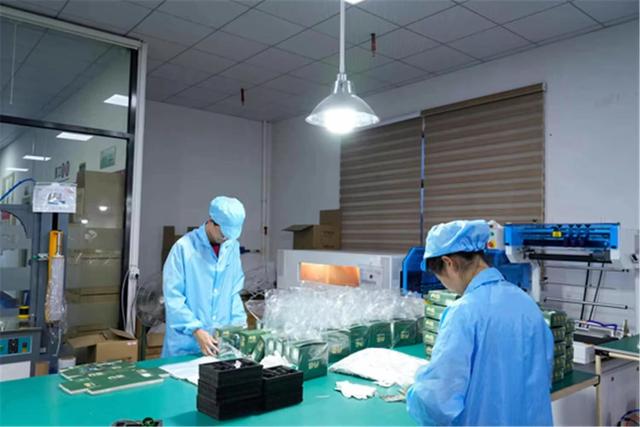
Supported by an experienced engineering team, DERT Lighting continuously invests in product innovation, optical design, thermal management technologies, electronic control systems, and manufacturing automation. The company integrates advanced production equipment, automated assembly lines, precision testing instruments, and standardized manufacturing processes to support consistent product quality and production efficiency.
Quality management is implemented throughout every stage of production, from raw material sourcing and component inspection to assembly, performance testing, durability evaluation, and final quality verification. The company strives to manufacture automotive lighting products that meet the performance, reliability, and regulatory requirements of diverse international markets.
In addition to standard product manufacturing, DERT Lighting provides comprehensive OEM and ODM services, including product development, branding support, customized specifications, packaging solutions, and private-label manufacturing programs. Flexible production capabilities allow the company to support both emerging automotive brands and established industry partners.
Today, Ningbo DERT Lighting Co., Ltd. exports products to North America, Europe, South America, Southeast Asia, the Middle East, and other global regions, delivering reliable automotive lighting solutions for a rapidly evolving mobility market.
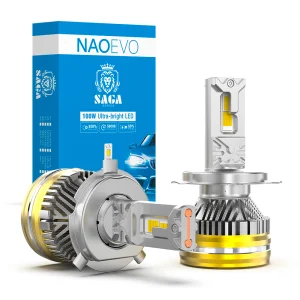
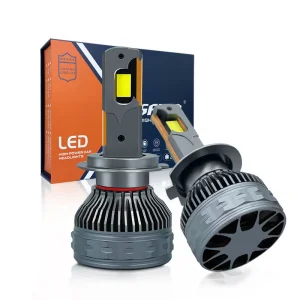
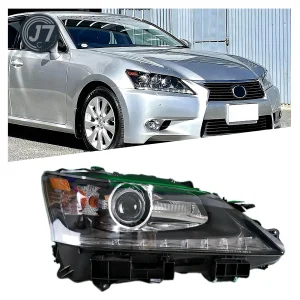
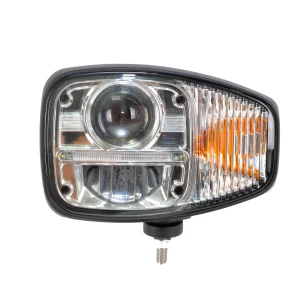
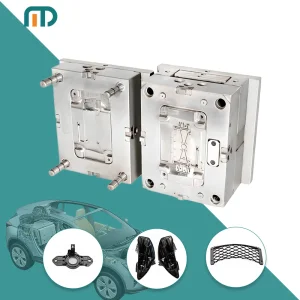
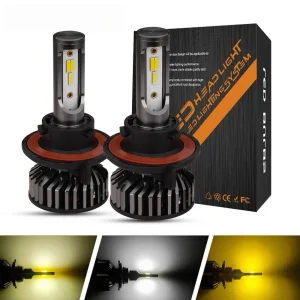
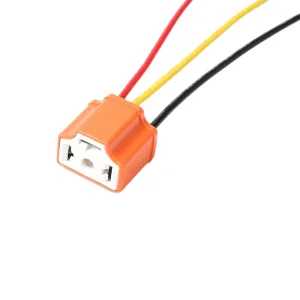
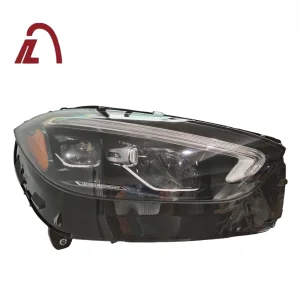
Select from our certified range of replacement light sources, retrofit kits, and precision injection molds.
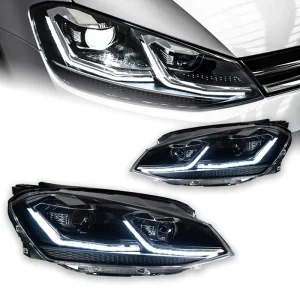
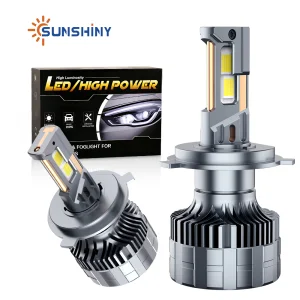
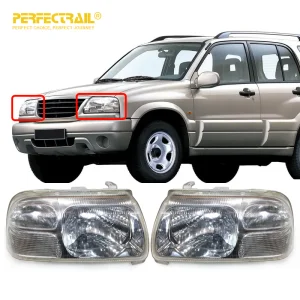
Answers to common B2B questions regarding regulations, optical design, and sourcing logistics.
Automotive headlights exported to the United States must comply with Federal Motor Vehicle Safety Standard 108 (FMVSS 108), which is enforced by the Department of Transportation (DOT) and regulated according to SAE guidelines. For manufacturing operations, maintaining IATF 16949 certification is standard, as it ensures consistent quality control throughout the production line.
While LEDs do not produce heat in the form of infrared radiation, their internal semiconductor junctions generate heat during operation. If this heat is not properly dissipated, it raises the junction temperature, which can lead to thermal runaway, decreased light output, and a shorter lifespan. To manage this, high-power systems use active cooling mechanisms, such as copper PCBs, vapor chambers, and double-ball-bearing fans.
Dual-shot (or two-shot) injection molding combines two different plastics or colors (such as clear PMMA and opaque polycarbonate) into a single part during one molding cycle. This process improves structural integrity, eliminates secondary assembly steps, and ensures the hermetic sealing required to achieve IP68/IP69K ingress protection ratings.
In areas with frequent rain and fog, backscatter glare can be a challenge for drivers. To minimize this, headlight assemblies are engineered with a sharp cut-off line, particularly in low-beam settings. This design directs light downward onto the road surface rather than reflecting off moisture droplets in the driver's direct line of sight.
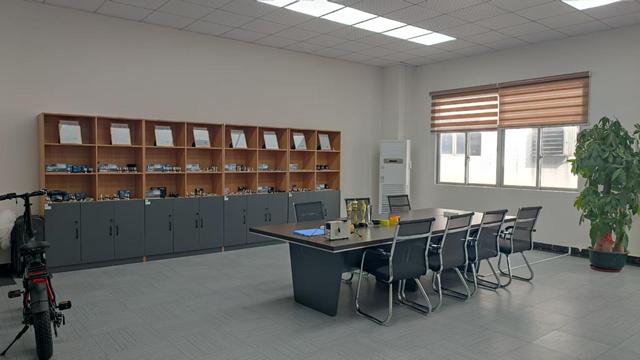
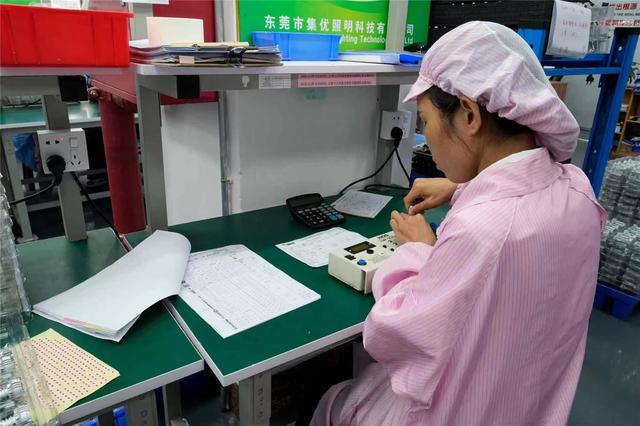
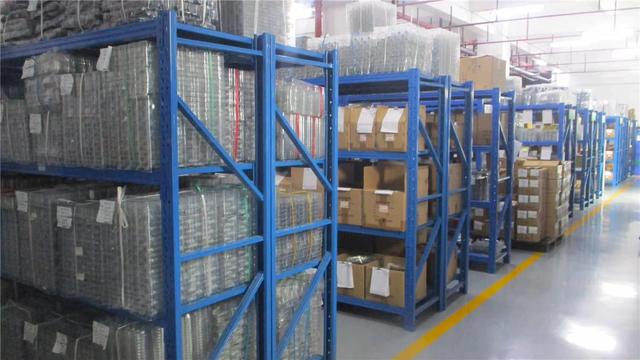
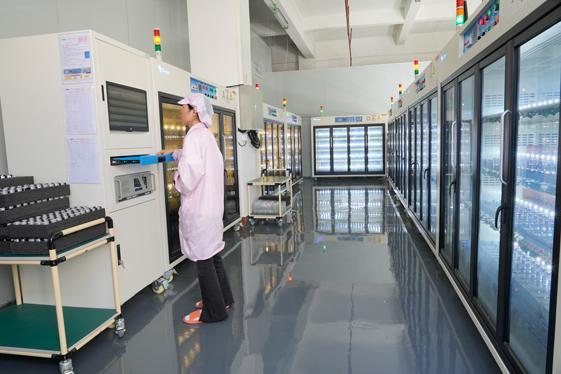
A look inside our 18,000-square-meter facility, showcasing our manufacturing lines, testing labs, and assembly operations.
Ready to request a custom quote, review compliance documents, or consult with our optoelectronic engineers? Contact our North American distribution and global factory teams today.
Send Inquiry Now DERT Lighting