High-durability lighting modules designed specifically for the extreme vibrations, dust, and climatic challenges of the Indian subcontinent.
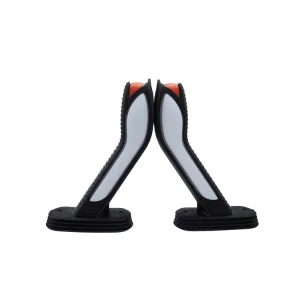
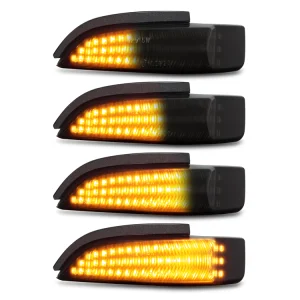
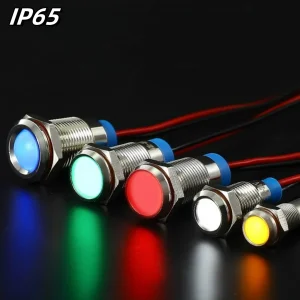
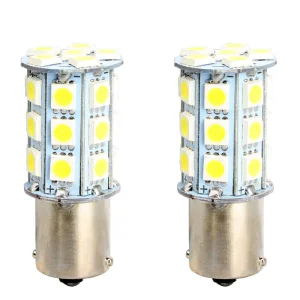
India's automotive industry is undergoing an unprecedented structural transition. Now representing the third-largest automotive market globally, the Indian subcontinental sector is demanding robust lighting solutions that match the highest international metrics of efficiency, longevity, and illumination depth. With urbanization expanding across massive industrial corridors like Delhi-Mumbai (DMIC) and Chennai-Bengaluru, vehicle fleets are operating under harsher, more continuous running schedules than ever before.
Traditional incandescent signal lighting is rapidly giving way to solid-state Light Emitting Diode (LED) systems. This shift is not merely aesthetic; it is deeply rooted in safety, energy management, and system reliability. High-intensity LED turn signals, brake markers, and hazard warning light units play an invaluable role in reducing road collision rates across India's complex highway systems by providing immediate illumination response times—up to 200 milliseconds faster than legacy vacuum bulbs.
Indian road conditions feature extreme temperature swings from 48°C arid heat in Rajasthan to wet monsoons in Kerala. Products must employ high-level heat-sink systems and IP67/IP69K sealing.
Strategic integration with major Indian Tier-1 hubs in Chennai, Pune, and Gurugram, ensuring rapid assembly-line replenishment cycles and minimal downtime.
Ensuring photometric distributions, intensity boundaries, and color metrics match AIS-010 and AIS-012 regulatory protocols mandated by the Indian government.
Achieving structural certification and performance validation for seamless deployment within Indian domestic automotive projects.
Indian safety regulatory guidelines demand that signal lamps conform to AIS-012 (Performance of Lighting and Light-Signalling Devices). Our engineering protocols optimize luminous intensity parameters, ensuring the light pattern is clearly visible even during dense summer smog or intense seasonal rains.
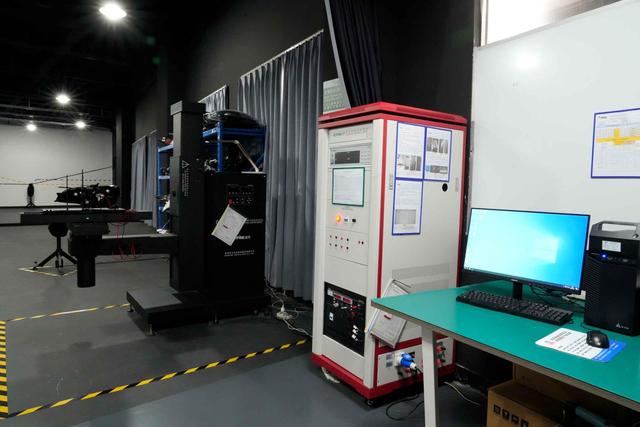
Using state-of-the-art goniophotometers, we ensure our amber, red, and white signal configurations conform to exact chromaticity coordinates. This guarantees optimal beam projection, preventing rear-end collisions on high-speed expressways like the Yamuna Expressway.
Given the diverse terrain across regions like Ladakh and Western Ghats, all lights undergo intensive mechanical shock and vibration sweep profiling, combined with accelerated thermal aging, to maintain performance under continuous operations.
Note on Indian Market Adaptation: Our signal light designs integrate premium anti-UV optical polycarbonate lenses. This prevents the yellowing and cracking common in high-solar radiation regions such as Gujarat, Maharashtra, and Tamil Nadu, ensuring a long operating lifespan of up to 50,000 hours.
Established in 2012, Ningbo DERT Lighting Co., Ltd. represents the peak of modern automotive lighting manufacturing, situated within the industrial hub of Zhejiang Province.
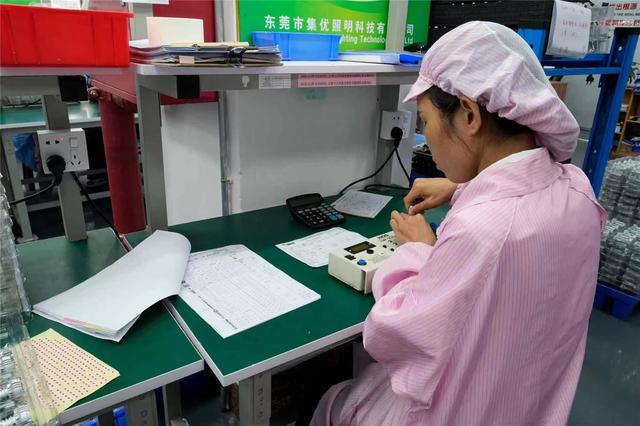
Operating a massive 18,000 square meter production facility and staffed by a dedicated workforce of over 320 highly skilled engineers and specialists, Ningbo DERT Lighting Co., Ltd. operates at the frontier of international OEM and aftermarket automotive lighting systems. Our logistical access to the Port of Ningbo allows us to execute rapid maritime freight shipments directly to primary Indian ports like Nhava Sheva (Mumbai), Chennai, and Kolkata, minimizing transit timelines and maximizing cost-effectiveness.
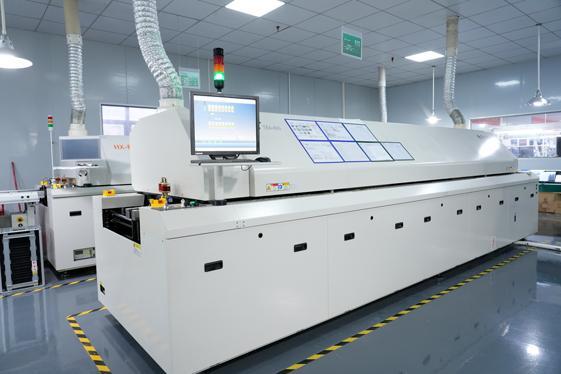
By controlling all aspects of the supply chain—from raw aluminum die-casting, PCB SMT assembly, optical design, to ISO-standard environmental testing—we achieve unparalleled consistency. This vertical integration is what allows us to serve major global vehicle platforms with high-efficiency signal lights, custom tail lamp arrays, and indicator electronics.
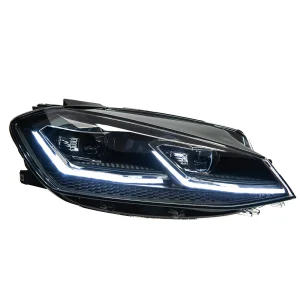
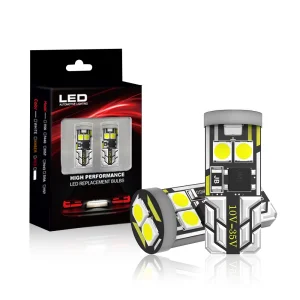
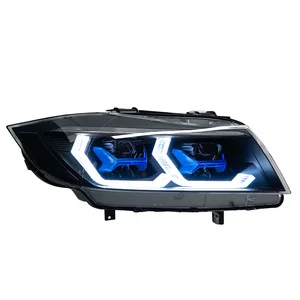
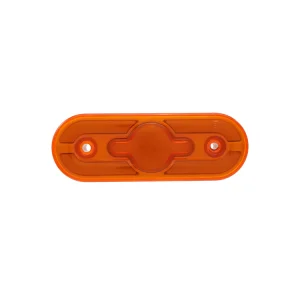
Explore our diverse product range manufactured to strict quality tolerances, supporting both modern passenger car modifications and heavy commercial transport operations.
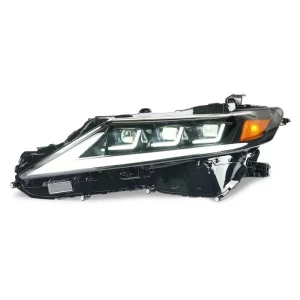
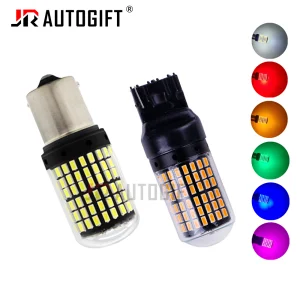
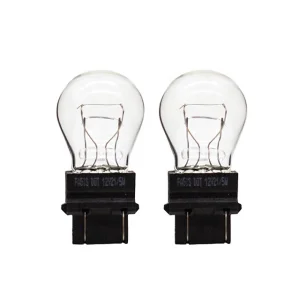
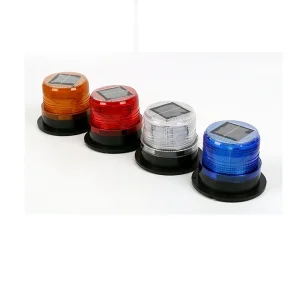
Undergoing strict quality audits under ISO 9001 and IATF 16949 to align with global automotive OEM supply chain expectations.
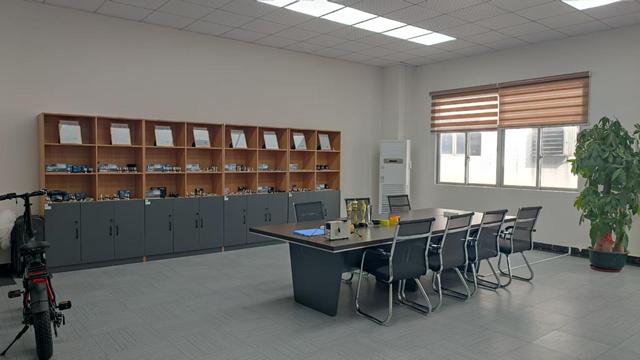
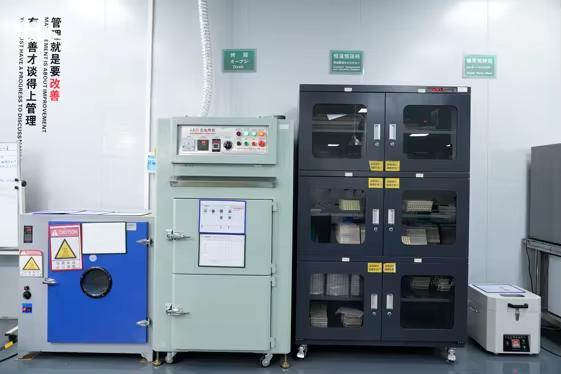
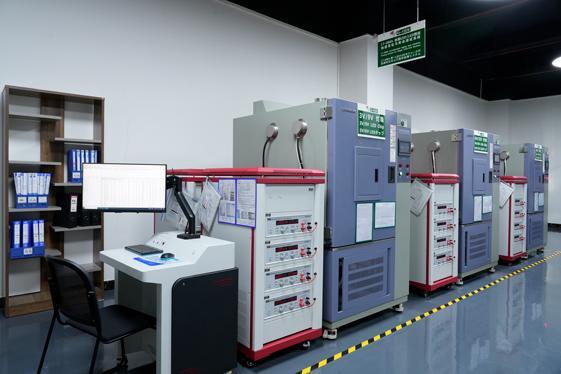
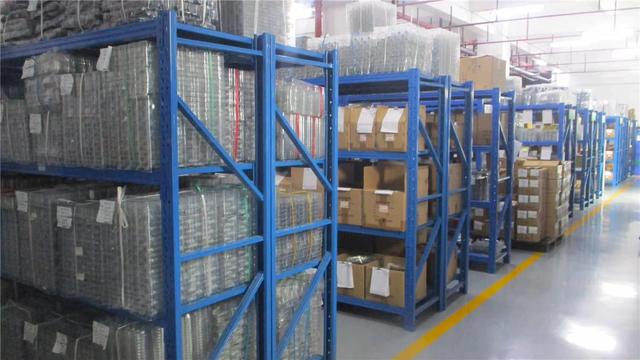
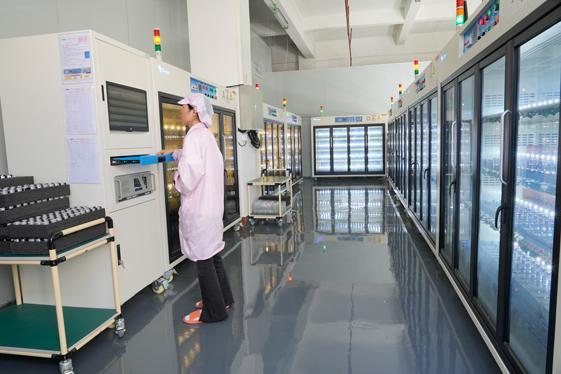
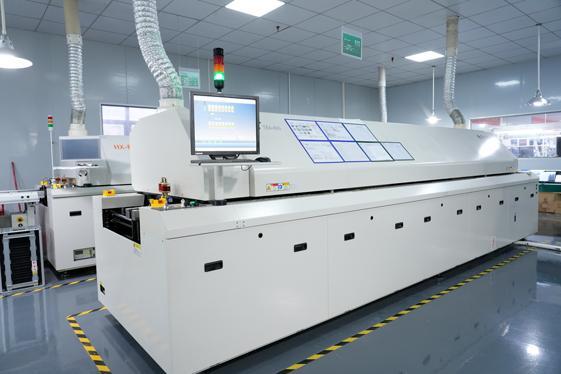
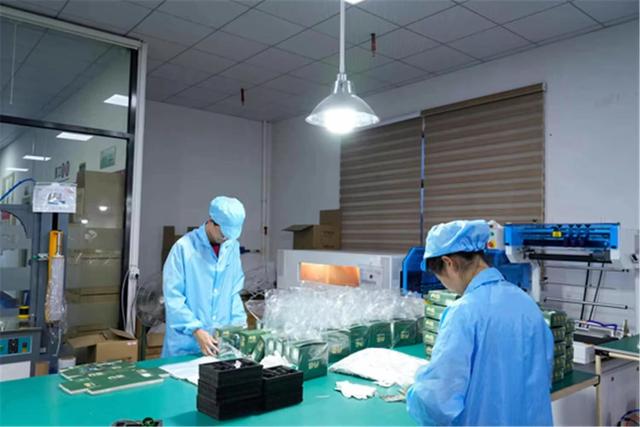
Enhancing vehicle integration, factory automation, and specialized aesthetic enhancements for localized Indian automotive systems.
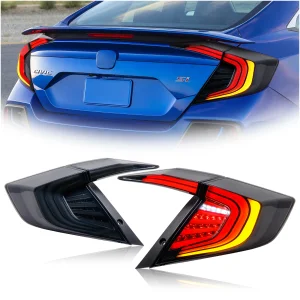
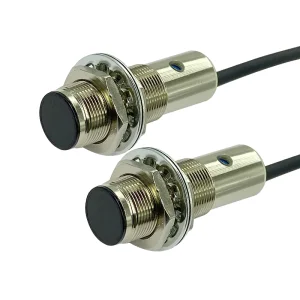
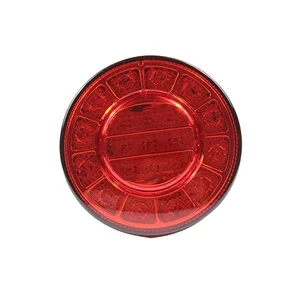
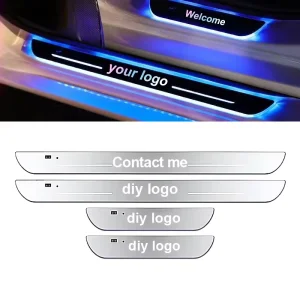
Navigating long-term supplier partnerships with strict demands on quality, lead times, and customization support.
Indian Tier-1 purchasing departments are highly analytical regarding unit costs and long-term warranties. Our automated manufacturing in Zhejiang enables us to offer prices that are highly competitive with local Indian parts manufacturers, without sacrificing quality. This is achieved by utilizing state-of-the-art machinery that minimizes labor-related failure modes.
We provide comprehensive Production Part Approval Process (PPAP) Level 3 documentation, including Failure Mode and Effects Analysis (FMEA), control plans, and dimensional checks. Our internal laboratory houses salt spray testing chambers, dust chambers, and high-frequency shaker tables, ensuring that our products meet validation requirements right from the start.
As vehicle design lifecycles shorten, OEMs require rapid design iterations. Our engineers utilize advanced CAD software and physical prototyping labs to develop new turn-signal modules, rear tail lamps, and indicator designs in as little as 30 days, going from conceptual rendering to structural prototype.
With India-China trade lanes requiring precise documentation, our export division provides all required certifications to ensure smooth custom clearance at major ports like Nhava Sheva, Mundra, and Chennai. This prevents unexpected delays on critical assembly schedules.
How technological progress is changing the design and function of indicator lights in modern vehicles.
Moving beyond static blinking, modern vehicles use micro-controlled sequential layouts. This not only looks modern but also improves visibility for surrounding drivers by indicating the direction of travel more clearly.
As Advanced Driver Assistance Systems (ADAS) become standard, signal lights are being used to house miniature camera sensors and radar units. This requires high precision in housing design to prevent heat buildup and maintain sensor accuracy.
Electric vehicles (EVs) require low power draw to preserve battery range. Our latest LED signal modules use advanced constant-current driver circuits, drawing up to 75% less power than standard incandescent lamps while maintaining high brightness levels.
Essential insights for procurement managers, distributors, and engineering teams importing automotive lighting into India.
For standard replacement or aftermarket lights, production takes 15 to 25 days. For completely new ODM projects requiring custom housing tooling, the process takes 35 to 45 days, including 3D rendering design, prototype mold creation, and initial sample validation.
Our research and development team uses specialized software to design lights matching the photometric distributions required by the Automotive Industry Standards (AIS). We run pre-compliance tests in our own testing labs before sending samples to third-party labs for formal certification.
Yes, our light assemblies use automated adhesive dispensing and ultrasonic welding to achieve IP67 or IP69K ingress protection ratings. This ensures complete protection against dust and water immersion, even during heavy monsoon rains and high-pressure washing.
We support regional partners with custom packaging, localized user manuals, and marketing materials. For high-volume contracts, we also offer flexible payment terms and direct engineering support to assist with local project integration.
Connect with our engineering and sales teams to request custom price quotes, product samples, or schedule a virtual tour of our production plant in China.
 DERT Lighting