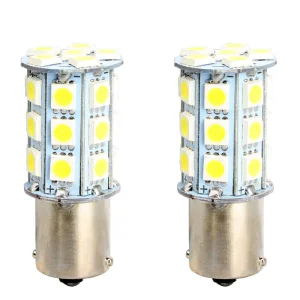
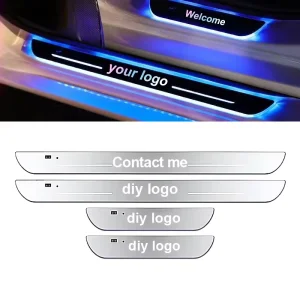
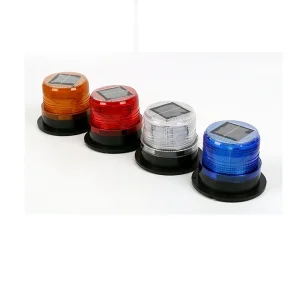
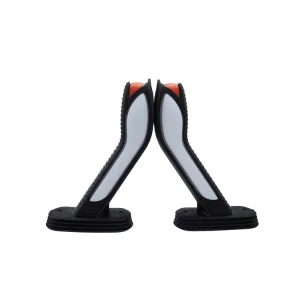
These selected high-performance components are optimized specifically for Mercosur environmental conditions, agricultural cargo logistics, and local vehicle models popular in the Montevideo and Salto transportation corridors.
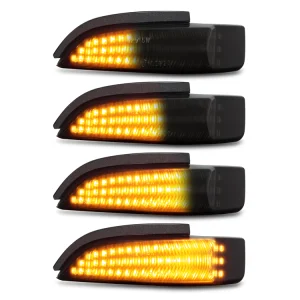
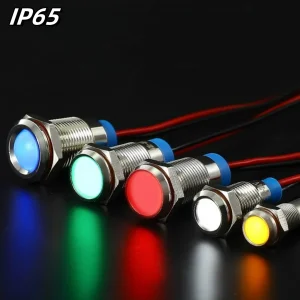
Uruguay, strategically positioned as a logistic corridor within the Mercosur trade zone, presents a unique automotive profile. Rather than having a dominant domestic passenger car assembly infrastructure, the nation functions as a sophisticated importer of commercial vehicles, agricultural machinery, and light commercial vehicles (LCVs). The demand for durable, vibration-resistant automotive signaling equipment is highly coupled with the country's logistical arteries. Forestry trucks carrying timber to the pulp mills of Fray Bentos and Paso de los Toros, combined with heavy grain logistics along Ruta 3, experience prolonged runtime cycles over heterogeneous road surfaces.
Furthermore, the local automotive fleet is characterized by an average vehicle age exceeding that of North American markets. This lifespan profile requires a stable, high-reliability flow of aftermarket replacement components. Global procurement managers working with Uruguayan importers must secure supply channels that offer both competitive price-per-unit metrics and robust resistance to environmental hazards, such as the saline atmosphere of the coastal Montevideo region and the high-vibration stresses of rural dirt tracks.
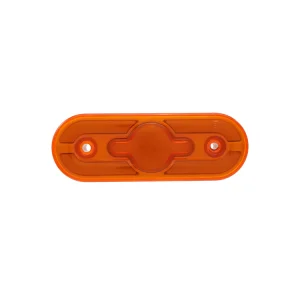
This commercial reality mandates automotive signal lights that offer maximum thermal efficiency and high optical output without draining the vehicle's electrical system. From dynamic LED amber repeaters for micro-mobility fleets to heavy-duty 24V chassis marker assemblies for trans-Mercosur shipping trailers, the technical parameters must align with international standards.
How global suppliers adapt optical engineering, material sciences, and environmental sealing to survive the challenging microclimates of Latin America.
Uruguay exhibits intense solar UV indexes during summer months. Our optical lenses utilize Bayer/Sabic Makrolon UV-stabilized polycarbonate to prevent premature yellowing, micro-cracking, and light refraction decay.
With major ports located along the Río de la Plata and Atlantic coastline, automotive hardware is prone to marine atmospheric corrosion. Our lamps utilize gold-plated contacts and anti-corrosive alloy bezels.
Heavy agricultural transport requires IP67 and IP69K ingress protection against high-pressure washdowns and mud entry, combined with epoxy-encapsulated driver electronics to survive washboard road vibrations.
Compliance is a non-negotiable metric for the Uruguayan Customs Department (DNA) and the Ministry of Transport and Public Works (MTOP). In Latin America, importing signaling assemblies requires conformity verification with either UN ECE regulations or FMVSS / SAE protocols. The implementation of ECE R148 (which encompasses directional, position, tail, stop, and side-marker functions) is increasingly demanded by fleet logistics buyers to prevent litigation arising from road incidents. Choosing products built to these exact testing architectures ensures immediate compatibility and straightforward customs clearance.
High-specification components engineered for customized applications, specialized vehicle modifications, and automation systems within Latin American manufacturing sectors.
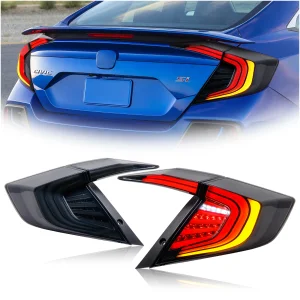
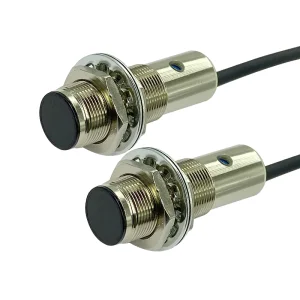
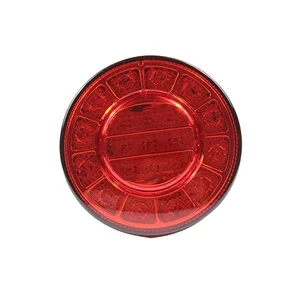
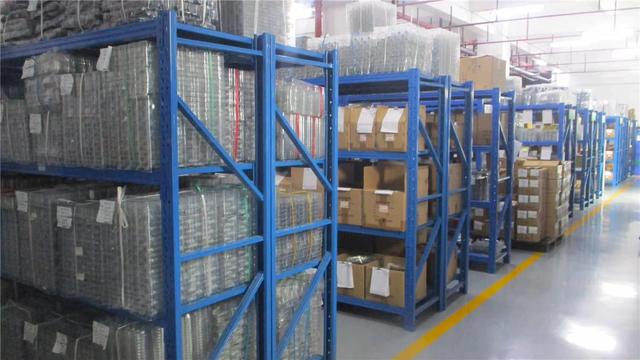
Established in 2012, Ningbo DERT Lighting Co., Ltd. is a professional manufacturer specializing in automotive lighting systems, LED headlights, and vehicle lighting solutions for global automotive aftermarket and OEM customers. Located in Ningbo, Zhejiang Province, China, the company operates a modern production facility covering approximately 18,000 square meters and employs more than 320 skilled professionals across engineering, manufacturing, quality assurance, research and development, and international sales departments.
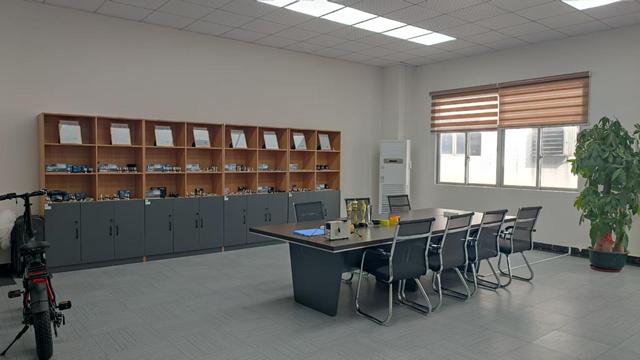
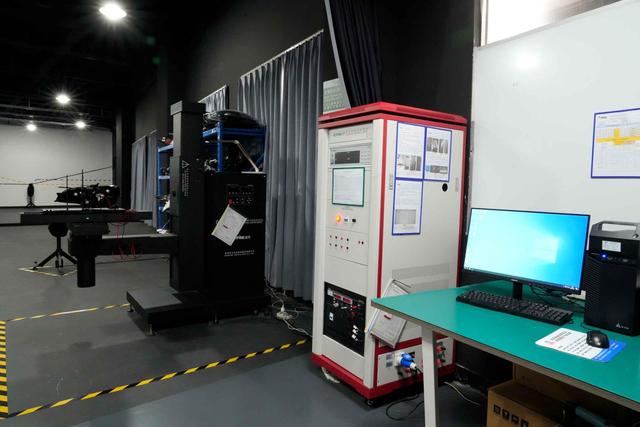
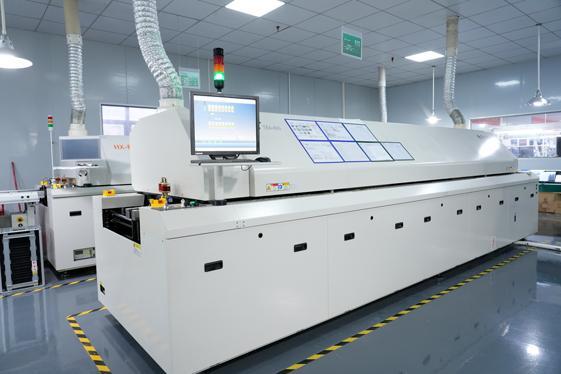
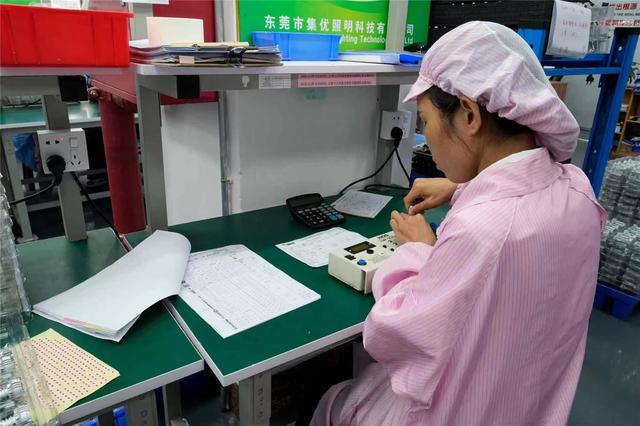
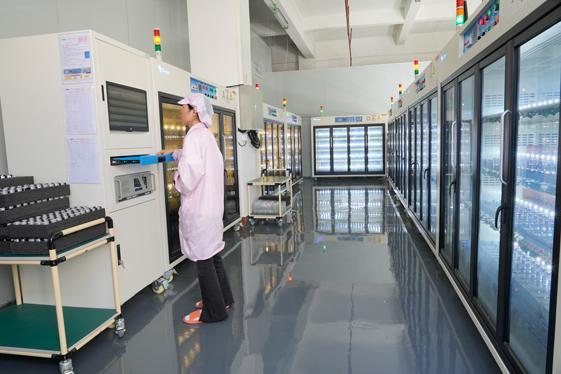
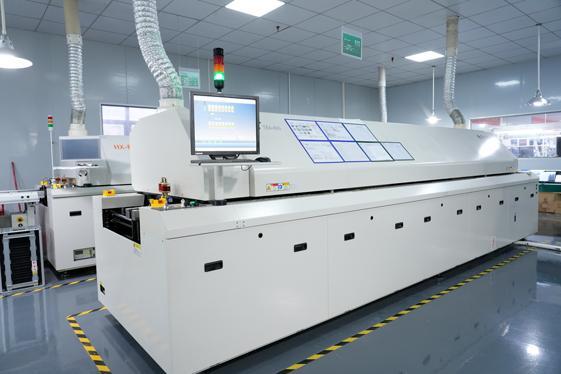
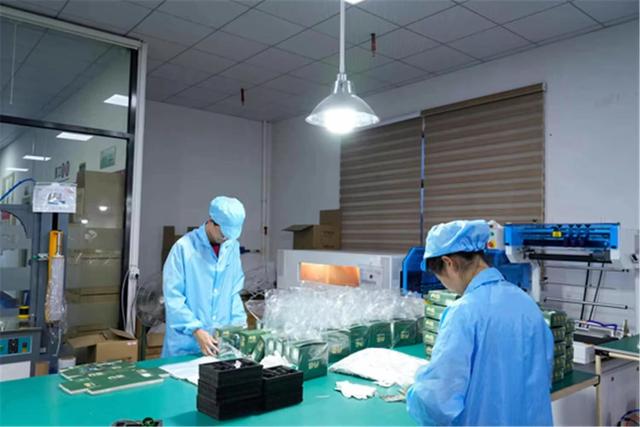
DERT Lighting focuses on the design, development, and production of automotive lighting products, including LED headlight systems, vehicle lighting assemblies, signal lighting solutions, commercial vehicle lighting products, off-road lighting systems, and customized automotive illumination technologies. The company serves automotive brands, distributors, wholesalers, importers, fleet operators, and aftermarket suppliers across international markets.
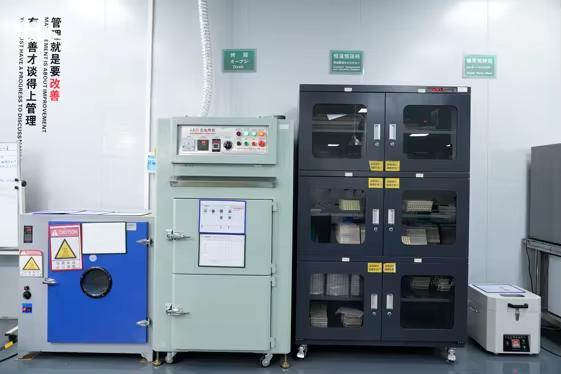
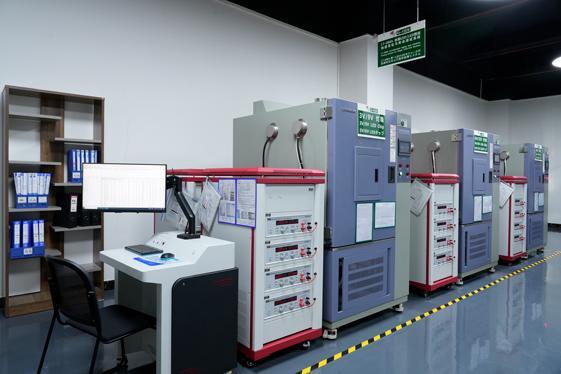
Supported by an experienced engineering team, DERT Lighting continuously invests in product innovation, optical design, thermal management technologies, electronic control systems, and manufacturing automation. The company integrates advanced production equipment, automated assembly lines, precision testing instruments, and standardized manufacturing processes to support consistent product quality and production efficiency.
Quality management is implemented throughout every stage of production, from raw material sourcing and component inspection to assembly, performance testing, durability evaluation, and final quality verification. The company strives to manufacture automotive lighting products that meet the performance, reliability, and regulatory requirements of diverse international markets.
In addition to standard product manufacturing, DERT Lighting provides comprehensive OEM and ODM services, including product development, branding support, customized specifications, packaging solutions, and private-label manufacturing programs. Flexible production capabilities allow the company to support both emerging automotive brands and established industry partners.
Today, Ningbo DERT Lighting Co., Ltd. exports products to North America, Europe, South America, Southeast Asia, the Middle East, and other global regions, delivering reliable automotive lighting solutions for a rapidly evolving mobility market.
The contemporary global automotive industry faces persistent disruptions, ranging from maritime bottleneck delays to volatile pricing of basic electronic components. Ningbo DERT Lighting addresses these challenges through the integration of Industry 4.0 digital frameworks within its Zhejiang manufacturing complexes. By deploying automated surface-mount technology (SMT) equipment from Fuji and Panasonic, the company maintains precision over solder joint integrity on multi-layer PCBs, a key determinant of reliability for LED signaling drivers.
This digitalization model provides direct procurement benefits to Uruguayan importers:
Each batch of LED chips (sourced from Epistar, Cree, or Osram depending on the performance tier) is logged within our ERP system. If a localized performance drift occurs under extreme road vibrations, the system isolates the specific batch, permitting rapid troubleshooting and limiting risk.
LED signal lights are sensitive to thermal accumulation, which degrades luminous efficiency over time. Utilizing thermal imaging cameras and finite element analysis (FEA), our engineers design aluminum and thermal-conductive polymer heat sinks that operate under passive cooling principles, keeping heat generation low.
For South American bulk orders, DERT Lighting maintains safety stocks of critical inputs (such as raw PC pellets, copper terminals, and driver ICs). This minimizes standard manufacturing lead times to 25–35 days, defending against global supply chain volatility and offering stable turnaround cycles for our clients in Uruguay.
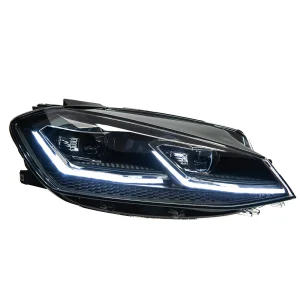
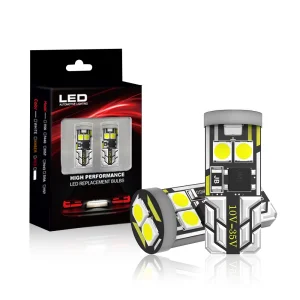
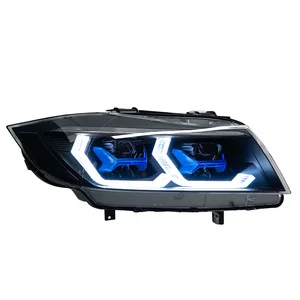
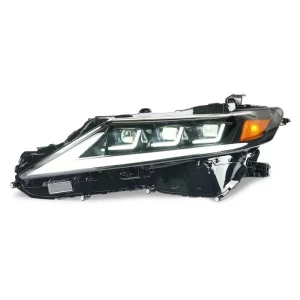
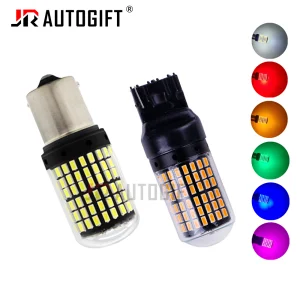
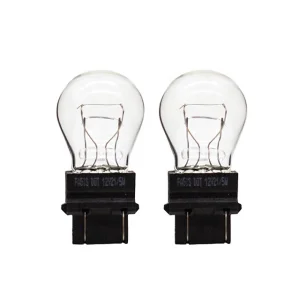
These premium-grade automotive replacement lamps and headlight components are engineered to deliver exact photometric patterns, high lumens, and long-term operating durability.
Shipping automotive components from the manufacturing clusters of Ningbo to Montevideo requires strategic planning. Ocean transport is the primary modality, typically routed from the Port of Ningbo-Zhoushan with transshipment at major hubs such as Santos or Buenos Aires, arriving at the Port of Montevideo. Total transit times average between 35 to 45 days.
Uruguayan importers can optimize their landed costs by utilizing free-port zones like the Zona Franca de Montevideo or Zonamerica. Importing cargo under free-port status allows for the deferral of import tariffs and VAT until the goods are clear of customs for domestic distribution, or re-exported to neighbouring Mercosur states like Brazil or Argentina.
Additionally, DERT Lighting provides complete support documentation for customs clearance, including:
By partnering with an experienced exporter, Uruguayan distributors can minimize demurrage risks at the port, streamline administrative workflows, and maintain a consistent flow of replacement parts to support fleet operations.
Critical technical information and purchasing insights addressing key questions from automotive distributors and fleet maintenance planners in Uruguay.
 DERT Lighting