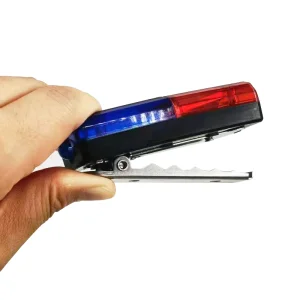
Featured tactical and commercial vehicle lighting engineered to deliver high efficacy under harsh African operating environments.
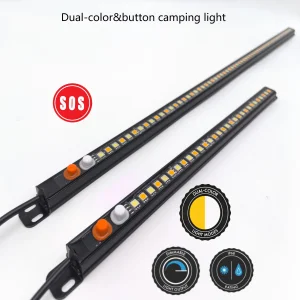
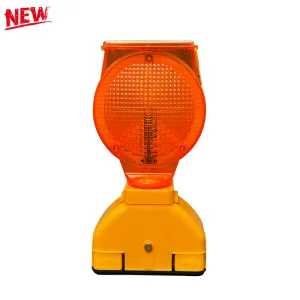
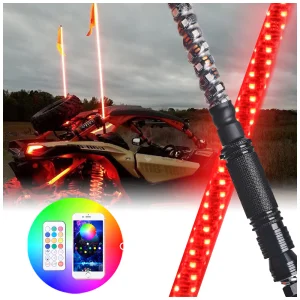
Namibia is home to some of the world's most severe operational environments. From the hyper-arid coastal deserts of the Namib, where uranium and diamond mining run uninterrupted, to the vast Trans-Kalahari and Trans-Caprivi transportation corridors, heavy machinery and long-haul fleet assets face punishing conditions. Operations in these regions require auxiliary vehicle lighting systems that perform beyond standard automotive baselines.
Commercial haulers traveling from Walvis Bay to the inland SADC trade nodes must contend with extreme daytime heat exceeding 45°C, high UV indices that degrade standard polycarbonate lenses, and thick, corrosive coastal fog combined with airborne salt. Unpaved, gravel C-class roads create persistent chassis vibrations and fine-grain dust intrusion (PM2.5 to PM10), which can quickly disable standard lights by penetrating internal optical cavities or causing electrical shorts.
For operations in locations such as the Husab and Rössing open-pit mines, where heavy equipment operates continuously, lighting failure equals costly downtime. Heavy equipment requires active thermal management, EMI shielding to prevent communication dropouts, and robust ingress protection (IP68 and IP69K) to withstand high-pressure washdowns during maintenance cycles.
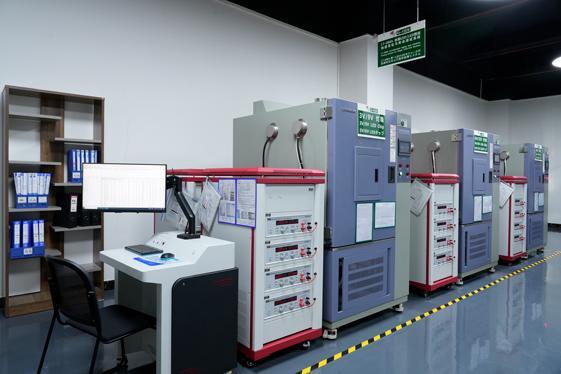
Our housings undergo 500-hour neutral salt spray (NSS) chamber validation testing to prevent the galvanic corrosion common along the Walvis Bay coast.
Integrated Gore-Tex protective vents allow dynamic pressure equalization while preventing the microscopic dust particles of the Namib desert from breaching housing seals.
Aligning manufacturing capabilities with OEM requirements, fleet sustainability targets, and total cost of ownership (TCO) metrics.
Integrated electromagnetic suppression circuits prevent radio frequency pollution, keeping onboard GPS, telematics, and shortwave communications interference-free.
We utilize Cree, Osram, and Philips LED chips driven by custom constant-current regulators, achieving a stable L70 lifetime rating exceeding 50,000 operational hours.
Delivering up to 130 lumens per watt, DERT vehicle lighting reduces electrical loads on heavy vehicle alternators and hybrid drivetrains, supporting decarbonization goals.
Large-scale mining companies and multinational logistics firms evaluate components based on Total Cost of Ownership (TCO). A light fixture's initial purchase price is secondary to costs associated with mid-service failures, vehicle downtime, and maintenance labor. By implementing automated optical testing and environmental simulation during production, DERT minimizes early field failures. This engineering approach makes our lighting solutions a preferred option for procurement departments managing assets in remote locations, where supply chains are extended.
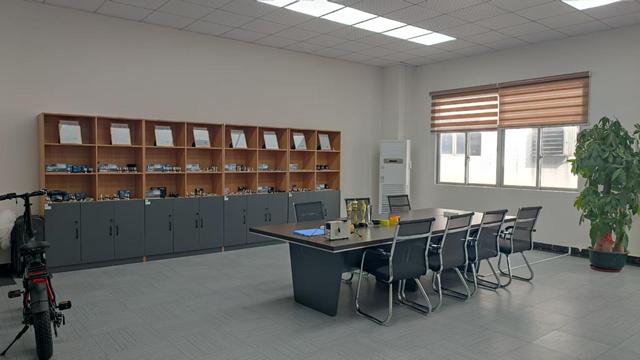
Established in 2012, Ningbo DERT Lighting Co., Ltd. is a professional manufacturer specializing in automotive lighting systems, LED headlights, and vehicle lighting solutions for global automotive aftermarket and OEM customers. Located in Ningbo, Zhejiang Province, China, the company operates a modern production facility covering approximately 18,000 square meters and employs more than 320 skilled professionals across engineering, manufacturing, quality assurance, research and development, and international sales departments.
DERT Lighting focuses on the design, development, and production of automotive lighting products, including LED headlight systems, vehicle lighting assemblies, signal lighting solutions, commercial vehicle lighting products, off-road lighting systems, and customized automotive illumination technologies. The company serves automotive brands, distributors, wholesalers, importers, fleet operators, and aftermarket suppliers across international markets.
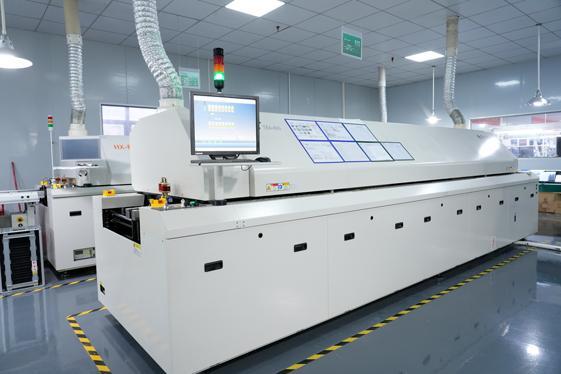
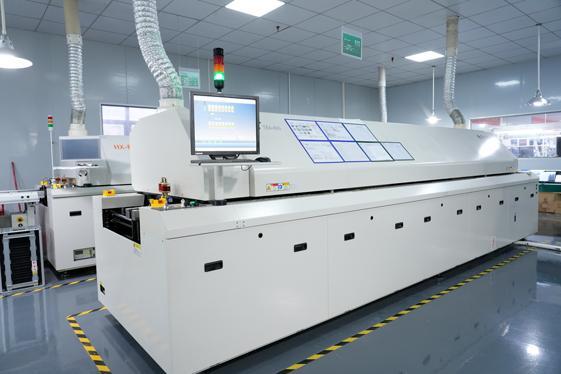
Supported by an experienced engineering team, DERT Lighting continuously invests in product innovation, optical design, thermal management technologies, electronic control systems, and manufacturing automation. The company integrates advanced production equipment, automated assembly lines, precision testing instruments, and standardized manufacturing processes to support consistent product quality and production efficiency.
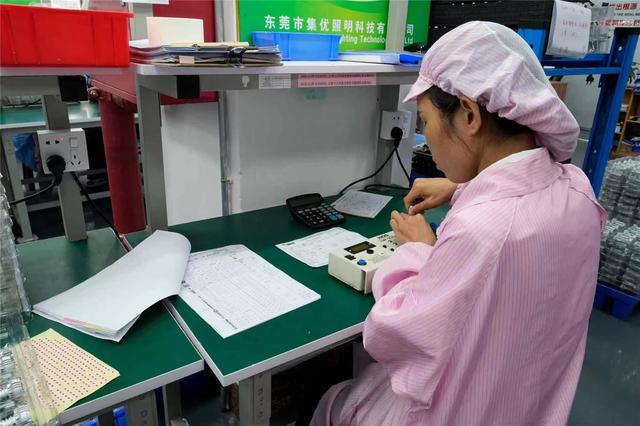
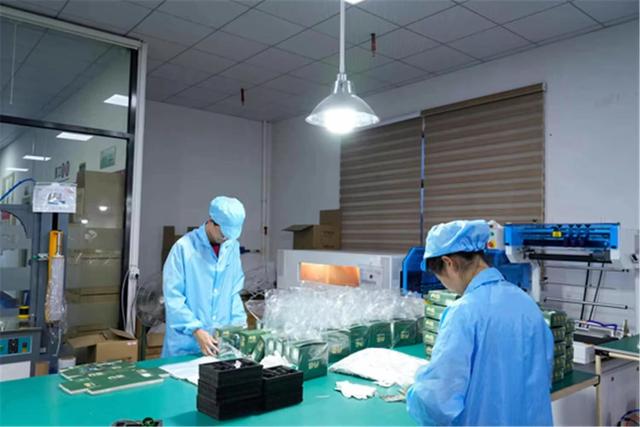
Quality management is implemented throughout every stage of production, from raw material sourcing and component inspection to assembly, performance testing, durability evaluation, and final quality verification. The company strives to manufacture automotive lighting products that meet the performance, reliability, and regulatory requirements of diverse international markets.
In addition to standard product manufacturing, DERT Lighting provides comprehensive OEM and ODM services, including product development, branding support, customized specifications, packaging solutions, and private-label manufacturing programs. Flexible production capabilities allow the company to support both emerging automotive brands and established industry partners.
Today, Ningbo DERT Lighting Co., Ltd. exports products to North America, Europe, South America, Southeast Asia, the Middle East, and other global regions, delivering reliable automotive lighting solutions for a rapidly evolving mobility market.
Our commitment to advancing automotive lighting through optical research, thermal material science, and intelligent control interfaces.
| Technology System | Engineering Specification | Operational Benefit in Namibia | Status / Availability |
|---|---|---|---|
| Advanced Thermal Management | A380 Die-cast Aluminum heatsinks, thermal conductivity > 90W/m.K with micro-groove geometries | Prevents thermal runaway in the Kalahari desert during high ambient temperature operation. | Standard across Heavy Duty range |
| Multi-Frequency EMI Suppression | Integrated active filtering conforming to CISPR 25 Class 3 and Class 5 compliance | Maintains signal integrity for fleet GPS tracking, telematics, and two-way radio channels. | Available on OEM custom runs |
| Optical Lexan™ Polycarbonate Lenses | Hard-coated UV-stabilized resins with high mechanical impact resistance | Resists yellowing, scratching, and clouding caused by high UV exposure and sandstorms. | Standard on all light bars & worklights |
| Intelligent Variable Drive Circuits | Pulse Width Modulation (PWM) tracking with auto-dimming temperature sensors | Optimizes power use based on temperature, protecting LED arrays and extending service life. | Standard on Pro-Series lighting |
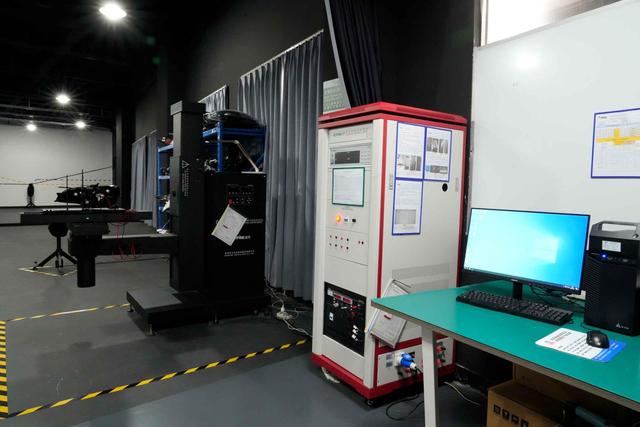
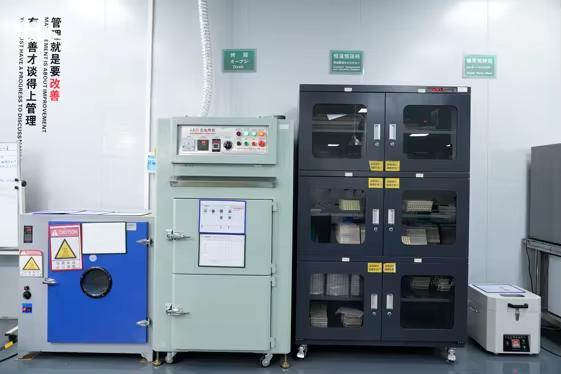
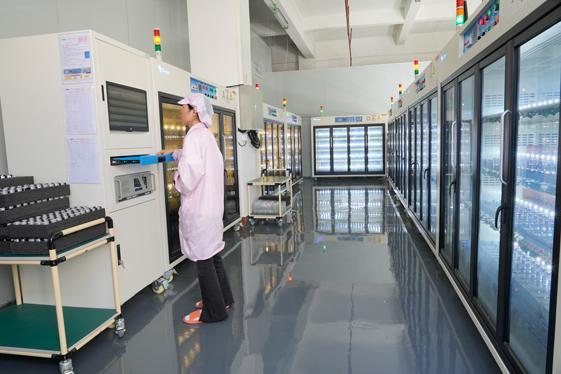
Our manufacturing plant in Ningbo, China operates under an ISO 9001:2015 certified quality framework. We utilize automated optical testing (integrating spheres and goniophotometer validation) to verify lumens, color temperature, and beam patterns. Environmental compliance is supported through RoHS and REACH certifications across all materials, helping client companies meet environmental and safety targets.
Our lighting systems meet international homologation frameworks, including ECE R112 (Headlamps), R10 (EMC), and R65 (Warning Lights) for street legality in Namibia.
Products undergo three-axis random vibration testing up to 15G to verify performance on corrugated gravel roads throughout southern Africa.
Operating commercial fleets or mining machinery in Namibia requires adherence to local and regional regulations. Under the Southern African Customs Union (SACU) framework, vehicle components must align with specific safety mandates. DERT vehicle lights are engineered to comply with E-mark requirements (ECE Regulations) and the South African Bureau of Standards (SABS) guidelines, which govern vehicle components within the region.
Additionally, DERT lighting is designed to withstand local mechanical stress factors. Off-road vehicles and mining fleets travel long distances on washboard gravel roads. Standard lights often suffer from solder joint fatigue, bracket fractures, or wire insulation wear. DERT addresses these stress points by using heavy-duty cast brackets, silicone-coated internal wiring, and potting key electronics in polyurethane resins.
For import partners and distributors in Namibia, buying directly from DERT provides access to complete technical documentation, photometric files (IES/LDT), and factory test reports needed for commercial tenders and industrial procurement processes.
Modern Factory Floor Area
Skilled Professionals
Rated Lifetime (L70)
Maximum Ingress Rating
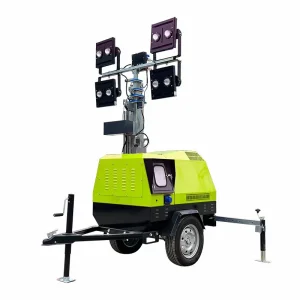
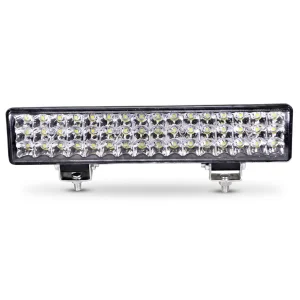
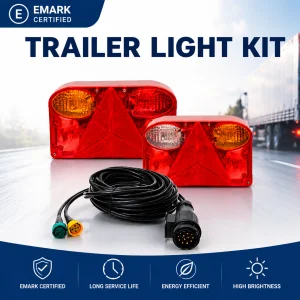
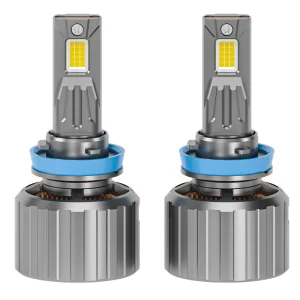
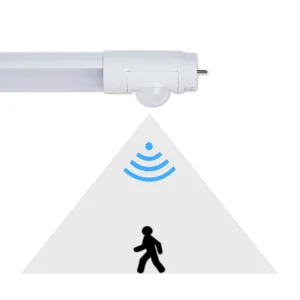
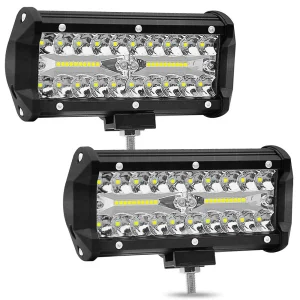
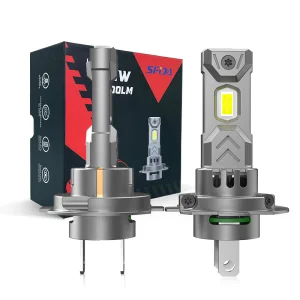
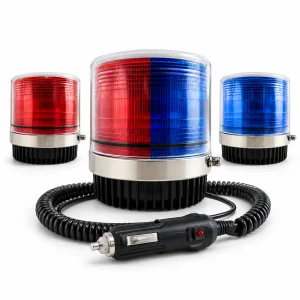
Comprehensive vehicle and facility LED lighting solutions built for industrial, commercial, and emergency service applications.
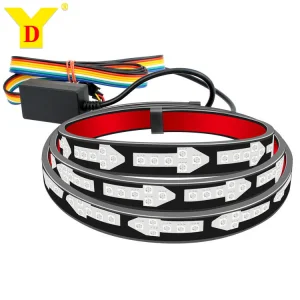
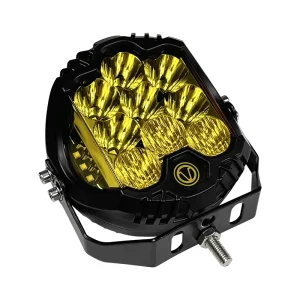
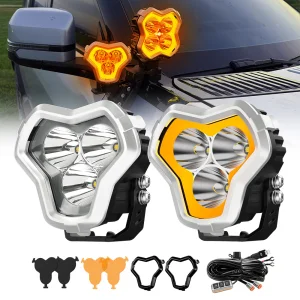
Expert answers addressing ingress protection, electromagnetic compatibility, heat dissipation, and regulatory compliance.
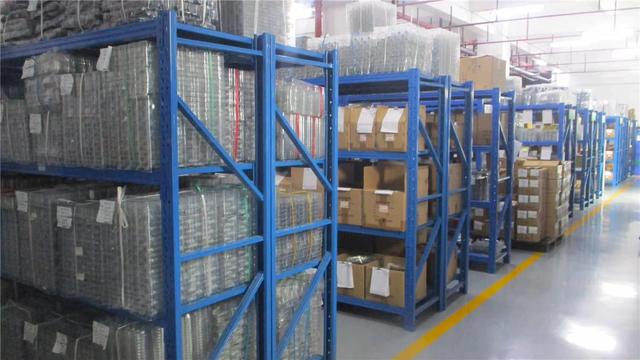
18,000 square meters of production space dedicated to optical testing, quality validation, and global export assembly.
Ready to discuss wholesale supply agreements, custom OEM runs, or technical specifications?
Send Inquiry Now DERT Lighting