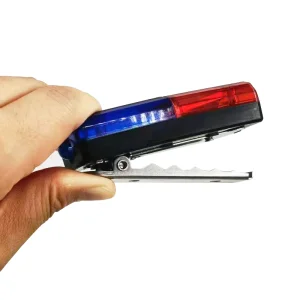
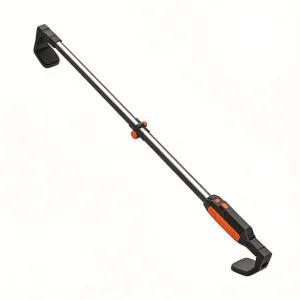
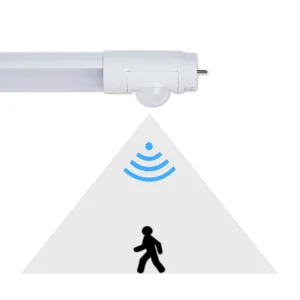
Specially calibrated vehicle lighting assemblies tailored for the environmental conditions, mining projects, and maritime networks in Dili, Baucau, and Suai.
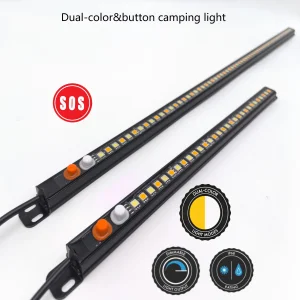
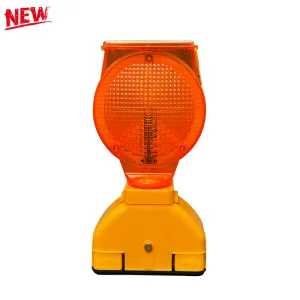
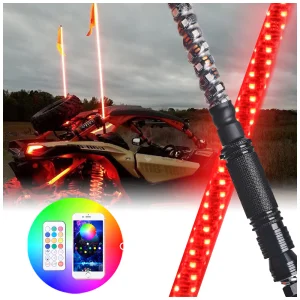
As the Democratic Republic of Timor-Leste continues its extensive infrastructure drive, the demand for highly reliable, ruggedized, and energy-efficient vehicle lighting systems has reached critical importance. Key arterial roads—such as the crucial Dili-Baucau highway and the heavy-duty logistics routes connecting the southern coast petroleum corridors in Suai—demand vehicle lighting that can withstand intense physical shocks, massive precipitation events during the tropical monsoon season, and highly corrosive maritime salinity.
Historically, local vehicle operators, municipal transit fleets, and resource extraction groups relied on legacy halogen and early-stage HID (High-Intensity Discharge) setups. However, these older lighting systems present profound structural weaknesses in Timor-Leste's unique operational framework:
By transitioning to advanced solid-state LED systems, fleet managers in Dili are reporting significant improvements in fleet uptime and massive reductions in fuel consumption. In off-grid agricultural cooperatives and mineral operations, where diesel is a valuable commodity transported over long distances, lowering the electrical load on vehicle engines yields direct, measurable cost savings. Modern energy-efficient lighting preserves battery health, which is essential for remote operations where a dead starter battery can leave workers stranded hours away from assistance.
For procurement officers in Southeast Asia, sourcing directly from premium Chinese manufacturing hubs remains the most effective strategy to balance strict cost parameters with world-class engineering. As a leading hub for optoelectronic research and development, Ningbo, China offers highly integrated supply chain ecosystems that enable rapid product customization, advanced thermal engineering, and strict compliance with international certifications.
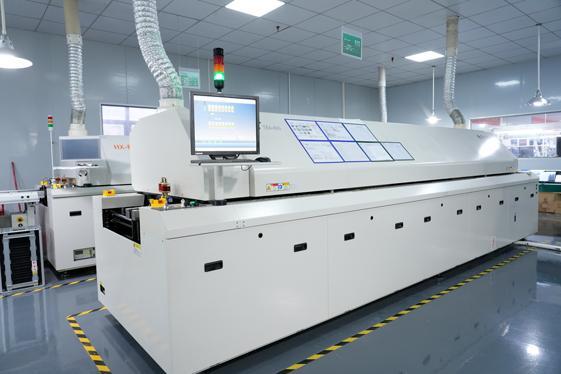
The logistical synergy of Ningbo's deep-water ports allows for efficient transport to Dili, minimizing delivery timelines and transit costs. Furthermore, Chinese manufacturers have pioneered automated assembly techniques that dramatically reduce production variations, ensuring that every batch of LED modules meets international standards for intensity, focus, and thermal dissipation.
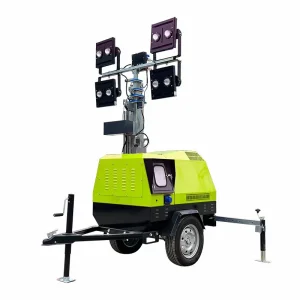
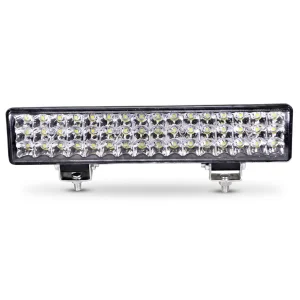
In addition to primary warning systems and traffic control units, our industrial-grade catalog includes heavy-duty light bars and highly specialized work lamps. These systems provide optimal lumens-per-watt ratios, ensuring minimal strain on the electrical components of heavy machinery and maintenance utility vehicles.
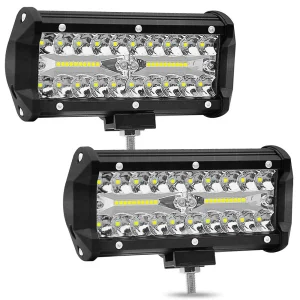
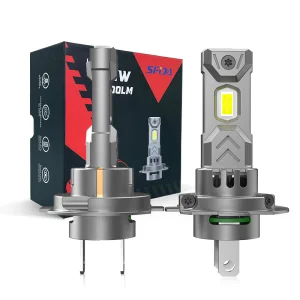
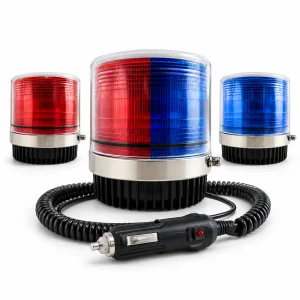
The modern automotive sector is moving away from static, single-output lighting modules. Tomorrow's infrastructure networks demand multi-functional, adaptive lighting hardware that interfaces seamlessly with on-board computational units (CAN-bus integration) and intelligent power management systems.
In regional mining operations, vehicles must operate continuously in dense dust clouds and heavy mud. Lighting systems with high Ingress Protection (IP) ratings, like IP68 and IP69K, are essential to prevent microscopic particles from degrading the internal optical elements. At the same time, maintaining control of the diode's junction temperature through extruded aluminum heatsinks and copper core PCBs prevents thermal degradation, allowing the LEDs to retain 90% of their initial luminous efficacy over years of service.
Engineered to meet international safety certifications. Highly efficient solutions built for commercial transport fleets, safety patrols, and industrial machinery.
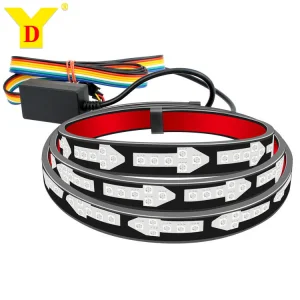
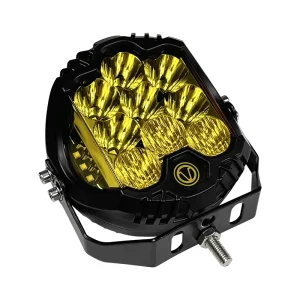
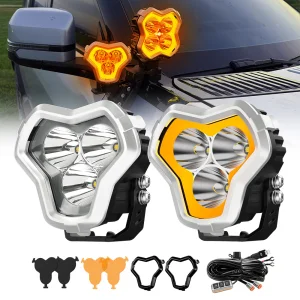
In the international automotive aftermarket and industrial machinery sectors, procurement decisions must align with strict regulatory standards. It is not enough for a lighting system to output high lumens; it must also comply with safety codes and road legalities across different jurisdictions.
When evaluating suppliers, engineers and fleet buyers prioritize certifications like E-Mark (crucial for European road safety compliance), DOT (Department of Transportation standards in North America), and CE/RoHS. These certifications verify that the lighting systems do not emit electromagnetic interference that could disrupt GPS navigation or radio equipment (compliant with CISPR 25 Class 3 standard), and that their beam cutoffs prevent glare from blinding oncoming drivers.
By matching these international benchmarks with local requirements, fleet operators can reduce legal risks, minimize mechanical downtime, and ensure that drivers and field workers have optimal visibility in all working conditions.
Detailed technical explanations for procurement managers, distributors, and logistics engineers.
Traditional halogen or HID vehicle lighting assemblies pull significant wattage from the vehicle alternator, creating a mechanical drag on the diesel engine. By upgrading to LED systems with higher luminous efficacy, the electrical power draw is reduced by up to 80%. This lower power demand reduces alternator load, resulting in fuel savings that quickly add up over long-distance logistics routes.
Our lighting enclosures feature a multi-layer protective finish. We utilize chromate-conversion-coated ADC12 die-cast aluminum alloys, finished with outdoor-grade polyester powder coatings. Additionally, we use chemical-resistant, UV-stabilized polycarbonate lenses and marine-grade 316 stainless steel mounting hardware. This construction prevents oxidation and pitting, even when exposed to high-salinity ocean air along coastal corridors.
We utilize high-conductivity copper core PCBs (metal-core printed circuit boards) combined with premium thermal paste (rated over 5.0 W/m-K) to quickly transfer heat from the LED dies to the rear cooling fins. This passive thermal design keeps the diode junction temperature well below 150°C, preventing thermal runaway and protecting the driver components.
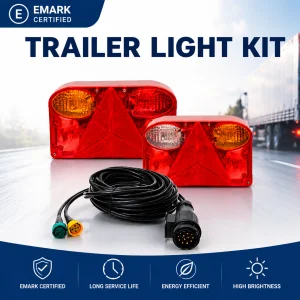
Yes. Our high-power LED bars, warning lights, and trailer modules are designed with integrated circuits that support pulse-width modulation (PWM) dimming and digital control signals. They can be integrated with telematics hardware to enable automated low-power modes, status monitoring, and remote warning triggers for logistics fleets.
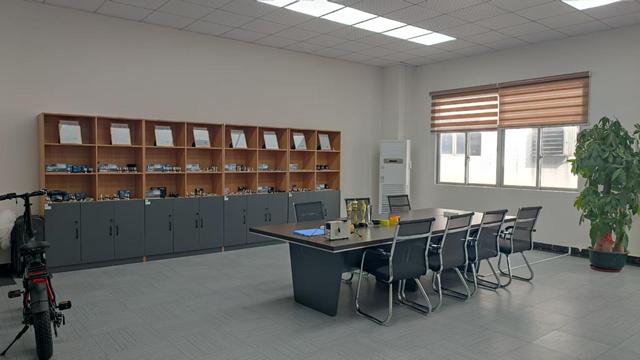
Established in 2012, Ningbo DERT Lighting Co., Ltd. is a professional manufacturer specializing in automotive lighting systems, LED headlights, and vehicle lighting solutions for global automotive aftermarket and OEM customers. Located in Ningbo, Zhejiang Province, China, the company operates a modern production facility covering approximately 18,000 square meters and employs more than 320 skilled professionals across engineering, manufacturing, quality assurance, research and development, and international sales departments.
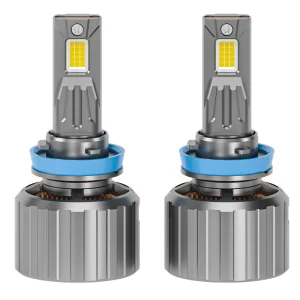
DERT Lighting focuses on the design, development, and production of automotive lighting products, including LED headlight systems, vehicle lighting assemblies, signal lighting solutions, commercial vehicle lighting products, off-road lighting systems, and customized automotive illumination technologies. The company serves automotive brands, distributors, wholesalers, importers, fleet operators, and aftermarket suppliers across international markets.
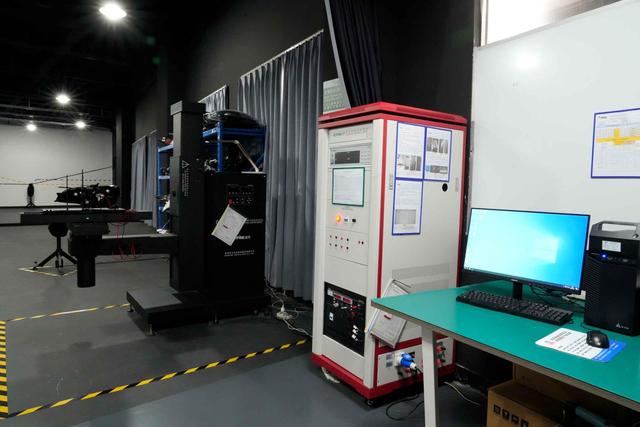
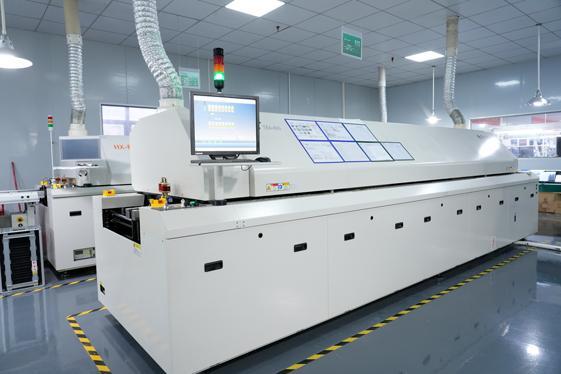
Supported by an experienced engineering team, DERT Lighting continuously invests in product innovation, optical design, thermal management technologies, electronic control systems, and manufacturing automation. The company integrates advanced production equipment, automated assembly lines, precision testing instruments, and standardized manufacturing processes to support consistent product quality and production efficiency.
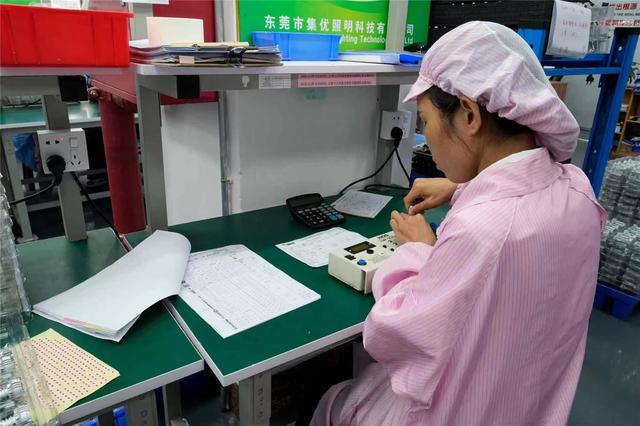
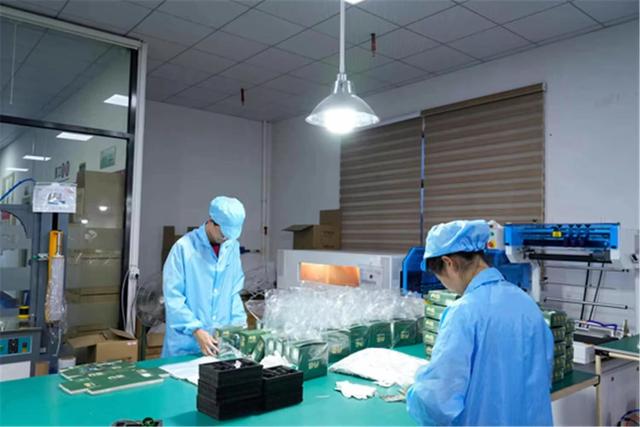
Quality management is implemented throughout every stage of production, from raw material sourcing and component inspection to assembly, performance testing, durability evaluation, and final quality verification. The company strives to manufacture automotive lighting products that meet the performance, reliability, and regulatory requirements of diverse international markets.
In addition to standard product manufacturing, DERT Lighting provides comprehensive OEM and ODM services, including product development, branding support, customized specifications, packaging solutions, and private-label manufacturing programs. Flexible production capabilities allow the company to support both emerging automotive brands and established industry partners.
Today, Ningbo DERT Lighting Co., Ltd. exports products to North America, Europe, South America, Southeast Asia, the Middle East, and other global regions, delivering reliable automotive lighting solutions for a rapidly evolving mobility market.
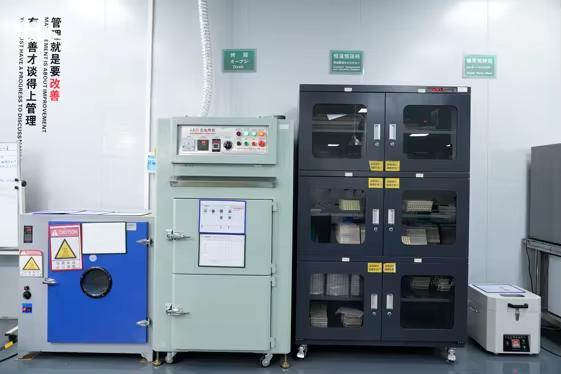
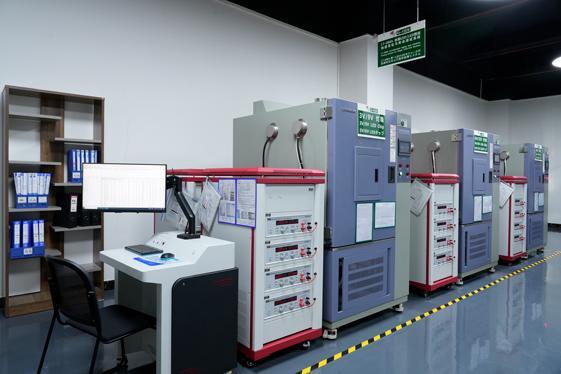
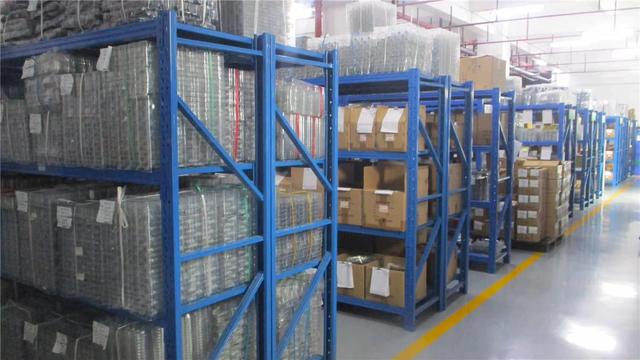
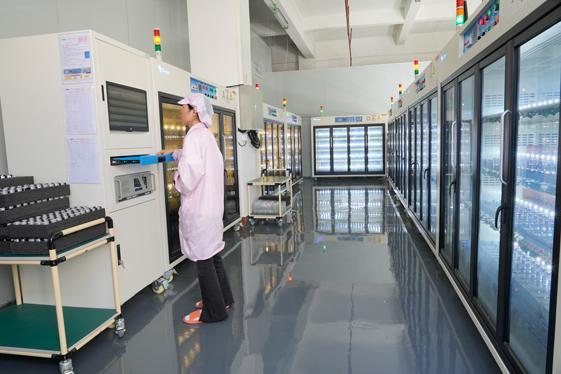
Our state-of-the-art facilities in Zhejiang Province integrate high-speed Surface Mount Technology (SMT) machines, automated optical inspection (AOI) rooms, environmental simulation chambers, and cleanroom assembly lines. This ensures every product performs reliably in the field.
 DERT Lighting