Explore our high-performance optoelectronic solutions designed for automotive, commercial, and safety applications.
Understanding Luminous Efficacy, Optical Convergence, and Thermal Integrity in Industrial Lighting Ecosystems.
Modern industrial, automotive, and commercial enterprises operate under strict regulatory and budgetary mandates to optimize energy efficiency. Solid-state lighting (SSL), led by high-power light-emitting diodes (LEDs), has transitioned from a localized secondary lighting option to the primary architecture for structural, vehicular, and environmental illumination. This transition is not merely a swap of light sources; it is a fundamental shift in optical physics, thermal management, and electrical engineering.
Historically, incandescent and gaseous discharge lamps relied on thermal radiation or ionization, losing up to 90% of their energy as waste heat. In contrast, modern semiconductor illumination converts electrical energy directly into photon emission through electroluminescence. The efficiency of this process is governed by the Internal Quantum Efficiency (IQE) and the extraction efficiency of the semiconductor package. By selecting high-quality InGaN (Indium Gallium Nitride) substrates and integrating micro-optical lens systems, top manufacturers now achieve system-level luminous efficacies exceeding 150 lm/W, dramatically reducing carbon footprints and operational costs.
Moreover, the performance of energy-efficient systems relies heavily on the driver architecture and thermal design. Without intelligent current regulation and advanced heatsink substrates, LEDs suffer from thermal droop—a drop in efficiency as junction temperature rises. To mitigate this, state-of-the-art systems employ pulse-width modulation (PWM) and thermal foldback circuitry to safeguard the electronics while maintaining consistent lumen output.
A trusted global supplier of advanced automotive, commercial, and specialized solid-state lighting systems.
Established in 2012, Ningbo DERT Lighting Co., Ltd. is a professional manufacturer specializing in automotive lighting systems, LED headlights, and vehicle lighting solutions for global automotive aftermarket and OEM customers. Located in the manufacturing hub of Ningbo, Zhejiang Province, China, the company operates a modern production facility covering approximately 18,000 square meters and employs more than 320 skilled professionals across engineering, manufacturing, quality assurance, research and development, and international sales departments.
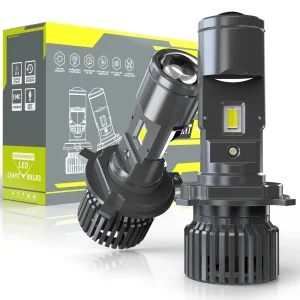
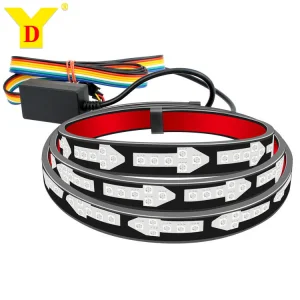
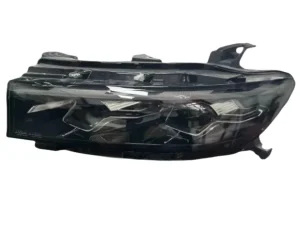
DERT Lighting focuses on the design, development, and production of automotive lighting products, including LED headlight systems, vehicle lighting assemblies, signal lighting solutions, commercial vehicle lighting products, off-road lighting systems, and customized automotive illumination technologies. The company serves automotive brands, distributors, wholesalers, importers, fleet operators, and aftermarket suppliers across international markets.
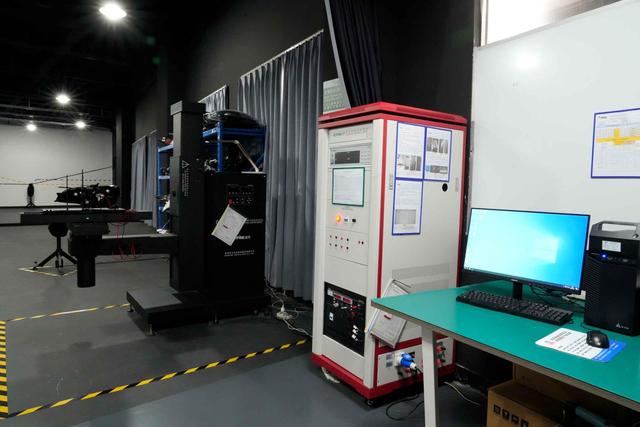
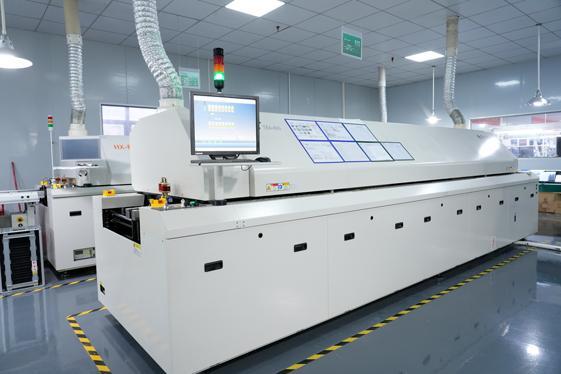
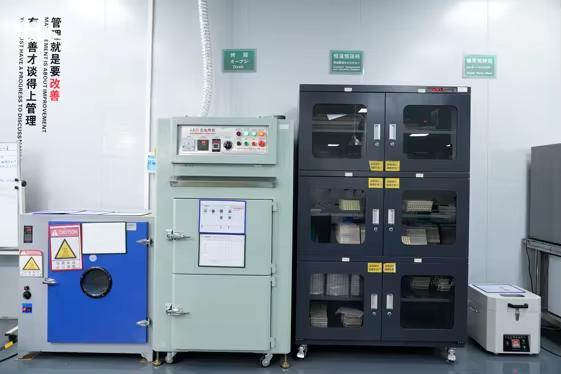
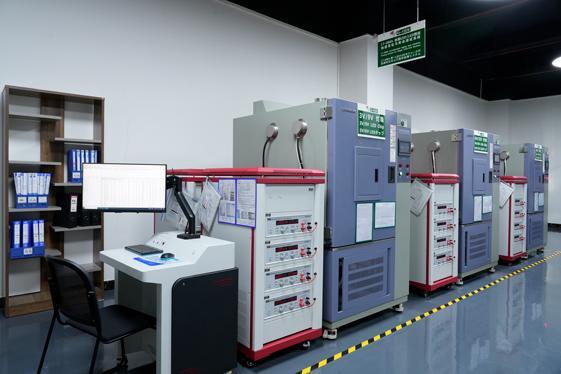
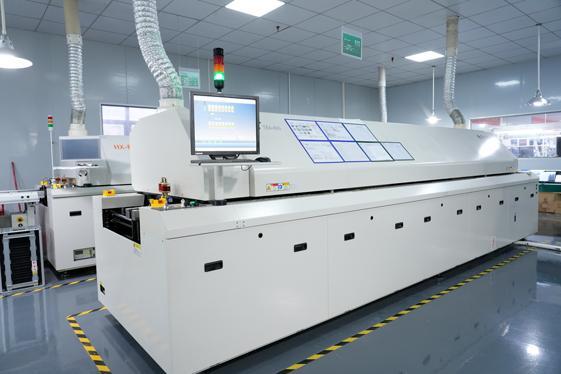
Supported by an experienced engineering team, DERT Lighting continuously invests in product innovation, optical design, thermal management technologies, electronic control systems, and manufacturing automation. The company integrates advanced production equipment, automated assembly lines, precision testing instruments, and standardized manufacturing processes to support consistent product quality and production efficiency.
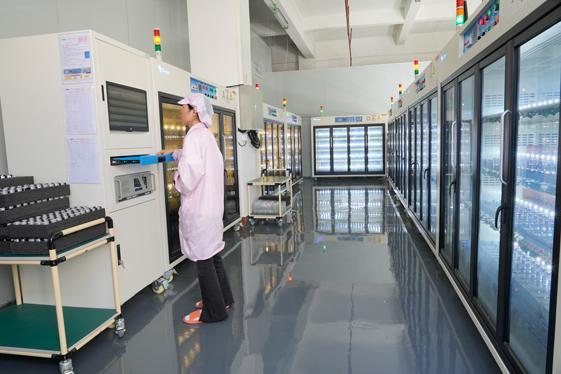
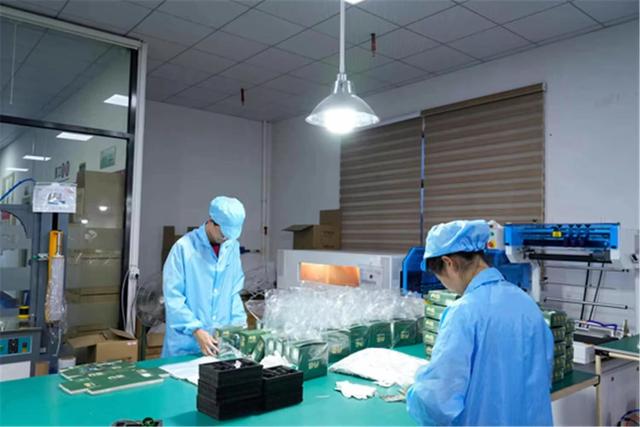
Quality management is implemented throughout every stage of production, from raw material sourcing and component inspection to assembly, performance testing, durability evaluation, and final quality verification. The company strives to manufacture automotive lighting products that meet the performance, reliability, and regulatory requirements of diverse international markets.
In addition to standard product manufacturing, DERT Lighting provides comprehensive OEM and ODM services, including product development, branding support, customized specifications, packaging solutions, and private-label manufacturing programs. Flexible production capabilities allow the company to support both emerging automotive brands and established industry partners. Today, Ningbo DERT Lighting Co., Ltd. exports products to North America, Europe, South America, Southeast Asia, the Middle East, and other global regions, delivering reliable automotive lighting solutions for a rapidly evolving mobility market.
How localized industrial clusters in Ningbo and Dongguan enable high-precision engineering and unmatched cost efficiencies.
By housing metal casting, SMD mounting, and optical assembly in local clusters, factories minimize transit delays and component mismatch, optimizing the overall manufacturing yield.
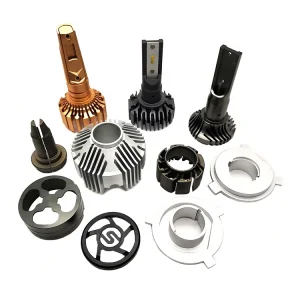
Dongguan's precision CNC machining services supply high-grade aluminum brackets and housings with tolerances down to 0.005mm, essential for superior thermal dissipation.
Ningbo's world-class port infrastructure facilitates rapid maritime shipping, streamlined customs processes, and efficient intermodal logistics for international buyers.
The manufacturing ecosystem in China has evolved from low-cost assembly to high-precision engineering. In the illumination industry, this is evident in the close cooperation between optoelectronic chip packagers, driver circuit board manufacturers, and specialized machining workshops. Utilizing advanced CNC machining centers, local partners can produce complex, custom-molded heat-sinks, custom lenses, and aluminum reflector housings in large volumes and under strict time constraints.
This geographic proximity guarantees shorter development cycles (from design concept to prototype within 15-30 days) and enables manufacturers like Ningbo DERT Lighting to respond quickly to market changes and the custom requirements of global buyers.
How engineering directors assess supplier competence across thermal, electrical, and optical domains.
Sourcing energy-efficient illumination at an enterprise level requires a rigorous evaluation process that extends beyond basic cost-per-unit metrics. Procurement managers and hardware engineers must analyze key performance parameters to ensure operational durability and system integration compatibilities.
| Evaluation Parameter | Legacy Halogen / HID Systems | Advanced LED Illumination Systems | Enterprise Significance |
|---|---|---|---|
| Luminous Efficacy | 15 - 40 lm/W | 110 - 160 lm/W | Directly influences power grid sizing and operational costs. |
| Operating Lifespan (L70) | 1,000 - 3,000 hours | 50,000 - 100,000 hours | Reduces maintenance costs and machine downtime. |
| Thermal Resistance ($R_{th}$) | High (Inefficient dissipation) | Low (Typically < 2°C/W using copper MCPCB) | Protects driver stability and maintains luminous flux. |
| Response Time | 250ms - 2s (Warm-up delay) | < 100 microseconds (Instantaneous) | Critical for fast-reacting industrial and automotive safety systems. |
| CRI & CCT Stability | Poor over operational life | Highly stable (SDCM < 3 over 50,000 hours) | Ensures safety and color accuracy in industrial workspaces. |
Additionally, modern procurements place heavy focus on EMC/EMI Shielding. In vehicular applications, cheap LED retrofits can emit significant electromagnetic noise that interferes with wireless vehicle communication systems, dashboard telemetry, or fleet management sensors. Sourcing partners must verify the existence of internal line filters, shielding, and compliance with standards such as CISPR 25 to prevent electromagnetic interference.
Ensuring cross-border compliance through IATF 16949, ECE/DOT certifications, and localized engineering support.
Operating a global supply chain requires strict adherence to regional regulatory frameworks. An illumination solution that is fully compliant in North America might fail inspection in the European Union due to differences in photometric beam shapes and environmental standards. For automotive applications, compliance with ECE (Economic Commission for Europe) Regulations and FMVSS 108 (Federal Motor Vehicle Safety Standards) in the USA is mandatory.
To support global partners, Ningbo DERT Lighting ensures that its manufacturing processes are certified to the IATF 16949 Quality Management System. This standard, specific to the automotive sector, demands strict trace-ability of components, failure mode and effects analysis (FMEA), and statistical process control (SPC). When sourcing custom systems, partners receive full PPAP (Production Part Approval Process) documentation, ensuring that every batch meets the exact specifications agreed upon during the engineering phase.
Furthermore, localized technical and after-sales support reduces communication lag. Through collaborative engineering networks, technical support representatives help field engineers debug installation interfaces, resolve CANBUS compatibility errors (such as those mitigated by integrated intelligent decoders), and facilitate compliance certifications for localized markets.
From high-speed automated production inspection to hazardous environments and architectural design.
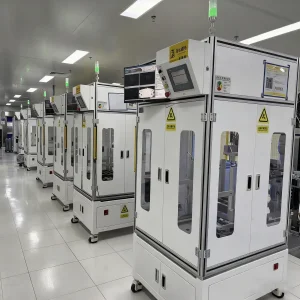
Utilizing high-speed inspection lines with integrated PLC controls (30s cycle times) to ensure 24h production stability and consistent photometric output across modern assemblies.
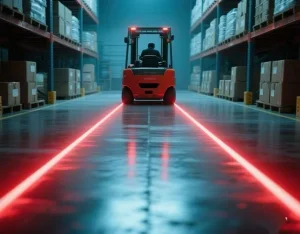
Applying warning lights (such as 10-80VDC blue line forklift zone lights) to protect factory workers in high-traffic logistics environments and distribution hubs.
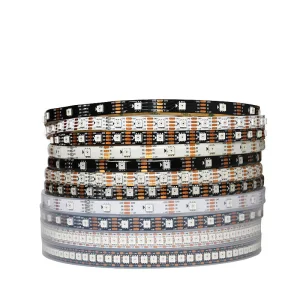
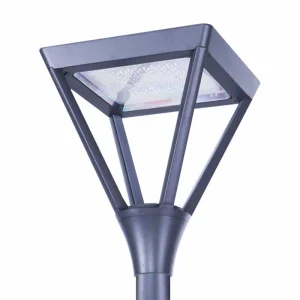
Deploying addressable WS2815 RGB pixel strips and garden fixtures with aluminum thermal housings for municipal landscape lighting and exterior architectural illumination.
Common technical and logistical concerns addressed by our senior engineering team.
LEDs convert electrical energy into light and heat. If the junction temperature (Tj) exceeds the rated limits (typically 125°C to 150°C), the internal quantum efficiency drops, and the encapsulating epoxy or silicone starts to yellow. Premium suppliers mitigate this by using high thermal conductivity Metal Core PCBs (MCPCBs) paired with precision CNC-machined aluminum housings, maintaining junction temperatures well below critical thresholds to achieve a 50,000+ hour lifespan.
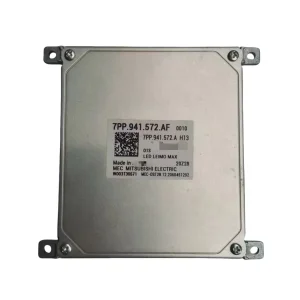
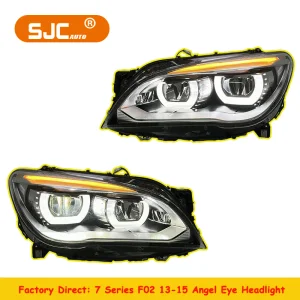
Modern vehicle lighting systems, such as those in the Porsche Cayenne or BMW 7 Series, rely on dedicated electronic control units (ECUs) to manage high/low beams, adapt to steering angles, and communicate with the central CANBUS system. Without a compatible, high-quality control module, LED retrofits can trigger bulb-out dashboard warnings or experience intermittent flickering. Control modules stabilize the voltage supply and provide the CANBUS decoders necessary for seamless integration.
Direct sourcing eliminates third-party markups and gives you direct access to the factory's engineering team. This makes OEM/ODM customization simpler, improves quality control transparency (such as access to testing labs), and shortens production lead times. It also ensures consistent supply chain traceability, which is crucial for IATF 16949 audit compliance.
The WS2815 protocol uses a dual-signal transmission line system (data and backup data lines). If a single pixel is damaged, the signal bypasses it and continues down the strip, preventing the entire array from failing. Additionally, using a higher operating voltage of 12V instead of 5V minimizes voltage drops across long runs, maintaining consistent brightness and color accuracy across the entire installation.
Explore our engineering capabilities across vehicle styling, customized machining services, and energy-efficient accent lighting.
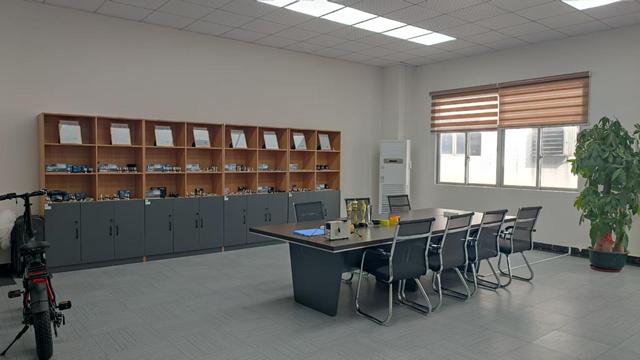
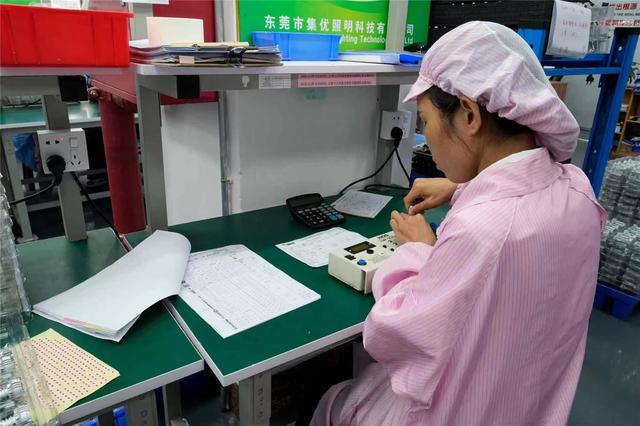
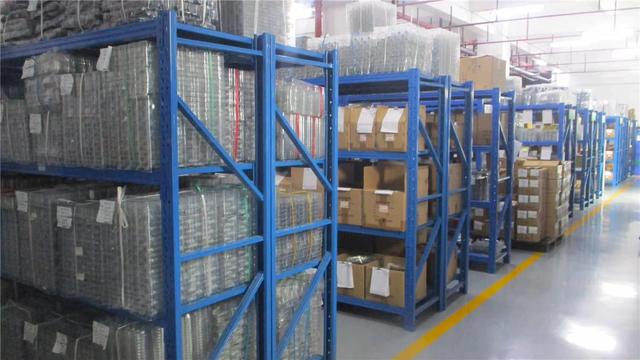
A visual tour of our modern manufacturing plants, validation machinery, and automated assembly suites.
 DERT Lighting