Engineered for extreme performance, photometric precision, and compliance across global markets.
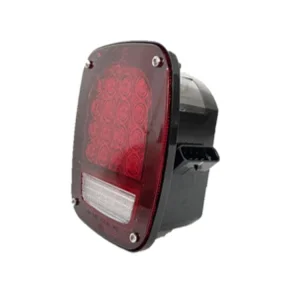
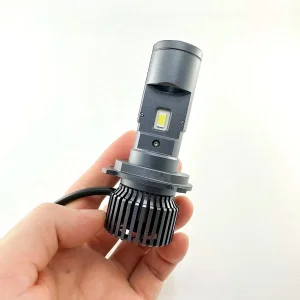
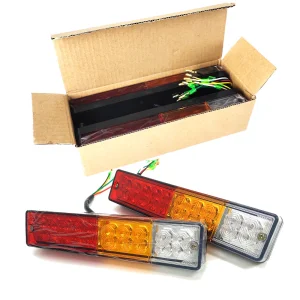
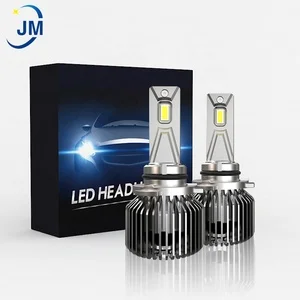
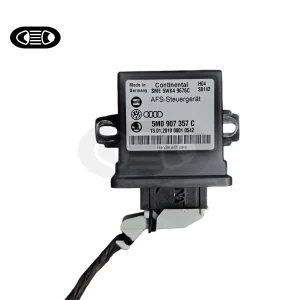
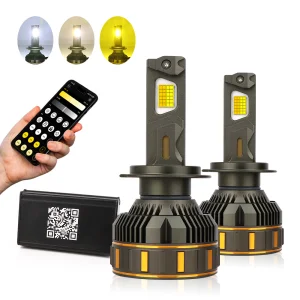
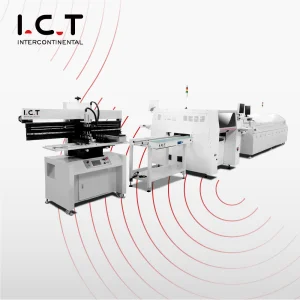
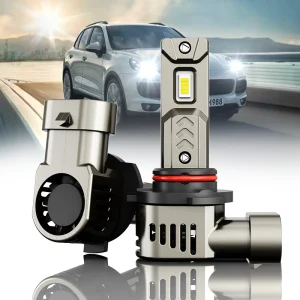
Ningbo DERT Lighting Co., Ltd. (established in 2012) is a professional manufacturer specializing in automotive lighting systems, LED headlights, and vehicle lighting solutions for global automotive aftermarket and OEM customers. Located in Ningbo, Zhejiang Province, China, the company operates a modern production facility covering approximately 18,000 square meters and employs more than 320 skilled professionals across engineering, manufacturing, quality assurance, research and development, and international sales departments.
DERT Lighting focuses on the design, development, and production of automotive lighting products, including LED headlight systems, vehicle lighting assemblies, signal lighting solutions, commercial vehicle lighting products, off-road lighting systems, and customized automotive illumination technologies. The company serves automotive brands, distributors, wholesalers, importers, fleet operators, and aftermarket suppliers across international markets.
Supported by an experienced engineering team, DERT Lighting continuously invests in product innovation, optical design, thermal management technologies, electronic control systems, and manufacturing automation. The company integrates advanced production equipment, automated assembly lines, precision testing instruments, and standardized manufacturing processes to support consistent product quality and production efficiency. Quality management is implemented throughout every stage of production, from raw material sourcing and component inspection to assembly, performance testing, durability evaluation, and final quality verification. The company strives to manufacture automotive lighting products that meet the performance, reliability, and regulatory requirements of diverse international markets.
In addition to standard product manufacturing, DERT Lighting provides comprehensive OEM and ODM services, including product development, branding support, customized specifications, packaging solutions, and private-label manufacturing programs. Flexible production capabilities allow the company to support both emerging automotive brands and established industry partners. Today, Ningbo DERT Lighting Co., Ltd. exports products to North America, Europe, South America, Southeast Asia, the Middle East, and other global regions, delivering reliable automotive lighting solutions for a rapidly evolving mobility market.
Analyzing the shifting procurement landscape under Tier-1 specifications, cost pressures, and legislative compliance.
The global automotive sector is undergoing a profound structural evolution. Transitioning from traditional internal combustion engines (ICE) to electric vehicles (EVs) and software-defined architectures has elevated illumination from simple night-vision assistance to a crucial safety, styling, and functional domain. B2B buyers—ranging from Tier-1 integrators and commercial fleet manufacturers to localized automotive aftermarket brands—face multi-layered purchasing requirements when securing global suppliers.
Automotive components demand compliance with the zero-defect standard. OEM and high-end aftermarket buyers require exporters to operate under IATF 16949 certification. Quality metrics must include documented PPAP (Production Part Approval Process) packages, FMEA (Failure Mode and Effects Analysis) worksheets, and standard compliance files (ECE, DOT, SAE, GB). Products like the Gt4 H4 Mini LED Lens Headlight or the BM-002 Waterproof LED Rectangle are continually subjected to long-term reliability programs to verify operation within harsh environments (-40°C to +105°C).
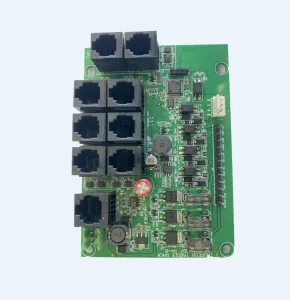
Smart lighting systems rely heavily on integrated electronics. Global buyers focus closely on PCBA manufacturing standards. Inquiries demand details on SMT line precision, BGA inspection (X-ray analysis), and the origin of key semiconductors (diodes, drivers, CAN controllers). Exporters must display deep competencies in PCB Assembly manufacturing processes to guarantee that electromagnetic compatibility (EMC) regulations, such as CISPR 25, are met without compromising vehicle bus communication protocols.
Supply chain reliability is crucial. Distributors require highly flexible OEM/ODM programs, quick prototyping (often supported by CNC machining and optical modeling), and scalable mass production lines. Standardized machinery for bulb assembly and modular optical housing creation guarantees consistent lead times and steady pricing amidst global raw material fluctuations.
Every batch must feature structural material tracking from silicon wafer to finished lens cover, allowing fast root-cause identification in safety-critical deployments.
Advanced junction temperature control through cooper core PCBs, heat pipes, and high-rpm silent fans to extend functional lifespans beyond L70 standard levels.
Integrated electromagnetic suppression circuits prevent feedback into vehicle head units, protecting essential systems like CAN-bus controllers.
Integrating mechanical design, optical science, and microelectronics to deliver production-grade lighting solutions.
Modern vehicle illumination is no longer isolated to simple bulb replacements. Manufacturers must think dynamically, matching optical arrays to electronic components and mechanical housing structures. An OEM headlight, for example, is a complex macro system requiring precise calibration between several technical engineering verticals.
Through advanced CAD modeling and simulation software, optical engineers optimize light distribution. They design total internal reflection (TIR) collimators, free-form reflectors, and optical projection lenses to control beam patterns. This prevents glare for oncoming traffic while maximizing peripheral road visibility.
Our solutions feature multi-layer PCB design, automated BGA mounting, and high-performance drivers. Smart LED controllers regulate current dynamically, responding to input voltage fluctuations (from 9V to 32V) and protecting delicate silicon diodes from voltage spikes, common in agricultural and heavy machinery applications.
Using precision CNC machining for key aluminum and brass housings ensures structural stability and fast thermal transfers. Ingress protection (IP67, IP68, and IP69K) keeps moisture, dust, and corrosive chemicals away from delicate electronic and optical elements.
From solid-state LED upgrades to software-controlled dynamic matrix projection systems.
Developing ultra-bright, compact LED bulbs (e.g., Mini 60W Canbus 8000LM) that mirror halogen filament locations. This provides a plug-and-play upgrade with sharp optical cut-off lines for immediate safety improvements in legacy vehicles.
Using multi-pixel LED arrays controlled by software and camera systems. By turning off individual LEDs dynamically, the headlights block light output directed at oncoming traffic while keeping the rest of the road fully illuminated.
Integrating high-density pixel arrays (over 20,000 pixels) to project navigation graphics, safety alerts, and lane guidance directly onto the pavement, transforming headlights into high-definition digital displays.
Developing combined modules that house LiDAR, radar, and cameras alongside the headlamp components. Co-locating these sensors inside the headlights keeps them clean and functional while simplifying vehicle integration.
Inside DERT Lighting's advanced production environment, testing laboratories, and precision machining facilities.
Ningbo DERT Lighting operates an 18,000-square-meter facility, running automated assembly lines, precision SMT pick-and-place systems, cleanroom environments, and modern labs. This infrastructure supports steady volume production while maintaining strict dimensional and electronic tolerances.
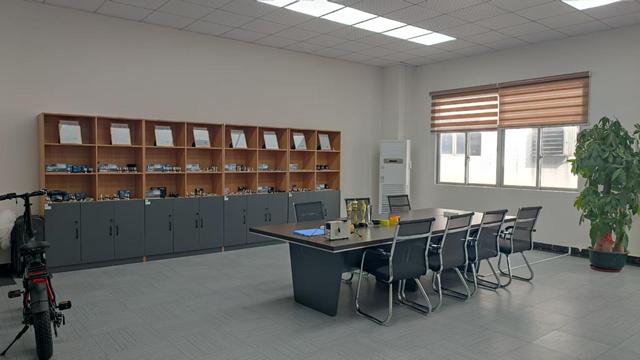
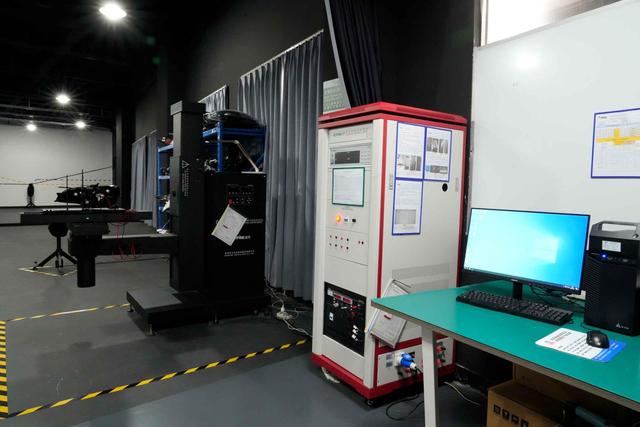
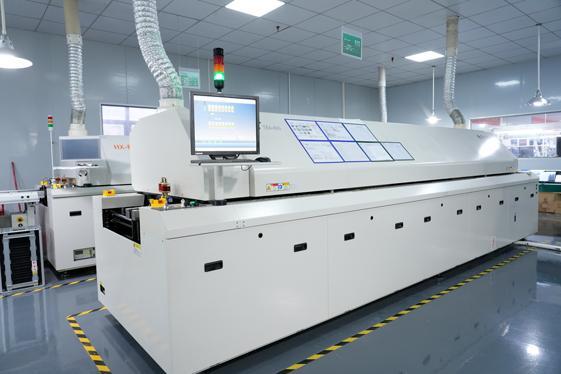
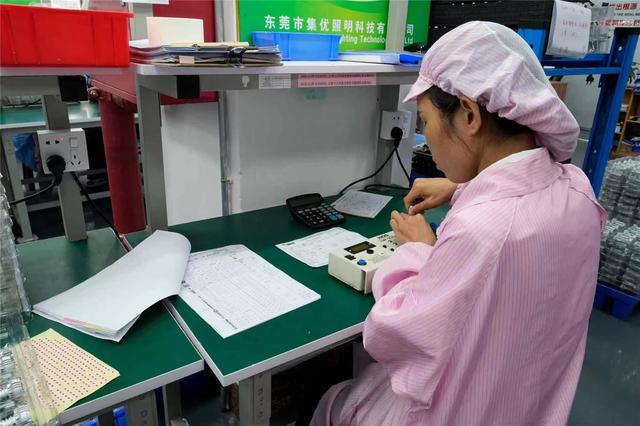
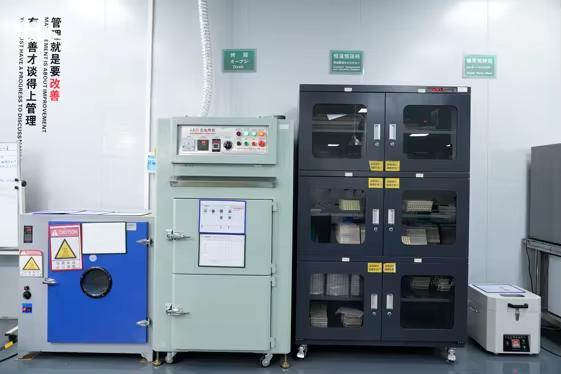
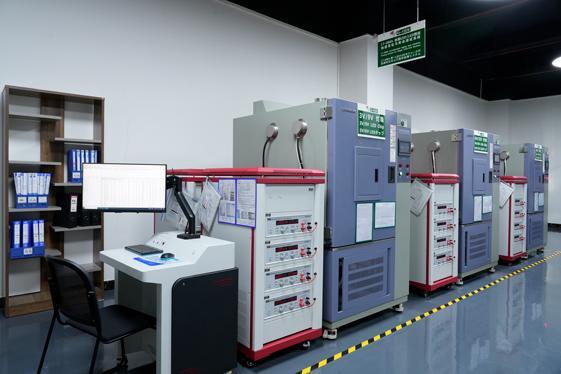
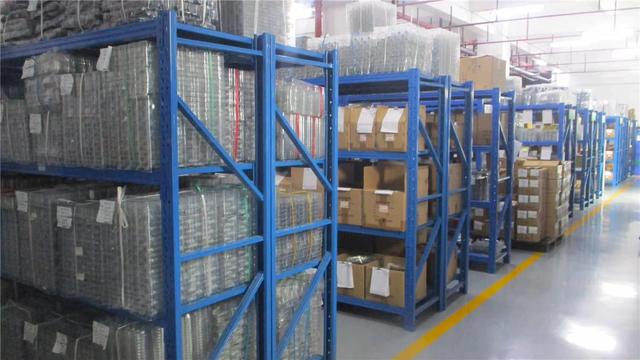
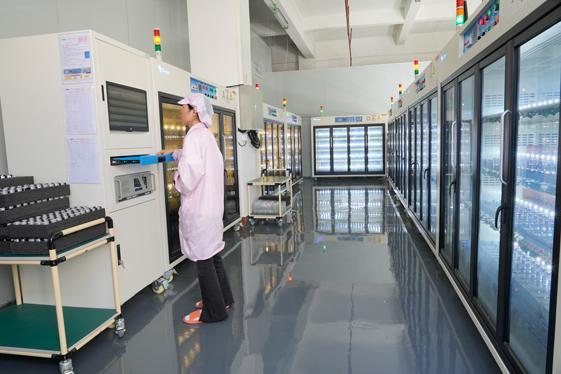
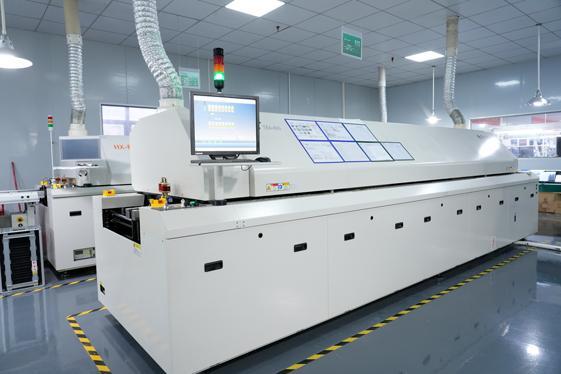
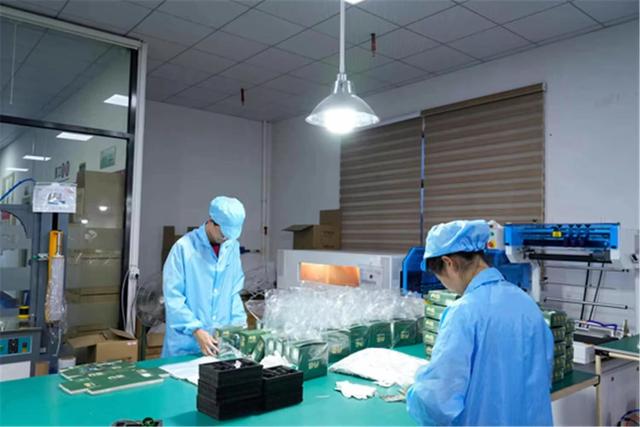
Our quality verification protocol spans every step of fabrication: incoming material inspection (IQC), in-process inspections (IPQC), final functional tests (FQC), and pre-shipment quality audits (OQC). Products undergo thermal cycle testing, dust chamber evaluation, salt spray test runs, and photometric distribution checks. This ensures complete reliability when deployed on heavy trucks, marine craft, or off-road vehicles.
Navigating complex legal and compliance frameworks across global target markets.
Exporting automotive electrical assemblies requires compliance with varying national vehicle safety regulations. A single design cannot always be sold globally without adjustments to its optical output or electrical shielding.
Ningbo DERT Lighting aligns its engineering processes with target market regulations. Our team provides regional customization options, adjusting PCBA parameters, lens geometry, and base sockets to simplify local registration and certification processes.
Answers to the most common technical and logistics questions from professional automotive lighting buyers.
DERT operates an ISO 9001 certified facility and can supply products designed for IATF 16949 requirements. We provide complete documentation for E-Mark (ECE) and DOT/SAE approvals to assist with customs clearance and market-entry registration.
We use copper PCBs, advanced aluminum heat sinks, and dual-ball bearing cooling fans. This keeps junction temperatures low, preventing lumen drop-off and ensuring lifetimes exceed 30,000 to 50,000 hours.
Yes. We offer complete customization programs, including branded boxes, custom labels, wire harness adjustments, and modified housing shapes, allowing distributors to build brand equity.
Standard OEM design verification and prototype production take 15 to 30 days. Tooling development takes 45 to 60 days, followed by mass production runs within 30 days after sample approval.
Many of our headlight models feature integrated, intelligent Canbus decoders. These adapt to varying onboard diagnostics, eliminating warning codes and hyper-flashing on most European and domestic vehicles.
Our agricultural, machinery, and off-road lights are rated to IP67, IP68, or IP69K. They are tested to resist high-pressure hot water sprays, deep submersion, and fine dust penetration in rugged worksites.
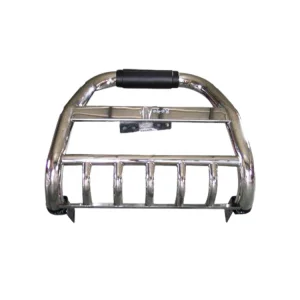
Supporting your supply chain with quality replacement parts, sub-assemblies, and tools.
 DERT Lighting