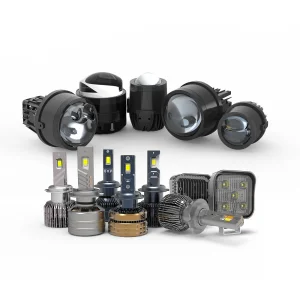
Explore our leading technical selection of adaptive illumination devices, heavy-duty projector lens kits, and smart digital projection modules tailored for global distribution networks.
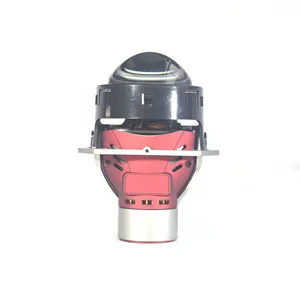
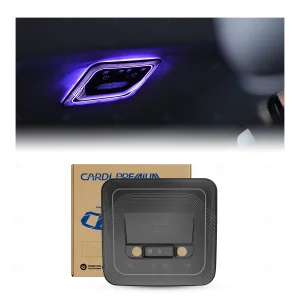
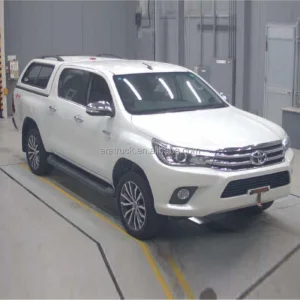
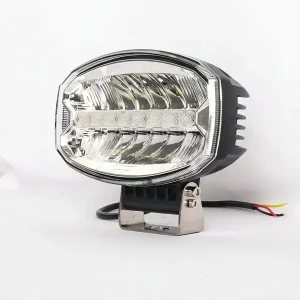
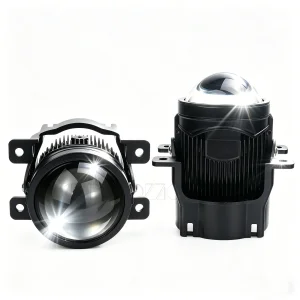
An authoritative analysis of optical engineering standards, market dynamics, procurement optimization, and advanced manufacturing frameworks in commercial vehicle illumination.
Commercial vehicle operations demand lighting systems that go far beyond standard passenger car specifications. Over the past decade, the global transportation industry has transitioned rapidly from legacy halogen and High-Intensity Discharge (HID) Xenon options toward highly integrated light-emitting diode (LED) configurations and intelligent Adaptive Front-Lighting Systems (AFS).
For heavy-duty trucks operating under intense logistical cycles, the paradigm shift is driven by three essential parameters: luminous efficacy, operational longevity, and active safety integration. Modern LED solutions reduce energy draws from vehicle electrical architectures by up to 60%, alleviating thermal stress and reducing alternator load. In contrast to halogen bulbs, which degrade under constant road vibrations, solid-state LED systems feature no fragile filaments, ensuring a long operational lifetime that matches the service cycles of modern commercial powertrains.
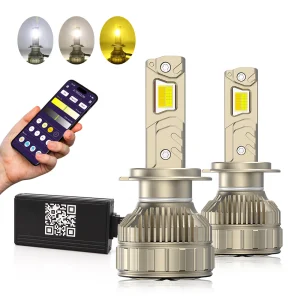
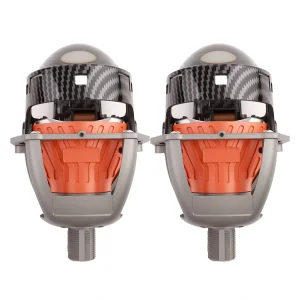
Furthermore, modern heavy-duty truck lighting utilizes Asymmetric Optical Distribution and advanced Cut-Off Lines to maximize horizontal illumination while preventing high-beam glare for oncoming traffic—a key cause of nocturnal highway collisions. The adoption of smart systems like APP-controlled ambient illumination, dynamic cornering beams, and intelligent adaptive projector assemblies enables logistics systems to optimize fleet visibility irrespective of weather variations, topographic gradients, or ambient highway conditions.
Procurement directors in Europe, North America, and Australia must balance strict regulatory compliance with financial considerations like the Total Cost of Ownership (TCO). In the international heavy-duty distribution market, lighting represents a critical maintenance category. Minimizing vehicle downtime (Vd) due to lamp failure is a key metric.
To satisfy international standardizations, global buyers look for suppliers who provide comprehensive compliance certifications:
OEM and ODM services must offer flexibility to accommodate regional configurations. For instance, cold-climate operations in Scandinavia or Northern Canada require integrated heating lenses (thermo-regulated glass) to prevent snow and ice buildup. Meanwhile, Middle Eastern mining environments demand ultra-robust dust sealing and heat-tolerant electronic components capable of operating at continuous ambient temperatures exceeding 50°C.
To understand the actual performance requirements of truck lighting, we must analyze local deployment scenarios:
As global logistics systems require shorter lead times and higher quality consistency, Chinese manufacturers have upgraded their facilities to match Factory 4.0 standards. Ningbo DERT Lighting Co., Ltd. serves as a prime example of this industrial transformation. Established in 2012 in the deepwater port city of Ningbo, Zhejiang Province, our manufacturing capability is designed to maintain high efficiency and reliability.
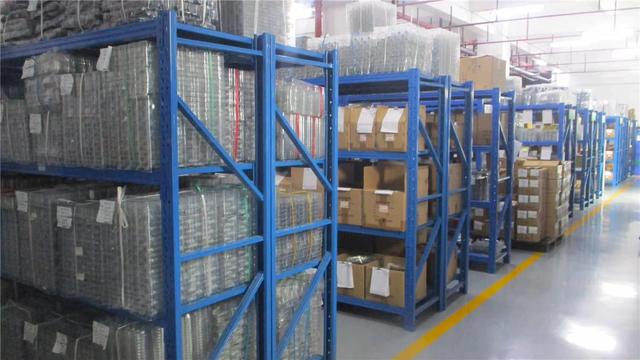
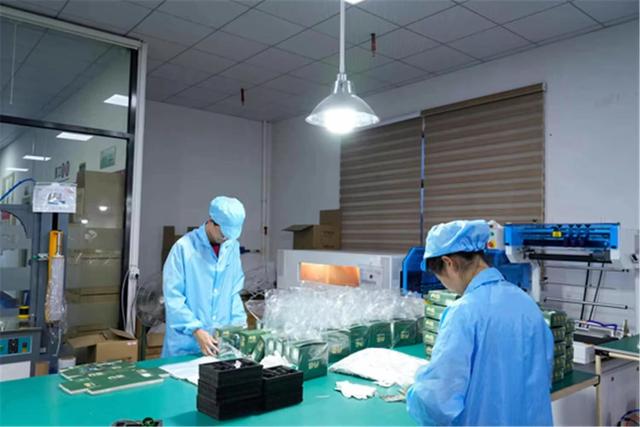
Operating a modern 18,000 square meter production facility and utilizing more than 320 skilled professionals across R&D, optical design, quality management, and international service divisions, DERT Lighting operates an integrated manufacturing ecosystem.
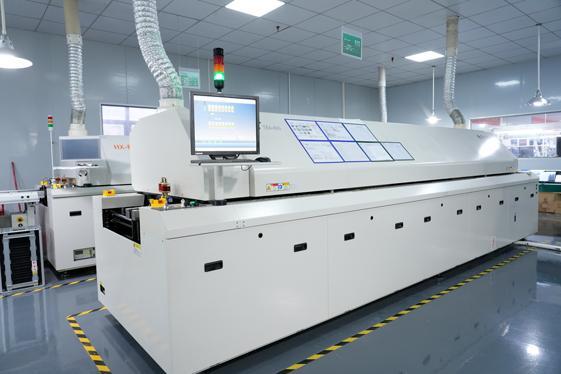
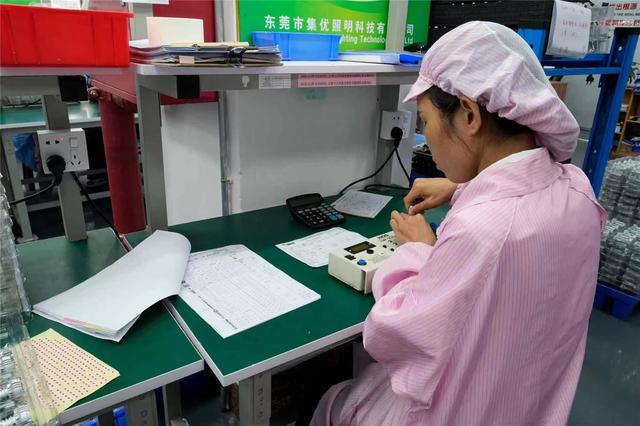
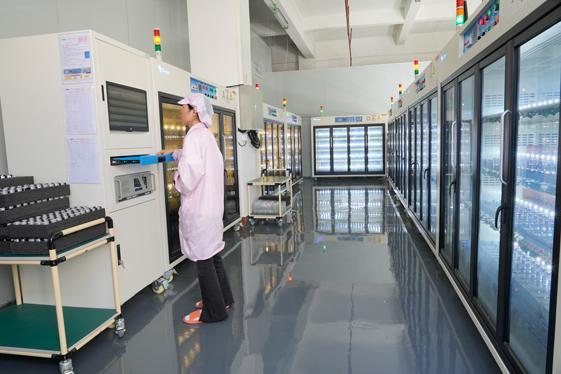
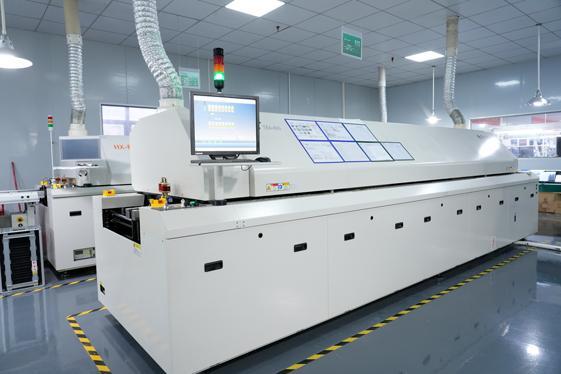
Key manufacturing features of the Factory 4.0 framework include:
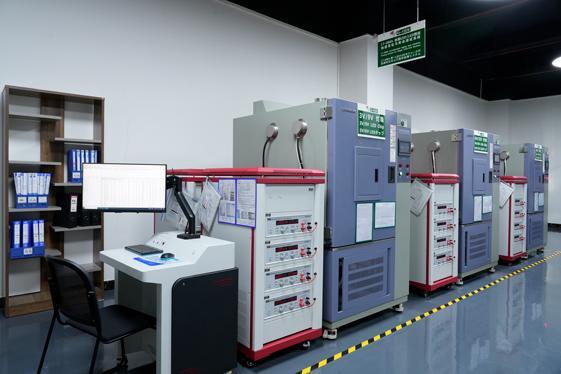
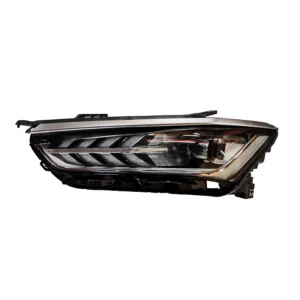
This level of control ensures that our products, from standard replacement bulbs to complex adaptive projector headlights, maintain stable performance from the day they leave our shipping docks.
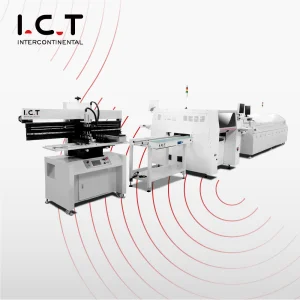
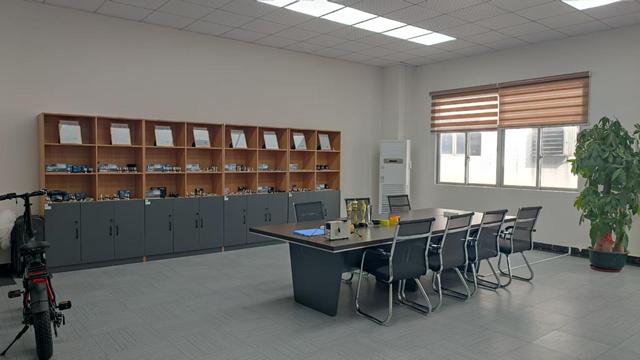
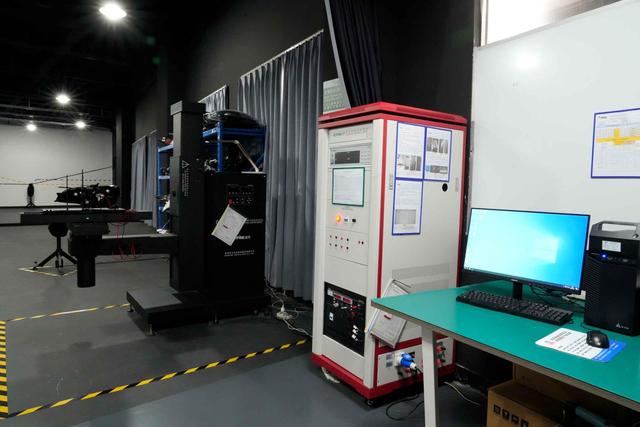
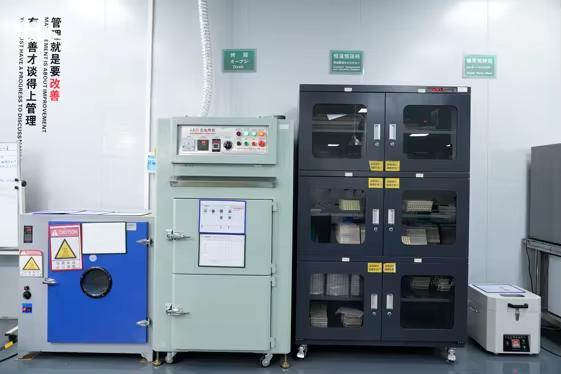
A visual walkthrough of our 18,000㎡ industrial complex in Ningbo, showing automated production lines, testing laboratories, and assembly operations.
Technical details and answers to common integration questions from procurement managers, automotive engineers, and global distributors.
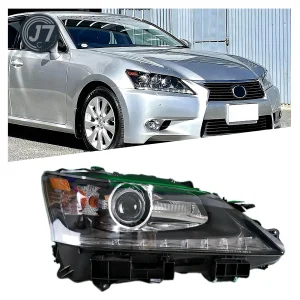
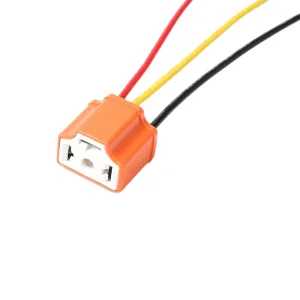
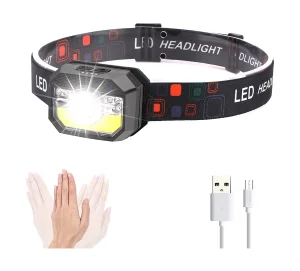
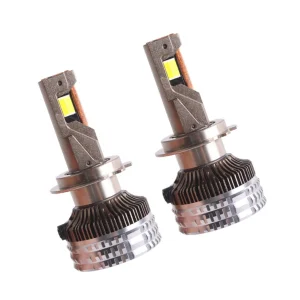
Explore our secondary catalog range of replacement headlight assemblies, high-power retrofits, wiring solutions, and custom component components.
 DERT Lighting