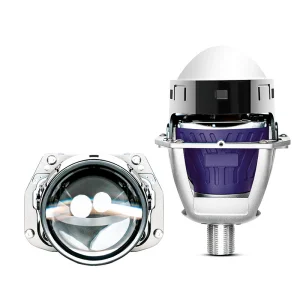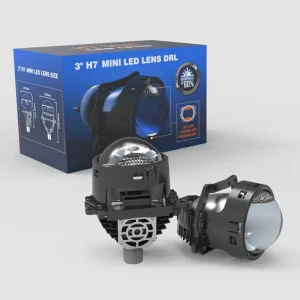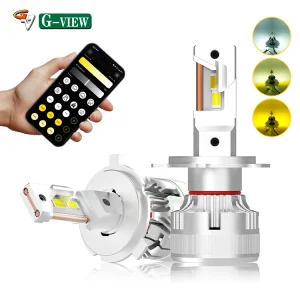
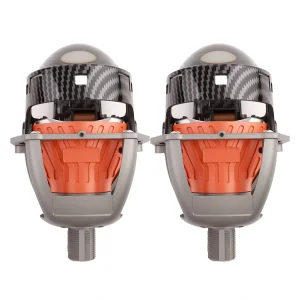
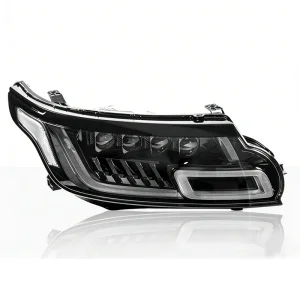
Houston, as a crucial logistics and industrial hub for the United States, poses unique challenges for automotive lighting. The combination of dense highway networks (such as I-45, I-10, and the Sam Houston Tollway), heavy freight corridors linking the Port of Houston, and sudden, severe weather events (including Gulf-coast downpours and low-visibility fog) demands advanced optical illumination. Traditional headlight technologies—often confined to static high and low beams—frequently fail to deliver optimal visibility without blinding oncoming drivers or logistics personnel.
Adaptive Driving Beam (ADB) technology directly addresses these local challenges. Unlike conventional systems, ADB dynamically shapes the vehicle's high beam to shade out areas where other road users are detected. This allows drivers in the greater Houston area to maintain maximum forward illumination and pedestrian detection capabilities along dark suburban segments and high-speed cargo lanes. For logistics companies operating Class 8 trucks and commercial vans across the state, implementing OEM-grade adaptive lighting significantly reduces night-time collision risks, helps manage driver fatigue, and enhances vehicle uptime.
Information Gain: Localized Application Focus
Houston's humid subtropical climate and vast industrial sectors demand specialized lighting solutions. ADB systems deployed in this region must feature robust IP67/IP6K9K moisture barriers and superior thermal management systems (such as high-speed cooling fans and optimized aluminum heat sinks) to withstand sustained summer temperatures exceeding 100°F (38°C) while maintaining continuous peak luminous flux.
To understand the high level of safety and visibility offered by modern vehicular frontlighting, it is essential to distinguish between the two primary technical paradigms: Adaptive Frontlighting Systems (AFS) and Adaptive Driving Beam (ADB).
Adaptive Frontlighting System (AFS): AFS dynamically pivots the low-beam headlights in response to the vehicle's steering angle, speed, and yaw rate. By directing the light path into a curve (dynamic cornering light) or adjusting the beam cutoff based on vehicle pitch, AFS ensures that blind spots during sharp turns—especially on complex highway ramps—are properly illuminated.
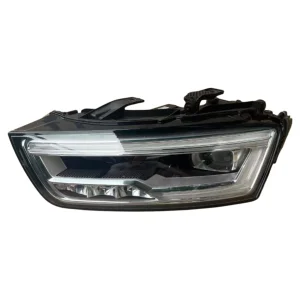
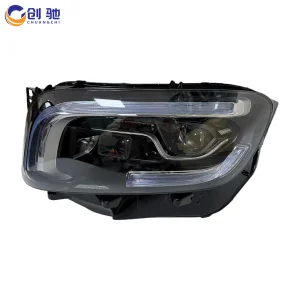
Adaptive Driving Beam (ADB) / Matrix LED: ADB is a far more advanced, digitized technology. Using input from front-mounted cameras, radar sensors, and advanced image processors, ADB divides the high beam into dozens or hundreds of individual addressable pixels (matrix elements). When the camera detects the headlamps of an oncoming vehicle or the tail lamps of a vehicle ahead, the system shuts down or dims only the specific LED segments projecting light onto those vehicles. The surrounding area remains illuminated with full high-beam power, preserving safety margins and improving the visibility of pedestrians, wildlife, and road hazards.
When sourcing high-performance ADB and vehicle lighting components, procurement managers in Houston and worldwide look to established, vertically integrated manufacturers. Ningbo DERT Lighting Co., Ltd. is a major manufacturer in this sector, providing robust supply chain solutions that balance cost efficiency, advanced R&D, and reliable quality assurance.
Established in 2012, Ningbo DERT Lighting Co., Ltd. is a professional manufacturer specializing in automotive lighting systems, LED headlights, and vehicle lighting solutions for global automotive aftermarket and OEM customers. Located in Ningbo, Zhejiang Province, China, the company operates a modern production facility covering approximately 18,000 square meters and employs more than 320 skilled professionals across engineering, manufacturing, quality assurance, research and development, and international sales departments.
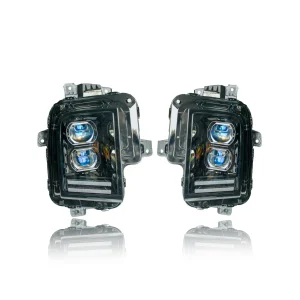
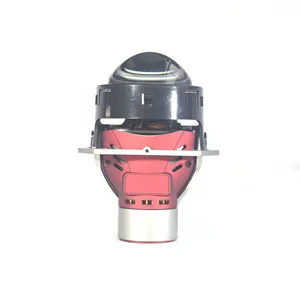
DERT Lighting focuses on the design, development, and production of automotive lighting products, including LED headlight systems, vehicle lighting assemblies, signal lighting solutions, commercial vehicle lighting products, off-road lighting systems, and customized automotive illumination technologies. The company serves automotive brands, distributors, wholesalers, importers, fleet operators, and aftermarket suppliers across international markets.
OEM and ODM Customization Capabilities
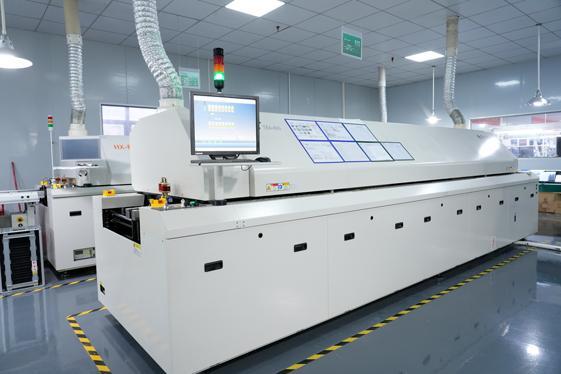
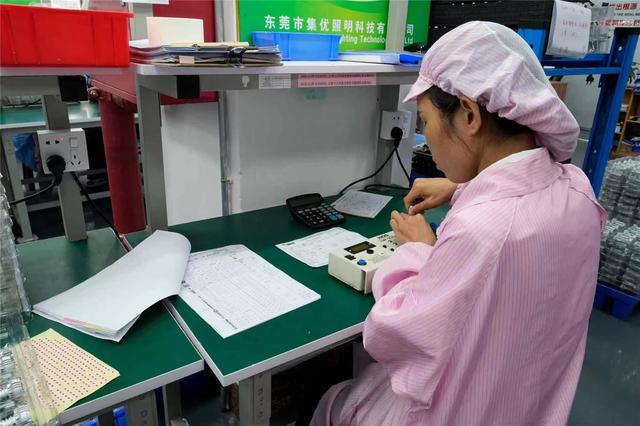
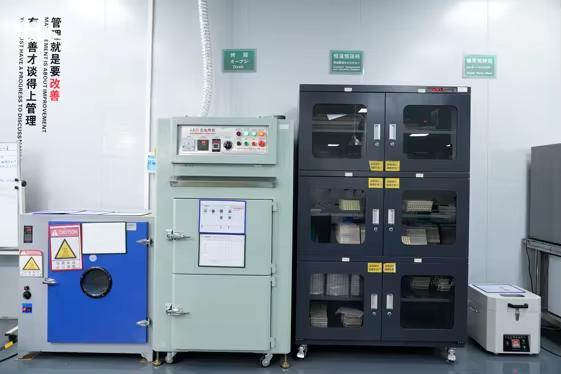
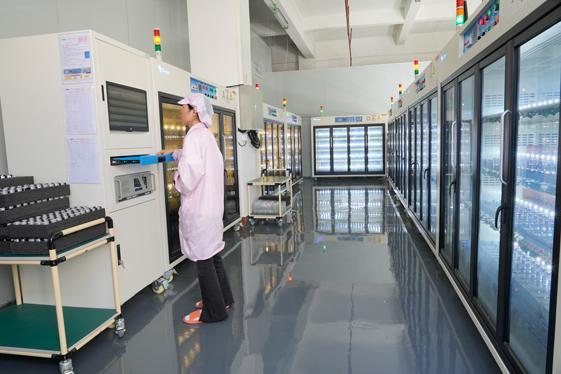
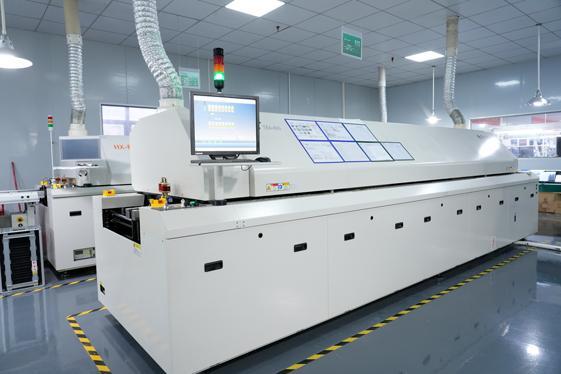
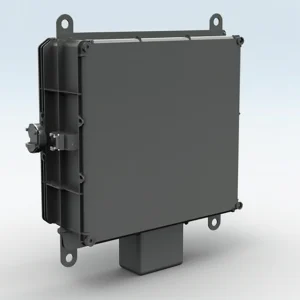
Supported by an experienced engineering team, DERT Lighting continuously invests in product innovation, optical design, thermal management technologies, electronic control systems, and manufacturing automation. The company integrates advanced production equipment, automated assembly lines, precision testing instruments, and standardized manufacturing processes to support consistent product quality and production efficiency.
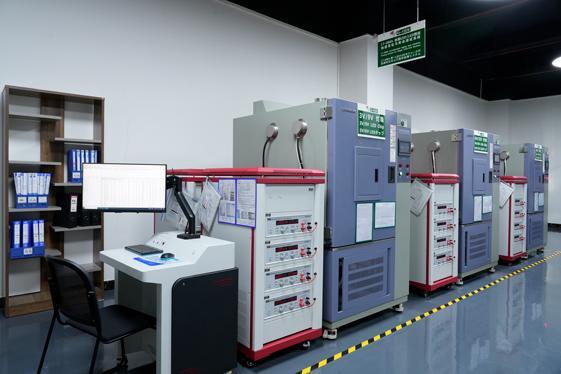
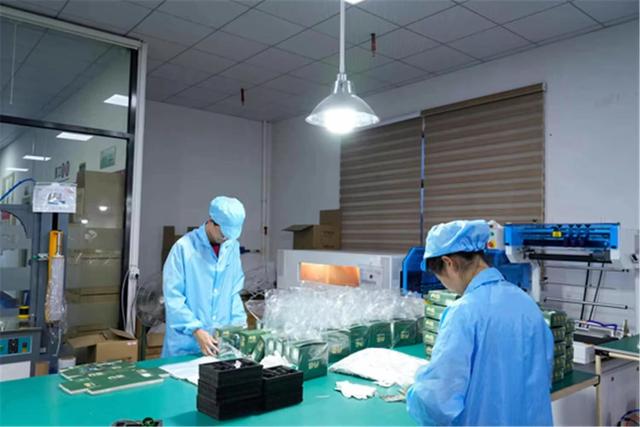
Quality management is implemented throughout every stage of production, from raw material sourcing and component inspection to assembly, performance testing, durability evaluation, and final quality verification. The company strives to manufacture automotive lighting products that meet the performance, reliability, and regulatory requirements of diverse international markets.
In addition to standard product manufacturing, DERT Lighting provides comprehensive OEM and ODM services, including product development, branding support, customized specifications, packaging solutions, and private-label manufacturing programs. Flexible production capabilities allow the company to support both emerging automotive brands and established industry partners.
Today, Ningbo DERT Lighting Co., Ltd. exports products to North America, Europe, South America, Southeast Asia, the Middle East, and other global regions, delivering reliable automotive lighting solutions for a rapidly evolving mobility market.
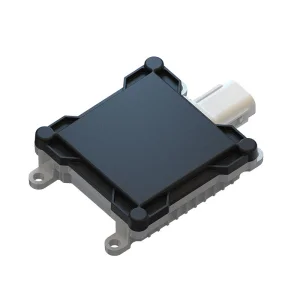
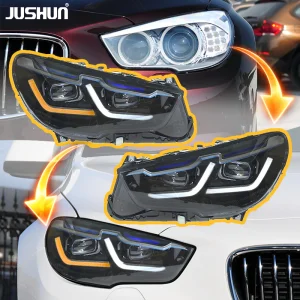
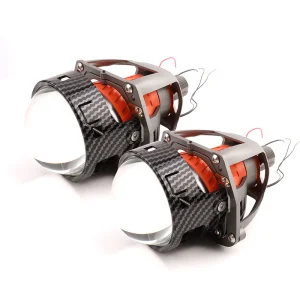
The automotive lighting industry is undergoing rapid digital integration. As vehicles move toward higher levels of autonomy, the role of frontlighting is shifting from passive road illumination to active communication and environmental scanning.
For distributors, retrofit workshops, and commercial fleet operators in the United States—particularly in Texas—compliance with regulatory standards is a key consideration. In February 2022, the National Highway Traffic Safety Administration (NHTSA) updated the Federal Motor Vehicle Safety Standard No. 108 (FMVSS 108) to permit the use of Adaptive Driving Beam systems on passenger cars and light trucks.
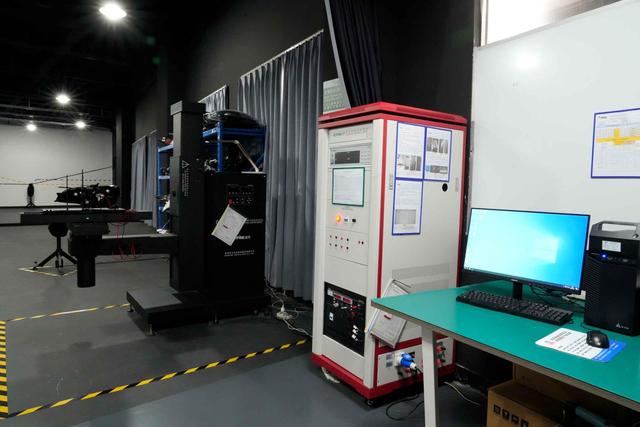
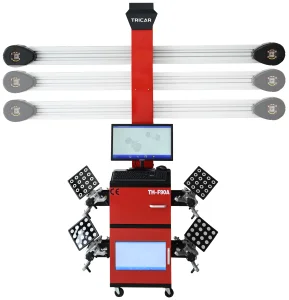
This regulatory milestone has changed procurement requirements. Sourced ADB systems must satisfy strict testing criteria, including specific cutoff angles, response speeds to oncoming glare, and photometric limits across multiple measurement points. Ningbo DERT Lighting's production lines employ precise calibration benches and goniophotometers to ensure that products shipped to North American buyers comply with DOT and SAE guidelines, offering plug-and-play installation without compromising legal standards.
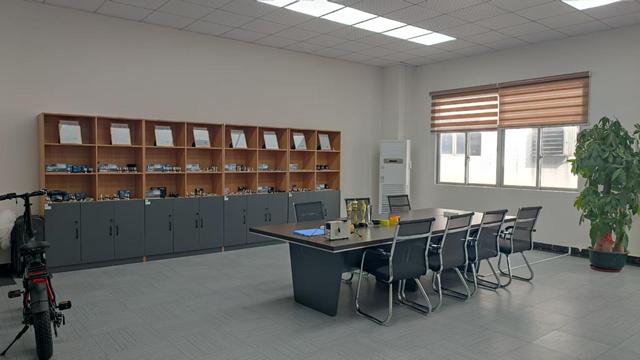
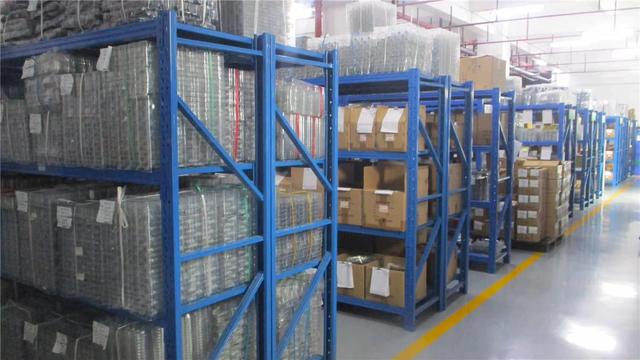
A look at our production capacity, automated SMT lines, cleanroom assembly zones, and rigorous optical/environmental quality inspection processes.
 DERT Lighting