Explore our core engineering capabilities configured for Tier-1 automotive integrators, local assemblers in the Mexico City industrial cluster, and global OEM/ODM sourcing entities.
The global automotive supply chain is undergoing a structural transformation. With nearshoring rising as the defining theme of the North American manufacturing renaissance, Mexico, and specifically the Mexico City Metropolitan Area (including the State of Mexico / Edomex), has solidified its status as an indispensable industrial nerve center. Positioned strategically to serve both localized light vehicle production plants and massive logistics channels heading north, Mexico City presents a unique matrix of logistical advantages, trade agreement benefits under the USMCA, and mature manufacturing corridors.
Factories operating within or adjacent to Mexico City enjoy seamless connectivity via key Federal Highway networks (such as Highway 57D and 150D) linking them directly to the Bajío automotive corridor (Querétaro, Guanajuato, San Luis Potosí) and onwards to the US-Mexico border crossing points at Laredo and El Paso. The presence of major intermodal rail terminals and close proximity to domestic air cargo corridors allow automotive lighting suppliers to guarantee JIT (Just-in-Time) delivery to Tier-1 system integrators across the continent.
Under the United States-Mexico-Canada Agreement (USMCA), the Regional Value Content (RVC) threshold for passenger vehicles has stepped up to 75%. This regulatory framework places extreme pressure on automotive lighting component manufacturers to establish localization strategies. By integrating local plastic injection molding, precision aluminum die-casting, and optical component assembly lines in Mexico City, manufacturers ensure their clients bypass punitive tariffs and seamlessly qualify for duty-free importation into the US and Canada.
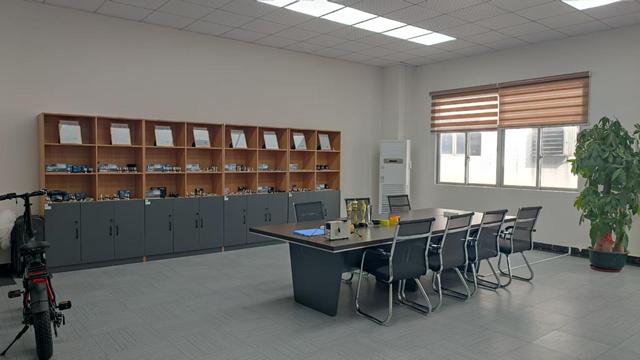
Automotive lighting has transcended its traditional role of basic night-time illumination to become the core driver of vehicle aesthetics, brand identity, and safety automation. Modern platforms demand cutting-edge design languages combined with high thermal performance.
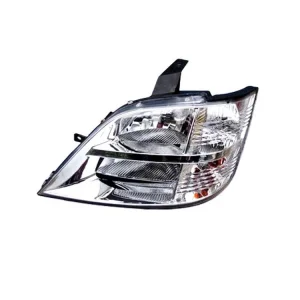
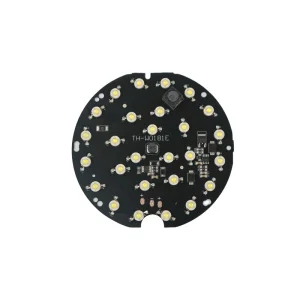
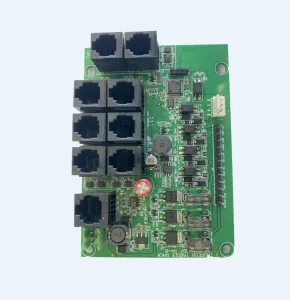
The standard headlights are giving way to intelligent Matrix LED modules and ADB systems that selectively dim sections of the beam pattern to prevent glare for oncoming drivers while maximizing high-beam coverage. Our manufacturing lines integrate specialized silicon LED arrays and sub-millimeter PCBA placements to enable digital headlight control.
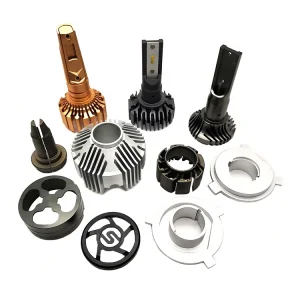
LEDs, while highly efficient, dissipate significant localized heat. Thermal management is critical to prevent luminous decay and component failure. Our manufacturing processes utilize die-cast A380/ADC12 aluminum alloy heat sinks, combined with high-conductivity thermal interfaces (TIM) and metal-core PCBs (MCPCB), ensuring reliable heat dissipation in challenging environmental conditions.
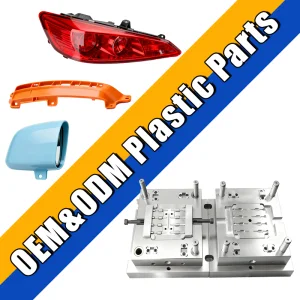
Using optical-grade PMMA (Polymethyl Methacrylate) and Polycarbonate (PC), we produce flawless outer lenses and light guides. The injection molding process requires tight climate control and cleanroom settings to prevent micro-contamination, air bubbles, and thermal stress marks, ensuring maximum optical transmittance and light distribution uniformity.
| Lighting Component Class | Primary Material System | Manufacturing Technology | Regulatory Specification |
|---|---|---|---|
| Outer Headlamp Lens Cover | Polycarbonate (PC) + Anti-UV Hard Coating | Precision Optical Injection Molding | FMVSS 108 / ECE Reg 112 | LED Module Substrate | Metal Core PCB (Al / Cu Base MCPCB) | High-Speed SMT & Reflow Soldering | IPC-A-610 Class 3 / IATF 16949 |
| Integrated Heat Sink Housing | Aluminum Alloy (ADC12 / A380) | High-Pressure Custom Die Casting | ASTM B85 / SAE J452 |
| Ambient Light Guides & Guides | Optical PMMA / Polycarbonate | Multi-shot Injection / Extrusion Molding | SAE J576 (Weatherability) |
By pairing the manufacturing intelligence of China's primary industrial zones with the localized final assembly, warehouse management, and close-to-market advantages of Mexico City, we offer a hybrid global supply chain model. This configuration guarantees unmatched cost efficiency, scale, and supply chain resilience.
Ningbo DERT Lighting Co., Ltd. (established in 2012) serves as the high-precision upstream engineering nucleus of this global operations network. Located in Ningbo, Zhejiang Province, China, the modern production facility spans 18,000 square meters and houses over 320 skilled professionals across specialized engineering, advanced manufacturing, quality assurance, and international sales departments.
DERT Lighting focuses deeply on the design, development, and production of automotive lighting products, including LED headlight systems, vehicle lighting assemblies, signal lighting solutions, commercial vehicle lighting products, off-road lighting systems, and customized automotive illumination technologies. The company serves automotive brands, distributors, wholesalers, importers, fleet operators, and aftermarket suppliers across international markets.
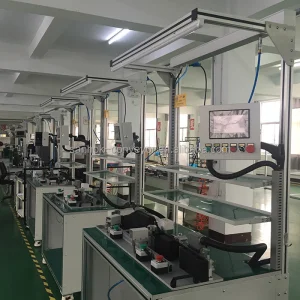
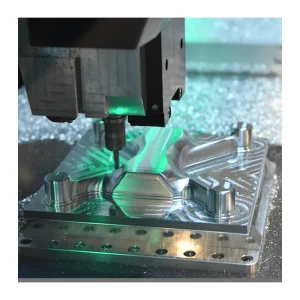
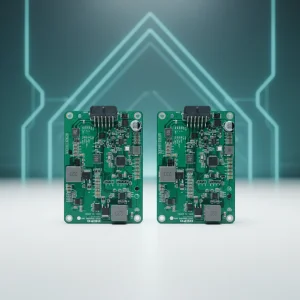
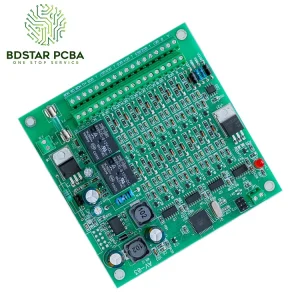
By leveraging this extensive manufacturing infrastructure in Ningbo, we can rapidly construct high-precision steel tooling, execute complex PCB assemblies (PCBA), and run automated component manufacturing cycles. These semi-finished structures and critical sub-assemblies are then routed to regional partners and warehouses in industrial hubs near Mexico City, supporting Tier-1 logistics with localized packaging, assembly configuration, and rapid technical support.
Automotive components must endure extreme environments, electrical fluctuations, and strict regulatory enforcement. Operating at the Tier-1 level requires comprehensive compliance, traceability, and logistics fail-safes.
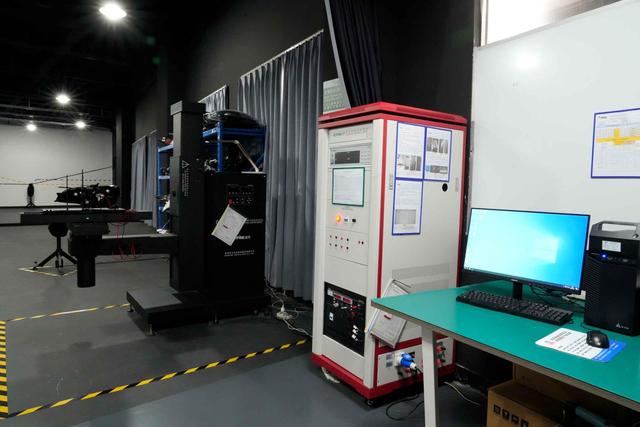
Our manufacturing and engineering practices strictly align with **IATF 16949:2016** (Automotive Quality Management System). Every batch of LED assemblies, die-cast brackets, and injection-molded outer shells undergoes APQP (Advanced Product Quality Planning) protocols, PPAP (Production Part Approval Process) submissions, and rigorous FMEA (Failure Mode and Effects Analysis) documentation.
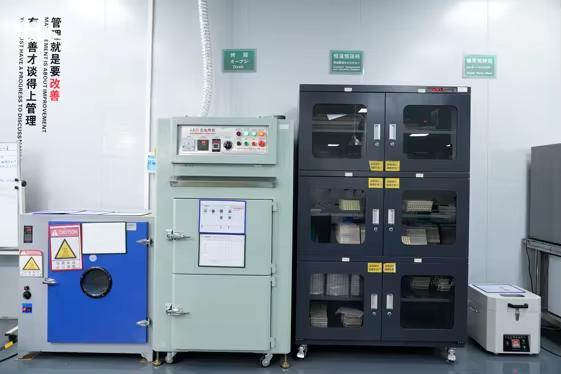
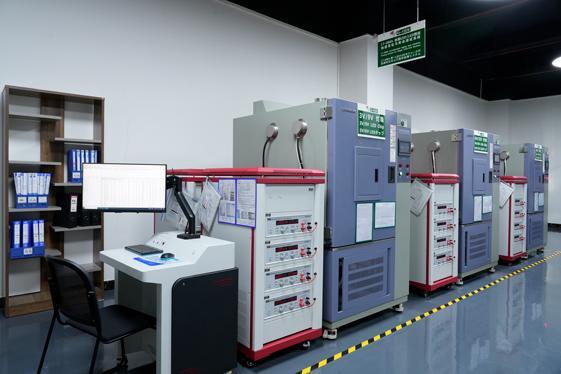
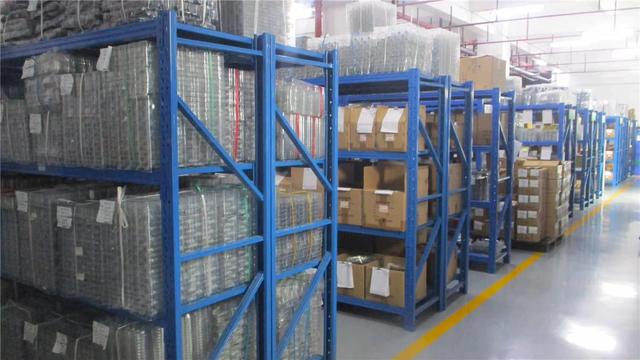
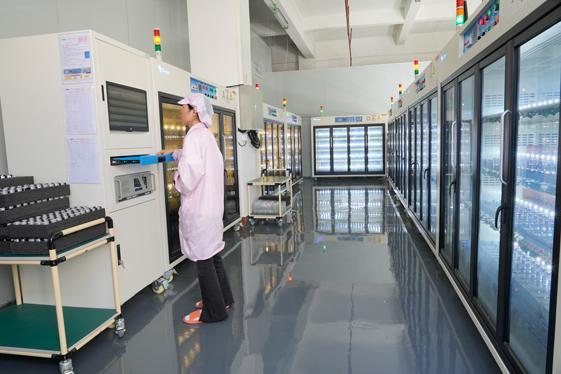
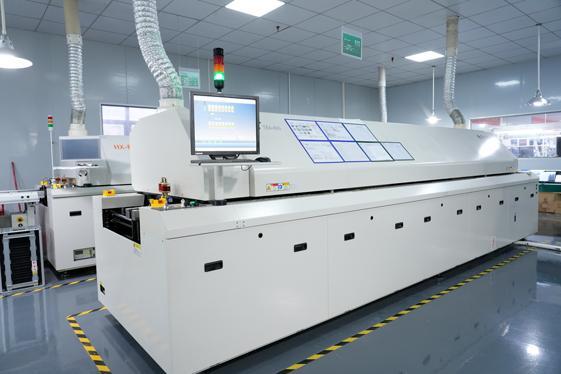
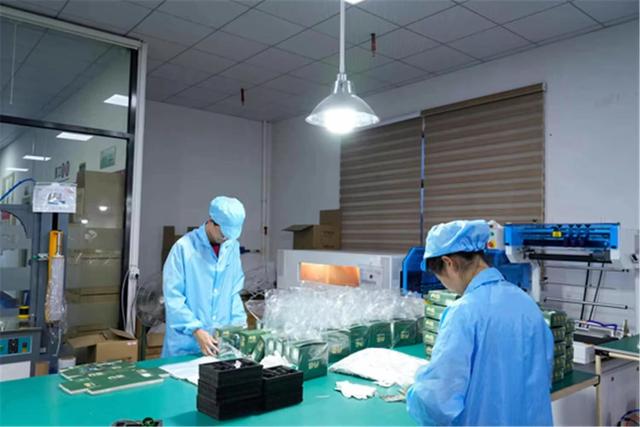
Step inside our integrated production facilities. From initial design prototypes and optical simulations to massive plastic injection molding and heavy-tonnage aluminum die-casting machines, our infrastructure is built to support scale.
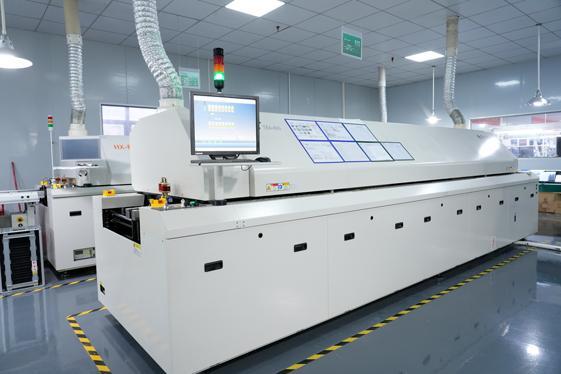
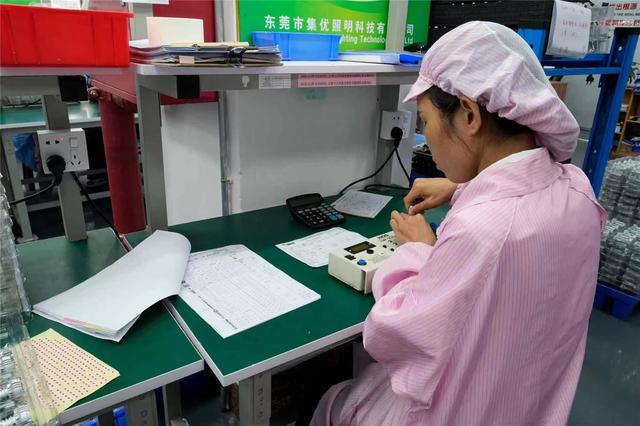
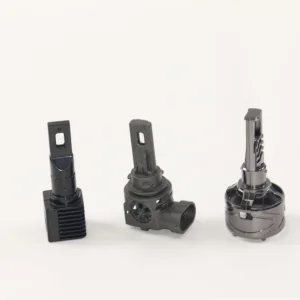
Discover our complete selection of custom parts, raw materials processing services, and automated assembly solutions designed to optimize your production lines.
Find technical answers to critical procurement, production, compliance, and nearshoring logistics questions below.
 DERT Lighting