Precision-engineered optical components and production assemblies designed to meet Paris metropolitan area commercial standards.
The Greater Paris region (Île-de-France) stands as the intellectual and administrative center of European transport engineering, hosting major OEM design offices, engineering consortia, and innovation hubs. As the metropolitan area shifts towards zero-emission targets, smart cities, and enhanced pedestrian safety frameworks, automotive lighting technology has evolved from a functional signaling utility to a primary safety asset and unique design signature.
Exporting automotive lighting components to French Tier-1 clients demands strict adherence to the **ECE Regulations** managed by the United Nations Economic Commission for Europe. Requirements for luminous flux, color coordinates (e.g., specific chromatic limits for selective-yellow historic exemptions and modern pure white output), and thermal stability are closely monitored. Ningbo DERT Lighting provides products certified to meet ECE R112 (Headlamps), R128 (LED light sources), and R48 (Installation of lighting devices) specifications, ensuring frictionless integration into European automotive assembly chains.
Translating conceptual styling from Parisian design houses into high-volume, compliant automotive products.
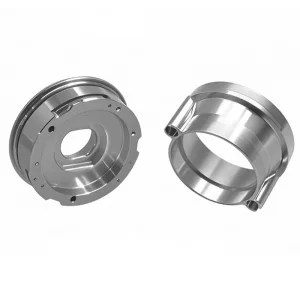
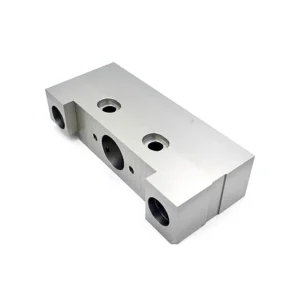
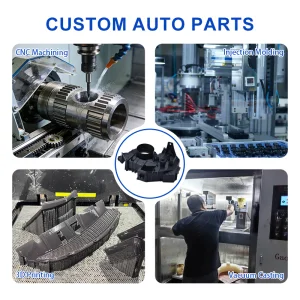
Our state-of-the-art facility uses multi-axis CNC milling to produce optical prototypes from PMMA and Polycarbonate (PC) with tolerances between 0.01mm and 0.05mm, ensuring light path refraction matches CAD models.
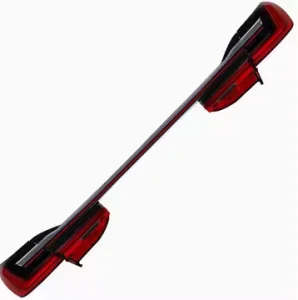
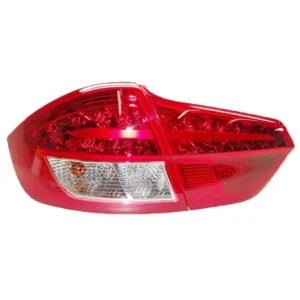
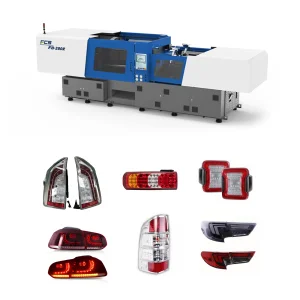
Operating heavy-duty 280-ton co-injection systems for multi-color taillight lenses (red, amber, clear) to ensure seamless structural cohesion, high optical transmission, and zero moisture ingress.
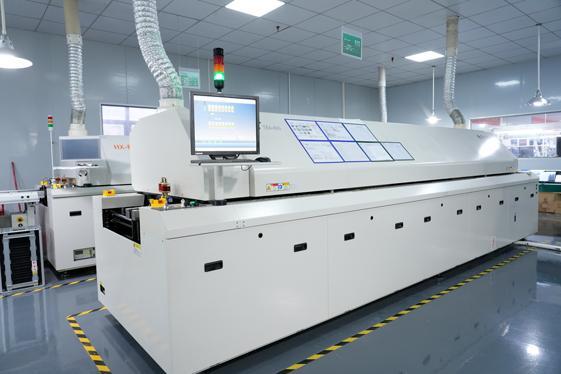
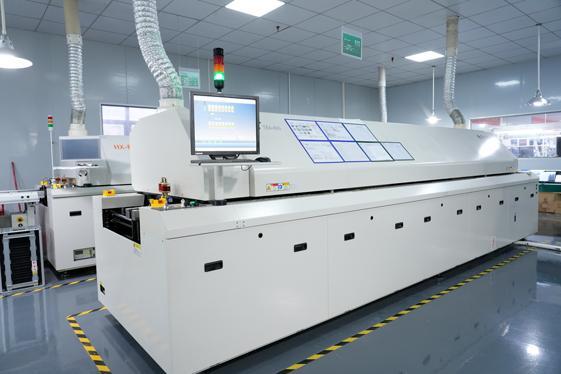
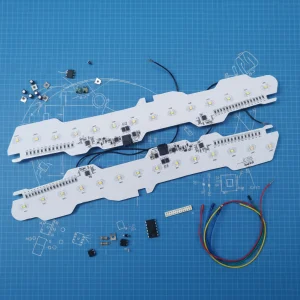
In-house SMT lines dedicated to fabricating LED driver assemblies (PCBA) with advanced thermal dissipation pathways, voltage stabilization, and built-in CAN-bus decoders to eliminate dashboard error codes.
Established in 2012, Ningbo DERT Lighting Co., Ltd. is a professional manufacturer specializing in automotive lighting systems, LED headlights, and vehicle lighting solutions for global aftermarket and OEM customers.
Operating a modern 18,000 square meter facility in Ningbo, Zhejiang Province, we employ over 320 skilled professionals. Our strategic location near the deepwater Port of Ningbo allows us to establish streamlined shipping lanes to Le Havre and Northern French logistics corridors, reducing transit delays for our Paris clientele.
From initial design evaluation through mold manufacturing, dual-color injection, automated SMT board placement, and photometric testing, we handle the complete production chain. This vertical integration keeps our products cost-competitive while maintaining high quality standards.
Reducing lead times and optimizing logistics for Tier-1 suppliers and aftermarket distributors in France.
Our logistics team coordinates daily dispatches from Ningbo-Zhoushan Port, providing direct container shipping (FCL/LCL) to the Port of Le Havre. From Le Havre, feeder vessels and dedicated road freight transport components to warehouse hubs in Gennevilliers and Bonneuil-sur-Marne in the Greater Paris region within 48 hours of port discharge.
For urgent developmental projects or production line requirements, we use the Yiwu-London rail link (passing through Paris logistics terminals) or air cargo routes from Shanghai Pudong (PVG) directly to Paris Charles de Gaulle (CDG), reducing delivery times to under 7 days.
We supply complete documentation packages—including Certificates of Origin, CE declarations, E-Mark approvals, test reports, and packing lists with HS code designations—to ensure smooth clearance through French customs. By working with established European customs brokers, we help our clients avoid unnecessary delays and clear VAT/EORI procedures efficiently.
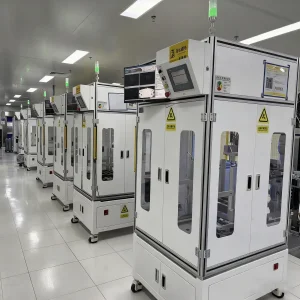
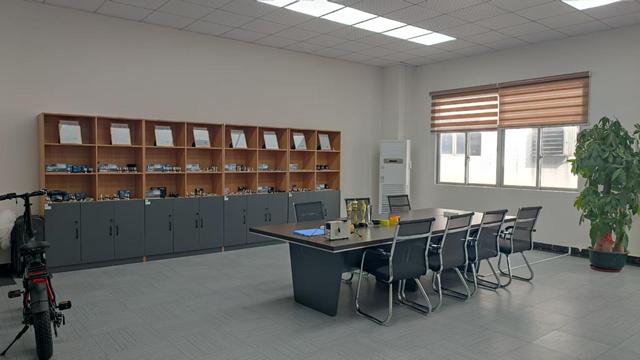
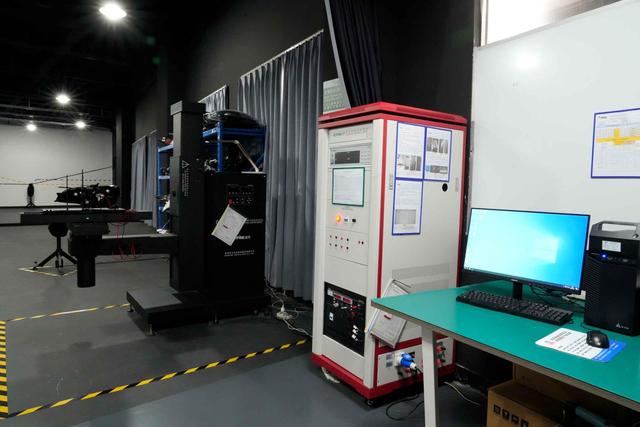
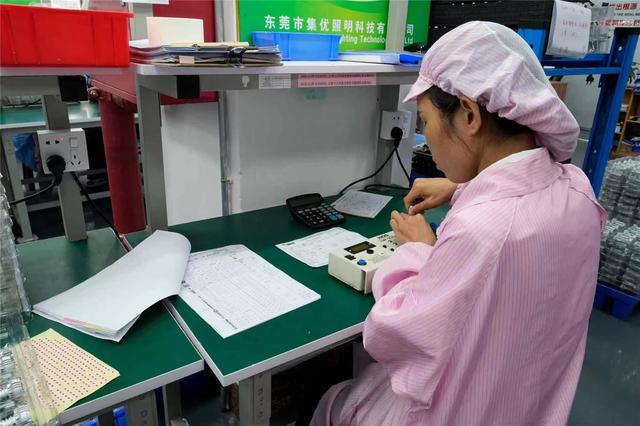
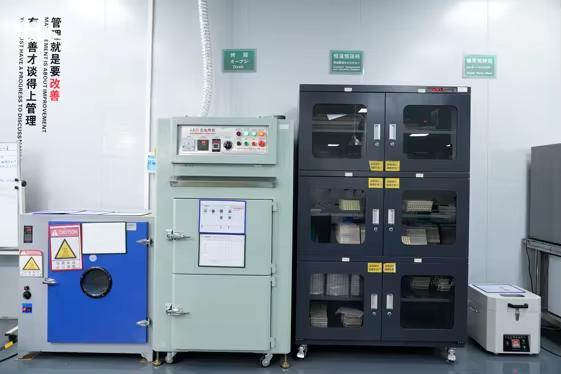
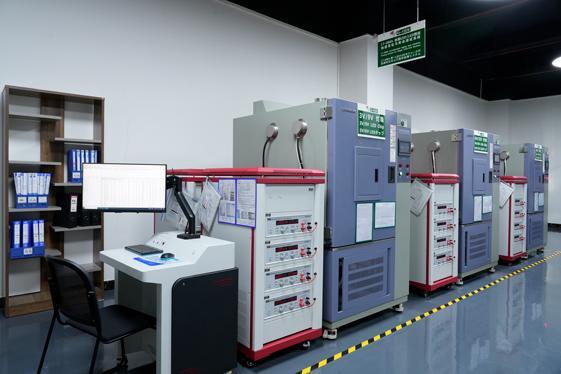
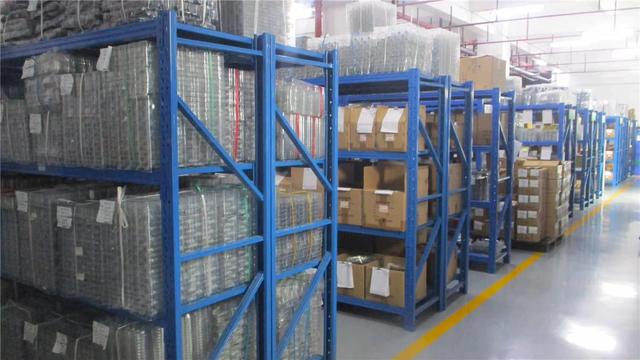
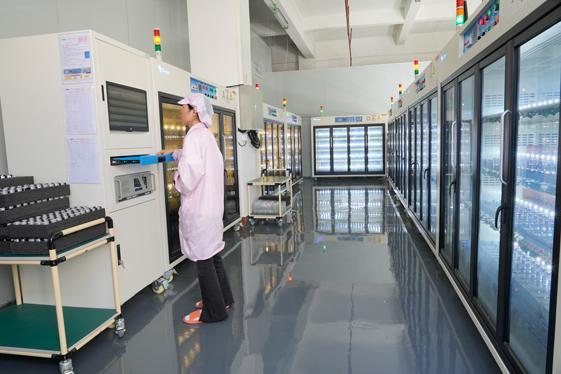
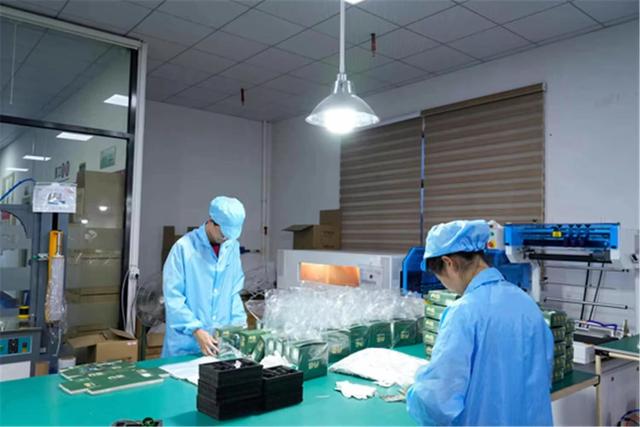
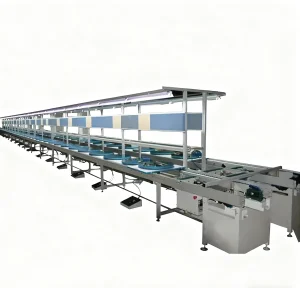
Inside our Ningbo-based factory: automated manufacturing lines, quality control, and testing laboratories.
Meeting the demands of electric powertrains and autonomous driving architectures.
Electric vehicles lack engine waste heat to clear ice and condensation from headlights. We design housings with custom heating elements and integrated ventilation vents to maintain optical clarity in cold weather.
Our engineering team designs matrix LED modules that interface with onboard vehicle cameras, dynamically dimming individual sectors to prevent glare for oncoming drivers while keeping the road ahead fully illuminated.
To align with European end-of-life vehicle (ELV) directives, we focus on utilizing recyclable PMMA and polycarbonate resins, alongside lead-free soldering processes, to reduce environmental impact.
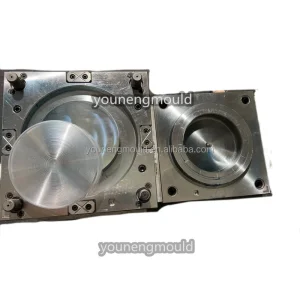
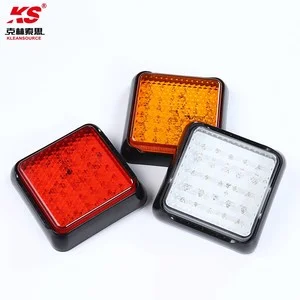
From raw CNC prototypes and custom molds to finished aftermarket assemblies, explore our full manufacturing capabilities.
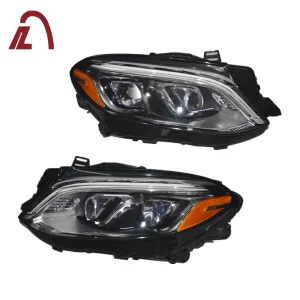
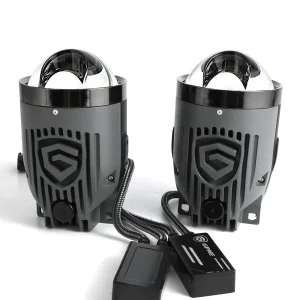
Key information on compliance, customization, lead times, and logistics for French importers.
We design and test our automotive lighting systems to meet UNECE standards. We coordinate with accredited laboratories (such as TÜV Rheinland, SGS, or UTAC in France) to perform formal photometric and EMC testing, helping our clients secure the necessary E-Mark certification for European roads.
For custom automotive headlight injection molds (such as multi-color housings), the design and manufacturing cycle typically ranges from 45 to 60 days. This includes initial flow simulations, precision machining, trial runs, and sample verification before shipping.
Yes. We specialize in precision CNC milling of PMMA and Polycarbonate (PC) prototypes. We maintain strict manufacturing tolerances between 0.01mm and 0.05mm, which preserves the required light transmission and refraction indexes for optical validation.
We offer multiple shipping options, including sea freight from Ningbo to Le Havre, rail freight via the New Silk Road, and air cargo to Paris CDG. We provide complete documentation (commercial invoices, packing lists, CE declarations, and HS codes) to ensure efficient customs clearance.
Yes, our LED headlight assemblies feature custom-designed driver PCB boards (PCBA). These boards include voltage stabilizers, thermal management controls, and CAN-bus decoders to ensure compatibility with European vehicle electronics.
We maintain ISO 9001 certified manufacturing facilities. Quality control procedures are integrated into every stage of production, from inspecting incoming raw materials to automated optical inspection (AOI) for PCBs, photometric testing, and final environmental chamber checks.
 DERT Lighting