As the epicenter of software-defined vehicles, autonomous driving networks, and advanced electric vehicle (EV) engineering, the San Francisco Bay Area demands an entirely reimagined paradigm for automotive lighting systems. Once viewed merely as safety devices to project raw lumens onto the asphalt, headlights and taillights have transitioned into smart optical nodes that communicate with artificial intelligence, sensors, and pedestrians. High-precision manufacturing, combined with advanced material sciences, has become critical for Tier 1 and Tier 2 suppliers servicing OEMs across Silicon Valley and Northern California.
Modern headlights designed for autonomous vehicle fleets operating in San Francisco must incorporate LiDAR units, radar transceivers, and high-resolution optical cameras directly into the lamp cluster assembly without compromising optical clarity or thermal dissipation.
San Francisco’s unique atmospheric conditions, including dense marine layer fog, require precise color temperature switching. Dynamic tri-color LED assemblies (6000K daylight to 3000K amber) maximize light penetration and reduce glare-back under low-visibility conditions.
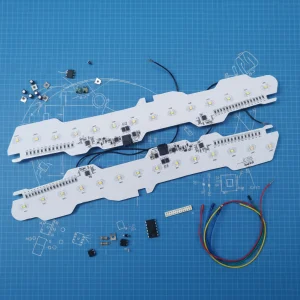
As regulatory frameworks align with federal standards, ADB systems using high-density micro-LED matrix boards allow vehicles to shade oncoming traffic dynamically while keeping high beams illuminated, protecting pedestrians and surrounding traffic.
To address these technological challenges, San Francisco-based automotive design studios and engineering teams must link with highly competent, agile manufacturing partners. Fast prototyping processes (e.g., high-tolerance PMMA milling) and structural plastics molding form the bedrock of rapid validation cycles. Our specialized manufacturing lines bridge the gap between initial optical simulation models in the San Francisco Bay Area and high-volume, standard-compliant automotive components manufactured globally.
Achieving reliable optical output in solid-state lighting assemblies requires deep understanding of structural materials, PCB physics, and mechanical tolerances. From initial rapid prototyping using PMMA (Polymethyl Methacrylate) block-milling to mass-scale multi-color injection molding, each stage requires precise control. Below is the technical roadmap for high-performance automotive illumination structures:
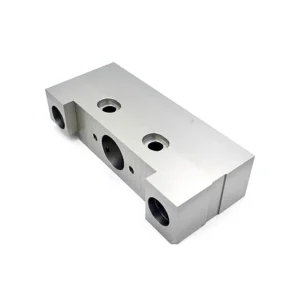
Before investing in high-volume hard tooling, engineering teams in San Francisco rely on precision-milled PMMA prototypes. Standard optical lenses demand tolerances down to the range of 0.01mm to 0.05mm to prevent refractive aberration. Through advanced multi-axis CNC machines, engineers can test light guide efficiency, internal reflection performance, and light pipe illumination spread patterns directly in simulated environmental Chambers.
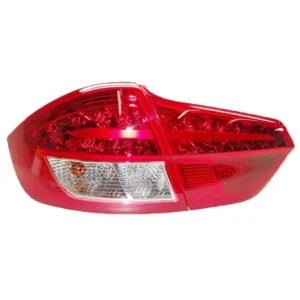
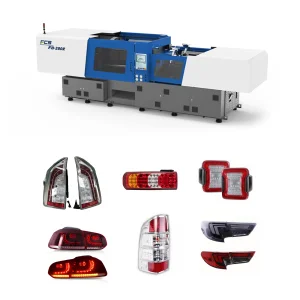
Modern rear-light assemblies require multi-color lenses (typically red, amber, and clear PMMA or Polycarbonate). Performing this process at scale requires specialized double-shot injection molding machines (such as 280-ton precision rotary systems). This ensures the structural integrity of the seal, preventing any moisture or particulate ingress (conforming to IP67/IP69K sealing standards).
Automotive LED chips produce intense heat locally. Without thermal management, chip degradation, color shifts, and premature failures occur. Using metal-core PCBs (MCPCB), aluminum substrates, and high-frequency power management drivers (optimized to eliminate electromagnetic interference with vehicle radar and CAN bus systems), we ensure operation under temperatures from -40°C up to +105°C.
Established in 2012, Ningbo DERT Lighting Co., Ltd. is a professional manufacturer specializing in automotive lighting systems, LED headlights, and vehicle lighting solutions for global automotive aftermarket and OEM customers. Located in Ningbo, Zhejiang Province, China, the company operates a modern production facility covering approximately 18,000 square meters and employs more than 320 skilled professionals across engineering, manufacturing, quality assurance, research and development, and international sales departments.
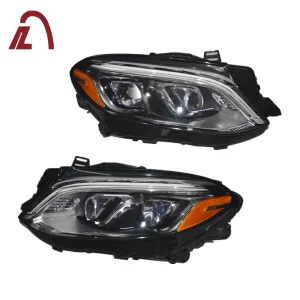
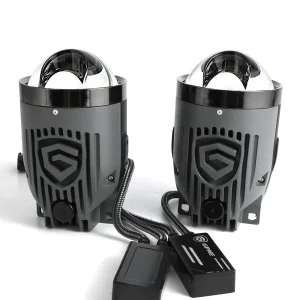
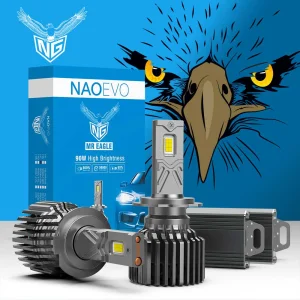
DERT Lighting focuses on the design, development, and production of automotive lighting products, including LED headlight systems, vehicle lighting assemblies, signal lighting solutions, commercial vehicle lighting products, off-road lighting systems, and customized automotive illumination technologies. The company serves automotive brands, distributors, wholesalers, importers, fleet operators, and aftermarket suppliers across international markets.
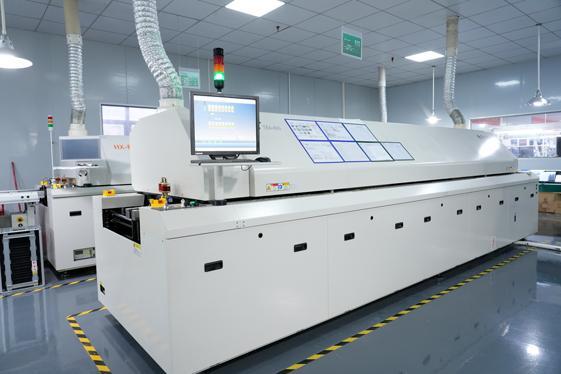
Supported by an experienced engineering team, DERT Lighting continuously invests in product innovation, optical design, thermal management technologies, electronic control systems, and manufacturing automation. The company integrates advanced production equipment, automated assembly lines, precision testing instruments, and standardized manufacturing processes to support consistent product quality and production efficiency.
Quality management is implemented throughout every stage of production, from raw material sourcing and component inspection to assembly, performance testing, durability evaluation, and final quality verification. The company strives to manufacture automotive lighting products that meet the performance, reliability, and regulatory requirements of diverse international markets.
In addition to standard product manufacturing, DERT Lighting provides comprehensive OEM and ODM services, including product development, branding support, customized specifications, packaging solutions, and private-label manufacturing programs. Flexible production capabilities allow the company to support both emerging automotive brands and established industry partners.
Today, Ningbo DERT Lighting Co., Ltd. exports products to North America, Europe, South America, Southeast Asia, the Middle East, and other global regions, delivering reliable automotive lighting solutions for a rapidly evolving mobility market.
To support fast-paced vehicle programs in San Francisco, supply chain resilience is essential. Relying solely on localized, small-scale prototype shops is prohibitively expensive for production scale, while relying on static overseas factories without custom engineering coordination leads to delays. Our model provides the ideal balance:
We analyze optical schematics and structural configurations directly alongside San Francisco-based engineers to optimize wall thickness, draft angles, and gating positions before tooling begins.
By using optimized CAD/CAM processes in our Ningbo facility, we reduce tooling turnaround times for complex light guides and housings from the typical 12-16 weeks down to 6-8 weeks.
All production lines are audited under strict parameters. We assist in generating testing documentation required for FMVSS 108 approvals, reducing regulatory barriers during import.
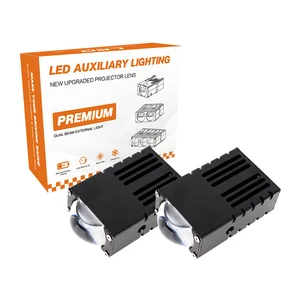
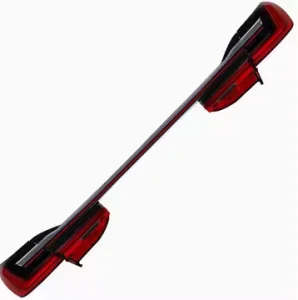
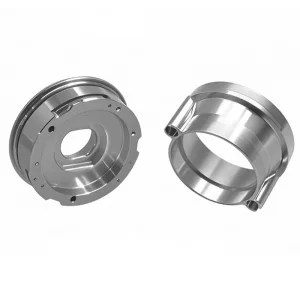
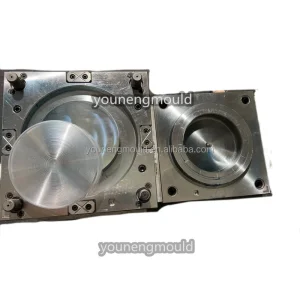
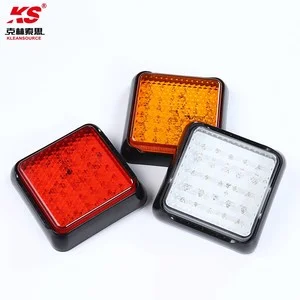
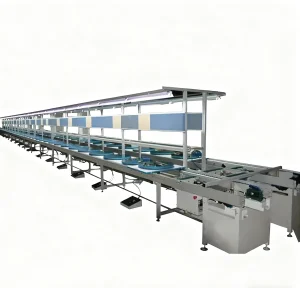
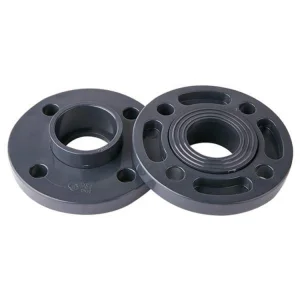
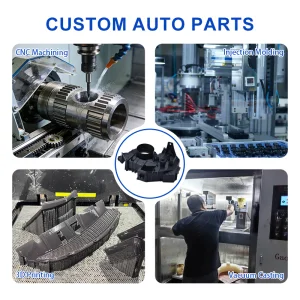
Explore our comprehensive range of custom tooling capabilities, production line configurations, finished LED systems, and precision machining services optimized for West Coast standards:
To address common technical issues during the design, procurement, and testing phases of automotive illumination assemblies, our engineering leads have answered key industry questions below:
San Francisco is characterized by rapid temperature swings, high relative humidity, and significant salt content in the air from the marine boundary layer. Under these conditions, standard optical assemblies can suffer from rapid lens hazing (UV oxidation of polycarbonate) and moisture ingress. To counteract this, we employ hard-coated Polycarbonate with UV-resistant coatings (such as siloxane lacquers) and specify venting membranes (e.g., hydrophobic ePTFE patches) to equalize internal pressure without admitting saline water vapor.
Polymethyl Methacrylate (PMMA) offers superior light transmission (up to 92%) and low birefringence compared to alternative clear resins. It can be machined to extreme tolerances (0.01mm - 0.05mm) using high-speed diamonds cutters. The resulting polished surfaces simulate injection-molded components accurately, allowing optical engineers to evaluate the efficiency of total internal reflection (TIR) before cutting expensive production molds.
Our automated inspection systems monitor three primary categories: electrical characteristics (forward current, reverse voltage, and leakage current), visual alignment (using machine-vision CCD sensors to confirm lens positioning within ±0.1mm), and photometric output (luminous flux, color temperature uniformity, and beam pattern cutoff sharpness). Collecting this data at 30 seconds per component guarantees stable quality profiles for high-volume automotive suppliers.
We provide full Incoterms flexibility (FOB, CIF, DDP) and maintain relationships with experienced customs brokers. By implementing modern Manufacturing Resource Planning (MRP) systems, our factory coordinates with freight forwarders in Ningbo Port (one of the world's largest container shipping hubs) to optimize transit pathways directly to the Port of Oakland or San Francisco International Airport (SFO) for express prototyping shipments.
High-output LED chips experience thermal droop, where light output decreases as junction temperature rises. To prevent this, our PCBA designs utilize Aluminum-clad PCBs, high-conductivity thermal interface materials (TIM), and active driver monitoring. The driver circuit regulates power dynamically using pulse-width modulation (PWM) to protect both the LEDs and surrounding structural plastics from heat damage.
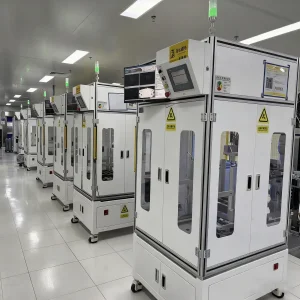
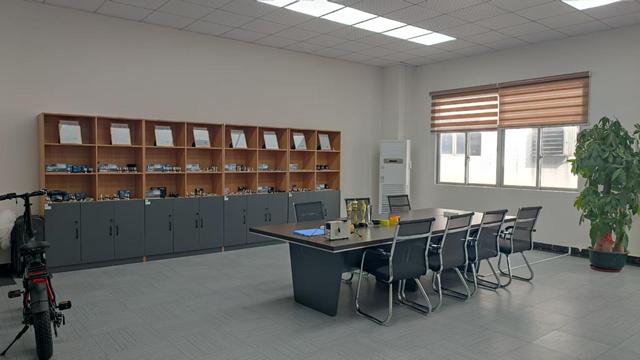
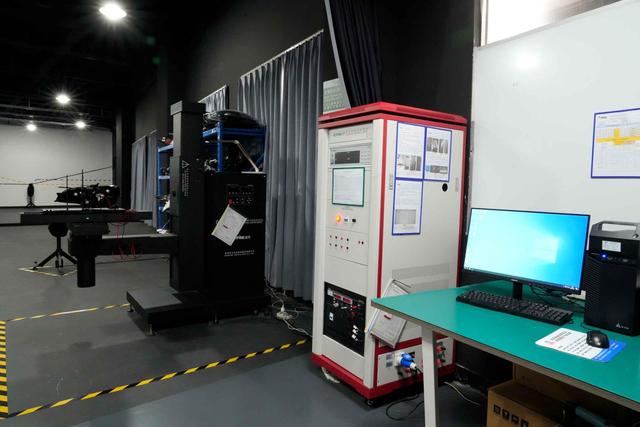
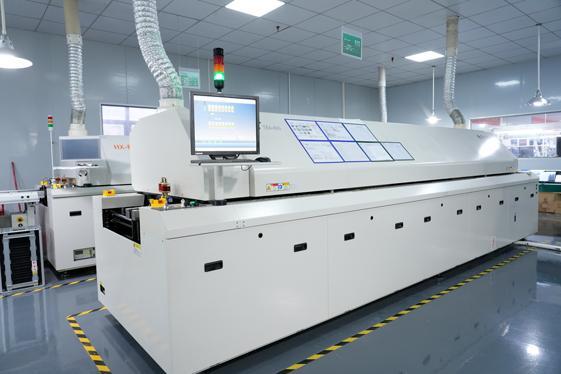
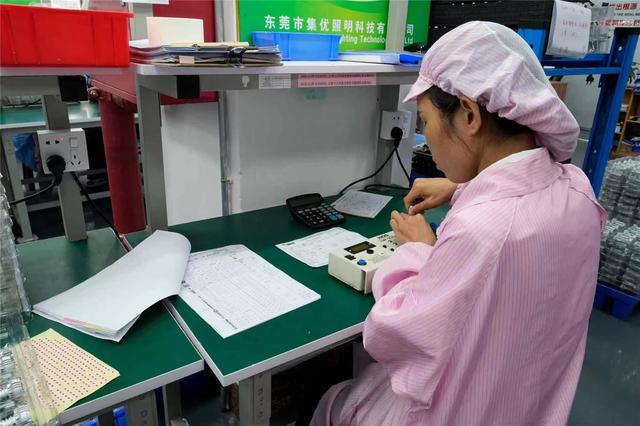
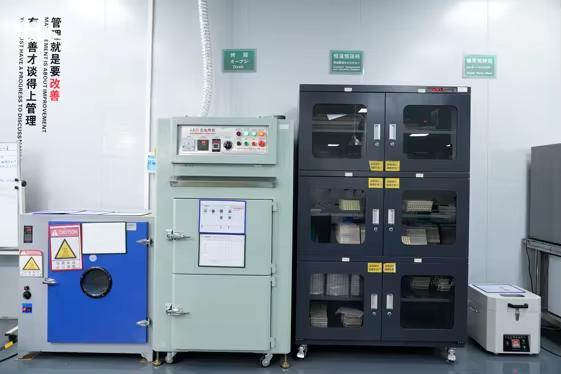
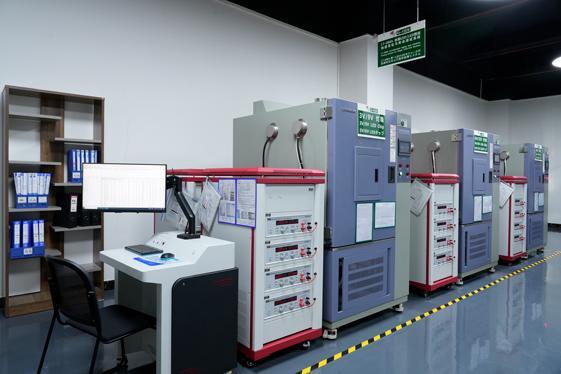
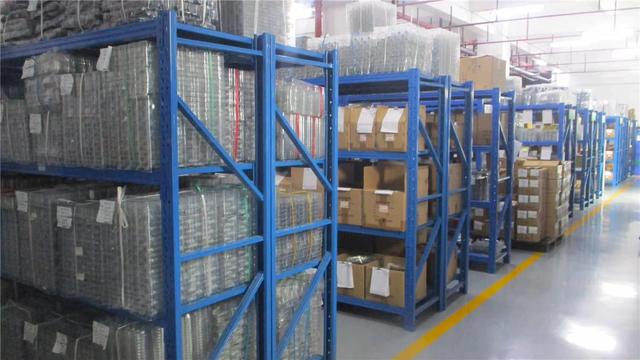
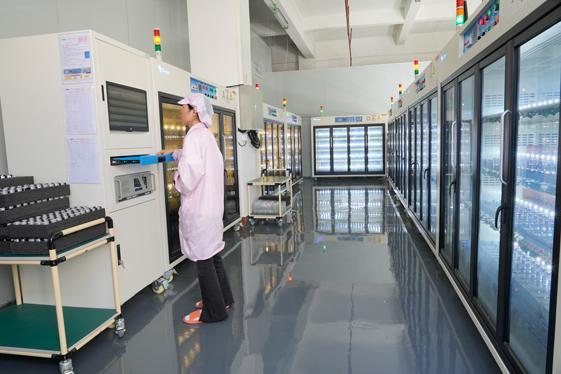
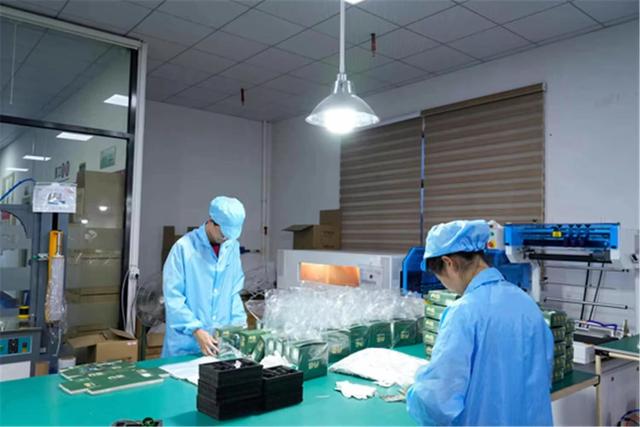
A visual tour through our production environment, featuring precision molding tooling, automated assembly stations, clean-room assembly bays, and optical inspection stations:
 DERT Lighting