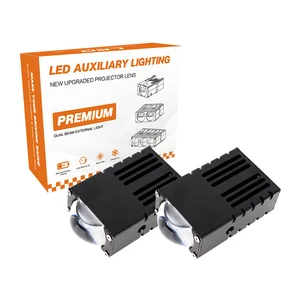
Spain is the second-largest vehicle manufacturer in Europe and the eighth-largest worldwide. The automotive industry represents a cornerstone of Spain's industrial fabric, contributing approximately 10% to the country's GDP and accounting for nearly 18% of total exports. Major global manufacturing groups—including Stellantis, SEAT/Volkswagen Group, Renault, Ford, and Mercedes-Benz—operate highly sophisticated vehicle assembly facilities across regions such as Galicia, Catalonia, Castile and León, Aragon, and Valencia. In a market structured around precision logistics, rapid turnaround times, and strict conformity to standards, sourcing high-reliability automotive lighting assemblies from an optimized global supply chain is critical to sustaining regional competitiveness.
As the automotive paradigm shifts toward electrification, automated driving systems, and intelligent digital signatures, automotive lighting is no longer just a functional safety element; it has transformed into a core visual brand indicator and sensory hub. For Spanish Tier-1 integrators and aftermarket distributors, collaborating with an agile, high-precision manufacturer that combines Chinese supply chain efficiency with complete European Union (EU) regulatory alignment represents a strategic advantage. This whitepaper analyzes the market conditions, regulatory frameworks, supply chain optimization dynamics, and technical specifications governing automotive lighting systems exported to Spain.
Selling or integrating vehicle lighting in Spain requires strict compliance with United Nations Economic Commission for Europe (UNECE) regulations, globally recognized but rigorously enforced locally. Under Spanish law, any component fitted onto a vehicle must carry the official E-Mark approval (e.g., E9 for Spain, E1 for Germany, or E4 for the Netherlands). This certification verifies that the products have undergone rigorous third-party laboratory testing evaluating photometric performance, color coordinates, electrical safety, and environmental endurance.
Our engineering division designs, validates, and manufactures all components to conform with:
Furthermore, electromagnetic interference (EMI) is a serious concern for modern electric vehicles (EVs) manufactured in Spanish plants. Our LED lighting drivers undergo stringent testing to meet CISPR 25 Class 5 specifications. This ensures that the high-frequency switching frequency of our driver circuitry does not interfere with advanced driver assistance systems (ADAS), cellular transceivers, or AM/FM radio signals on Spanish motorways.
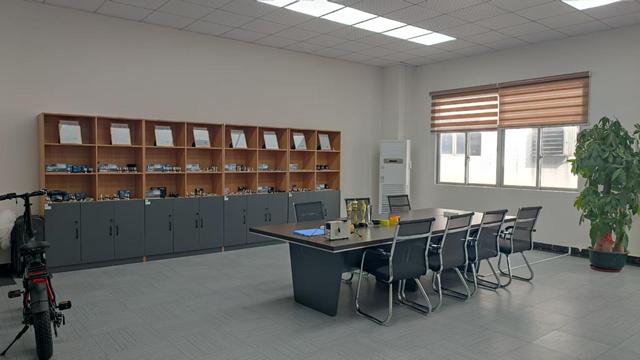
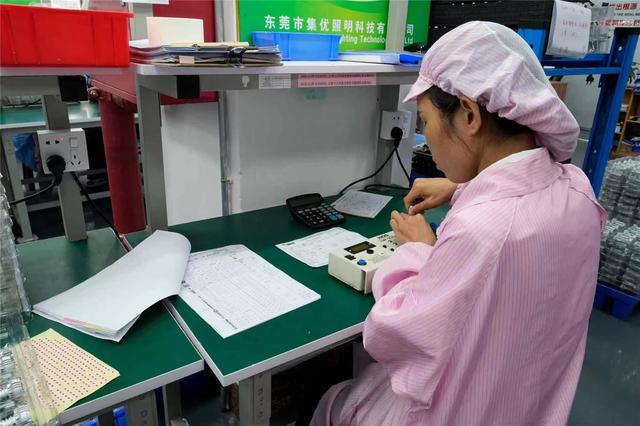
Established in 2012, Ningbo DERT Lighting Co., Ltd. is a professional manufacturer specializing in automotive lighting systems, LED headlights, and vehicle lighting solutions for global automotive aftermarket and OEM customers. Located in Ningbo, Zhejiang Province, China, our company operates a modern production facility covering approximately 18,000 square meters. We employ more than 320 skilled professionals across engineering, manufacturing, quality assurance, research and development, and international sales departments.
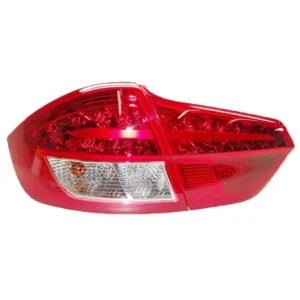
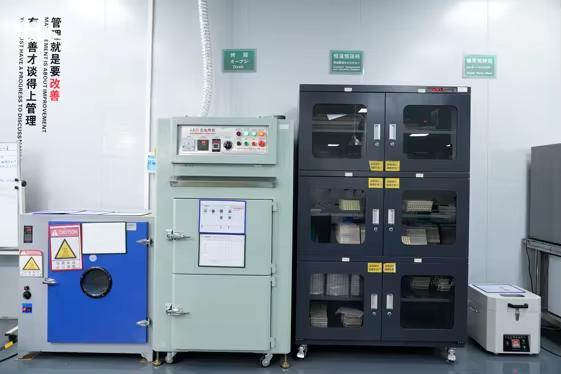
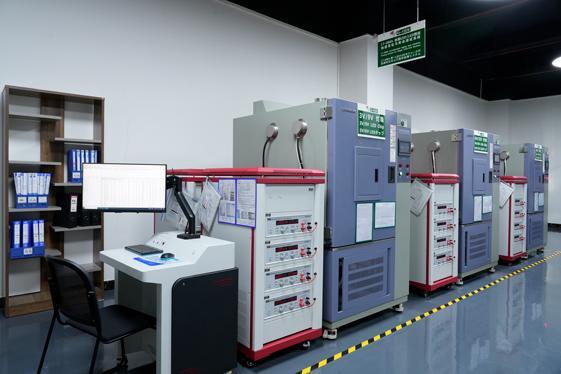
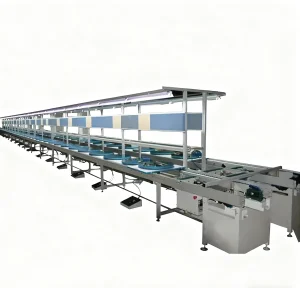
DERT Lighting focuses on the design, development, and production of automotive lighting products, including LED headlight systems, vehicle lighting assemblies, signal lighting solutions, commercial vehicle lighting products, off-road lighting systems, and customized automotive illumination technologies. Supported by an experienced engineering team, DERT Lighting continuously invests in product innovation, optical design, thermal management technologies, electronic control systems, and manufacturing automation. We integrate advanced production equipment, automated assembly lines, precision testing instruments, and standardized manufacturing processes to support consistent product quality and production efficiency.
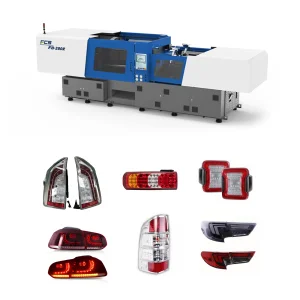
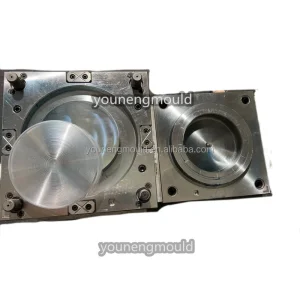
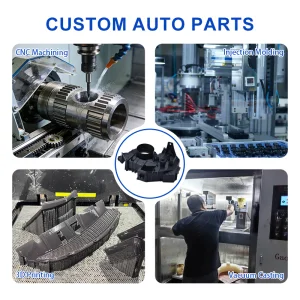
High-precision multi-cavity injection moulds utilizing PMMA and Polycarbonate materials to achieve optical clarity with tolerances as low as 0.01mm.
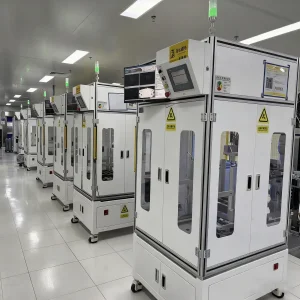
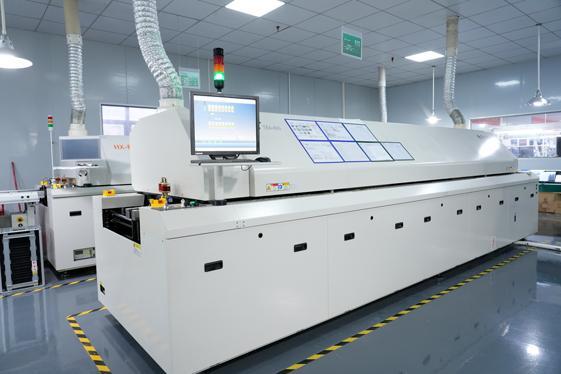
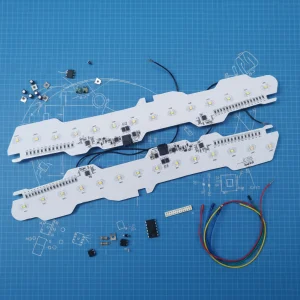
Automated Pick & Place systems for LED Driver PCB assemblies, integrated with automated optical inspection (AOI) and CCD-controlled vision checks.
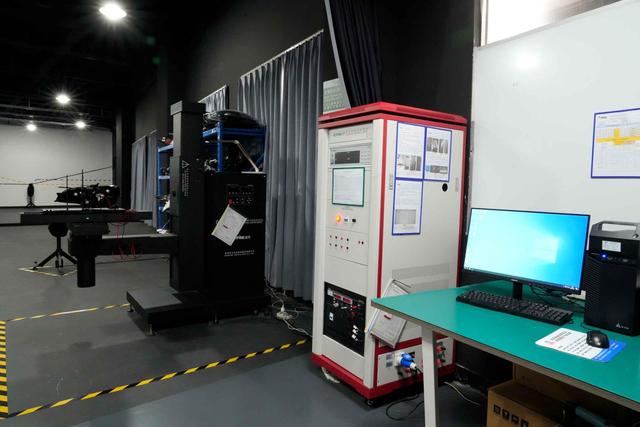
ISO9001:2015 and IATF 16949-aligned production systems, performing 100% online inspections to ensure EU market eligibility.
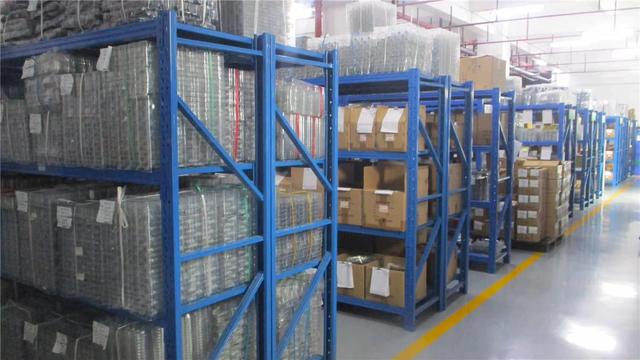
A resilient supply chain depends on efficient transportation and predictable timelines. Located in Ningbo, DERT Lighting takes advantage of the largest port in the world by cargo tonnage. This logistical hub allows direct sea routes to Spain's major ports, including Valencia, Barcelona, and Algeciras, with transit times typically ranging from 28 to 35 days. For high-priority prototype validation or pre-production validation runs (PV), express air transport via Madrid-Barajas (MAD) airport ensures delivery within 5 to 7 business days.
We work closely with Spanish customs brokers to manage all customs clearance procedures. By providing detailed documentation, including harmonized system (HS) classification codes, certificates of origin, CE declarations, and E-Mark test reports, we help prevent clearance delays. Additionally, we provide Flexible Minimum Order Quantities (MOQs) to assist Spanish tier-1 suppliers and aftermarket distributors in optimizing inventory carrying costs.
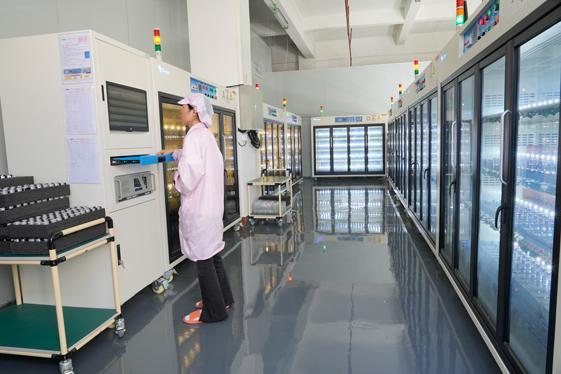
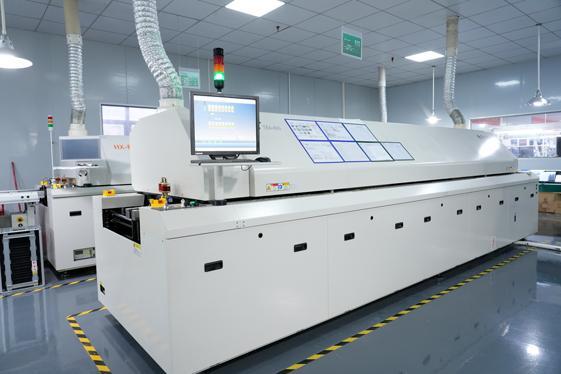
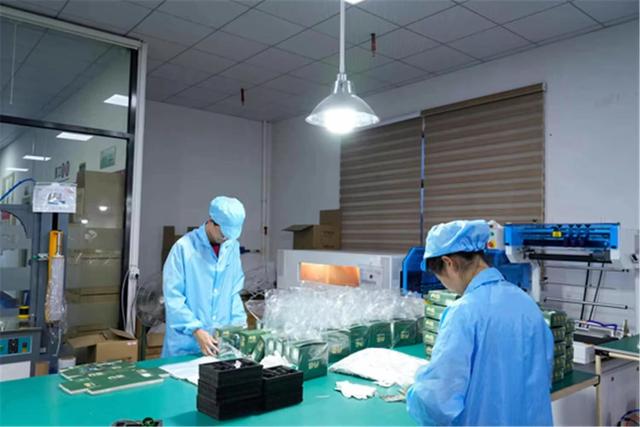
Modern automotive lighting relies heavily on material science. The housing must withstand mechanical impacts, road vibration, and extreme temperature cycling (from freezing Spanish winter mountain roads in the Sierra Nevada to intense summers in Seville). Standard housings are injected using mineral-filled polypropylene or ABS to guarantee structural stiffness. However, optical components like outer lenses demand even higher performance. We use high-optical-grade Polycarbonate (PC) protected by specialized UV-curable hardcoats to prevent yellowing and micro-cracking caused by solar radiation.
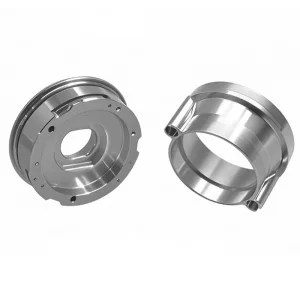
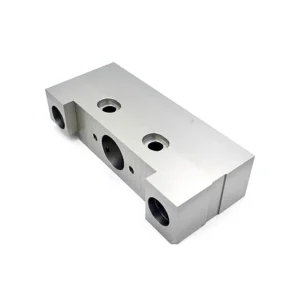
For internal light guides, PMMA (Polymethyl Methacrylate) is the material of choice due to its high refractive index and light transmission properties. Our precision tool-making shop utilizes multi-axis CNC machining centers to mill injection inserts with mirror-like surface finishes (with roughness Ra < 0.02μm). This level of precision eliminates scattering losses, ensuring that the light emitted by high-power LEDs is directed exactly where required by UNECE safety regulations.
The industry is moving toward Adaptive Driving Beams (ADB) and matrix-based lighting configurations. Instead of simple high-beam and low-beam functions, modern assemblies use individual LED chips controlled dynamically by a dedicated microcontroller. By interfacing with front-facing camera systems, these lights selectively dim portions of the beam pattern to prevent glare for oncoming drivers while keeping the rest of the road illuminated. We offer customized design services for driver boards, thermal analysis, and LED sourcing to assist Spanish automotive OEMs in developing competitive, next-generation lighting systems.
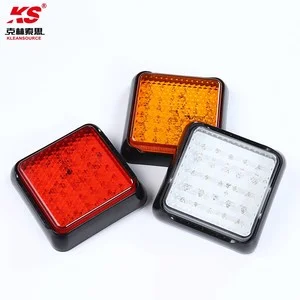
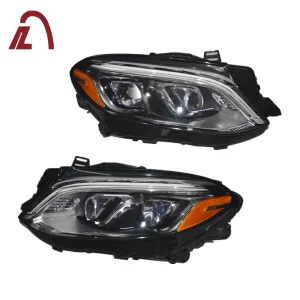
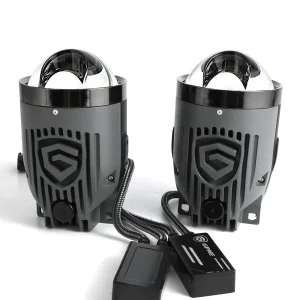
Whether you require customized injection molding, rapid PMMA optical prototypes, or full IATF 16949-aligned production runs for the Spanish market, DERT Lighting has the manufacturing capacity and regulatory expertise to support your goals.
Send Inquiry Now DERT Lighting