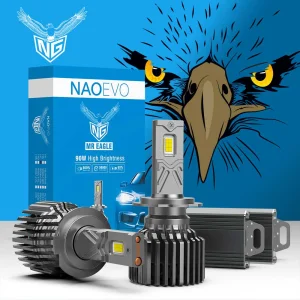
Engineered for immediate integration into Manila's automotive supply chain and high-demand commercial transport networks.
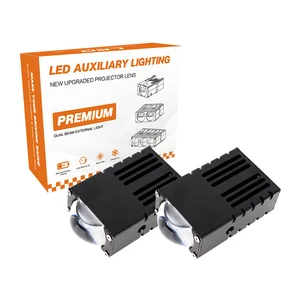
Metro Manila, the economic heartbeat of the Philippines, operates as a massive hub for vehicle assembly, fleet logistics, and aftermarket modification. In recent years, the Department of Transportation (DOTr) and the Land Transportation Office (LTO) have instituted rigorous regulations targeting vehicle safety, particularly concerning visibility standards under adverse weather conditions. The region’s combination of dense urban congestion, prolonged rainy seasons, and heavy exposure to coastal humidity creates a uniquely demanding environment for automotive lighting systems.
The Public Utility Vehicle Modernization Program (PUVMP) has catalyzed a market-wide shift towards high-reliability LED setups, replacing outdated halogen systems across commercial jeepneys, utility vehicles, and logistics fleets. As logistics companies scale their delivery capabilities to meet booming e-commerce demands, the requirement for robust, energy-efficient, and long-lasting illumination systems has reached unprecedented heights. For Manila-based importers and distributors, sourcing lighting components that balance high thermal efficiency with IP-rated moisture protection is no longer just a preference—it is a regulatory and operational necessity.
Furthermore, local assembly plants within industrial zones adjacent to Manila—such as the Cavite-Laguna-Batangas-Rizal-Quezon (CALABARZON) corridor—demand high-precision custom prototyping (including PMMA milling and rapid CNC tooling) to maintain local production schedules. Sourcing components directly from advanced manufacturing clusters like Ningbo, China ensures that distributors can secure components that integrate seamlessly with localized chassis platforms.
Automotive lights operating in Metro Manila are subjected to a high-salinity marine environment and recurring seasonal flooding (such as during the Southwest Monsoon). Traditional lamps fail prematurely due to internal condensation, lens yellowing from high UV exposure, and electronic driver failure caused by voltage spikes in older electrical systems. To counter this, advanced engineering protocols mandate the use of optical-grade Polycarbonate (PC) materials coated with anti-UV layers, combined with high-grade silicone gaskets for IP68/IP69K ingress protection.
Furthermore, high thermal dissipation is critical. When ambient air temperatures in Manila hover around 38°C, the heat generated by high-power LEDs can cause severe lumen degradation if thermal path resistance is not minimized. Utilizing copper-core PCBs, premium thermal paste, and active/passive cooling fins ensures that junction temperatures remain well below critical thresholds, maintaining stable lumen output across long haul operations.
Established in 2012, Ningbo DERT Lighting Co., Ltd. is a professional manufacturer specializing in automotive lighting systems, LED headlights, and vehicle lighting solutions for global automotive aftermarket and OEM customers. Located in Ningbo, Zhejiang Province, China, the company operates a modern production facility covering approximately 18,000 square meters and employs more than 320 skilled professionals across engineering, manufacturing, quality assurance, research and development, and international sales departments.
DERT Lighting focuses on the design, development, and production of automotive lighting products, including LED headlight systems, vehicle lighting assemblies, signal lighting solutions, commercial vehicle lighting products, off-road lighting systems, and customized automotive illumination technologies. The company serves automotive brands, distributors, wholesalers, importers, fleet operators, and aftermarket suppliers across international markets.
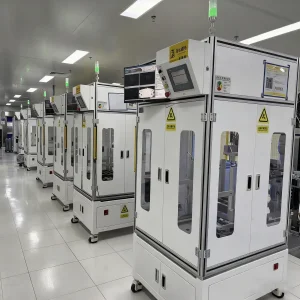
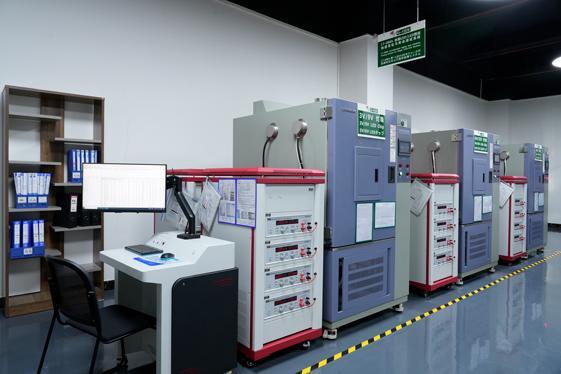
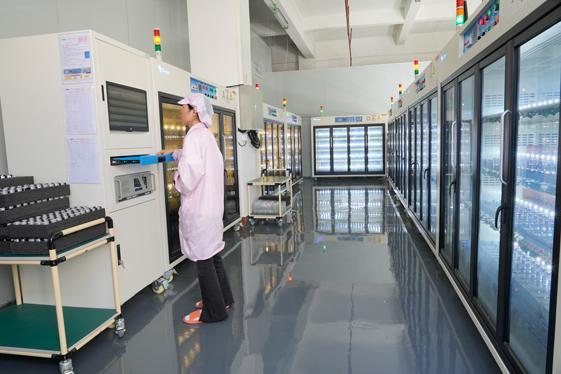
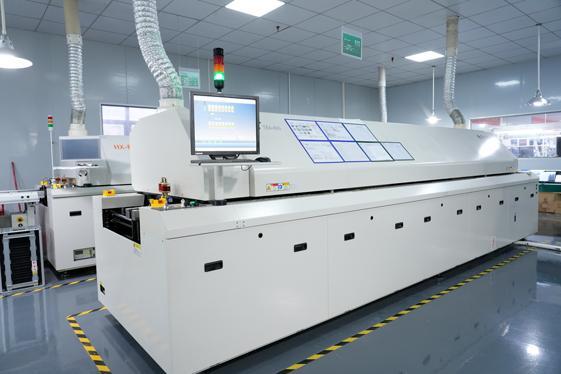
Supported by an experienced engineering team, DERT Lighting continuously invests in product innovation, optical design, thermal management technologies, electronic control systems, and manufacturing automation. The company integrates advanced production equipment, automated assembly lines, precision testing instruments, and standardized manufacturing processes to support consistent product quality and production efficiency.
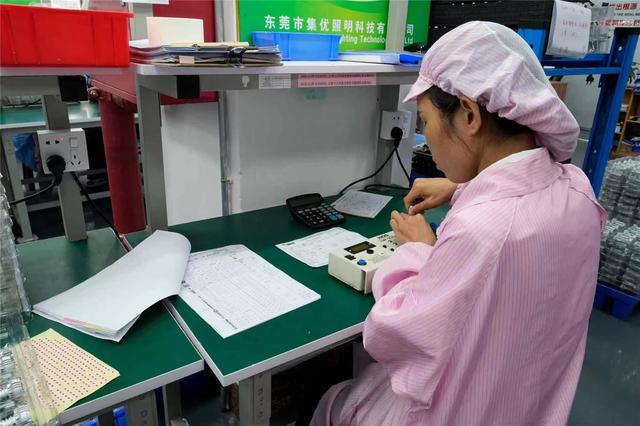
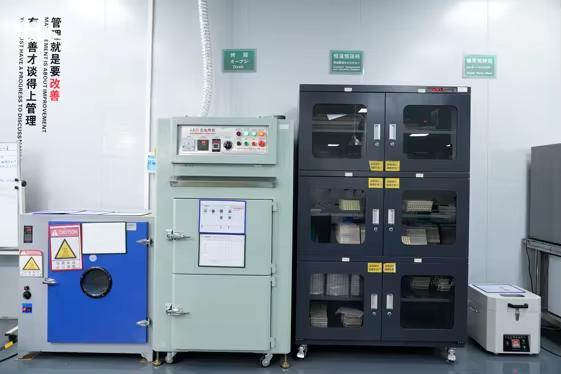
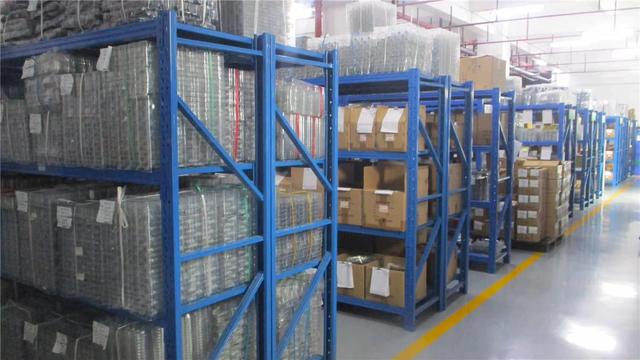
Quality management is implemented throughout every stage of production, from raw material sourcing and component inspection to assembly, performance testing, durability evaluation, and final quality verification. The company strives to manufacture automotive lighting products that meet the performance, reliability, and regulatory requirements of diverse international markets.
In addition to standard product manufacturing, DERT Lighting provides comprehensive OEM and ODM services, including product development, branding support, customized specifications, packaging solutions, and private-label manufacturing programs. Flexible production capabilities allow the company to support both emerging automotive brands and established industry partners. Today, Ningbo DERT Lighting Co., Ltd. exports products to North America, Europe, South America, Southeast Asia, the Middle East, and other global regions, delivering reliable automotive lighting solutions for a rapidly evolving mobility market.
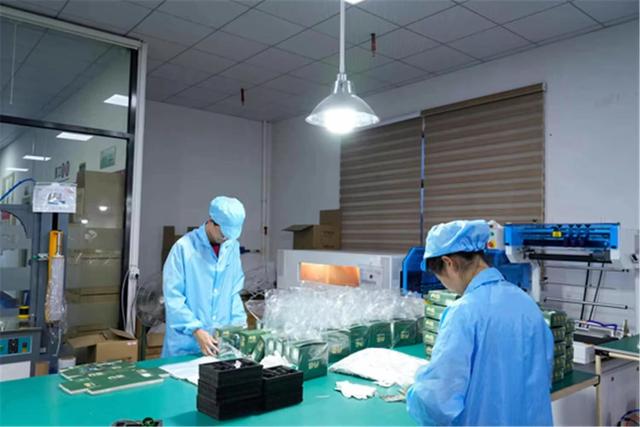
The geographical proximity between the Ningbo-Zhoushan Port and the Port of Manila creates a highly streamlined maritime trade corridor. Ningbo-Zhoushan, the world’s busiest port by cargo tonnage, provides direct shipping lines to both Manila North Harbor and Manila South Harbor. This connectivity reduces transit times to just 5 to 7 days for full container loads (FCL), drastically cutting down on inventory carrying costs and lag times for Philippine distributors compared to sourcing from European or North American counterparts.
Under the ASEAN-China Free Trade Area (ACFTA), importers can leverage the Certificate of Origin (Form E) to secure preferential zero-tariff or highly reduced tariff rates on automotive lighting parts and accessories. This trade arrangement, combined with Ningbo’s complete upstream ecosystem for materials—such as raw aluminum alloys, high-performance LED drivers, and optical PMMA/PC polymers—enables us to export premium-tier components at highly competitive prices.
By coordinating raw material procurement, injection molding, CNC tooling, and circuit design within a localized cluster in Ningbo, we eliminate multi-tier contractor Markups. Manila buyers receive direct factory pricing, backed by full QA transparency, rapid batch delivery, and localized technical representation.
We build compliance directly into our engineering phase. Our design processes adhere strictly to global regulatory frameworks, including UNECE regulations (such as R112 for headlamps and R148/R149 for signal and road-illumination devices). For the Philippine market, this translates to effortless compliance during LTO vehicle inspections, avoiding the fines and registration failures associated with low-quality, non-conforming aftermarket options.
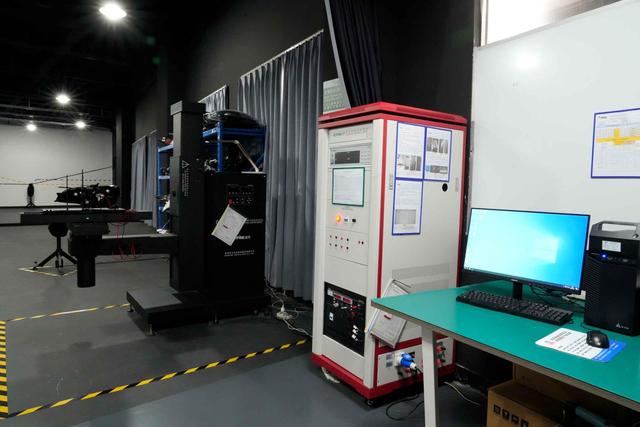
Each lighting system undergoes extensive photometric and environmental calibration. Using integrated goniophotometers, we measure spatial luminous intensity distribution to ensure precision cut-off lines for low beams—avoiding oncoming glare on congested Manila roads while maximizing forward beam reach. Our EMC testing chambers guarantee that our integrated digital ballast and driver circuits do not interfere with standard vehicle communications, GPS modules, or audio systems.
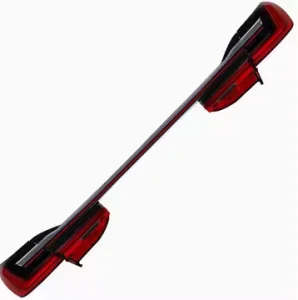
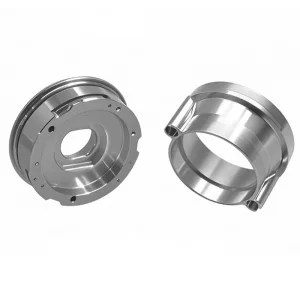
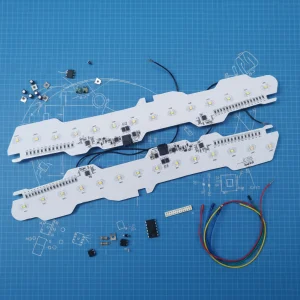
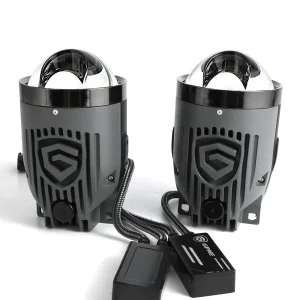
Explore our full line of automotive lighting prototypes, production machinery, and high-efficiency replacement modules optimized for Metro Manila industrial markets.
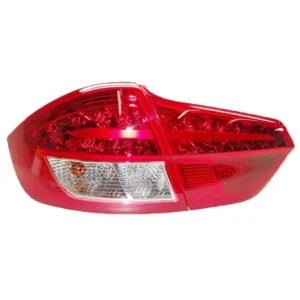
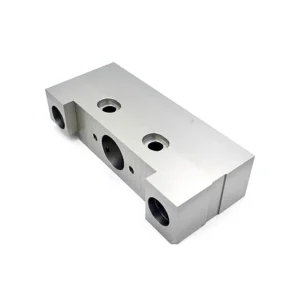
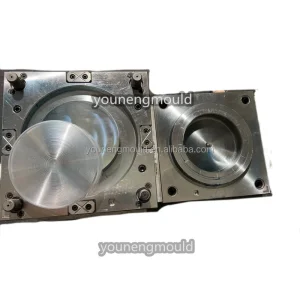
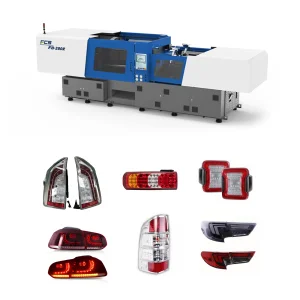
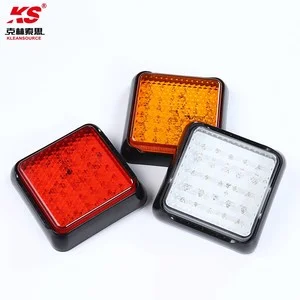
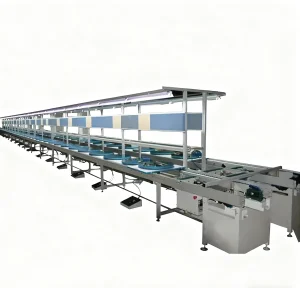
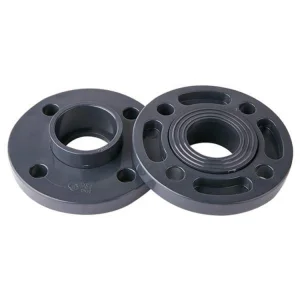
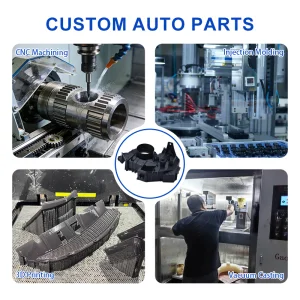
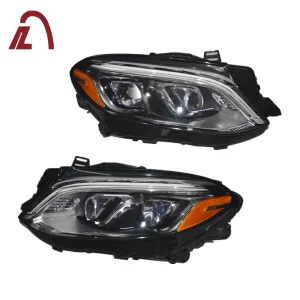
The manufacturing of contemporary automotive lighting has progressed far beyond basic assembly. Today, it demands fully integrated, intelligent ecosystems utilizing Programmable Logic Controllers (PLC) and Charge-Coupled Device (CCD) inspection lines. Standardizing on high-speed inspection technologies allows us to achieve cycle times as low as 30 seconds per headlight assembly, with complete validation of photometric parameters, pneumatic sealing integrity, and driving voltage stability.
By leveraging automated optical alignment processes, our systems detect even sub-millimeter variances in light-emitting surfaces. This degree of control is critical when manufacturing complex assemblies, such as matrix LED headlights or dual-color taillight units. Using 280-ton two-color injection molding machines, we can consolidate multiple housing elements into a single monolithic part, eliminating joints that typically serve as ingress failure points in heavy rain zones like Manila.
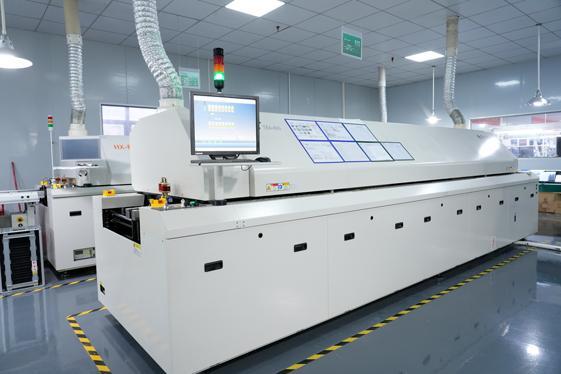
Simultaneously, our PCBA assembly processes maintain tight control over ESD (electrostatic discharge) and reflow profile metrics. Our SMT (surface mount technology) lines utilize real-time SPI (solder paste inspection) and AOI (automated optical inspection) loops to ensure that components like LED driver chips and thermal sensors are bonded with zero defect rates, maximizing field service lifetime.
 DERT Lighting