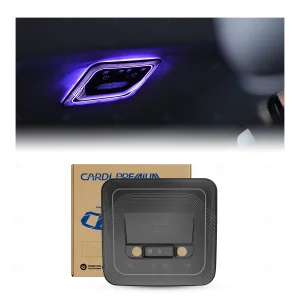
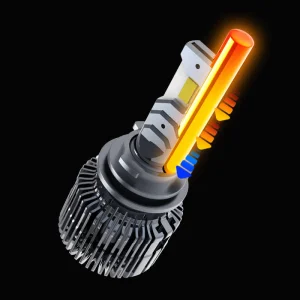
Discover our select, ultra-high-efficiency automotive lighting systems customized to thrive within the demanding road infrastructures and vehicle standards of the Seoul Metropolitan Area.
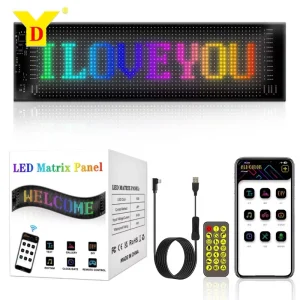
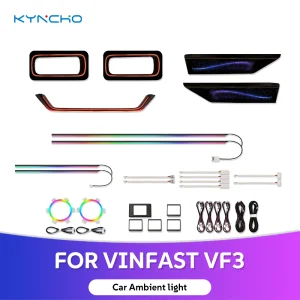
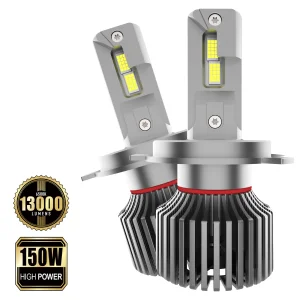
Seoul, as the core heartbeat of South Korea’s technology and automotive design sectors, demands a level of sophistication in automotive electronics that outpaces many global regions. Surrounded by critical manufacturing clusters in Incheon and Gyeonggi-do, and serving as the operational epicenter for titans like the Hyundai-Kia Automotive Group and tier-1 supplier organizations like Hyundai Mobis, the Seoul market requires intelligent automotive lighting that integrates seamlessly with Advanced Driver Assistance Systems (ADAS) and electric vehicle (EV) architectures.
With South Korea’s aggressive push toward smart mobility platforms, urban autonomous taxi pilots, and high-density transportation corridors, vehicular visibility has transitioned from a basic functional requirement to an advanced interactive system. Dynamic matrix LEDs, Adaptive Front-lighting Systems (AFS), and custom micro-LED arrays are critical to navigate Seoul’s complex multi-layered overpasses, tunnels (such as the Gyeongin Expressway tunnels), and high-density pedestrian crossings. As a leading manufacturer, we align our product developments with these exact urban challenges, delivering specialized thermal performance to combat high-density traffic heat build-ups and robust CANBUS interfaces to prevent error codes in South Korea's highly computerized vehicle models.
The future of intelligent automotive illumination is defined by digitization and optical precision. Our technology roadmap focuses heavily on bridging the gap between passive hardware and active software-integrated solutions. Below are the key pillars driving our current R&D efforts:
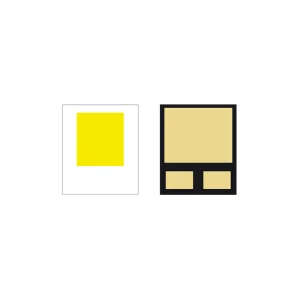
Utilizing high-power CSP LED chips alongside individual matrix control circuits to selectively dim oncoming traffic sectors while maintaining maximum high-beam illumination over surrounding highway paths.
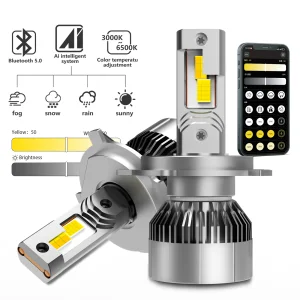
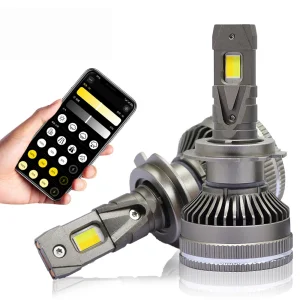
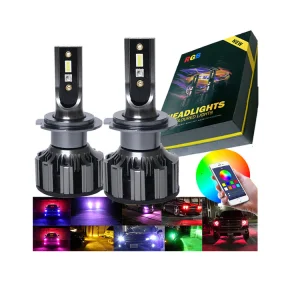
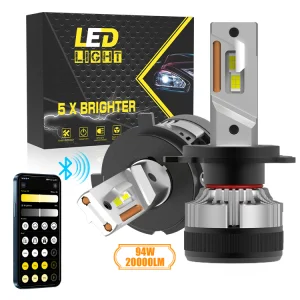
Direct-to-app integration utilizing Bluetooth/Wi-Fi mesh networks allows drivers to adjust ambient lighting profiles, control devil's eye animations, and sync dashboard ambiance with active infotainment settings.
By transitioning key product lines to dual copper heat pipe assemblies and high-thermal-conductivity ceramic PCB cores, we achieve sustained lumen maintenance exceeding 50,000 hours.
As Seoul moves closer to Level 4 autonomous vehicle integration within its Digital Media City (DMC) and Gangnam smart-transit zones, we are actively developing smart projection systems. These systems allow vehicles to project traffic warnings, turn indicators, and pedestrian crosswalk clearances directly onto the tarmac using ultra-high-resolution LED micro-arrays. By choosing to partner with us, you are investing in a future-ready product catalog that bridges the gap between today’s illumination standards and tomorrow's autonomous communication networks.
We do not merely sell replacement bulbs; we construct holistic illumination programs designed to address specific industrial problems. For example, local bus networks operating within the Seoul Metropolitan Government’s jurisdictions require lighting systems that withstand long service hours without degradation. Our high-power ceramic LED platforms offer the structural integrity necessary to resist constant road vibrations and variable weather conditions.
For high-end taxi fleets, ride-sharing vehicles, and corporate luxury transit running in Gangnam and Yeouido, we offer customizable LED ambient lighting systems. Controlled through centralized application managers, these systems enhance passenger comfort and premium brand perception. By deploying our CANBUS-decoded LED grill lights and smart roof lamps, fleet management companies dramatically reduce dashboard false alarms, which in turn reduces unnecessary workshop maintenance hours.
Navigating the regulatory landscape of South Korea is critical for successful long-term automotive component integration. South Korea enforces stringent product safety, electromagnetic compatibility (EMC), and environmental requirements. All electrical and electronic accessories must align with KC (Korea Certification) guidelines and meet the rigorous specifications outlined by the Korea Transportation Safety Authority (TSIS).
Our products are engineered at the design phase to minimize electromagnetic interference, adhering strictly to CISPR 25 standards to avoid disruption to modern vehicle GPS, navigation, and ADAS sensing suites. Additionally, we use eco-compliant raw materials that conform to RoHS directives, easing the path for K-REACH verification checks. For Seoul-based importers and distributors, this level of compliance minimizes customs clearance delays and ensures a safe path to retail distribution.
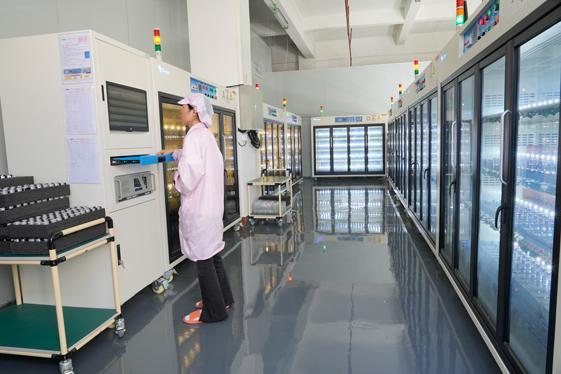
Our manufacturing operations are based out of a modern facility spanning approximately 18,000 square meters in Ningbo, Zhejiang Province. This strategic location places us next to major shipping ports, ensuring efficient logistics pathways directly to Incheon and Busan ports, and supporting short transit times for the Seoul metropolitan sector.
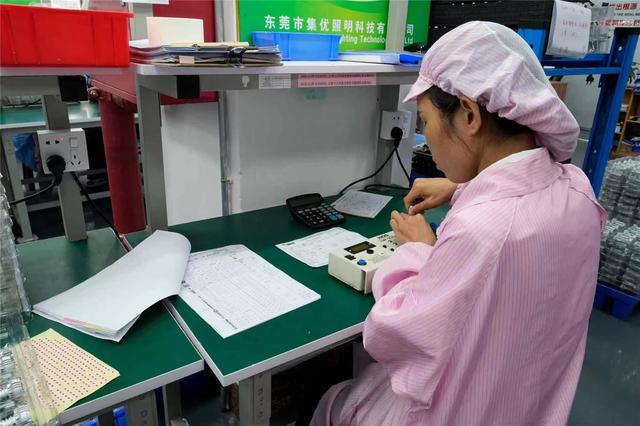
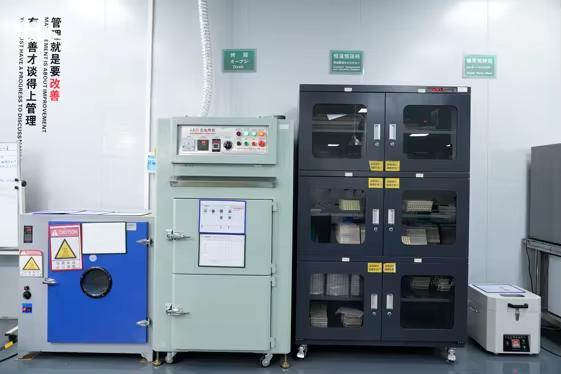
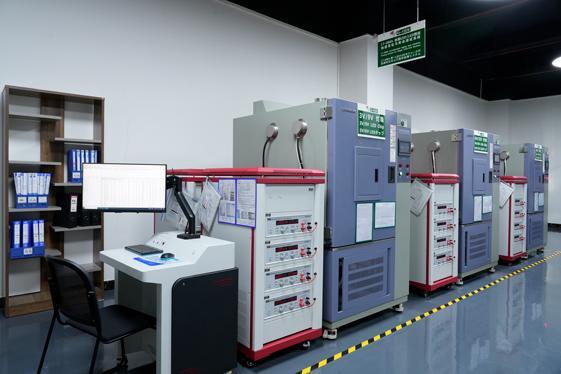
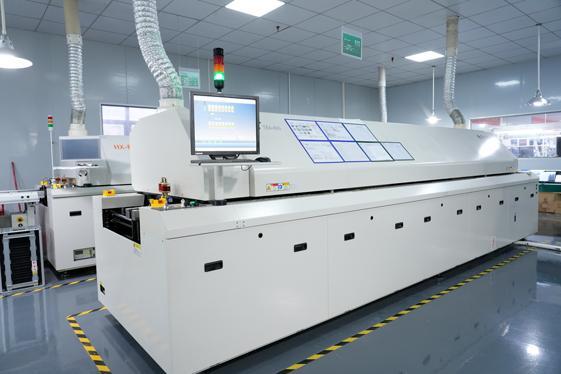
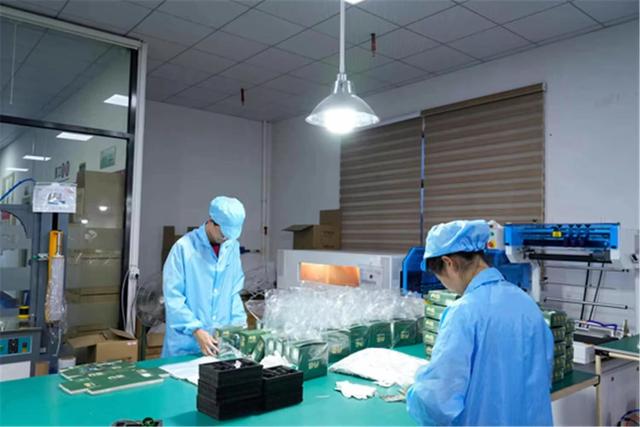
By implementing Industry 4.0 production philosophies, our facility combines automated component placement, precision optical testing, and real-time environmental test chambers. Every LED headlight and smart control driver undergoes comprehensive validation tests, including high-temperature thermal cycling, vibration resistance, and moisture seal verification. Operating with more than 320 trained personnel, our facility scales efficiently to support bulk OEM orders while maintaining the flexibility required for customized private-label production.
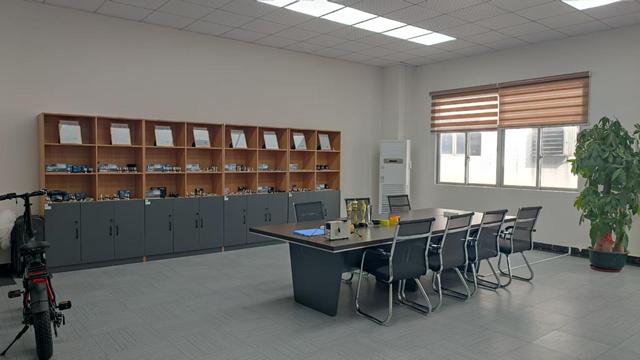
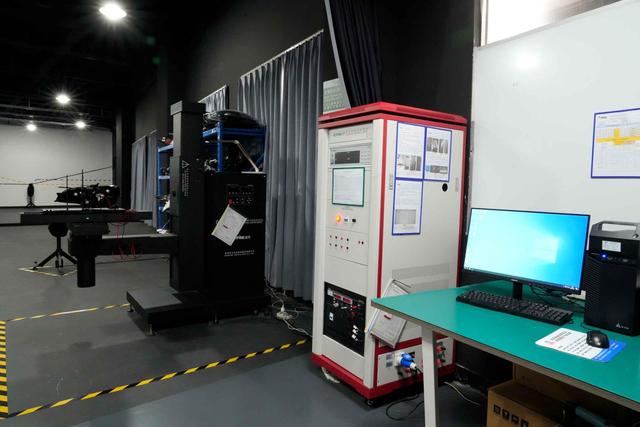
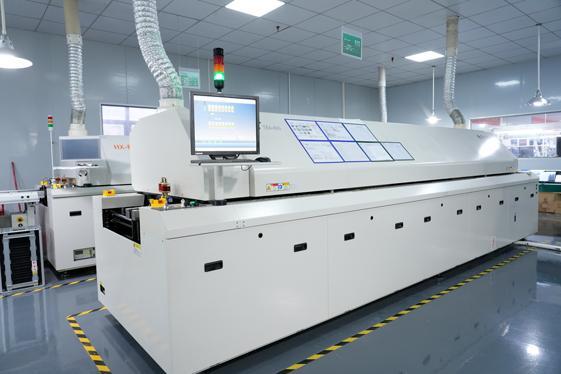
Enterprise-level sourcing managers require more than competitive pricing. We align our commercial systems with modern B2B standards:
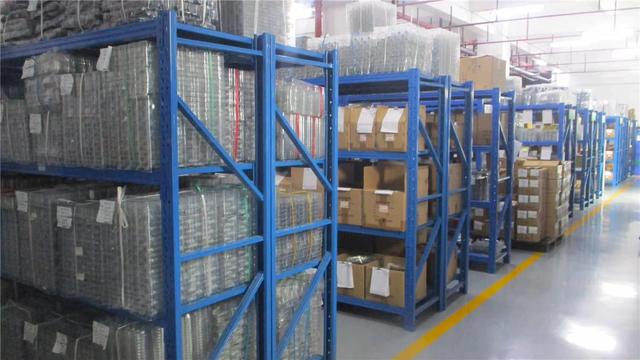
We work alongside regional warehouse networks in Incheon to support Just-In-Time delivery protocols, helping distributors reduce excess warehousing overheads.
Detailed bill of materials (BOM) sharing, product life cycle analysis, and collaborative CAD engineering resources to fast-track custom mold creation.
Full support for IATF 16949 quality benchmarks, product serialization codes, and clear warranty structures that offer robust protection for downstream retailers.
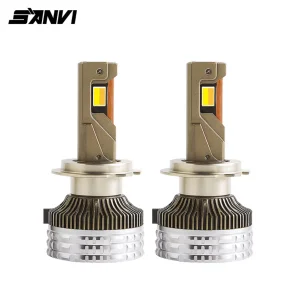
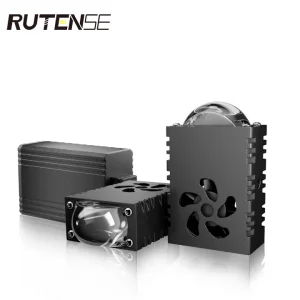
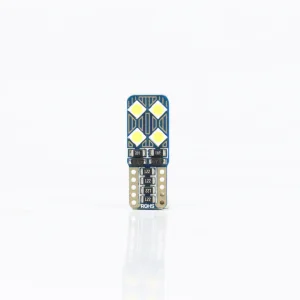
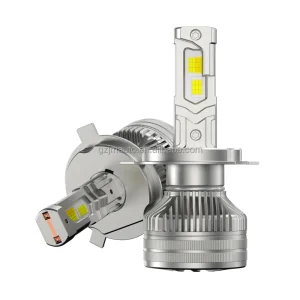
The products below represent our complete, high-reliability catalog optimized for integration within modern vehicle architectures. Utilizing high-performance components, these assemblies support active thermal management, smart application controls, and plug-and-play installation profiles.

Get answers to common technical, logistics, and compliance questions regarding our automotive lighting integration for the South Korean market.
Our intelligent headlights and accessory assemblies feature advanced integrated or external CANBUS decoders. These decoders mimic the electrical impedance profile of traditional halogen lamps, preventing the vehicle's ECU from triggering false "bulb-out" errors. This design is highly compatible with the complex electrical systems of modern Hyundai, Kia, and Genesis platforms.
Leveraging our facility in Ningbo and its proximity to deepwater ports, our standard production and export transit cycle to Incheon or Busan ports takes between 14 to 21 working days for scheduled volume orders. For established partners, we support customized inventory arrangements to secure rapid domestic release.
We deploy dual vacuum-sealed liquid copper tubes directly parallel to the PCB core. Heat is transferred rapidly to a high-density cold-forged aluminum heatsink module, which is cooled by an active dual-bearing silent fan. This cooling mechanism ensures junction temperatures remain below critical thresholds, preventing premature brightness decay.
Yes. Through our comprehensive ODM program, we offer software customization services. This includes tailoring application control panels, integrating brand elements, and programming custom lighting transition states to match your product positioning.
 DERT Lighting