In the rapidly advancing global automotive market, vehicle lighting systems have transitioned from basic night-time illumination tools to crucial safety and integration platforms. As global demand for unified, reliable, and energy-efficient systems grows, CE certification has emerged as the definitive baseline standard for import compliance in the European Economic Area (EEA) and highly regarded markets globally. CE certified universal vehicle lights ensure compliance with stringent directive modules including the Electromagnetic Compatibility Directive (2014/30/EU), Low Voltage Directive (2014/35/EU), and RoHS Directive, guaranteeing safe operation under varied vehicle operating currents, harsh ambient environments, and extreme vibration levels.
For international distributors, fleet managers, and tier-one automotive parts importers, selecting a factory with structured CE compliance signifies reduced customs clearance liability, lower field failure rates, and reliable performance compatibility. Whether updating commercial transit networks, enhancing passenger vehicle lighting outputs, or retrofitting specialized off-road vehicles, precision-engineered lighting components provide the cornerstone for operational efficiency.
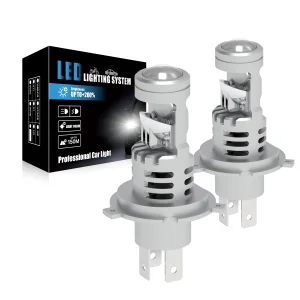
Established in 2012, Ningbo DERT Lighting Co., Ltd. is a leading professional manufacturer specializing in automotive lighting systems, LED headlights, and versatile vehicle lighting solutions for both the global aftermarket and original equipment manufacturer (OEM) clients. Located in the strategic industrial hub of Ningbo, Zhejiang Province, China, the company operates a state-of-the-art production facility covering approximately 18,000 square meters and employs over 320 skilled professionals across specialized engineering, automated manufacturing, quality assurance, research and development (R&D), and international sales divisions.
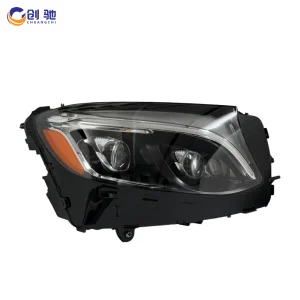
By focusing on the design, development, and high-volume production of advanced automotive lighting components—including premium LED headlight systems, customized vehicle light assemblies, signal lighting solutions, heavy-duty commercial vehicle fog lamps, off-road light bars, and specialized vehicle illumination systems—DERT Lighting caters directly to global automotive brands, wholesale importers, fleet operators, and tier-one replacement part suppliers.
China's Yangtze River Delta, particularly the Ningbo-Ninghai-Cixi corridor, represents the world's most concentrated automotive supply chain ecosystem. Leveraging these regional advantages allows Ningbo DERT Lighting to provide unique information and manufacturing gains to international partners:
Immediate local sourcing of optical-grade raw polycarbonate (PC), high-conductivity copper PCBs, precision aluminum alloys, and high-performance LED chips, resulting in significantly minimized internal lead times.
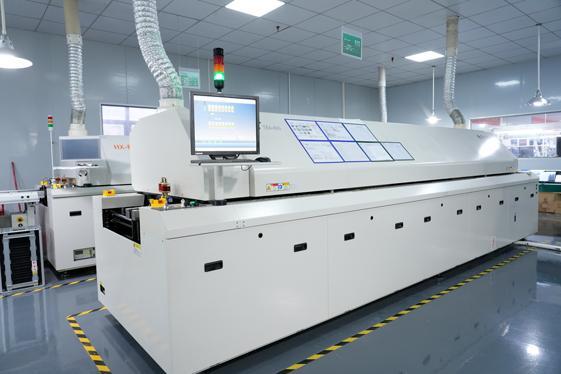
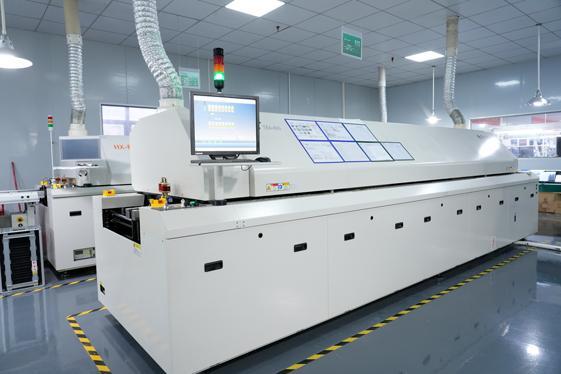
Heavy integration of automated SMT lines for precise LED placement, automated optical testing (AOI), and robotic sealant dispensers ensuring complete IP67/IP68 ingress protection across all light models.
In-house tooling and molding workshops mean customized designs, custom thermal heat sinks, and structural brackets can go from draft to physical testing within brief timeframes compared to western manufacturers.
Furthermore, Ningbo’s geographic location features direct proximity to the Ningbo-Zhoushan Port (the world's busiest port by cargo tonnage). This translates into immediate maritime shipping access, bypassing domestic logistics delays and reducing international transit expenses to North American, European, South American, Middle Eastern, and Southeast Asian ports.
The automotive illumination sector is currently undergoing a structural transformation driven by electrification, intelligent safety networks, and personalization. High-quality vehicle lighting factories are no longer merely assembling traditional bulbs; they are creating integrated electronic systems.
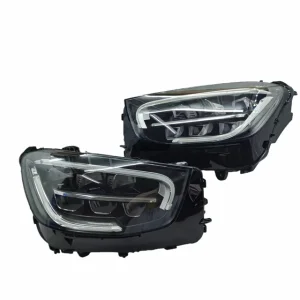
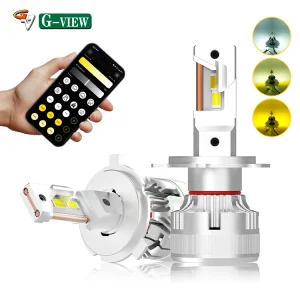
Matrix LED headlamps represent the height of active safety technology. By separating the light output into multiple independently controlled high-performance CSP LED segments, the headlight interacts directly with the vehicle’s front camera system. This allows the beam pattern to dynamically shape itself—shadowing out oncoming motorists to prevent glare while maintaining full high-beam illumination across the remainder of the road. Manufacturers like DERT are incorporating app-controlled smart beam adjustments and digital drivers to bring this premium feature to aftermarket configurations.
High-wattage LED chips (such as 80W, 100W, or 130W packages) generate substantial heat at the junction point. If the heat is not dissipated, the light output drops significantly, leading to premature color shift and driver failure. Modern universal lighting solutions feature ceramic substrates, direct copper contact paths, liquid-filled copper heat pipes, and intelligent dual ball-bearing cooling fans (rated at up to 12,000 RPM) to keep operating temperatures below 85°C.
As driver assistance systems (ADAS) become standard, lighting units are integrating infrared thermal sensors. In heavy fog, sandstorms, dense smoke, or complete darkness, standard LED lighting can experience backscatter. A dual-vision infrared thermal system bypasses visual dust and dampness, detecting the heat signatures of pedestrians and wild animals, and projects real-time warning indicators directly onto the dashboard or heads-up display.
| Lighting Tech Generation | Typical Luminous Efficacy | Avg. Lifespan (Hours) | Thermal Dissipation Requirement | CE Safety Compliance Risk |
|---|---|---|---|---|
| Halogen Systems | 15 - 25 lm/W | 500 - 1,000 | Low (High heat tolerance) | Minimal (Legacy compliance) |
| HID Xenon Systems | 60 - 80 lm/W | 2,000 - 3,000 | Medium (Requires high voltage balast) | Medium (EMC interference issues) |
| Solid-State LED | 100 - 140 lm/W | 30,000 - 50,000 | High (Requires active heat-sinks) | Low (When utilizing CE certified drivers) |
| Smart Matrix / Laser | 150+ lm/W | 50,000+ | Critical (Requires integrated micro-controllers) | Requires comprehensive testing |
Automotive lighting requires adaptation based on geographic environment and application scope. Universal lighting solutions are optimized across three primary operation profiles:
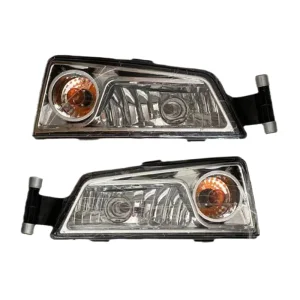
Long-haul trucks, logistics fleets, and heavy commercial vehicles operate continuously under diverse climate conditions. Fleet operators require high-vibration resistant, long-lasting assemblies. Implementing customized fog lights and front combination lamps (similar to the specialized Sitrak G7 cab configuration) reduces downtime caused by vibration damage or moisture ingress.
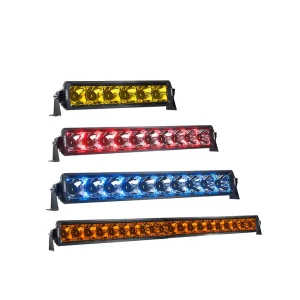
In demanding environments like agriculture, forestry, mining, and off-roading, dust, moisture, and impact resistance are critical. LED light bars with screwless bezels, heavy-duty brackets, and flexible RGB chasing whip lights provide reliable illumination while withstanding high-pressure washdowns (IP69K).
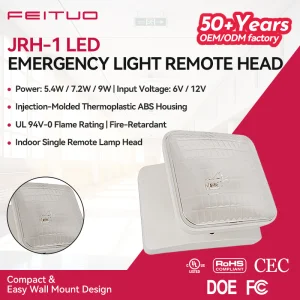
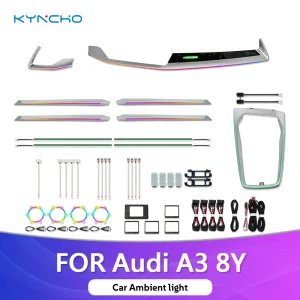
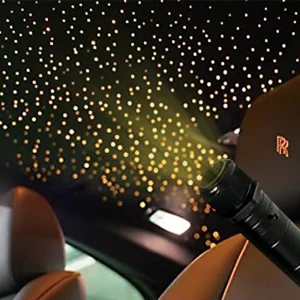
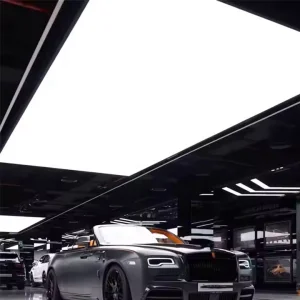
For passenger car customization and specialty fleets, interior ambient lighting (such as Audi A3 style symphony setups) and starry sky roof kits offer distinctive styling. In public service applications, single-remote emergency lamp heads made with flame-retardant ABS (UL 94V-0) deliver reliable emergency lighting when power grids fail.
Providing full packaging customization, laser brand marking, customized light guides, and matching wiring harnesses to streamline direct integration into automotive distribution networks.
Engineering plug-and-play wiring adaptors that eliminate splicing, maintaining vehicle CAN-bus compatibility and avoiding dashboard error codes.
Supporting sustainable manufacturing practices, integrating low-draw power circuits, and utilizing fully recyclable materials to meet modern green-supply chain goals.
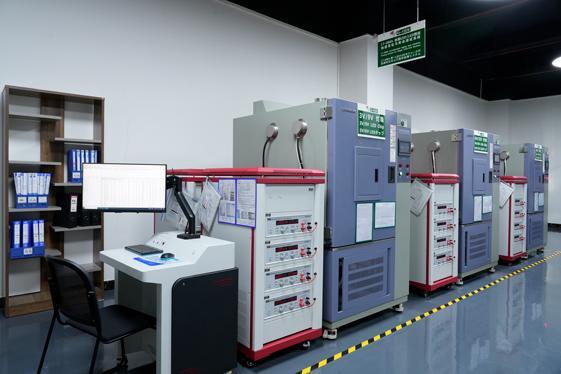
International sourcing directors face challenges with varying quality standards. To mitigate risks, professional manufacturers implement systematic laboratory testing and validation steps before any batch dispatch:
By selecting CE certified automotive manufacturers like Ningbo DERT Lighting, buyers receive products compliant with international standards, helping ensure trouble-free importation and market entry.
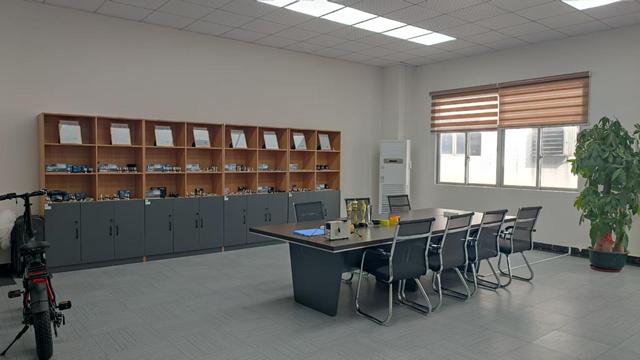
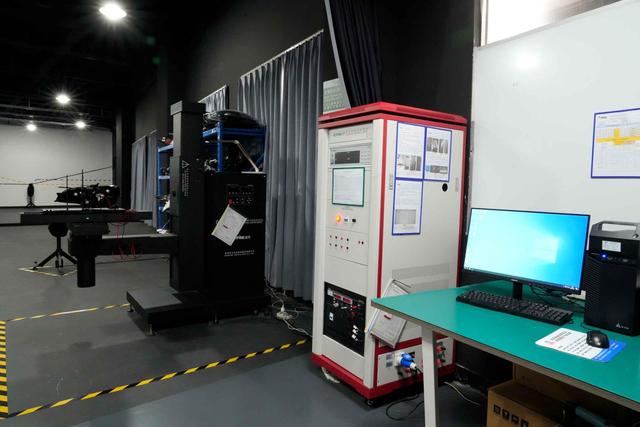
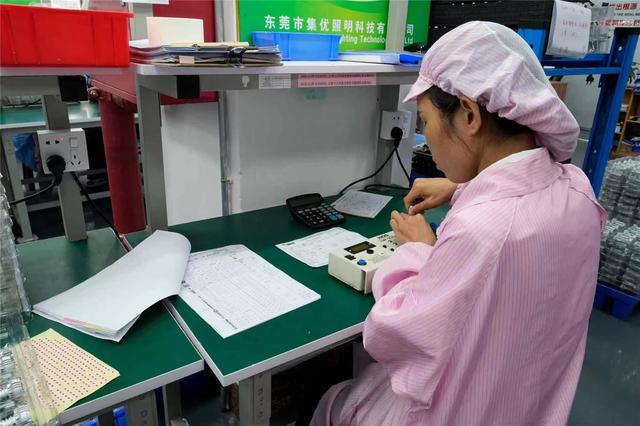
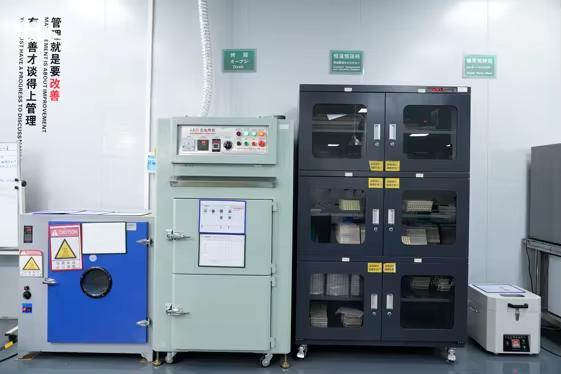
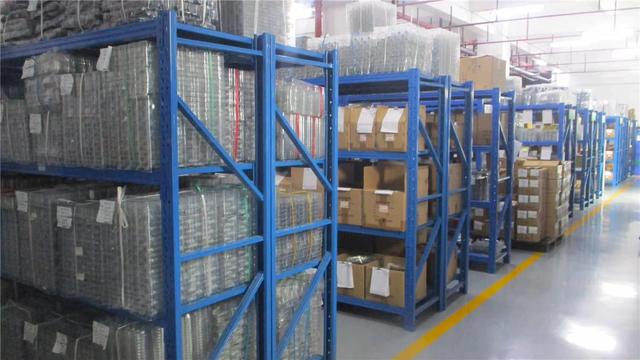
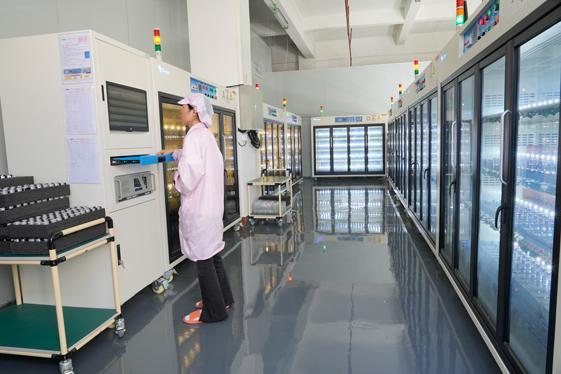
Our production base features cleanroom assembly lines, automated SMT components placement, multi-axis testing chambers, and an in-house optical engineering lab. Explore our operational facility in Ningbo:
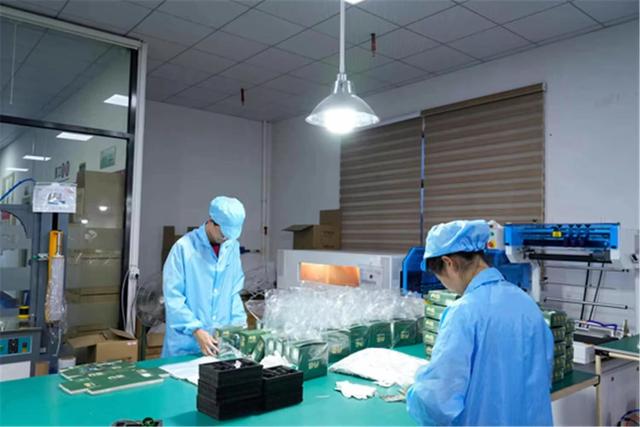
 DERT Lighting