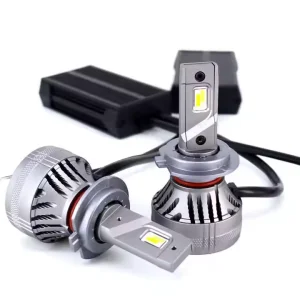
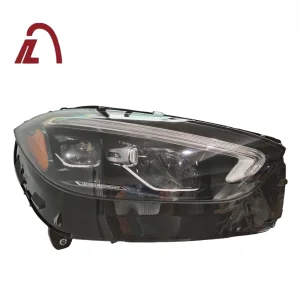
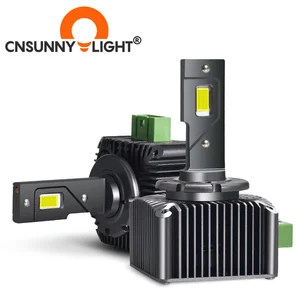
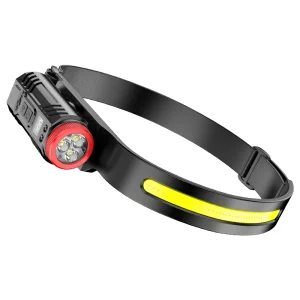
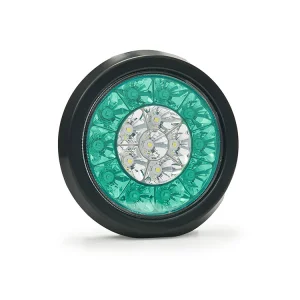
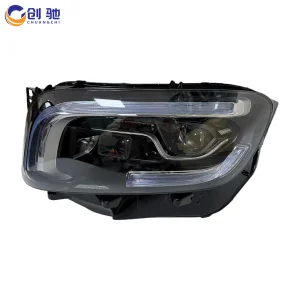
Explore our premium wholesale auto lighting selection featuring advanced optoelectronics, active safety functions, and heavy-duty designs ready for deployment across global automotive supply chains.
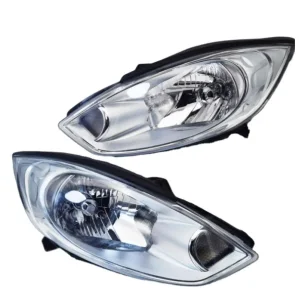
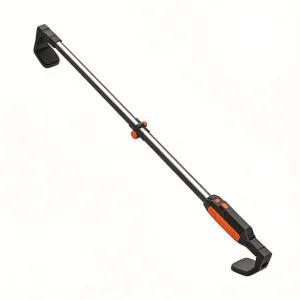
The global automotive landscape is currently undergoing its most profound transition in a century, driven by the emergence of electric vehicles (EVs), autonomous driving paradigms, and tightening international safety standards. At the core of this safety and design revolution lies the vehicle signal lighting system. Once regarded simply as functional indicators for turns and braking, modern vehicle signal lights have evolved into highly complex, software-defined optoelectronic systems. Luminous performance, adaptive projection, and communicative signaling have become critical metrics for vehicle safety rating schemes worldwide, including the Euro NCAP and North American FMVSS standards.
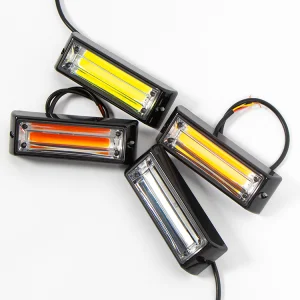
The shift from traditional halogen bulbs to solid-state LED systems, and now further toward smart matrix and dynamic OLED illumination, has redefined the design and manufacturing constraints of this industry. Modern signal lighting requires high luminous efficacy, minimal power consumption, and extreme thermal resiliency. In high-power applications, such as matrix LED headlamps and dual-color stop-turn signal arrays for commercial trailers, the thermal load must be managed with absolute precision to prevent light output decay and electronic component failures. As a result, Tier 1 automotive suppliers and aftermarket importers increasingly require signal lighting systems built with advanced thermal management substrates, high-speed PCBA drivers, and custom optical configurations.
Established in 2012, Ningbo DERT Lighting Co., Ltd. is a professional manufacturer specializing in automotive lighting systems, LED headlights, and vehicle lighting solutions for global automotive aftermarket and OEM customers. Located in Ningbo, Zhejiang Province, China, the company operates a modern production facility covering approximately 18,000 square meters and employs more than 320 skilled professionals across engineering, manufacturing, quality assurance, research and development, and international sales departments.
DERT Lighting focuses on the design, development, and production of automotive lighting products, including LED headlight systems, vehicle lighting assemblies, signal lighting solutions, commercial vehicle lighting products, off-road lighting systems, and customized automotive illumination technologies. The company serves automotive brands, distributors, wholesalers, importers, fleet operators, and aftermarket suppliers across international markets.
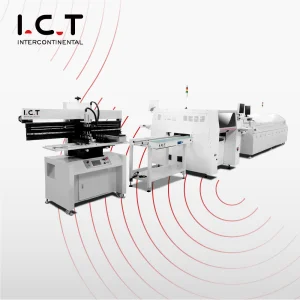
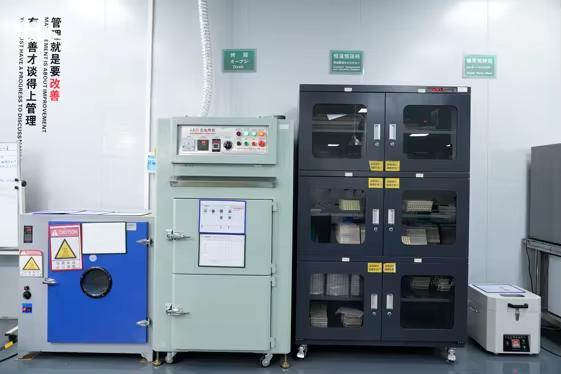
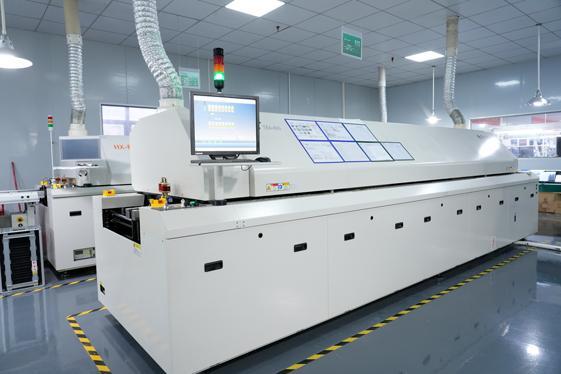
Supported by an experienced engineering team, DERT Lighting continuously invests in product innovation, optical design, thermal management technologies, electronic control systems, and manufacturing automation. The company integrates advanced production equipment, automated assembly lines, precision testing instruments, and standardized manufacturing processes to support consistent product quality and production efficiency.
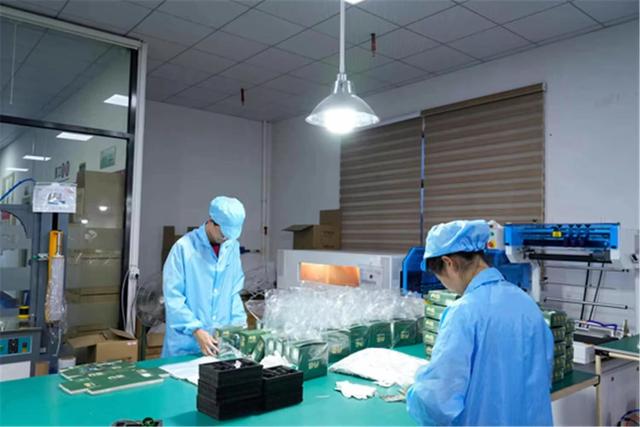
Quality management is implemented throughout every stage of production, from raw material sourcing and component inspection to assembly, performance testing, durability evaluation, and final quality verification. The company strives to manufacture automotive lighting products that meet the performance, reliability, and regulatory requirements of diverse international markets. In addition to standard product manufacturing, DERT Lighting provides comprehensive OEM and ODM services, including product development, branding support, customized specifications, packaging solutions, and private-label manufacturing programs. Flexible production capabilities allow the company to support both emerging automotive brands and established industry partners.
Utilizing high-performance optical lenses, collimating guides, and computational ray tracing to maximize luminous efficacy, prevent glare, and ensure compliance with ECE and DOT requirements.
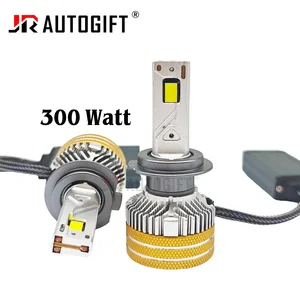
Employing copper core PCBs, aluminum heat-sinks, and active cooling fans to maintain stable junction temperatures beneath critical limits, increasing the product lifespan up to 50,000 operating hours.
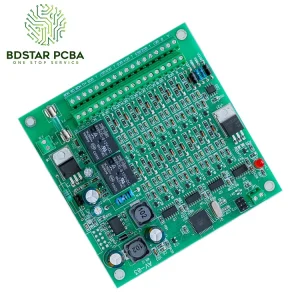
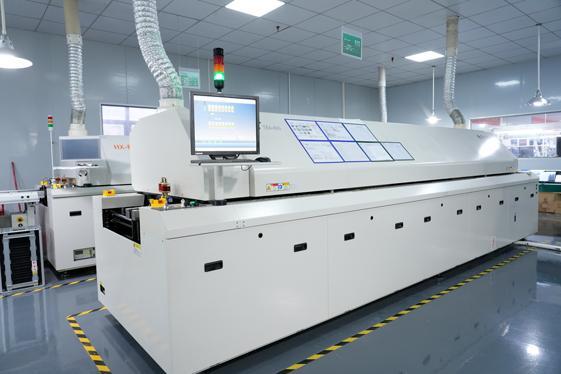
State-of-the-art surface mount technology for aluminum and metal-clad circuit boards. Built-in current drivers, reverse-polarity protection, and electromagnetic interference suppression modules.
Sourcing automotive-grade lighting components from China offers unparalleled advantages in scale, supply chain density, and integration capabilities. The Ningbo industrial zone stands out globally as a manufacturing hub due to its hyper-concentrated network of primary and secondary suppliers. From copper plating, precision injection molding, and aluminum die-casting to advanced SMT manufacturing, every critical production stage is co-located within a small geographical radius. This results in minimal logisitics latency and immediate access to raw optoelectronic components.
At Ningbo DERT Lighting, this structural advantage is translated directly into cost efficiencies and short production cycle times. The proximity to Ningbo Port—one of the largest deep-water shipping centers in the world—enables seamless and cost-efficient global container dispatch. Furthermore, Chinese manufacturers have rapidly modernized their facilities through automated optical inspection (AOI) lines, robotic assembly arms, and rigorous in-house test labs. This automation mitigates manual labor variations, guarantees high product yields, and provides global wholesale buyers with consistent quality at competitive price points. By operating within this localized industrial cluster, we are able to easily adjust manufacturing output and custom toolings in response to sudden market fluctuations or specific OEM design changes.
The functional demand for automotive signaling products varies wildly across geographical markets, climates, and vehicle categories. A reliable vehicle lighting manufacturer must possess the technical range to address these distinct requirements:
The next decade of vehicle illumination belongs to intelligent signaling and smart integration. We are shifting away from static, fixed-pattern lights toward communicative lighting displays that interface with vehicular ADAS (Advanced Driver Assistance Systems). Adaptive driving beams (ADB) utilize matrix LEDs that dim individual sectors when an oncoming car is detected, preserving full high-beam illumination elsewhere. This technology requires sophisticated micro-controllers on the PCBA level, as well as ultra-durable lenses designed to withstand heat spikes.
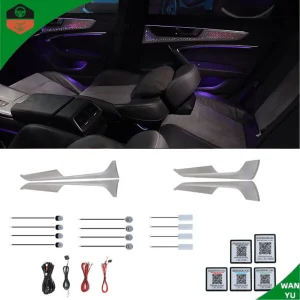
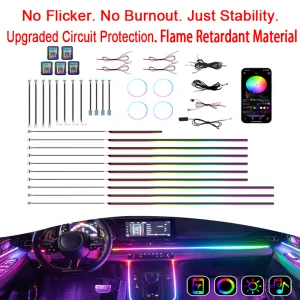
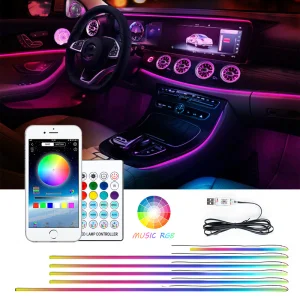
Additionally, energy efficiency has become paramount. With the rise of electric vehicles, every watt of electrical energy saved in auxiliary systems directly extends the vehicle's driving range. This has forced manufacturers to prioritize highly efficient LED chips producing greater lumens per watt, alongside light guides that distribute illumination evenly with fewer light sources. We are also seeing a rapid convergence of interior ambient lighting systems with vehicular warning systems—for instance, changing the cabin's ambient color to red if a blind-spot sensor detects a passing vehicle.
For international distributors, procurement success hinges on selecting partners that can balance technical capability, price stability, and strict quality verification. Importers must confirm that the supplier's quality management system is certified to IATF 16949—the global quality standard for the automotive supply chain. Furthermore, product lines must carry localized certifications, including E-Mark (for Europe) and DOT/SAE compliance markings (for North America).
When evaluating suppliers, buyers should request comprehensive test reports detailing thermal stress cycles, ingress protection ratings, vibration endurance, and electromagnetic compatibility (EMC). This prevents high-return rates and warranty disputes down the road. Ningbo DERT Lighting provides structured OEM and ODM workflows, ensuring that every batch of headlights, signal lights, or custom PCBA components is tracked with an unbroken chain of quality control, from incoming material inspection (IQC) to outbound quality control (OQC).
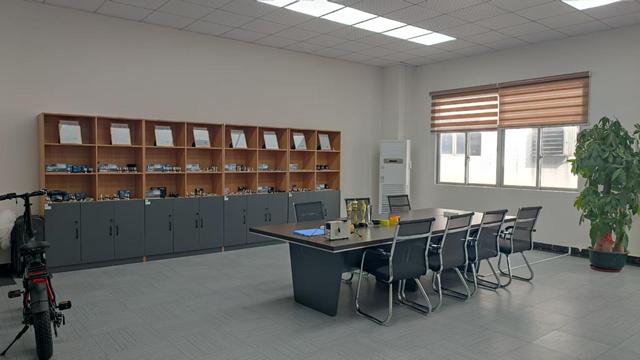
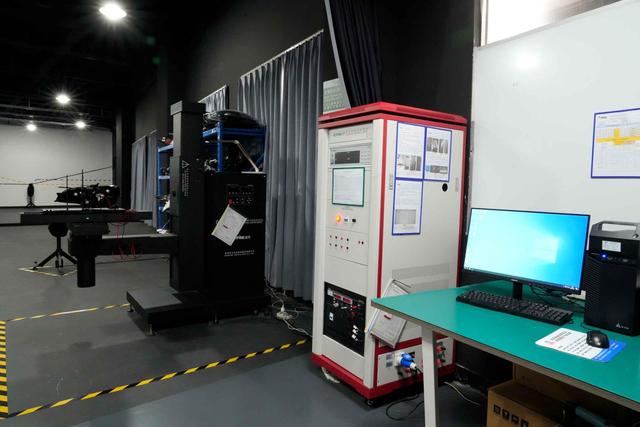
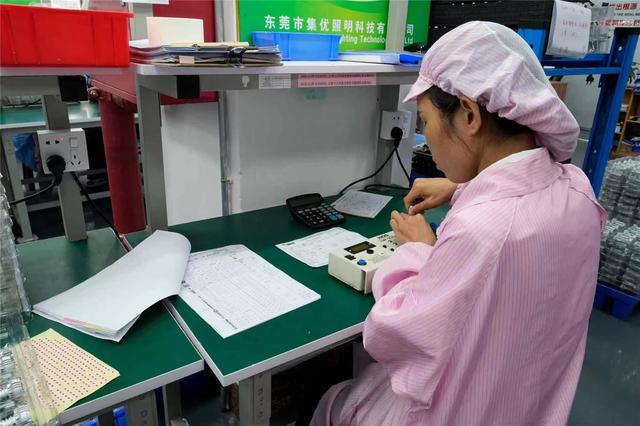
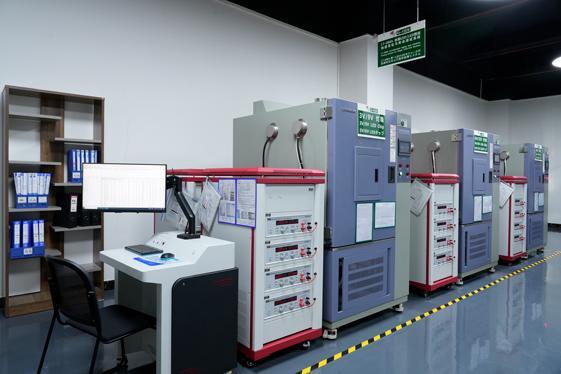
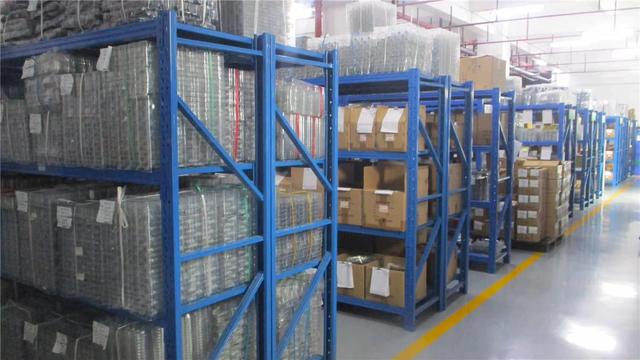
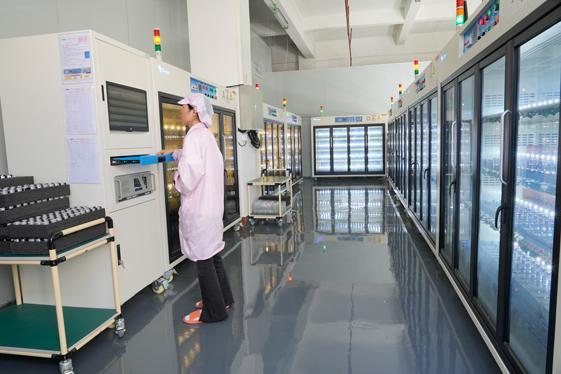
Ningbo DERT Lighting operates an 18,000 square meter state-of-the-art facility featuring automated production lines, testing laboratories, and precision machining workshops designed to exceed IATF 16949 automotive standards.
Expert answers addressing the critical parameters, standards, and production factors associated with vehicle signal lighting procurement.
Automotive lighting systems must meet rigorous regulatory standards depending on the destination market. In Europe and many global regions, products must carry E-Mark certification (complying with ECE Regulations). For North America, compliance with DOT (Department of Transportation) and SAE (Society of Automotive Engineers) guidelines—specifically FMVSS 108—is mandatory. These standards cover photometrics, light color coordinates, environmental sealing, vibration resistance, and electrical shielding.
Unlike traditional halogen lamps that radiate heat forward, LEDs generate heat at their silicon junctions. If this heat is not dissipated, the light output drops (thermal decay), and the LED's operational life decreases. Utilizing metal core PCBs (MCPCB), aluminum housings, copper heat pipes, and high-performance cooling fans prevents junction temperatures from exceeding critical limits, ensuring long-term luminous intensity.
OEM (Original Equipment Manufacturing) involves manufacturing automotive lighting products based on existing designs and specifications provided by the client, often customized with client branding. ODM (Original Design Manufacturing) encompasses the entire cycle, where our engineering and R&D teams design, prototype, test, and manufacture new products from the ground up based on performance requirements.
Operating under an IATF 16949-aligned quality system, DERT Lighting enforces rigorous validation at every step. This includes incoming quality checks (IQC) on raw materials, in-process inspection (IPQC) utilizing automated optical scanners (AOI), and final product verification (OQC). We subject assemblies to environmental chamber cycling, dust tests, vibration testing, and goniophotometer optical evaluations.
A tailored PCBA allows us to integrate specialized circuitry, such as constant-current driver ICs, built-in resistors to prevent hyper-flashing, protection against high-voltage spikes, and EMI filters. Selecting high-grade FR-4 or aluminum core bases determines the thermal conductivity, matching the structural needs of modern light fixtures.
Explore the remainder of our advanced product lineup, including heavy-duty truck signal lights, replacement components, OEM accessories, and production line machinery.
 DERT Lighting